Award-Winning AP Chinese Language and Culture Tutors
serving San Antonio, TX
AP Chinese Language and Culture
Tutors in San Antonio
Private 1-on-1 tutoring, weekly live classes for academic support, test prep & enrichment, practice tests and diagnostics, and more to elevate grades and test scores.
Based on 3.4M Learner Ratings
UniversitiesSchools & Universities
DeliveredHours Delivered
ProficiencyGrowth in Proficiency
Who needs tutoring?
No obligation. Takes ~1 minute.
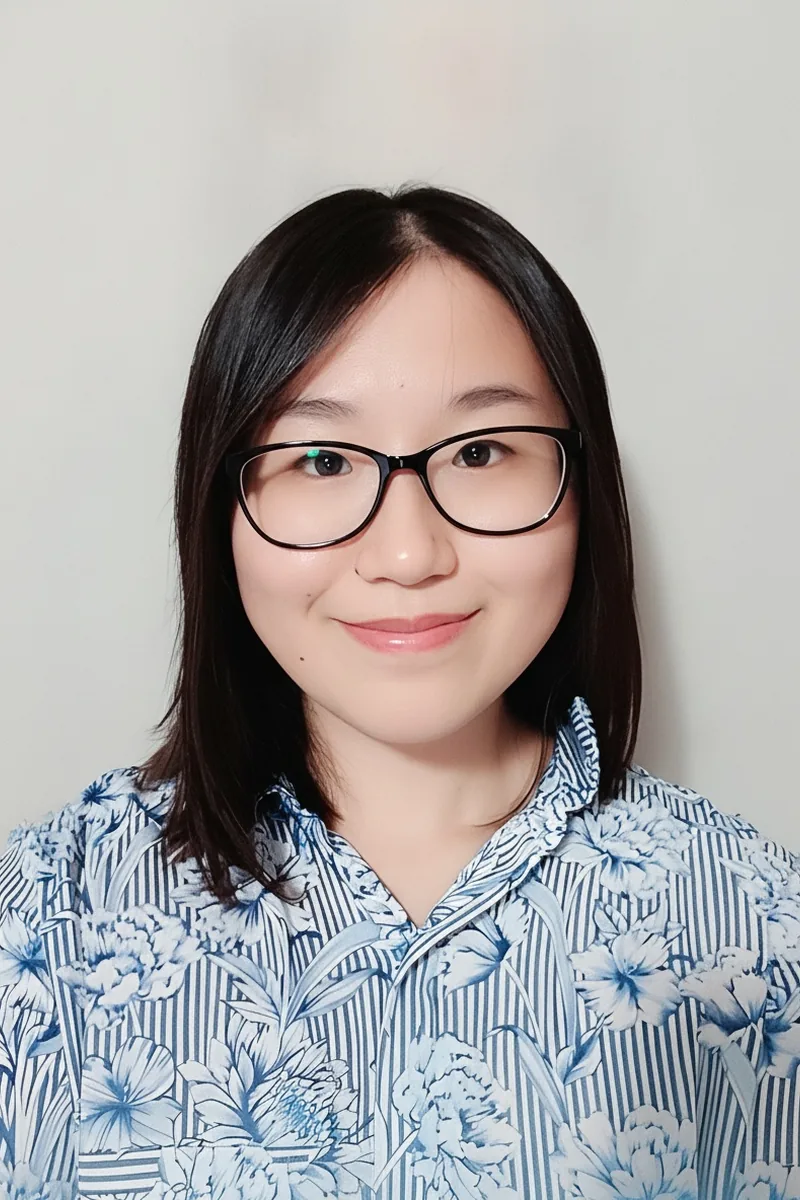
Patricia's favorite subjects to tutor include beginner's and intermediate Chinese, and she brings that same enthusiasm to AP-level prep — particularly the listening comprehension and reading sections where students need to parse formal written Mandarin beyond everyday conversation. She also teaches across multiple Mandarin levels, so she can quickly identify which foundational gaps in grammar or vocabulary are holding a student back on timed exam tasks.
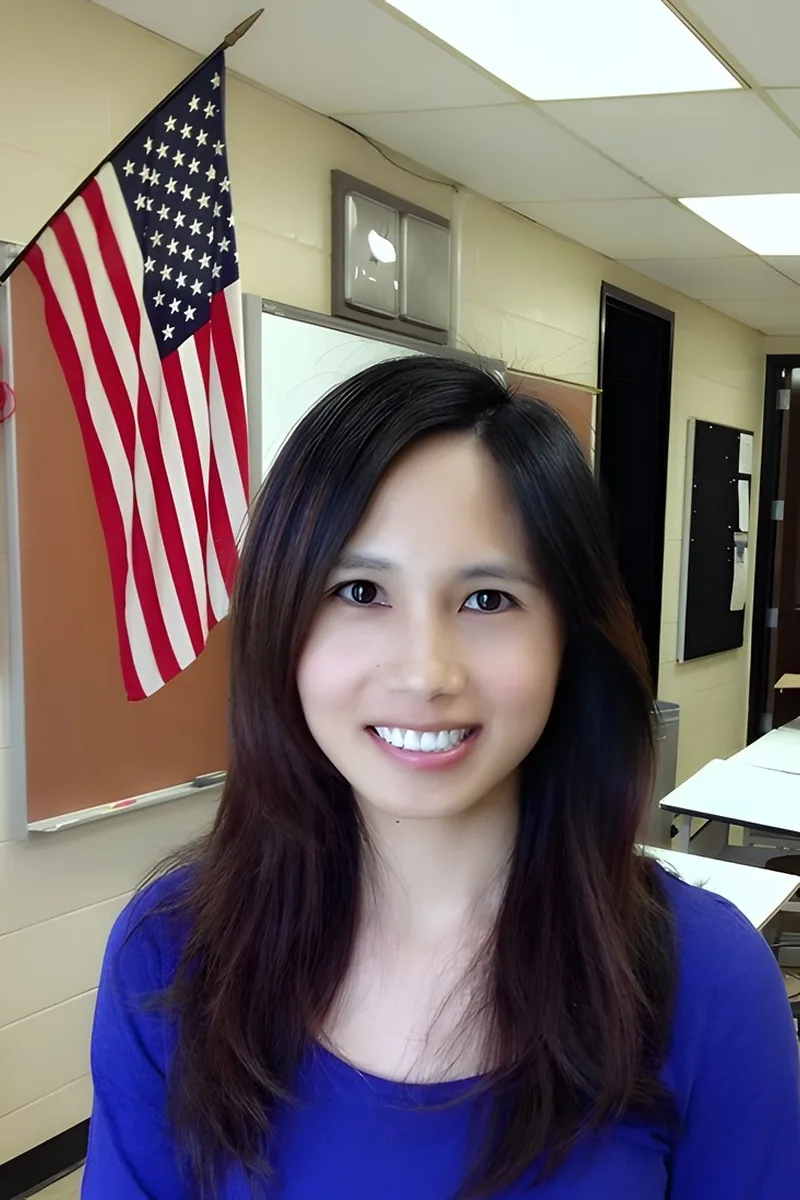
Eight years of teaching Chinese language and culture across elementary, middle, and high school levels — plus directing a K-12 language enrichment program — makes Amanda one of the rare tutors who understands the full arc of the AP Chinese exam. She tackles the interpersonal and presentational speaking tasks head-on, coaching students to respond with cultural nuance and grammatical precision under timed conditions. Rated 5.0 by students.
The AP Chinese exam tests far more than vocabulary recall — it demands cultural knowledge, formal register in writing, and the ability to compare Chinese and American perspectives in presentational speaking. Daniel, who has studied Mandarin through advanced levels, breaks down each exam section so students know exactly what the graders are looking for in their responses.
I'm Jay! I'm currently going to college at the University of Texas at Austin. I am majoring in fine arts and I am also in the pre-medical program. Even though I'm not done with college, I have already published papers in the field of epigenetics since my freshmen year of college. Even though I consider myself to have an expertise in languages, I decided to teach areas in the field of natural sciences because those are the subjects that I am most passionate about.
Studying economics at Penn while teaching Mandarin Chinese across multiple levels, Mandy brings a practical, structured approach to AP Chinese prep — especially the cultural comparison essays, where her firsthand experience navigating both Chinese and American academic environments gives students concrete material to draw from. She's rated 5.0 by students and zeroes in on the interpretive reading and listening sections, training students to decode formal written Mandarin that goes well beyond conversational fluency.
As a native Mandarin speaker who moved to the U.S. at nine and later studied at Cornell, Jennifer bridges Chinese and American culture in a way that's hard to find in a tutor. She covers all four AP skill areas — interpretive reading, listening, presentational writing, and spoken interpersonal communication — while weaving in the cultural knowledge that the exam's free-response questions specifically test. Rated 5.0 by students.
Fluent in Mandarin and experienced with the AP Chinese exam format, JF tackles the presentational writing and interpersonal speaking components that trip up even heritage speakers. He digs into the cultural comparison prompts specifically, showing students how to structure responses that hit every rubric criterion.
Jess studies public policy and peace, war, and defense at UNC Chapel Hill — a program steeped in the kind of geopolitical and diplomatic context that gives AP Chinese cultural comparison essays real substance instead of generic observations. She speaks Mandarin conversationally and teaches it across multiple levels, so she can coach students on bridging the gap between everyday spoken Chinese and the formal presentational writing register the exam actually scores.
Ten years teaching Mandarin in public schools — from absolute beginners through AP — means Paulkey has watched hundreds of students hit the same walls on the AP Chinese exam, especially the interpersonal response tasks where students freeze up trying to produce spontaneous, culturally appropriate Mandarin in real time. He pairs that classroom experience with a computer science background that makes his prep unusually structured: timed drills, systematic vocabulary review, and targeted practice on the listening comprehension passages that reward quick processing over perfect translation.
The AP Chinese Language and Culture exam tests far more than vocabulary — it demands cultural fluency, the ability to compare perspectives, and comfort producing spoken and written Mandarin under timed pressure. Hannah holds a master's degree in Chinese Studies and is fully fluent in reading, writing, and spoken Mandarin, so she can prepare students for every section of the exam with real cultural context behind each response.
Charles speaks both Cantonese and Mandarin and teaches across all four Mandarin Chinese levels, which means he can pinpoint exactly where a student's tonal accuracy or grammatical structure needs tightening before exam day. His strongest contribution to AP Chinese prep is the interpersonal response tasks — he runs rapid-fire conversational drills that build the kind of spontaneous, register-appropriate Mandarin the exam scores highest.
As a native Mandarin speaker who has passed China's national proficiency test and written her own leveled grammar curriculum, Tina knows exactly what AP Chinese examiners expect in listening, reading, and presentational writing. She drills the cultural comparison essay format and interpersonal speaking prompts so students walk into the exam with a rehearsed strategy, not just vocabulary lists.
Having scored on the SAT Subject Test in Chinese with Listening, Florence brings firsthand experience with the kind of language proficiency AP Chinese demands — from interpreting spoken passages to crafting written responses using appropriate registers. She knows which cultural comparison prompts tend to trip students up and how to structure presentational writing that earns top marks.
Beyond typical classroom exposure, Cynthia pursued Chinese seriously enough to earn a university minor in the language, which means she's comfortable with the reading comprehension, listening, and cultural knowledge components the AP exam tests. She walks students through strategies for the interpersonal and presentational speaking tasks, where scoring well depends on fluid responses and appropriate use of idiomatic expressions.
I am an experienced tutor specializing in english, essay writing, communications and business. After completing the IB program at an international high school, I recently graduated from Northwestern University with a Bachelor of Science in Communication Studies, Business, and Integrated Marketing Communications. I grew up in a Korean household in China, so I am fluent in Korean and Chinese as well. Feel free to reach out for general inquiries on any classes or essay/writing help you need!
Jason is a Mandarin speaker who understands both the linguistic and cultural dimensions the AP Chinese exam tests — from formal vs. informal register in presentational writing to the cultural comparisons required in the free-response section. He walks students through listening comprehension strategies and character recognition alongside the cultural knowledge that earns top scores.
Testimonials
Because the right AP Chinese Language and Culture tutor makes all the difference.
Average Session Rating – Based on 3.4M Learner Ratings
Nearby AP Chinese Language and Culture Tutors
Other San Antonio Tutors
Related Languages Tutors in San Antonio
Frequently Asked Questions
The AP Chinese Language and Culture exam tests proficiency across five key areas: interpersonal communication (speaking and writing), interpretive communication (reading and listening), and cultural knowledge. The exam includes multiple-choice sections for reading and listening comprehension, free-response sections for email writing and presentational speaking, and a conversation component. For students in San Antonio preparing for this exam, understanding the structure and expectations for each section is essential to developing an effective study plan.
AP Chinese is often considered one of the more challenging AP exams because it requires sustained language development rather than just content memorization. Success depends on consistent practice with listening, speaking, reading, and writing over time—typically requiring 200+ hours of study to reach proficiency levels needed for a score of 3 or higher. Personalized 1-on-1 instruction can help you identify which skills need the most focus and create a targeted study plan tailored to your current level.
Most students benefit from beginning AP Chinese preparation at least 6-12 months before the exam, depending on their current proficiency level. If you're starting from an intermediate level, consistent weekly practice (8-10 hours per week) can help you build the listening, speaking, and writing skills needed. Tutors can help you assess your starting level and create a realistic timeline with specific milestones for each skill area.
The speaking sections—the conversation and presentational speaking tasks—require you to think and respond in real-time, which is why regular practice with a fluent speaker is invaluable. Working with a tutor allows you to practice authentic conversations, receive immediate feedback on pronunciation and grammar, and build confidence before test day. Mock conversations and timed speaking practice help you develop the fluency and spontaneity the exam requires.
Students often struggle most with the listening comprehension section (which moves quickly and covers various accents and contexts), maintaining accuracy while speaking under time pressure, and understanding cultural nuances in reading passages. Many also find it difficult to balance all four language skills equally—some excel at reading but struggle with speaking, or vice versa. A tutor can help you identify your specific weak areas and develop targeted strategies to address them before test day.
Score improvement depends on your starting level and how consistently you practice, but most students see measurable gains within 3-4 months of focused preparation. If you're starting at an intermediate level, tutoring can help you move from a 2 or 3 to a 4 or 5 by targeting specific skill gaps and building test-taking strategies. The key is consistent practice between sessions combined with expert guidance on what to focus on.
Yes—taking full-length practice tests under timed conditions is one of the most effective ways to prepare. Practice tests help you get comfortable with the exam format, identify which sections take you the longest, and reveal specific weak areas before test day. A tutor can review your practice test results with you, explain where you lost points, and help you develop strategies to improve on similar questions in the future.
Varsity Tutors connects you with expert tutors who have strong proficiency in Mandarin Chinese and experience preparing students for the AP exam. When you get matched with a tutor, you can discuss their background with the AP curriculum, their approach to teaching the exam's different sections, and how they structure their preparation plans. Look for tutors who can provide practice in all four language skills and have experience with the specific format and timing of the AP Chinese exam.
Let’s find your perfect tutor
Answer a few quick questions. We’ll recommend the right plan and match you with a top 5% tutor.