Award-Winning Microbiology Tutors
serving El Paso, TX
Microbiology
Tutors in El Paso
Private 1-on-1 tutoring, weekly live classes for academic support, test prep & enrichment, practice tests and diagnostics, and more to elevate grades and test scores.
Based on 3.4M Learner Ratings
UniversitiesSchools & Universities
DeliveredHours Delivered
ProficiencyGrowth in Proficiency
Who needs tutoring?
No obligation. Takes ~1 minute.
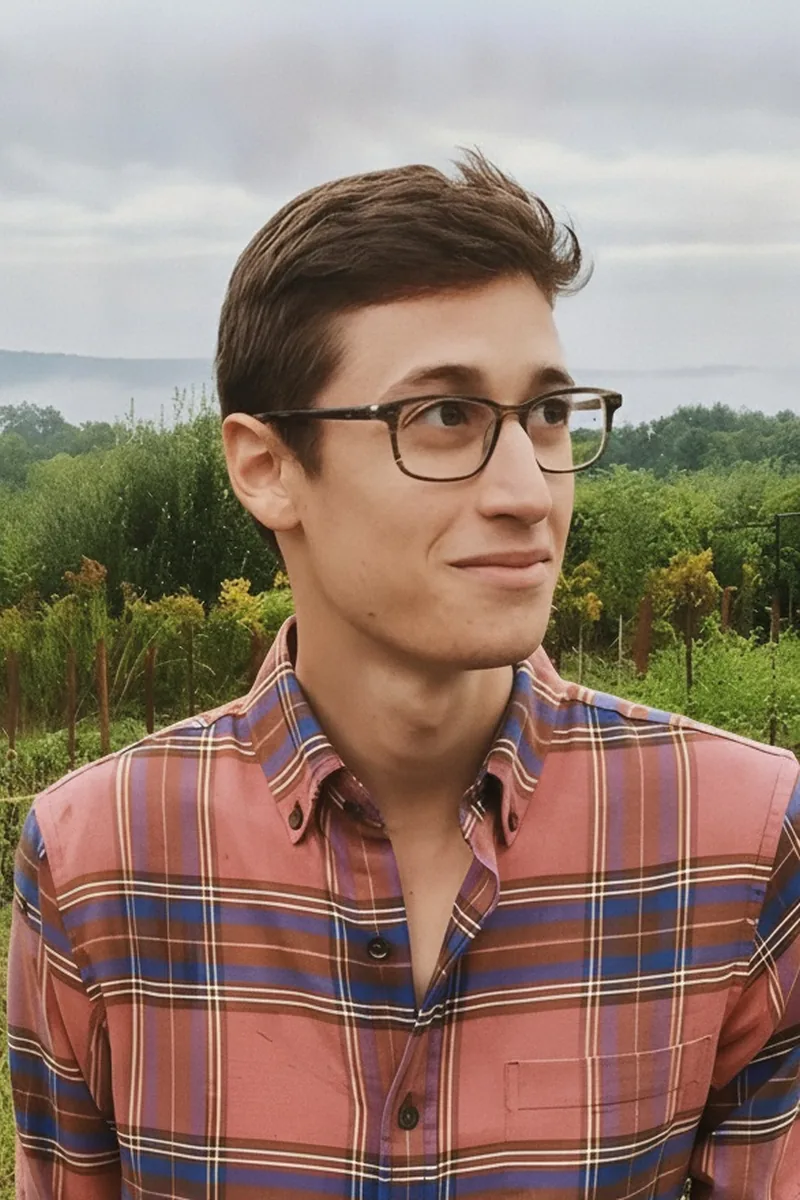
Understanding microbiology means keeping dozens of organisms, metabolic pathways, and virulence mechanisms straight — and knowing when the differences actually matter. Jonathan's human biology training and pre-med preparation at Cornell gave him a clinical lens for bacterial genetics, host-pathogen interactions, and antimicrobial resistance that makes the material more intuitive than rote flashcard review.
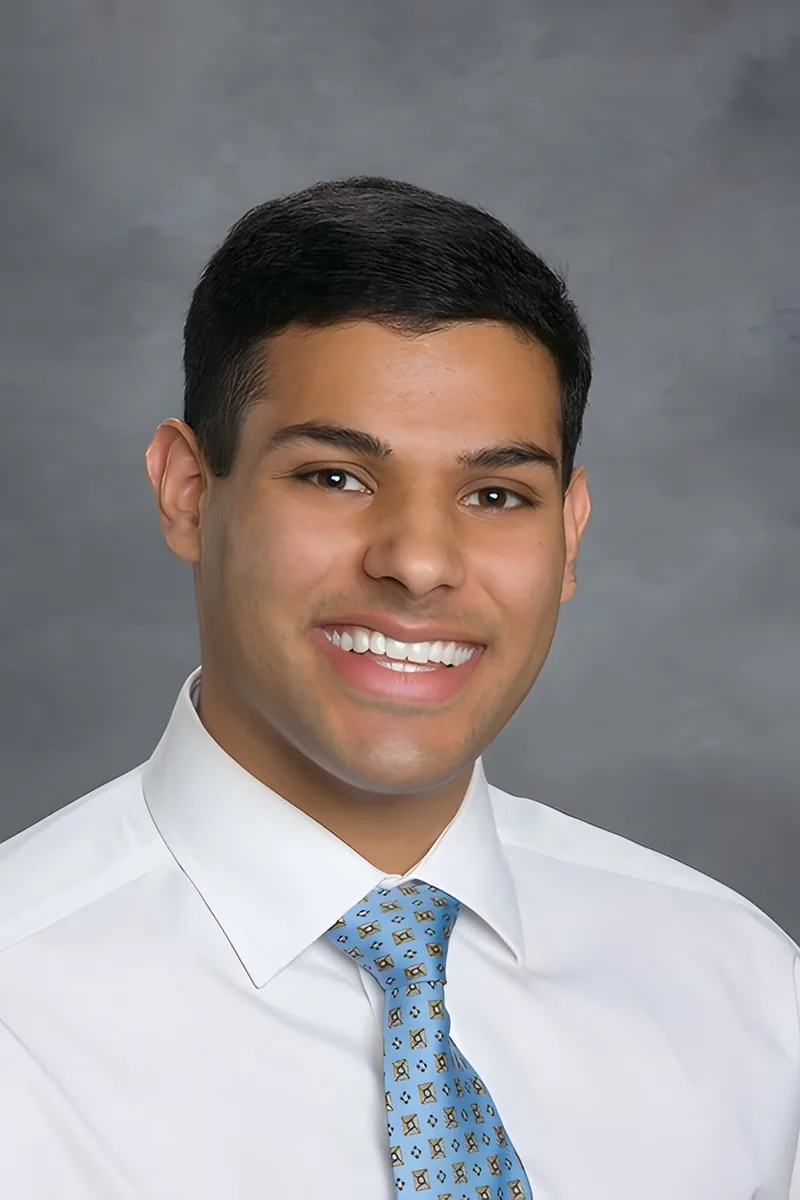
Between his biochemistry degree from Rice and his medical school training, Sanjay has spent years immersed in the microbial world — bacterial cell structure, pathogenic mechanisms, antimicrobial resistance, and the metabolic pathways that distinguish different organisms. He connects microbiology concepts to clinical scenarios, which makes memorizing genera, gram stain results, and virulence factors far more intuitive.
Between bacterial genetics, metabolic pathways, and immune evasion strategies, microbiology covers an enormous range of material in a single semester. Emily's current research position at UTHealth keeps her immersed in lab techniques and microbial concepts daily, so she explains topics like Gram staining, virulence factors, and antibiotic resistance with the fluency of someone who actually uses this knowledge at the bench.
The IB Biology program — both SL and HL — drills deep into microbial topics like cell theory, pathogen classification, and antibiotic resistance, and Kinjal completed that rigorous track before earning her biology degree at Texas A&M. That combination means she can walk through bacterial structure, microbial metabolism, and host-pathogen dynamics with the kind of layered understanding that comes from studying the material twice at increasing depth. Rated 5.0 by students.
Before pursuing her graduate degree, Kelsey taught microbiology at a community college, designing her own review materials and walking students through bacterial metabolism, microbial genetics, and lab techniques like Gram staining and culture analysis. That classroom experience means she knows which concepts trip students up — and how to explain them differently the second time around. Rated 4.9 by students.
This is Brian's home turf. As a PhD microbiologist and associate professor of the subject at Collin County Community College, he unpacks everything from bacterial gene expression and metabolic pathways to virology and immunological responses with the specificity that upper-level coursework demands. Students get someone who reads the primary literature daily and can translate it into clear, testable understanding.
Bioengineering trains you to think about microorganisms as systems — how bacterial metabolism, gene regulation, and surface interactions can be modeled, measured, and manipulated. Casey applies that engineering mindset to microbiology topics like growth kinetics and sterilization techniques, breaking down each process into the quantitative and biological components that actually explain it. Her parallel background in physiology and organic chemistry lets her trace microbial behavior from the molecular scale up to host-level effects.
Between her biology degree and her public health graduate work at UT, Anna has spent years immersed in the microbial world — from bacterial cell structure and Gram staining to viral replication cycles and host-pathogen interactions. She unpacks dense microbiology material by tying pathogens and immune responses to real epidemiological case studies.
I believe every student can make meaningful progress when instruction is tailored to their starting point, goals, and learning style. With more than 15 years of tutoring and teaching experience, including SAT, ACT, MCAT, and medical licensing examinations, along with a background teaching chemistry and physics, I help students strengthen academic skills, improve test-taking strategies, and build confidence. My approach is individualized and results-focused. I identify strengths and knowledge gaps, then create a clear plan targeting content, problem-solving, timing, organization, and study habits. I am patient, encouraging, and experienced working with diverse learning needs, including ADHD, as well as students who struggle with test anxiety, focus, or confidence. I also value clear communication with students and families so everyone understands the student's goals, progress, and next steps.
Courage's dual science degrees — one in biological and physical sciences, the other culminating in a master's in environmental science — mean he understands microorganisms from both the cellular and ecological sides, whether it's how bacteria cycle nutrients in soil or how microbial communities shape larger ecosystems. That combination is especially useful for students wrestling with topics like microbial metabolism or population dynamics, where the biology only makes sense in an environmental context.
I am a graduate of UC San Diego with a Bachelors in Neuroscience through the Psychology department. After graduating, I went to Michigan Technological University and did some graduate work, before moving to Texas to be closer to my parents. I did my alternative certification program through Texas Teachers and am highly qualified to teach Science for grades 7-12. I have been a teacher in public and charter schools for the last four years, and have tutoring experience extending over ten years behind me as well.
I am a graduate from Furman University with a Bachelor's degree in Neuroscience, and I completed my Master's in Biochemistry at Johns Hopkins this past spring. I tutor math and science, in addition to SAT and ACT prep.
Studying biology at Southwestern University meant Madison spent real time with the microorganisms that drive so much of how life works — from bacterial cell structure and replication to the ecological roles microbes play in larger systems. She approaches microbiology by building outward from the cellular level, connecting topics like Gram staining and metabolic pathways to the bigger biological questions that make the details worth remembering.
I am an enthusiastic and diligent Pharmacist with a real passion for healthcare; with seven years' experience in most areas of practice in healthcare, from patient care in hospital, clinical research and lecturing in medical college.
A biochemistry degree means Gabriel spent serious time at the molecular level — protein structures, enzyme kinetics, metabolic regulation — which is exactly where microbiology gets interesting, explaining how bacteria synthesize cell walls, how metabolic differences distinguish aerobic from anaerobic organisms, and why certain antimicrobials target specific biochemical pathways. He also teaches biology, physics, and college-level chemistry, so he can zoom out from microbial mechanisms to the broader chemical and biological context that makes them click. Rated 5.0 by students.
Bacterial classification, viral replication cycles, and antimicrobial resistance aren't just textbook topics for Ted — they're concepts he applied routinely in clinical medicine. He digs into the details that trip students up, like distinguishing gram-positive from gram-negative pathogenesis or tracing how Koch's postulates apply to modern diagnostics. That physician's perspective turns dense microbiology material into something students can visualize and retain.
From bacterial cell wall structures to viral replication cycles, microbiology demands that students keep dozens of organisms and their mechanisms straight. Joyce tackled this material extensively during her biomedical sciences master's and PA coursework, where clinical microbiology directly informed patient diagnosis. She teaches identification strategies and pathogenesis by organizing microbes into patterns that actually stick.
As a current medical student, Chioma encounters microbiology in a clinical context every week — bacterial pathogenesis, viral replication cycles, antimicrobial resistance mechanisms. She translates that applied knowledge into tutoring sessions that go beyond memorizing genus names, teaching students to reason through how organisms interact with host immune systems. Her pre-med background at Rice gives her the biochemical foundation to explain microbial processes at the molecular level.
Studying microbiology at the college level means memorizing an enormous number of organisms, metabolic pathways, and lab techniques — and then actually applying that knowledge to case-study questions. Micaela's zoology and pre-med training at Auburn immersed her in microbial concepts from bacterial genetics to host-pathogen interactions, and she teaches students to organize material by mechanism rather than by organism so it's easier to retrieve under exam pressure.
Medical school is where microbiology stops being theoretical — Sanjana just finished her first year of an MD program in Molecular Medicine, which means she's been tested on bacterial pathogenesis, viral replication cycles, and antimicrobial mechanisms in a clinical context. That recent, high-stakes exposure to the material lets her teach concepts like gram staining distinctions and microbial virulence factors with the kind of precision that comes from needing to actually apply them.
Math majors don't usually spring to mind for microbiology, but Michael's parallel coursework in biology, chemistry, and MCAT prep means he's spent real time with microbial cell structure, pathogen classification, and the metabolic pathways that distinguish different organisms. His quantitative instincts from the math side actually pay off when students need to interpret bacterial growth curves or work through dilution calculations — the places where biology and numbers intersect. Rated 4.9 by students.
From bacterial cell wall structures to viral replication cycles, microbiology demands that students keep track of dozens of organisms and their unique behaviors. Salman's graduate training in pathology and laboratory medicine means he learned microbiology in a diagnostic context — identifying pathogens by their gram stain, culture characteristics, and virulence factors. He teaches students to organize microbes by mechanism rather than brute-force memorization.
Studying microbiology as a nursing student at UTMB means Francesca learned bacterial classification, viral replication cycles, and antimicrobial resistance in a clinical context — not just from a textbook diagram. She unpacks dense topics like gram staining protocols and pathogen-host interactions by tying them to real infectious disease scenarios that make the material stick.
Biomedical engineering pre-med training puts Chris at the intersection of biology and systems thinking — understanding how microorganisms behave means understanding the cellular machinery, growth kinetics, and host interactions that biomedical devices and therapies are designed around. He breaks down topics like microbial metabolism and pathogen classification by tying them back to the engineering and physiological context that makes them concrete. Rated 5.0 by students.
Studying biotechnology at the University of Houston means Rabia lives in the world of bacterial cultures, viral mechanisms, and cellular processes every week. She unpacks microbiology topics like gram staining, microbial metabolism, and pathogen-host interactions by tying them to the lab techniques she actually uses. That hands-on familiarity makes dense terminology and complex cycles far more approachable.
Earning a BS in Biology with High Honors from New Mexico State meant Kayley didn't just survey microbiology — she built the genetics, cell biology, and lab methodology background that makes topics like microbial gene regulation and culture techniques actually make sense at a mechanistic level. She's known for using vivid analogies tailored to each student's interests, turning abstract processes like bacterial conjugation or endospore formation into something concrete and memorable.
Adeyemi earned his bachelor's degree in Microbiology, so topics like bacterial genetics, host-pathogen interactions, and antimicrobial resistance aren't textbook abstractions for him — they're the foundation of his scientific training. He teaches microbiology by connecting microscopic processes to visible outcomes, whether that's explaining how quorum sensing triggers biofilm formation or why Gram staining distinguishes two fundamentally different cell wall architectures.
Samantha studied Molecular, Cellular, and Developmental Biology at CU Boulder before entering medical school at UT Southwestern, so microbiology isn't a textbook subject for her — it's the foundation of her clinical training. She digs into bacterial cell structure, viral replication cycles, and immune response pathways with the kind of detail that comes from years of hands-on coursework. Students preparing for exams on topics like gram staining, antibiotic mechanisms, or microbial genetics get a tutor who genuinely lives in this material.
Sonya taught microbiology labs as an undergraduate at Sam Houston State, which means she's walked dozens of students through Gram staining protocols, bacterial culture techniques, and the differences between prokaryotic cell structures. She knows which concepts — like metabolic pathways in different microbial species — tend to overwhelm students and breaks them into digestible pieces. That hands-on lab teaching experience translates directly into clear, practical explanations.
I'm a Computer Science student who's been teaching all my life. From tennis camps for kids to an engineering physics class for college kids, I really enjoy helping someone discover for themselves what they are capable of! Please let me know if there's anything you'd like me to help you with.
This is Preston's home turf. As a microbiology and infectious diseases major at UT Austin, he's immersed in bacterial genetics, host-pathogen interactions, and microbial ecology every day. He teaches these topics by connecting textbook concepts — like gram staining protocols or viral replication cycles — to current research and real clinical questions, which makes dense material far more memorable.
I'm a current medical student at VCU School of Medicine, and a graduate of Johns Hopkins University. I received my Bachelor of Science in Molecular and Cellular Biology. I've had the pleasure of tutoring a diverse range of students for 5 years; while I tutor a broad set of subjects, I'm most passionate about biology, psychology, and chemistry. I'm a big proponent of ensuring understanding over memorization and teaching concepts that last for years to come (particularly for other students interested in medicine!) In my free time, I love to write poetry, edit essays, and gush about game writing with friends.
Studying biomedical engineering means Cassandra has spent serious time with microbial physiology, from bacterial cell structure and metabolic pathways to how pathogens interact with host immune systems. She teaches microbiology by linking each organism's characteristics to the mechanisms that make it clinically or industrially relevant, turning dense material into a coherent story.
Ryan's master's work in cellular and molecular biology at Stanford, combined with hands-on synthetic biology research at NASA Ames, gave him deep fluency in microbial genetics, metabolic pathways, and laboratory techniques like PCR and gene cloning. He unpacks topics like bacterial pathogenesis and antimicrobial resistance by connecting them to the molecular mechanisms driving each process. Rated 5.0 by students.
Environmental science and public policy might seem distant from microbiology, but Ethan's coursework in biology, chemistry, and ecology covered the microbial ecology and nutrient cycling that underpin environmental systems — how soil bacteria drive nitrogen fixation, how waterborne pathogens behave in different conditions, and why microbial communities matter for public health policy. That environmental angle gives him a unique way of explaining concepts like bacterial metabolism and population dynamics, grounding abstract processes in real-world ecological contexts. Holds a 5.0 rating.
Gram staining, metabolic pathways in prokaryotes, viral replication cycles — microbiology requires holding a lot of interconnected detail in your head at once. Amelia's chemistry and biology training gives her a molecular-level fluency that lets her unpack topics like bacterial genetics or host-pathogen interactions without oversimplifying the underlying biochemistry.
A Stanford Human Biology degree with a concentration in bioinformatics gave Matthew a computational angle on microbiology — he thinks about microbial populations in terms of gene expression data, genomic analysis, and the quantitative patterns underlying concepts like antibiotic resistance and pathogen evolution. That top-down, systems-level perspective is especially useful for students who struggle to see how individual topics like bacterial metabolism or viral replication fit into the bigger biological picture. Rated 4.9 by students.
Emily studied molecular, cellular, and developmental biology at Yale and then earned her MPH in epidemiology, giving her a dual lens on microbiology — she knows the bench science of bacterial genetics and viral replication cycles, and she understands how those organisms behave in populations. She digs into topics like gram staining, metabolic pathways, and host-pathogen interactions with the detail a college-level course demands.
Garrett's biology degree paired with his coursework in physiology and anatomy means he understands microorganisms in the context of the systems they infect — not as isolated names on a flashcard. He walks through topics like microbial cell structure, pathogen life cycles, and immune evasion strategies by anchoring each organism to the tissue-level damage it actually causes, which turns a massive taxonomy into something students can reason through.
As a second-year medical student with an undergraduate degree in Molecular, Cell, & Developmental Biology from UCLA, Vinay brings clinical context to microbiology topics like bacterial pathogenesis, viral replication cycles, and antimicrobial resistance mechanisms. He connects each organism's structure to its behavior — explaining *why* gram-negative bacteria respond differently to antibiotics, not just *that* they do. His pharmacology knowledge adds an extra layer for students studying micro in a pre-health context.
Testimonials
Because the right Microbiology tutor makes all the difference.
Average Session Rating – Based on 3.4M Learner Ratings
Nearby Microbiology Tutors
Other El Paso Tutors
Related Science Tutors in El Paso
Frequently Asked Questions
During your first session, a tutor will assess your current understanding of microbiology concepts, identify specific areas where you're struggling (whether that's bacterial identification, metabolic pathways, or lab techniques), and discuss your goals. This helps create a personalized learning plan tailored to your needs, so you're not just reviewing material you already understand.
Microbiology tutors use diagrams, animations, and real-world examples to make invisible processes tangible. Instead of memorizing that bacteria have flagella, you'll understand how flagella work mechanically and why that matters for bacterial movement and survival. This shift from memorization to visualization helps concepts stick and makes exams less about recall and more about applied understanding.
Yes. Tutors can walk you through lab procedures, explain the scientific reasoning behind each step, and help you understand what your results mean. Whether you're learning proper aseptic technique, interpreting gram stains, or designing experiments to test hypotheses, personalized instruction ensures you're confident before you step into the lab and can troubleshoot if things don't go as expected.
Students often struggle with balancing chemical equations in metabolic pathways, understanding the logic behind classification systems, and connecting theoretical concepts (like osmotic pressure or pH effects) to real bacterial behavior. Many also find it challenging to think like a microbiologist—asking "why does this organism behave this way?" rather than just memorizing facts. Tutors help bridge that gap between memorization and scientific reasoning.
Varsity Tutors connects you with tutors who understand Texas science standards and the specific microbiology courses taught across El Paso's 13 school districts. Whether you're in a general biology course covering microbial basics or an advanced microbiology class, tutors can support your coursework while also building the critical thinking skills you'll need for college-level science.
Tutors help you move beyond memorizing facts to understanding the "why" behind microbial processes—which is what exams actually test. They'll identify your weak spots, teach you how to apply concepts to unfamiliar scenarios, and practice retrieval (testing yourself repeatedly over time), which research shows is far more effective than re-reading notes. This approach builds both confidence and scores.
Look for tutors with a strong background in microbiology or related sciences (biology, chemistry), ideally with teaching or tutoring experience. They should be able to explain complex concepts clearly, connect theory to real-world applications, and help you develop scientific reasoning skills—not just drill facts. Varsity Tutors matches you with tutors who meet these standards and understand your specific learning needs.
Pricing varies based on the tutor's expertise, your location in El Paso, and how frequently you meet. Most students benefit from consistent sessions (weekly or twice weekly), though you can adjust based on your needs and budget. Contact Varsity Tutors for a personalized quote and to discuss flexible options that work for your situation.
Let’s find your perfect tutor
Answer a few quick questions. We’ll recommend the right plan and match you with a top 5% tutor.