Award-Winning Japanese Tutors
serving El Paso, TX
Japanese
Tutors in El Paso
Private 1-on-1 tutoring, weekly live classes for academic support, test prep & enrichment, practice tests and diagnostics, and more to elevate grades and test scores.
Based on 3.4M Learner Ratings
UniversitiesSchools & Universities
DeliveredHours Delivered
ProficiencyGrowth in Proficiency
Who needs tutoring?
No obligation. Takes ~1 minute.

Emily minored in Japanese at Texas A&M and continues to engage with the language through media and self-study. She teaches hiragana, katakana, and foundational grammar patterns like particle usage with the same structured approach she applies to her other languages, making the writing systems feel systematic rather than overwhelming.
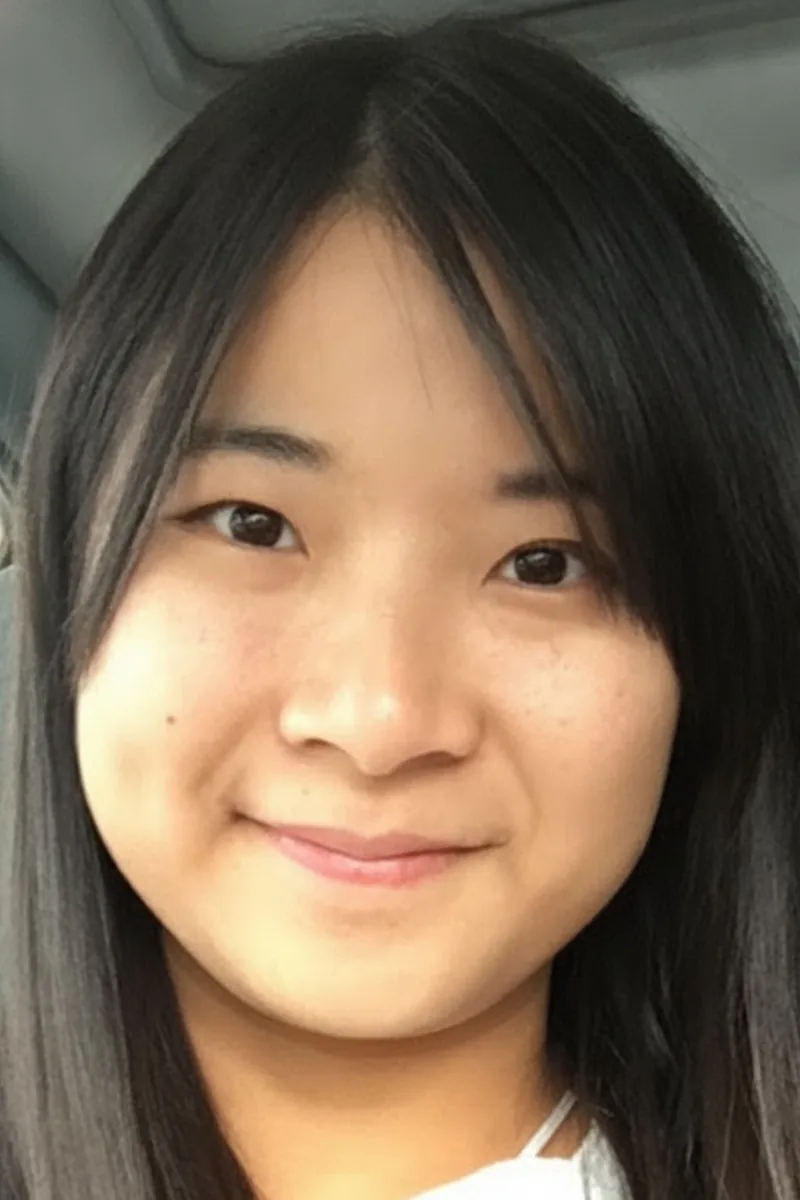
I am also fluent (reading/listening/writing) in Cantonese and mandarin Chinese because of my upbringing. Half of my childhood education was received in Hong Kong and the other half was in Australia.
Most students stall in Japanese once they move past hiragana and katakana into kanji recognition and grammatical particles like は versus が. Wahala minors in Japanese at Indiana University Bloomington and treats the language as a system to decode — connecting sentence structure, verb conjugation patterns, and cultural context so that reading and conversation reinforce each other.
Learning Japanese means juggling three writing systems, unfamiliar sentence structures, and particles that don't map neatly onto English — Rex tackles each layer separately so students can build real reading and conversational ability. His communication design background also gives him a unique perspective on how visual layout and typography work in Japanese media, which keeps lessons engaging and culturally grounded.
Having completed an Asian Languages minor at UCLA, Abrahim brings formal training in Japanese grammar, kanji acquisition, and reading comprehension to his tutoring. He approaches the language methodically — building from particle usage and verb conjugation patterns up to reading authentic texts — which works especially well for students who want structure rather than immersion-only learning.
Mechanical engineering at the University of Dayton doesn't obviously connect to Japanese, but Nicholas's systematic problem-solving mindset lends itself well to breaking down kanji radicals, verb conjugation groups, and particle logic into repeatable patterns. He's also genuinely social and talkative — a trait that matters more than you'd think when practicing conversational Japanese, where comfort with speaking aloud is half the battle.
Having prepared for and taken the SAT Subject Test in Japanese with Listening, Dylan brings practical fluency in grammar structures like particle usage, verb conjugation groups, and honorific registers. He tackles reading comprehension by teaching students to decode kanji compounds in context rather than relying purely on rote memorization. Rated 5.0 by students.
Studying Japanese as a minor at Columbia — with plans to eventually work in Japan's renewable energy sector — Shin uses the language as a living tool, not just a classroom exercise. He teaches everything from hiragana and katakana basics to intermediate grammar patterns like ~てしまう and ~ことにする, adjusting to each student's level and building real conversational confidence alongside written accuracy.
Learning Japanese means juggling three writing systems, unfamiliar grammar structures, and a set of politeness registers that don't exist in English. Katharine brings a methodical, pattern-oriented mindset to breaking down concepts like particle usage, verb conjugation groups, and kanji radicals so that each lesson builds logically on the last.
Rachel's International Relations coursework exposes her to multiple language systems and cross-cultural communication, which she channels into teaching Japanese fundamentals like hiragana recognition, basic particle usage, and everyday vocabulary. Her relaxed, adaptive style — reflected in a 5.0 rating — is especially useful for beginners who tense up when faced with an entirely new writing system and unfamiliar grammar order.
Zhaleh is actively studying Japanese at Carnegie Mellon University, which means she's navigating the same kanji memorization strategies, grammar particle distinctions, and reading comprehension challenges her students face. She breaks down tricky structures like て-form conjugations and は vs. が usage in ways that make the logic behind the language click.
Triple-majoring in Japanese, linguistics, and computer science at UMass Amherst, Connor brings both fluency and analytical rigor to teaching the language. He unpacks grammar patterns like particle usage and verb conjugation groups by connecting them to the underlying logic of how Japanese sentences are built — making new structures easier to internalize and recall.
Sho teaches Japanese with attention to the details that trip up English speakers most — particle usage, verb conjugation groups, and the shift between casual and polite registers. Whether a student is learning hiragana for the first time or working through intermediate kanji and grammar patterns, he brings structured practice to a language that rewards consistency.
I am an experienced tutor and teacher from Okinawa, Japan who recently graduated from Brown University and now lives in Brooklyn.
Testimonials
Because the right Japanese tutor makes all the difference.
Average Session Rating – Based on 3.4M Learner Ratings
Nearby Japanese Tutors
Other El Paso Tutors
Related Languages Tutors in El Paso
Frequently Asked Questions
Fluency depends on your starting level and study intensity, but the U.S. Foreign Service Institute estimates approximately 2,200 hours of study to reach professional proficiency in Japanese. With consistent personalized tutoring combined with self-study, many students progress through conversational basics (hiragana, katakana, and essential grammar) within 6-12 months. A tutor can accelerate this timeline by focusing on your specific goals—whether that's everyday conversation, business Japanese, or exam preparation.
In a typical El Paso classroom with a 15:1 student-teacher ratio, individual speaking time is limited. With personalized 1-on-1 instruction, you get dedicated conversation practice every session, allowing tutors to correct pronunciation, model natural speech patterns, and respond to your specific accent or fluency challenges in real-time. This direct feedback loop is crucial for developing confidence and authentic speaking skills that classroom settings simply can't provide.
Both are essential, and they work together. Grammar rules provide the foundation for understanding sentence structure and written Japanese, while natural usage—how native speakers actually speak—helps you sound authentic and understand context. A skilled tutor balances formal grammar instruction with conversational patterns, teaching you when to apply textbook rules and when native speakers use shortcuts or colloquial forms. This dual approach helps you read and write accurately while speaking confidently.
Kanji mastery requires spaced repetition and active retrieval practice—reviewing characters at increasing intervals to move them into long-term memory. A tutor can personalize your kanji learning by focusing on characters relevant to your goals (business, everyday conversation, or exam prep) and teaching you the radicals and stroke patterns that make memorization more logical. Combining visual learning with speaking practice helps vocabulary stick better than flashcards alone.
Verb conjugation in Japanese (tense, politeness levels, and conditional forms) is one of the most challenging aspects for English speakers. Personalized tutoring helps by breaking conjugation patterns into logical groups, providing plenty of practice examples, and correcting errors immediately so you build accurate habits. Regular conversation practice reinforces conjugation naturally, making it feel intuitive rather than like memorizing rules.
Understanding Japanese culture—from honorifics and social etiquette to media, history, and current events—makes language learning more meaningful and memorable. Tutors can weave cultural context into lessons, explaining why certain phrases are used in specific situations or how cultural values shape communication styles. This immersion-style approach helps you grasp not just what to say, but when and why to say it, making you a more confident and culturally aware speaker.
Your first session focuses on understanding your current level, learning goals, and preferred learning style. A tutor will assess your familiarity with hiragana and katakana, gauge your speaking and listening comprehension, and discuss whether you're preparing for an exam, planning to travel, or learning for personal enrichment. This foundation helps them create a personalized learning plan that targets your specific challenges and keeps you motivated.
Look for tutors with native or near-native fluency, teaching experience with English speakers, and ideally certification or background in Japanese language instruction. It's also valuable if they understand common challenges for English speakers (like pitch accent and grammatical structures) and can explain concepts clearly. Varsity Tutors connects you with expert tutors in El Paso who are vetted for both language proficiency and teaching ability.
Let’s find your perfect tutor
Answer a few quick questions. We’ll recommend the right plan and match you with a top 5% tutor.