Award-Winning CLEP Natural Sciences
Tutors
CLEP Natural Sciences
Tutors
Private 1-on-1 tutoring, weekly live classes for academic support, test prep & enrichment, practice tests and diagnostics, and more to elevate grades and test scores.
Based on 3.4M Learner Ratings
UniversitiesSchools & Universities
DeliveredHours Delivered
ProficiencyGrowth in Proficiency
Who needs tutoring?
No obligation. Takes ~1 minute.
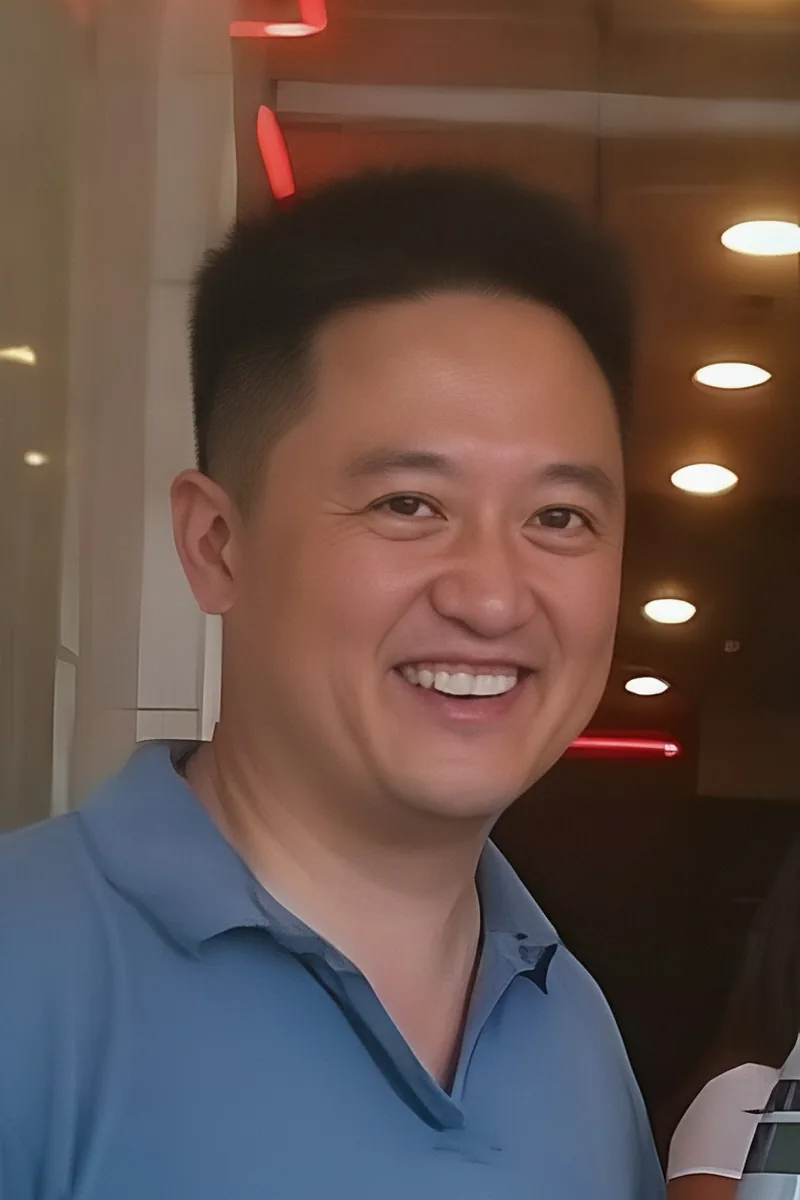
The CLEP Natural Sciences exam spans everything from cellular respiration and genetics to plate tectonics and astronomical concepts — a breadth that trips up students who only studied one discipline. Andrew's molecular biology degree and his experience teaching AP Biology, AP Chemistry, AP Physics, and geology means he can tackle both the biological and physical science halves without glossing over the details. Rated 4.8 by students.
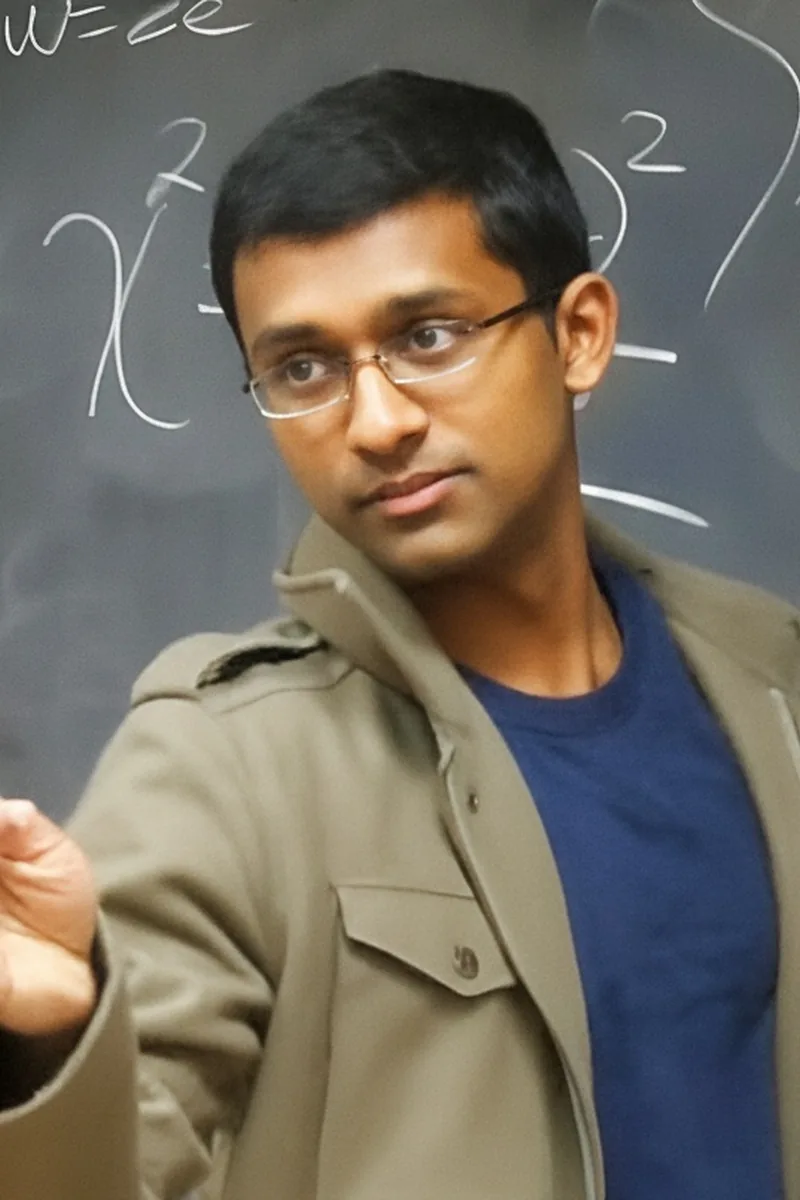
Few tutors match Rithi's range across the CLEP Natural Sciences exam, which spans biology, chemistry, physics, and earth science in a single test. She holds a neuroscience degree and a master's in biotechnology, and she actively tutors AP Biology, AP Chemistry, and high school physics — covering the exact content domains this exam draws from. Her 4.9 rating speaks to how effectively she translates that breadth into focused test prep.
Covering everything from cellular respiration to plate tectonics in a single exam, the CLEP Natural Sciences test demands breadth more than depth. Madhura's master's in chemistry and her experience teaching biology, physics, and life sciences mean she can walk through both the biological and physical science halves without switching tutors. She zeroes in on the high-frequency topics — energy transfer, classification, atomic structure — so study time actually moves the needle.
Samantha's psychology and neuropsychology studies at Princeton give her a solid handle on the biological science half of the CLEP Natural Sciences exam — evolution, genetics, and ecology all overlap with her coursework. She also tutors AP Chemistry and multiple math subjects, which means the physical science questions on atomic structure and energy concepts aren't unfamiliar territory either. Rated 4.9 by students, she builds targeted review plans around the specific content areas where each student's gaps are widest.
A triple science degree holder with deep coursework in neuroscience, biology, and chemistry, Arianna is unusually well-matched for the CLEP Natural Sciences exam, which spans both biological and physical science content. She unpacks everything from cellular respiration and genetics to atomic structure and thermodynamics, tailoring review sessions to whichever half of the exam needs more attention.
Jacquelyn's teaching background spans AP Biology, earth science, and anatomy & physiology — three of the content areas the CLEP Natural Sciences exam draws from most heavily on its biological science half. She uses that cross-disciplinary experience to connect topics like cell structure, ecology, and geological processes into a coherent review rather than isolated memorization lists. Her 4.9 rating from students reflects steady results across the wide range of subjects she teaches.
Biology is Daiven's home turf — he's pursuing his B.S. in the field at Wofford College — and that deep familiarity with cellular biology, genetics, and ecology covers roughly half the CLEP Natural Sciences exam. He also tutors earth science and chemistry, so he can walk students through the physical science portions covering atomic structure, thermodynamics, and geological processes without skipping a beat.
Covering everything from cell biology and genetics to earth science and ecology, the CLEP Natural Sciences exam is unusually broad — and Patrick's background maps directly onto it. His PhD in Cellular and Molecular Biology anchors the life science half, while his teaching across chemistry, environmental science, and anatomy gives him the range to walk students through the physical science concepts as well.
The CLEP Natural Sciences exam spans biology and physical science at an introductory level, testing conceptual understanding more than calculation. Alexandra's experience tutoring both elementary and middle school science gives her practice at explaining topics like cell biology, ecosystems, and basic physics in clear, accessible language — exactly the level of understanding this exam demands.
Because the CLEP Natural Sciences exam spans biology, chemistry, physics, and earth science in one sitting, students need someone who can move fluidly across disciplines. Sam's molecular biology degree and ongoing biochemistry Ph.D. at Drexel anchor the life-science half of the test, and he teaches students to use process-of-elimination strategies on the physical science questions where content knowledge might be thinner.
This is where Michelle's background lines up perfectly — the CLEP Natural Sciences exam spans biology, chemistry, physics, and earth science, and she teaches all of them. She unpacks everything from cellular respiration and genetics to atomic structure and plate tectonics, tailoring review sessions to whichever half of the exam a student finds most challenging. Rated 4.9 by students.
Covering everything from cell biology and evolution to earth science and basic chemistry, the CLEP Natural Sciences exam rewards breadth over depth — but you still need to understand key mechanisms, not just vocabulary. Katherine teaches across molecular biology, developmental biology, geology, and earth science, so she can walk students through topics like plate tectonics, ecological cycles, and cellular respiration with real comprehension. Her approach targets the specific reasoning skills the exam tests, especially interpreting diagrams and experimental scenarios.
I'm passionate about helping students achieve their goals in math and science. With experience studying and conducting published research in physics, I've spent a lot of time learning and working with the content, and I'd love to share my passion for these subjects with you.
Testimonials
Because the right CLEP Natural Sciences tutor makes all the difference.
Average Session Rating – Based on 3.4M Learner Ratings
Top 20 Test Prep Subjects


Top 20 Subjects
Frequently Asked Questions
The exam covers biology, chemistry, and physics, but students typically struggle most with chemistry concepts like stoichiometry, equilibrium, and thermodynamics, as well as physics topics involving kinematics and energy. Biology sections on cellular respiration and genetics also trip up many test-takers. A tutor can identify which of these three disciplines is your weakest area and focus intensive practice there, since the exam weights all three equally.
You have 90 minutes for 120 questions, giving you roughly 45 seconds per question—not much time to second-guess yourself. Many students waste time on difficult questions early on and rush through easier ones at the end. A tutor can teach you to flag challenging questions, complete easier ones first, and return to harder material if time allows. Practice tests under timed conditions are essential to building the stamina and rhythm needed to finish strong.
Review your practice test results by question type and topic—if you consistently miss questions on a specific concept like acid-base chemistry or photosynthesis, that's a conceptual gap that needs targeted review. If you miss similar questions across different topics or get careless errors on straightforward problems, it's likely a pacing or focus issue. A tutor can analyze your error patterns to distinguish between the two and address the root cause rather than just drilling more problems.
CLEP Natural Sciences includes questions based on experimental setups and data tables that require you to interpret results and draw conclusions—skills that aren't always taught the same way as traditional problem-solving. A tutor can walk you through how to read graphs, identify variables, predict outcomes, and spot common experimental design flaws. Practicing with real lab scenarios and sample data helps you recognize patterns and avoid misinterpreting what the numbers actually show.
Most students have a stronger background in one discipline—say, biology from high school—but weaker in chemistry or physics. Rather than spending equal time on all three, a tutor can help you allocate study time strategically: maintain your strength in your best area with lighter review, dedicate significant time to your weakest discipline, and use your stronger subject as a confidence builder. This approach maximizes your overall score without wasting time on material you already know well.
The exam expects you to know key formulas like the ideal gas law, kinetic energy, and basic stoichiometry calculations, but you won't need to memorize every obscure equation. A tutor can help you focus on the formulas that appear frequently across questions and teach you how to derive or reason through others from first principles. Understanding *why* a formula works and when to apply it matters far more than rote memorization.
Score gains depend on where you're starting and how much you study. Students who begin with significant conceptual gaps in one or two disciplines often see 30-50 point improvements over 4-8 weeks of focused tutoring combined with consistent practice. Those closer to their target score may see smaller but meaningful gains by refining test-taking strategy and eliminating careless errors. A tutor can assess your starting point and give you a realistic timeline based on your specific weaknesses.
Test anxiety often stems from feeling unprepared for the specific format and timing of the exam, not from lacking knowledge. A tutor can build your confidence through repeated exposure to realistic practice tests, helping you recognize that you *can* solve these problems under pressure. They can also teach you concrete pacing strategies—like which questions to skip, how to manage your mental energy, and how to stay calm when you encounter unfamiliar question types—so you walk into test day feeling ready rather than panicked.
Let’s find your perfect tutor
Answer a few quick questions. We’ll recommend the right plan and match you with a top 5% tutor.