Award-Winning CLEP Biology
Tutors
CLEP Biology
Tutors
Private 1-on-1 tutoring, weekly live classes for academic support, test prep & enrichment, practice tests and diagnostics, and more to elevate grades and test scores.
Based on 3.4M Learner Ratings
UniversitiesSchools & Universities
DeliveredHours Delivered
ProficiencyGrowth in Proficiency
Who needs tutoring?
No obligation. Takes ~1 minute.
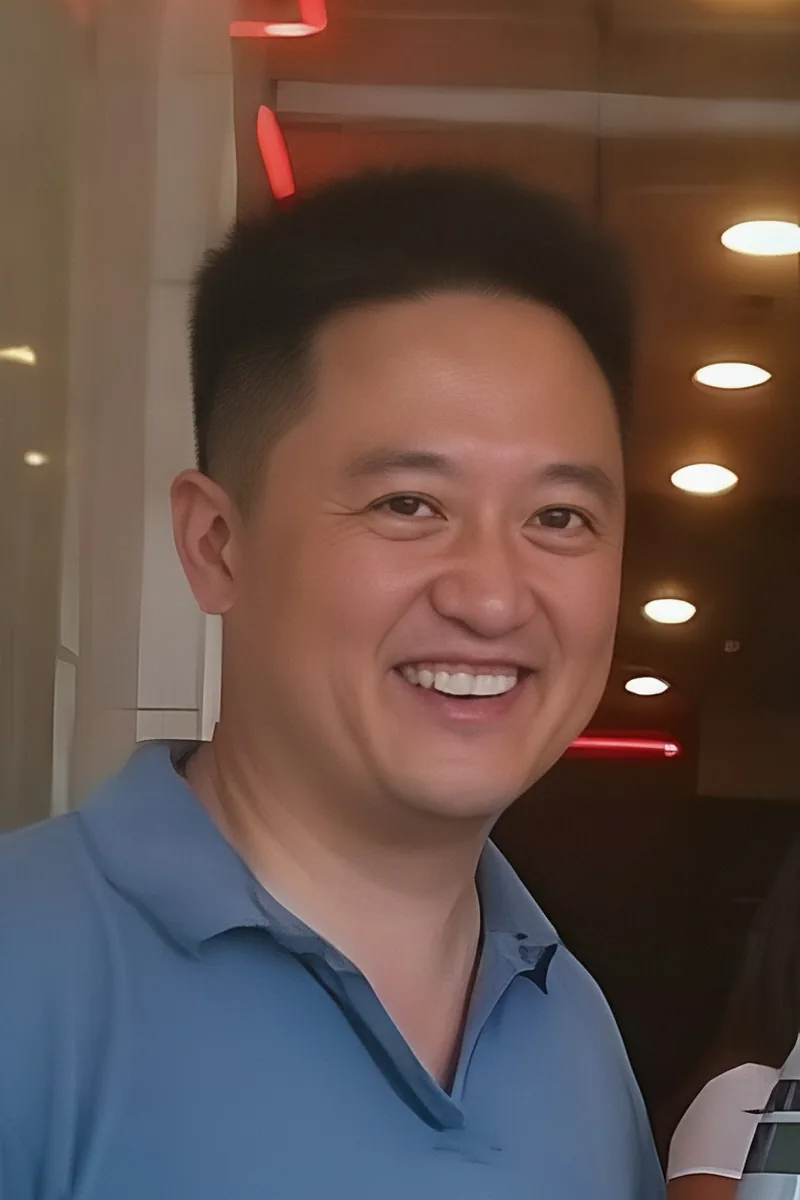
Molecular biology was Andrew's undergraduate focus, so the CLEP Biology exam's emphasis on cellular processes, DNA replication, Mendelian genetics, and ecological systems maps directly onto material he studied in depth. He unpacks the exam's trickiest conceptual areas — like distinguishing between types of selection or tracing energy flow through metabolic pathways — in ways that stick beyond test day.
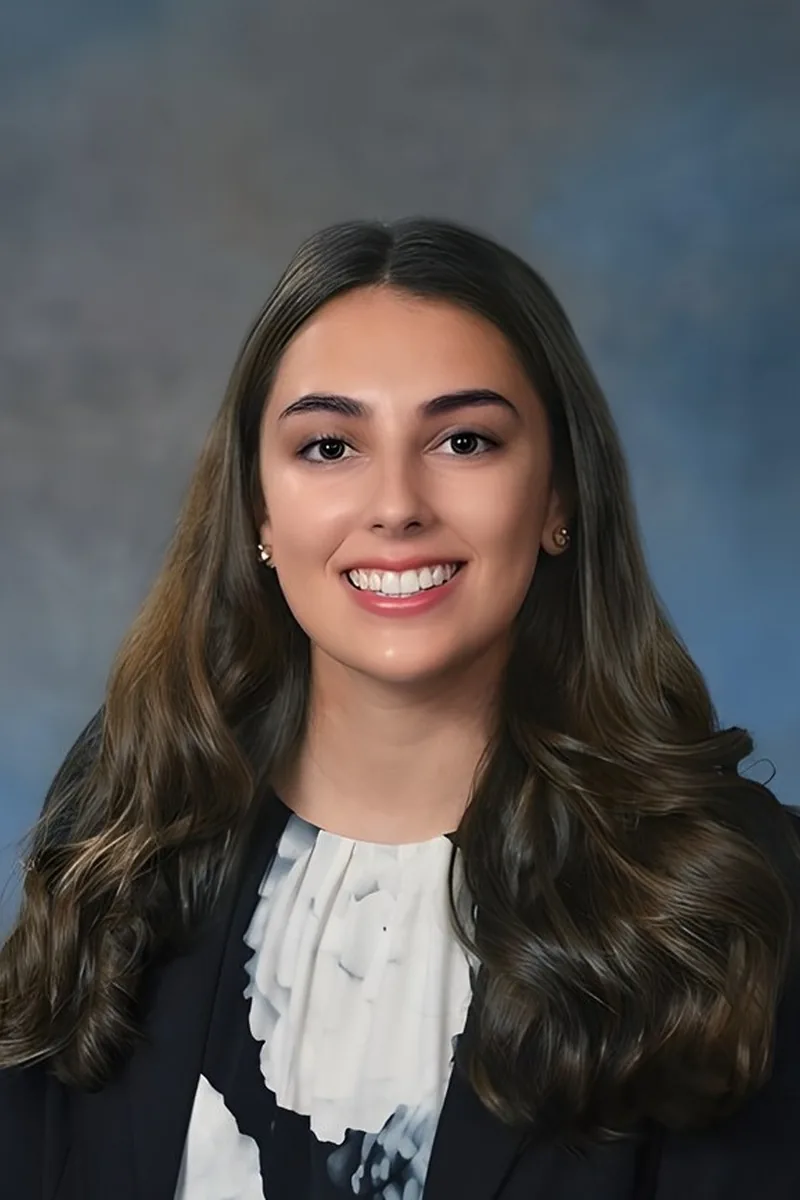
Few tutors bring the biological depth that a medical student with a biology degree can offer for the CLEP Biology exam. Amanda connects molecular genetics, cell biology, ecology, and evolution into a coherent framework — the same integrated thinking her medical training demands — so students understand how topics relate instead of memorizing isolated facts.
Between her neuroscience bachelor's, biotechnology master's, and current medical school training, Rithi has lived the biology this exam covers — from cell division and molecular genetics to ecology and evolutionary biology. She tutors AP Biology, molecular biology, and cell biology individually, which means she can diagnose exactly which CLEP content areas a student needs to prioritize. Her approach ties memorization-heavy topics like taxonomy and metabolic pathways to underlying mechanisms that make them easier to retain.
Biomedical engineering at UCLA means Chris lives in biology daily — cell signaling, molecular genetics, and organismal physiology are baked into his coursework. He breaks CLEP Biology content into the high-yield topic clusters that actually appear on the exam, so students spend their prep time where it counts. He also passed the AP Biology exam with a 5, giving him a clear map of the conceptual overlap.
Earning college credit through CLEP Biology requires command of everything from cellular respiration pathways to ecology and evolutionary principles, all under time pressure. Cassandra holds a B.S. in Biology and zeroes in on the high-frequency topics — molecular biology, genetics, and organ system physiology — that make up the bulk of the exam.
Earning CLEP Biology credit means demonstrating college-level knowledge of molecular biology, genetics, ecology, and organismal diversity — all in 115 questions. Madhura teaches cell biology, molecular biology, evolutionary biology, and zoology, giving her real command of the topics the exam weights most heavily. She unpacks tricky areas like signal transduction and Hardy-Weinberg equilibrium using diagrams and analogies that actually stick on test day.
The CLEP Biology exam compresses two semesters of college bio into one test covering molecular biology, genetics, ecology, and organismal diversity. Robin's bachelor's in biology and master's in medicine mean she's revisited these topics at increasing depth for years — she knows which cellular processes and evolutionary concepts the exam emphasizes most heavily. She connects the memorization-heavy sections like taxonomy and metabolic pathways to underlying principles that make them easier to retain.
A psychology major studying neuropsychology at Princeton, Samantha regularly engages with molecular biology, genetics, and cellular processes that overlap heavily with the CLEP Biology exam. She connects topics like DNA replication, ecology, and organismal biology to memorable real-world examples, which makes the sheer volume of content far more manageable. Her teaching background in evolutionary biology adds extra depth to the ecology and evolution sections.
Preparing for the CLEP Biology exam means covering everything from cellular respiration and DNA replication to ecology and organismal biology in a compressed timeline. Jasmine's pre-med coursework at UT Austin and her psychology background give her deep familiarity with molecular biology, genetics, and human physiology — the sections that trip up most test-takers. She builds targeted review sessions around the specific content areas where each student needs the most ground.
Arianna's neuroscience degree required mastering the cellular and molecular biology that makes up a significant portion of the CLEP Biology exam — from signal transduction and membrane transport to genetics and neural development. That foundation, combined with her broader coursework in cell biology and chemistry, means she can walk students through both the micro-level processes and the organismal and ecological concepts the test covers. Rated 4.8 by students.
Psychology majors often underestimate how much biology they already know — Anuj's coursework covered neuroscience, genetics, and cellular mechanisms that overlap directly with major CLEP Biology content areas. He approaches the exam's molecular and ecology questions by building on that behavioral-science foundation, making concepts like signal transduction and population dynamics click through familiar frameworks. Rated 4.8 by students.
A biology degree and medical school training mean Kaitlyn doesn't just recall CLEP Biology content — she understands how cell biology, genetics, ecology, and evolution interconnect at a level that makes explaining any single topic faster and clearer. She zeroes in on the high-frequency exam topics like Mendelian inheritance, photosynthesis pathways, and taxonomy to maximize score gains in limited prep time.
Scoring well on CLEP Biology means being comfortable with everything from molecular genetics to ecosystem dynamics in a single sitting. Jacquelyn's teaching spans AP Biology, anatomy and physiology, and IB Biology, so she can zero in on the cellular respiration pathways or Mendelian genetics problems a student actually finds confusing rather than re-covering material they already know. She also builds in practice with the exam's diagram-heavy question style.
Cornell's Biological Sciences program gave Jared rigorous training across the exact domains the CLEP Biology exam tests — molecular biology, genetics, ecology, and organismal diversity — plus TA experience lecturing undergraduates through introductory science material. He knows how to distill a full year of college bio into the concepts that actually drive exam questions, from cellular energetics to inheritance patterns. Rated 4.8 by students.
Covering everything from molecular biology to population ecology in a single exam, the CLEP Biology test rewards breadth and efficient recall. Ian's honors biology coursework at UIUC maps directly onto the exam's content areas — cellular energetics, heredity, organismal diversity — and his pharmaceutical internship experience reinforces the applied biochemistry questions that trip up many self-studiers.
Earning college credit through the CLEP Biology exam requires command of everything from cellular respiration and DNA replication to population ecology and evolutionary mechanisms. Don is completing a biochemistry degree at UT Austin with a 4.0 GPA, so he breaks down molecular and organismal biology with the kind of depth that turns shaky recall into genuine understanding. He pinpoints which high-yield topics deserve the most study time so nothing gets wasted.
The CLEP Biology exam covers everything from cellular respiration and genetics to ecology and evolutionary theory — essentially two semesters compressed into one test. Mike's biology minor, chemistry minor, and ongoing medical education mean he can unpack topics like DNA replication, enzyme kinetics, and population dynamics with the depth the exam requires rather than surface-level review.
Patrick earned his PhD studying cellular and molecular biology at the research level, so the CLEP Biology exam's coverage of cell structure, genetics, ecology, and organismal biology sits squarely in his wheelhouse. He digs into the topics that trip up most test-takers — like distinguishing mitosis from meiosis or tracing energy through metabolic pathways — and ties them to real experimental contexts that make the material stick. Holds a 5.0 rating.
Passing the CLEP Biology exam means demonstrating college-level command of everything from molecular genetics to ecology in a single test. Katharine digs into the highest-yield topics — DNA replication, Mendelian and population genetics, cellular energetics — and teaches students how to distinguish between the closely worded answer choices that trip up most test-takers.
Earning a B.S. in Molecular Biology and then diving into a Biochemistry Ph.D. at Drexel means Sam has covered CLEP Biology content — cell structure, genetics, ecology, evolution — at both the introductory and advanced levels. He pinpoints which high-yield topics the exam emphasizes most heavily, like cellular respiration pathways and Mendelian inheritance patterns, so study time is spent where it actually moves the score.
Few tutors are better matched to the CLEP Biology exam than someone with a B.S. in Biology who also teaches AP Bio, cell biology, molecular biology, microbiology, and genetics. Michelle digs into the high-yield topics — DNA replication, Mendelian inheritance, ecological energy flow, and cellular respiration — and shows students how to distinguish between the closely worded answer choices the exam is known for. Rated 4.9 by students.
The CLEP Biology exam spans molecular biology, genetics, ecology, and organismal diversity — roughly two semesters of introductory bio compressed into 115 questions. Lovepreet teaches across nearly every branch of biology, from cell biology and molecular genetics to evolutionary biology and plant biology, so she can address weak spots without skipping over entire content areas. She zeroes in on the conceptual connections between topics, like how DNA replication ties into both genetics and cell division questions.
I am a law student, but I took an unusual route to get there. I used to attend medical school but had a change of heart in my career path. Part of this was due to my political science major (double major with biology) in college as well as a number of Spanish and other courses that I took. Tutoring is something, I feel, that has come naturally to me, even back to my high school days. My goal is to help you learn as much as you can and reach your true potential. I will work hard to make sure that this happens, as long as you put in the work, too! We will work together to tailor your learning experience to your needs.
The CLEP Biology exam crams an entire year of introductory college bio into one test, covering everything from cellular respiration to population genetics to plant structure. Steven's BS in Biology means he doesn't just review flashcard-level definitions — he explains the underlying mechanisms so that unfamiliar question formats don't throw students off. His 5.0 rating speaks to how well that approach translates to actual score gains.
Every major topic on the CLEP Biology exam — cell structure, genetics, ecology, evolution — is territory Susan covered extensively while earning her biochemistry degree. She unpacks complex processes like cellular respiration and DNA replication by tracing each step logically, which turns dense material into something students can recall under timed conditions.
I have eight years of experience teaching and tutoring Science, Math, and English to students ranging from middle school to college. I graduated with my PhD in Molecular Biology/Microbiology in 2020 from Wayne State University. During my graduate studies I taught undergraduate Introductory Biology Labs. I also served as a lead lecturer for Microbiology for one semester. Prior to graduate school, I received my BSc in Biology from University of Michigan, Dearborn in 2014. During my undergraduate studies, I tutored peers primarily in Biology and English courses. I also taught swim lessons to children of all ages for 5 years. I have worked with several ESL students, especially in English, Reading, and Writing. I also worked extensively with a peer who was visually impaired, which allowed me to come up with creative teaching strategies, such as building a cardboard model of a cell instead of looking at a cell through a microscope. Additionally, I have a 4-year old son with autism, have a deep understanding of his learning struggles, and have learned a wide variety of strategies to help him learn at his full potential. Thank you for taking the time to read about by background; I am excited to begin working with you!
Passing the CLEP Biology exam means juggling molecular biology, genetics, ecology, and organismal diversity in a single sitting. Kara zeroes in on the high-yield areas — cellular respiration, DNA replication, and evolutionary mechanisms — while building enough context in ecology and plant biology that those questions don't become easy points lost. She also teaches the diagram-interpretation skills the exam quietly demands.
Passing the CLEP Biology exam means demonstrating college-level understanding of molecular biology, genetics, ecology, and organismal systems in a timed setting. Emyli holds a B.S. in Biomedical Sciences, so the content overlaps heavily with material she's already mastered — she pinpoints the specific areas where a student's gaps are and drills those rather than re-teaching an entire introductory course.
Testimonials
Because the right CLEP Biology tutor makes all the difference.
Average Session Rating – Based on 3.4M Learner Ratings
Top 20 Test Prep Subjects

Top 20 Subjects
Frequently Asked Questions
Students typically find cellular respiration, photosynthesis, and genetics the most challenging topics on CLEP Biology. The energy pathways in cellular respiration (glycolysis, Krebs cycle, electron transport chain) require understanding both the chemical processes and their energy yields, which many students find abstract. Additionally, Mendelian genetics and inheritance patterns often trip up test-takers because they demand both conceptual understanding and problem-solving skills. Evolution and ecology questions also challenge students because they require integrating multiple concepts rather than isolated memorization.
The CLEP Biology exam has 60 questions in 90 minutes, giving you roughly 1.5 minutes per question—but you'll want to spend that time strategically. Start by quickly scanning all questions and answering the straightforward recall questions first (like identifying organelle functions or basic definitions), then tackle the more complex conceptual questions that require deeper analysis. Save diagram-based questions and scenario problems for last so you have adequate time to work through them carefully. Many students benefit from flagging 3-4 challenging questions during their first pass and returning to them if time permits, rather than getting stuck early.
CLEP Biology heavily features diagrams of cellular structures, metabolic pathways, and ecological relationships—and simply memorizing labels isn't enough. A tutor can help you practice interpreting unlabeled diagrams, predicting how changes in one part of a system affect others (like how blocking the electron transport chain impacts ATP production), and connecting visual representations to underlying biological concepts. Working through practice questions that ask you to analyze diagrams rather than just identify them will build the visual reasoning skills the exam requires.
Genetics on CLEP Biology requires both understanding inheritance patterns and applying that knowledge to multi-step problems involving Punnett squares, test crosses, and probability. Start by solidifying your grasp of dominant/recessive alleles and basic Mendelian crosses, then progress to more complex scenarios like incomplete dominance, codominance, and sex-linked traits. A tutor can help you develop a systematic approach to genetics problems—identifying what you know, determining which inheritance pattern applies, and working through the math—rather than trying to memorize answer patterns. Practicing 15-20 varied genetics problems until the approach becomes automatic will significantly boost your confidence on test day.
Cellular respiration confuses many students because it involves multiple stages with different inputs, outputs, and energy yields—but breaking it into digestible chunks helps. Focus first on understanding what each stage accomplishes: glycolysis produces 2 ATP and 2 NADH, the Krebs cycle extracts electrons and produces some ATP, and the electron transport chain uses those electrons to generate the bulk of ATP (around 32-34). A tutor can help you connect these stages conceptually by showing how each one prepares molecules for the next step, rather than treating them as separate processes. Practice questions that ask you to predict what happens when specific molecules are blocked or unavailable will deepen your understanding beyond memorization.
Test anxiety often stems from uncertainty about whether you truly understand concepts or just think you do. A tutor can build your confidence by using practice tests and timed quizzes to identify your actual weak spots, then targeting those areas with focused instruction—so you know exactly what you've mastered and what still needs work. Regular practice under timed conditions (simulating the 90-minute exam) also reduces anxiety on test day because the format becomes familiar. Additionally, a tutor can teach you specific strategies for managing stress during the exam, like how to quickly move past difficult questions without spiraling, which helps you maintain focus and perform at your best.
Score improvement depends heavily on your starting point and the effort you invest. Students who begin with significant gaps in foundational biology concepts and commit to 8-12 weeks of consistent tutoring typically see improvements of 10-20 points on the CLEP scale (which ranges from 20-80). Those starting from a stronger foundation may see more modest gains but often achieve the passing score they need more efficiently. The key is identifying your specific weak areas early—whether that's genetics, physiology, or test-taking strategy—and addressing them systematically rather than trying to review everything broadly.
An effective CLEP Biology tutor should have deep knowledge of biology concepts and, ideally, specific experience helping students prepare for the CLEP exam—they understand which topics appear frequently, how questions are typically phrased, and where students commonly stumble. Beyond subject expertise, they should be skilled at diagnosing exactly where your understanding breaks down (Is it the concept itself? The application? The test format?) and adjusting their teaching accordingly. Experience with timed practice tests and test-taking strategy is also valuable, as is the ability to explain complex processes like cellular respiration or photosynthesis in multiple ways until one clicks for you.
Let’s find your perfect tutor
Answer a few quick questions. We’ll recommend the right plan and match you with a top 5% tutor.