Award-Winning Japanese Tutors
serving Pittsburgh, PA
Japanese
Tutors in Pittsburgh
Private 1-on-1 tutoring, weekly live classes for academic support, test prep & enrichment, practice tests and diagnostics, and more to elevate grades and test scores.
Based on 3.4M Learner Ratings
UniversitiesSchools & Universities
DeliveredHours Delivered
ProficiencyGrowth in Proficiency
Who needs tutoring?
No obligation. Takes ~1 minute.

Jacob's degree in East Asian Languages and Civilizations from the University of Chicago means his Japanese instruction is rooted in deep study of the culture, history, and linguistic traditions behind the language. He connects vocabulary and grammar to their cultural logic — explaining why certain verb endings carry social weight or how kanji compounds reflect Chinese origins — giving students a richer understanding than drills alone provide. Rated 5.0 by students.
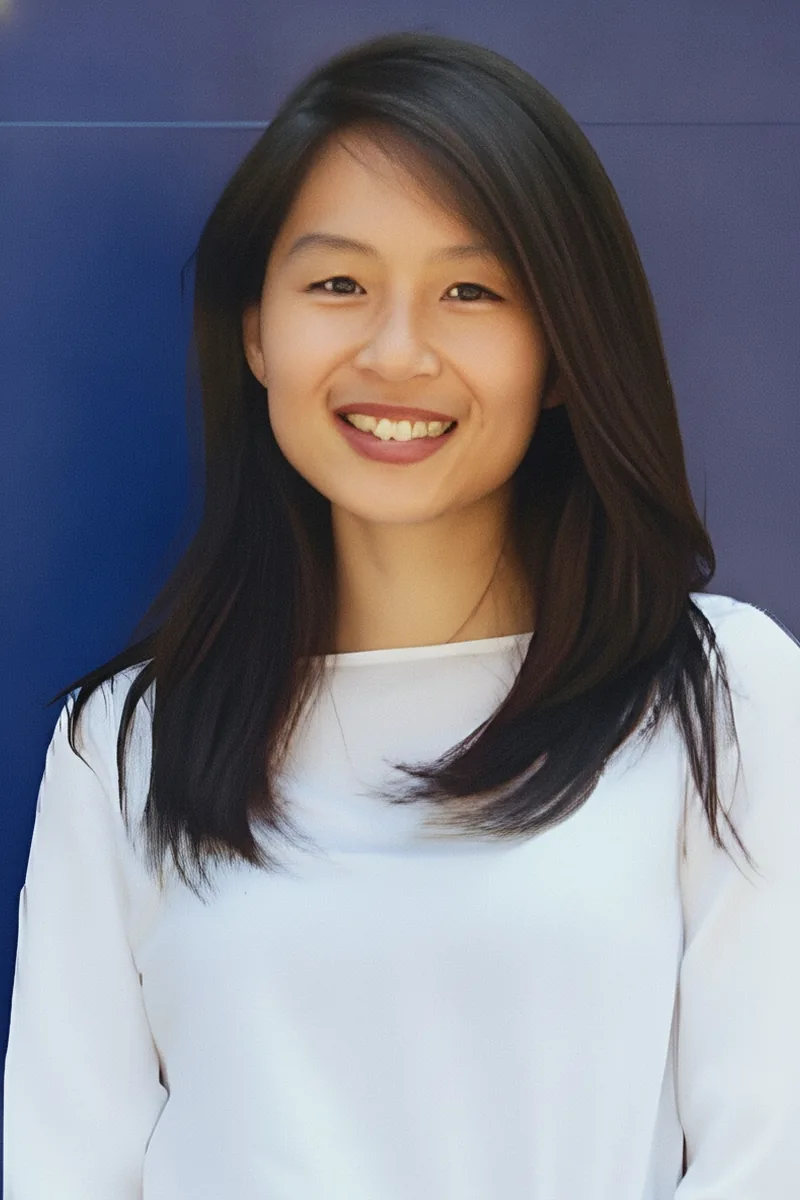
I am open to tutoring in a broad range of subjects, including Algebra, Spanish I/II, ESL and Biology (SAT II, AP, and MCAT).
Studying Japanese as a minor at Columbia — with plans to eventually work in Japan's renewable energy sector — Shin uses the language as a living tool, not just a classroom exercise. He teaches everything from hiragana and katakana basics to intermediate grammar patterns like ~てしまう and ~ことにする, adjusting to each student's level and building real conversational confidence alongside written accuracy.
Damien studied Asian studies at Cornell, where Japanese language and culture were central to his coursework. He approaches the language by grounding grammar patterns — particles like は versus が, verb conjugation groups, and sentence-ending forms — in real context so they stick. Rated 5.0 by students, he makes the jump from textbook exercises to actual comprehension feel manageable.
Zhaleh is actively studying Japanese at Carnegie Mellon University, which means she's navigating the same kanji memorization strategies, grammar particle distinctions, and reading comprehension challenges her students face. She breaks down tricky structures like て-form conjugations and は vs. が usage in ways that make the logic behind the language click.
I'm a student at Brown University with an eclectic set of interests. I am trilingual, analytical, and creative and look forward to tutoring you! :)
Darin brings an analytical learner's perspective to Japanese, tackling the language's grammar patterns and writing systems with the same systematic approach he applied to his scientific training. For students working through hiragana, katakana, kanji recognition, or verb conjugation, he offers structured methods that make consistent progress feel achievable.
Having completed an Asian Languages minor at UCLA, Abrahim brings formal training in Japanese grammar, kanji acquisition, and reading comprehension to his tutoring. He approaches the language methodically — building from particle usage and verb conjugation patterns up to reading authentic texts — which works especially well for students who want structure rather than immersion-only learning.
Emily minored in Japanese at Texas A&M and continues to engage with the language through media and self-study. She teaches hiragana, katakana, and foundational grammar patterns like particle usage with the same structured approach she applies to her other languages, making the writing systems feel systematic rather than overwhelming.
Linguistics training gives Andrew a structural advantage when teaching Japanese — he understands how languages build meaning differently, which matters when explaining why particles replace prepositions or why verbs land at the end of every sentence. His background in Korean and German means he's personally navigated multiple grammar systems far removed from English, and he applies that comparative instinct to make Japanese word order and conjugation feel logical rather than arbitrary.
As a dedicated language tutor with several years of experience, I bring both expertise and enthusiasm to every lesson. I specialize in Chinese, Japanese, and basic Arabic, and I have had the privilege of guiding students of diverse ages and backgrounds through their language-learning journeys.
Learning Japanese means juggling three writing systems, honorific levels, and grammar that works nothing like English — and Karen tackles all of it from firsthand experience using the language abroad. Whether a student is memorizing their first hundred kanji or practicing particle usage in complex sentences, she builds each lesson around practical communication skills.
As an Asian Studies major at Duke, Caitlin engages with Japanese language in an academic context that goes beyond textbook dialogues — she understands how kanji, hiragana, and katakana each function within the writing system and why particles like は and が trip up English speakers. She walks through sentence structure and honorific levels with cultural context that makes the grammar patterns memorable.
During his final summer at NYU, William traveled to Japan to study the language alongside traditional music and wartime film, grounding his Japanese in real cultural context. That immersive experience means he connects vocabulary and grammar to the situations where they're actually used — from reading signs and menus to discussing historical texts. He's especially strong at bridging the gap between textbook Japanese and how the language sounds in practice.
Testimonials
Because the right Japanese tutor makes all the difference.
Average Session Rating – Based on 3.4M Learner Ratings
Other Pittsburgh Tutors
Related Languages Tutors in Pittsburgh
Frequently Asked Questions
Your first session is an opportunity to discuss your current level, learning goals, and any specific challenges you're facing—whether that's verb conjugation, kanji recognition, or conversation confidence. The tutor will assess your strengths in reading, writing, speaking, and listening, then create a personalized plan tailored to your needs and timeline. This foundation helps ensure every session after builds on what works best for you.
In a classroom setting, students often get limited speaking time. With personalized 1-on-1 instruction, you have dedicated time to practice conversation, receive real-time feedback on pronunciation and accent, and build confidence speaking without the pressure of peers. Your tutor can adjust the difficulty level and topics to match your interests, making speaking practice engaging and effective rather than intimidating.
The most effective approach combines both. Understanding grammar rules gives you a framework for constructing sentences correctly, while natural usage—through conversation, listening to native speakers, and cultural immersion—helps you internalize how Japanese actually sounds and flows. A skilled tutor balances explicit instruction in grammar with plenty of real-world application so you're not just memorizing rules but developing actual fluency.
Spaced repetition and active retrieval practice are proven methods—reviewing vocabulary at increasing intervals and testing yourself rather than just re-reading. Personalized tutoring incorporates these techniques alongside contextual learning, where new words are practiced in sentences and conversations relevant to your life. Your tutor can also help you connect vocabulary to cultural context, which makes words more memorable than isolated memorization.
Kanji mastery requires consistent practice with strategic methods—learning radicals (building blocks), understanding stroke order, and practicing in context rather than isolation. A tutor can prioritize the most useful kanji for your level, teach you efficient recognition and writing techniques, and integrate kanji practice into your reading and writing assignments. Many students find that learning kanji alongside vocabulary and grammar, rather than separately, helps everything stick better.
Language is deeply connected to culture—understanding Japanese customs, communication styles, and cultural references makes the language more meaningful and memorable. Tutors can incorporate cultural immersion into lessons through authentic materials like Japanese media, news, and literature, helping you understand not just what to say but when and why to say it. This approach accelerates both language learning and genuine cultural appreciation.
Look for tutors with native or near-native fluency, teaching experience across multiple proficiency levels, and expertise in the four core skills: reading, writing, speaking, and listening. Ideally, they understand the specific challenges Pittsburgh students face and can adapt to your learning style. Varsity Tutors connects you with experienced Japanese tutors who have proven track records helping students reach their goals, whether that's conversational fluency, test preparation, or cultural proficiency.
Conversational fluency typically requires 600-750 hours of dedicated study according to language learning research. With consistent personalized tutoring—combined with your own practice—many students reach conversational ability in 6-12 months, though the timeline depends on your starting level, frequency of sessions, and effort outside tutoring. Regular speaking practice with a tutor accelerates this process significantly compared to self-study alone.
Let’s find your perfect tutor
Answer a few quick questions. We’ll recommend the right plan and match you with a top 5% tutor.