Award-Winning Japanese Tutors
serving Allentown, PA
Japanese
Tutors in Allentown
Private 1-on-1 tutoring, weekly live classes for academic support, test prep & enrichment, practice tests and diagnostics, and more to elevate grades and test scores.
Based on 3.4M Learner Ratings
UniversitiesSchools & Universities
DeliveredHours Delivered
ProficiencyGrowth in Proficiency
Who needs tutoring?
No obligation. Takes ~1 minute.

Jacob's degree in East Asian Languages and Civilizations from the University of Chicago means his Japanese instruction is rooted in deep study of the culture, history, and linguistic traditions behind the language. He connects vocabulary and grammar to their cultural logic — explaining why certain verb endings carry social weight or how kanji compounds reflect Chinese origins — giving students a richer understanding than drills alone provide. Rated 5.0 by students.
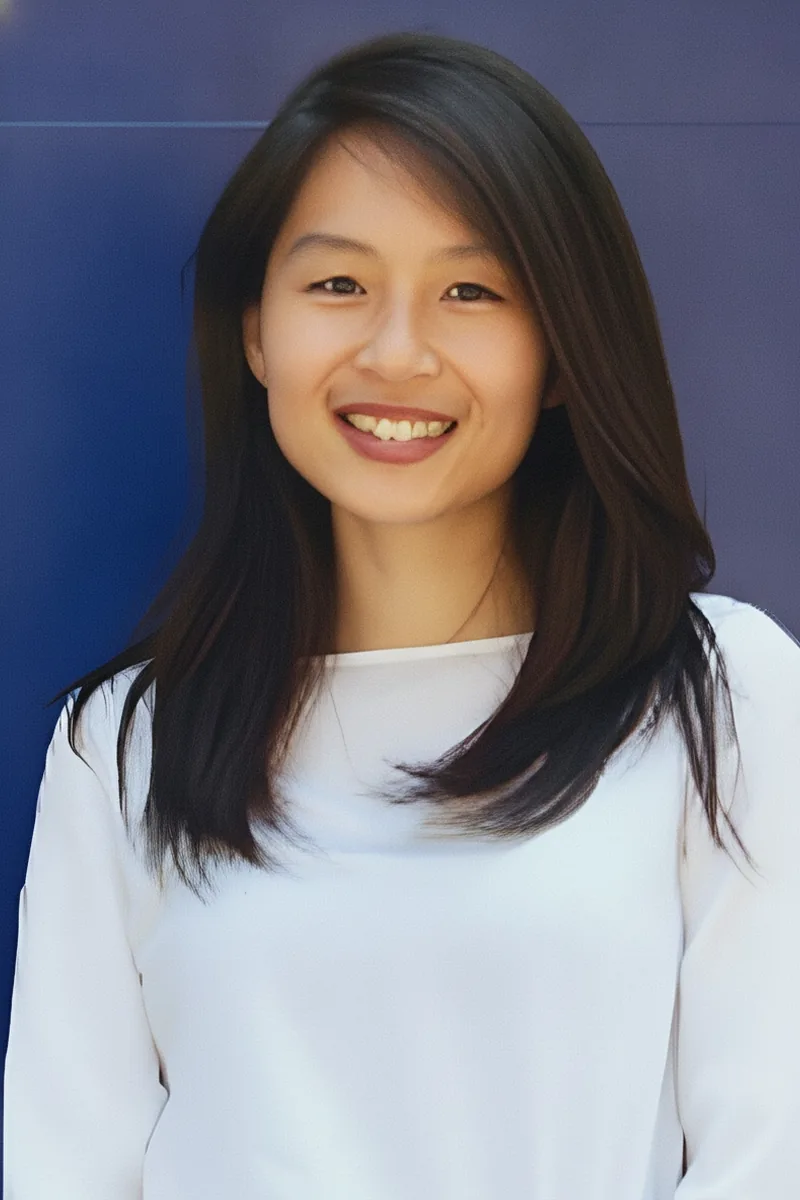
I am open to tutoring in a broad range of subjects, including Algebra, Spanish I/II, ESL and Biology (SAT II, AP, and MCAT).
I am particularly passionate about math as well as standardized test prep. I studied math on a double-accelerated track throughout middle school and high school, covering math from algebra to multivariable calculus. Aside from teaching academic subjects, I am also trained in playing the piano and violin, having taken lessons for piano from the ages of 4 to 18 and playing violin in my school orchestra from 5th to 12th grade. I love working with students to improve their skills in an area of study, and my favorite part is getting to see them gain confidence in themselves and their own abilities!
I am also fluent (reading/listening/writing) in Cantonese and mandarin Chinese because of my upbringing. Half of my childhood education was received in Hong Kong and the other half was in Australia.
Though her degrees are in biology and science education, Sarah lists Japanese among her interests and brings a teacher's instinct for breaking complex systems into learnable parts — useful when students are wrestling with hiragana stroke order or the logic behind particle placement. Her 5.0 rating and four years of classroom teaching mean she knows how to pace a lesson and adjust when something isn't landing.
As a native Japanese speaker who has also worked professionally as an interpreter, Sonya understands both languages from the inside — the particles, sentence-final expressions, and politeness shifts that sound natural versus textbook-stiff. Her bilingual preschool volunteering sharpened her ability to explain concepts at any level, from first encounters with hiragana to nuanced keigo distinctions that even intermediate learners struggle with.
Between his East Asian Studies major at Harvard, his presidency of the Harvard College Japan Initiative, and his work in the Yenching Library's Japanese Collection, Shane lives and breathes Japanese. He reads novels and plays games in Japanese for fun, which means he teaches the language the way it's actually used — from kanji recognition and particle usage to the register shifts that textbooks barely cover.
I would like to work with people who want to advance their Japanese knowledge and capabilities. I have lived for 18 years in Japan and can guide someone through the intricacies of the language. I have certified top level proficiency on the Japan Foundation Japanese Proficiency Test.
Briana minored in Japanese at Michigan State, giving her a grounded understanding of the language's grammar patterns, particle usage, and writing systems — hiragana, katakana, and introductory kanji. She approaches Japanese as someone who learned it systematically in an academic setting, which means she can explain the "why" behind structures that often confuse English speakers.
Learning Japanese means juggling three writing systems, unfamiliar sentence structures, and layers of politeness that don't exist in English. Aki breaks down hiragana, katakana, and basic kanji recognition alongside grammar patterns like particle usage and verb conjugation, building reading and conversational skills in parallel.
Most students learning Japanese hit a wall somewhere between mastering hiragana and actually constructing sentences with particles, verb conjugations, and counters. Kai has been teaching Japanese through the student organization meetings on campus, building lessons that move learners from basic self-introductions to reading short passages and holding simple conversations.
Shona's semester abroad in Seville proved that immersion reshapes how you learn any language — a lesson she carries into teaching Japanese, where she emphasizes building comfort with sentence patterns and particles through active use rather than translation drills. Her AP Japanese Language and Culture tutoring draws on both her structured math-trained thinking and her own experience navigating a second language in real-world settings. Rated 4.9 by students.
I am a current student at the University of Vermont. I am completing two Bachelors in Linguistics and Japanese, and am a researcher for both departments. From high school to the present day I have tutored people my age and younger, and I have experience working with refugee/ELL students; I have collected 2 years of experience. Though I can tutor several subjects, I am most passionate for Japanese, and feel it is my true calling. In my experience helping those who want to learn a foreign language like Japanese, I have found that scaffolding, or building off of, your interests in film, food, literature and culture has a profound and positive effect on your learning. I love education and learning for the sake of learning, and I will soon graduate and plan to teach English in Japan; sharing language and culture is my way of helping others and the world.
I'm back at school at NYU, studying for a more general liberal arts degree.
Testimonials
Because the right Japanese tutor makes all the difference.
Average Session Rating – Based on 3.4M Learner Ratings
Other Allentown Tutors
Related Languages Tutors in Allentown
Frequently Asked Questions
Fluency depends on your starting level and study intensity, but the U.S. Foreign Service Institute estimates approximately 2,200 hours of study to reach professional proficiency in Japanese. With personalized 1-on-1 instruction, you'll progress faster because tutors tailor lessons to your pace and focus on the skills you need most—whether that's conversational ability, reading comprehension, or business communication. Most students see meaningful progress in speaking and listening within 3-6 months of consistent tutoring.
Japanese classrooms in Allentown often emphasize grammar and written work, leaving limited time for actual conversation. Speaking practice is critical because it builds confidence, improves pronunciation, and helps you internalize grammar naturally rather than just memorizing rules. Personalized 1-on-1 instruction gives you dedicated speaking time every session—something you won't get in a classroom of 20+ students—allowing tutors to correct your accent, model natural phrasing, and adjust difficulty in real time.
Japanese verb conjugation is complex because verbs change based on tense, politeness level, and formality—and these patterns don't always follow English logic. Expert tutors break conjugation into manageable chunks, use spaced repetition to reinforce patterns, and show you how grammar works in real conversations rather than just isolated exercises. This approach helps grammar stick because you see why the rules matter, not just what they are.
Vocabulary retention improves dramatically when words are learned in context and used repeatedly across different situations. Tutors use retrieval practice—asking you to recall and use words in conversations, writing, and varied contexts—which strengthens memory far better than flashcard drilling alone. They'll also help you learn kanji and hiragana systematically, connecting new vocabulary to words you already know, so your vocabulary builds as an interconnected system rather than isolated lists.
Japanese language is deeply tied to culture—honorifics, politeness levels, and even sentence structure reflect Japanese social values in ways that English doesn't. Learning cultural context helps you understand not just what to say, but when and how to say it appropriately. Expert tutors weave cultural insights into lessons, showing you how language connects to customs, media, and real-world interactions, which makes learning more engaging and helps you communicate authentically.
Your first session focuses on understanding your goals, current level, and learning style. The tutor will assess your strengths in reading, writing, speaking, and listening, then discuss whether you're preparing for a specific exam, aiming for conversational fluency, or learning for personal interest. From there, they'll design a personalized plan that addresses your priorities—whether that's building speaking confidence, mastering kanji, or preparing for AP Japanese or other assessments.
With 44 schools across Allentown's 8 districts, Japanese programs vary in depth and pacing. Personalized tutoring fills gaps by reinforcing what you're learning in class, providing extra speaking practice your teacher may not have time for, and helping you move ahead if you're progressing quickly. Tutors can also prepare you for AP Japanese exams, standardized proficiency tests, or help you catch up if you've fallen behind—all customized to match your specific school's curriculum and expectations.
Varsity Tutors connects you with tutors who have demonstrated expertise in Japanese language and teaching—many are native speakers, have lived in Japan, hold relevant degrees, or have years of teaching experience. Each tutor is vetted for subject knowledge and teaching ability, ensuring you get instruction from someone who understands both the language deeply and how to teach it effectively to English speakers. You can discuss a tutor's background and teaching approach before your first session to ensure it's the right fit.
Let’s find your perfect tutor
Answer a few quick questions. We’ll recommend the right plan and match you with a top 5% tutor.