Award-Winning AP Latin Tutors
serving Pittsburgh, PA
AP Latin
Tutors in Pittsburgh
Private 1-on-1 tutoring, weekly live classes for academic support, test prep & enrichment, practice tests and diagnostics, and more to elevate grades and test scores.
Based on 3.4M Learner Ratings
UniversitiesSchools & Universities
DeliveredHours Delivered
ProficiencyGrowth in Proficiency
Who needs tutoring?
No obligation. Takes ~1 minute.
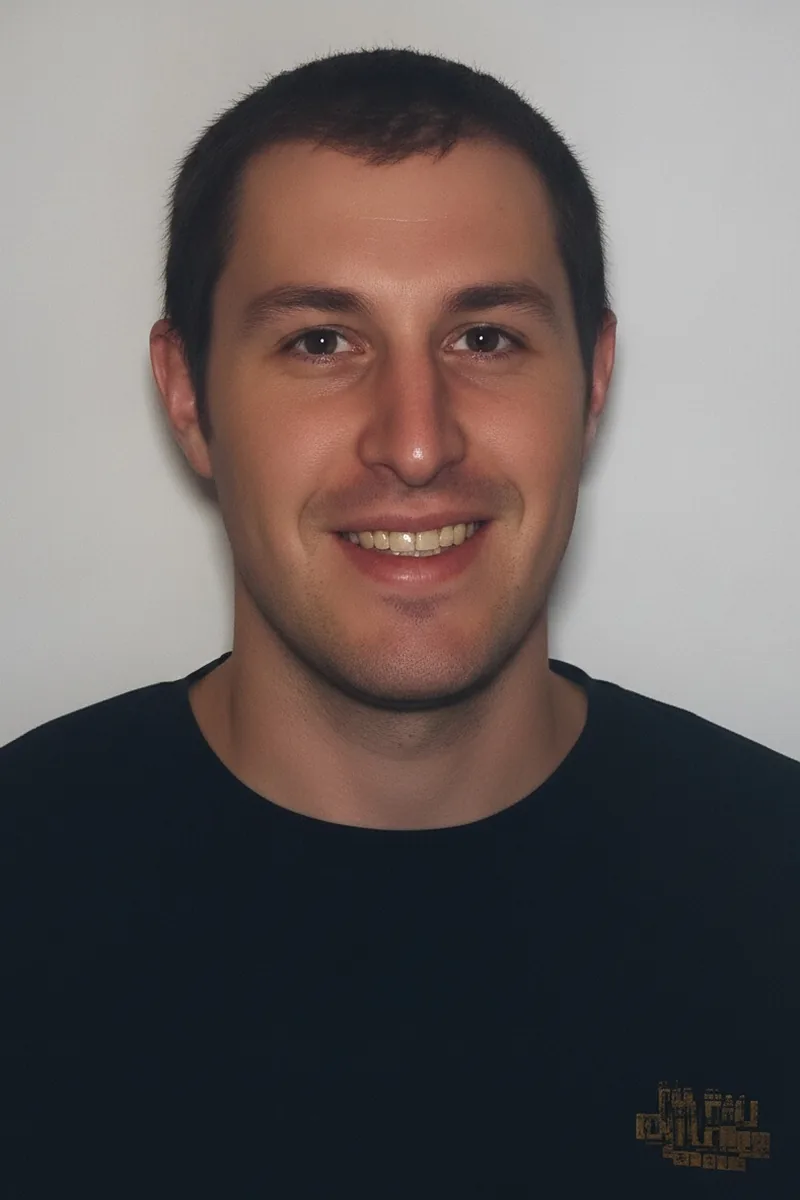
Reading Vergil's Aeneid and Caesar's Bellum Gallicum at AP speed requires more than vocabulary — it means parsing ablative absolutes, indirect discourse, and fear-of-the-subjunctive moments without losing the thread of the narrative. Alex studied Classics as an undergraduate and reads Latin fluently, so he can walk students through both the grammatical architecture and the literary analysis the AP exam demands.

Catherine earned her MA in Latin, which means she's read Caesar and Vergil not just for exams but as the center of her graduate research — the kind of deep textual familiarity that lets her explain why a subjunctive shift matters for meaning, not just how to identify it. She's particularly effective at training students to handle the timed translation passages, where recognizing periodic sentence structure quickly is often the difference between finishing and running out of time. Rated 5.0 by students.
Majoring in both French/Francophone Studies and Linguistics at William & Mary, Tristan brings a linguist's eye to Latin — the kind of cross-language structural awareness that makes it easier to explain why Vergil inverts word order for emphasis or how Caesar's subjunctive clauses signal intent. He's completed Latin through the advanced level and scored a 1590 SAT, reflecting the close-reading precision that pays off on both translation and free-response sections. Rated 5.0 by students.
Katherine's psychology major gives her an unusual angle on the AP Latin essays — when students need to analyze how Vergil manipulates emotion or how Caesar constructs persuasive narratives, understanding human motivation becomes a genuine asset. She's studied Latin and brings that foundation to translation work, though her real strength is coaching the free-response section where rhetorical analysis and clear argumentative writing determine the score.
A Classics degree means Leslie didn't just take Latin — she built her entire undergraduate education around the ancient world, reading the same Vergil and Caesar passages that AP students face on exam day. Her coursework through Latin 4 and AP-level material gives her the grammatical depth to walk through tricky constructions like ablative absolutes and purpose clauses, while her 4.9 rating speaks to how well that knowledge translates into actual tutoring sessions.
While Latin isn't John's primary teaching area, his English and drama training sharpens the close-reading and rhetorical analysis skills that AP Latin's essay and free-response sections demand — particularly when students need to discuss how Vergil or Caesar construct persuasive or dramatic moments in their texts. His experience with literature and writing gives him a practical angle on the interpretive side of the exam.
Having studied Latin through three levels — including AP — Sarah knows firsthand where students get tripped up on the exam's translation and essay demands. Her English degree sharpens the literary analysis side, especially when students need to articulate how Vergil's word order or Caesar's sentence structure creates meaning in free-response prompts. Rated 5.0 by students.
A Reed College Classics degree means Marilyn didn't just study Latin — she lived in the language alongside Ancient Greek, building the kind of cross-linguistic intuition that makes tricky AP constructions like fear clauses and conditions contrary to fact easier to explain from multiple angles. She's especially sharp on Vergil's poetry, where understanding meter and word order simultaneously is half the battle for students tackling sight-reading passages under exam pressure. Rated 4.8 by students.
Rebecca is a Classics major who reads Vergil and Caesar daily as part of her undergraduate coursework — the exact texts the AP Latin exam tests. That immersion, combined with her applied psychology training, means she understands both the Latin on the page and how to adjust her explanations when a student's grasp of something like indirect discourse or scansion isn't solidifying. Rated 5.0 by students.
Philosophy trained Daniel to read dense, argumentative texts with precision — a skill that translates directly to unpacking Caesar's rhetorical strategies and Vergil's syntactic inversions on the AP Latin exam. He's studied Latin through four levels, so he's comfortable with the grammar, but his real edge is teaching students how to construct the kind of tightly reasoned free-response essays that earn top marks. Rated 4.9 by students.
Wyatt's Classics degree means he didn't just dabble in Latin — he built his entire undergraduate education around the ancient world, reading the same Vergil and Caesar passages that dominate the AP exam as part of his daily coursework. That deep textual familiarity pays off when students need to quickly identify how an ablative absolute or a fear clause functions in a real passage rather than a textbook exercise. Rated 5.0 by students.
Translating Vergil and Caesar under AP exam conditions requires more than vocabulary recall; it demands recognizing how ablative absolutes, indirect discourse, and subjunctive clauses reshape meaning in real passages. Meghna digs into the grammar underlying each line so students can parse unfamiliar constructions confidently and write the kind of analytical essays the exam rewards.
Testimonials
Because the right AP Latin tutor makes all the difference.
Average Session Rating – Based on 3.4M Learner Ratings
Practice AP Latin
Free practice tests, flashcards, and AI tutoring for AP Latin
Other Pittsburgh Tutors
Related Languages Tutors in Pittsburgh
Frequently Asked Questions
AP Latin focuses on reading and translating Latin texts, with emphasis on two main authors: Virgil's Aeneid and Livy's Ab Urbe Condita. The course develops skills in grammar, syntax, and cultural context while building the ability to analyze Latin literature. Students also study Roman history, mythology, and society to understand the broader context of the texts they're reading.
The AP Latin exam is 3 hours long and consists of two sections: multiple-choice questions (about 50% of the score) and free-response questions including translation and essay analysis (about 50% of the score). The multiple-choice section tests reading comprehension and grammatical knowledge, while the free-response section requires students to translate unseen passages and write analytical essays about the required texts.
Many students struggle with the pace of reading complex Latin texts and managing the volume of grammar and vocabulary required. The transition from introductory Latin to AP-level material can be steep, especially when analyzing subtle literary devices and cultural nuances. Time management during the exam—balancing careful translation with essay writing—is another common challenge that benefits from targeted practice and strategy.
Most students benefit from preparing throughout the entire school year if they're taking AP Latin as a full course. If you're studying independently or need to catch up, dedicating 3-4 months with consistent weekly study—including regular translation practice and full-length practice exams—can help build the skills needed. The key is steady, focused preparation rather than cramming, since Latin proficiency develops gradually through repeated exposure to texts and grammatical patterns.
Score improvement depends on your starting point and consistency with practice. Students who work with a tutor to target specific weaknesses—whether that's translation speed, essay analysis, or grammar review—typically see meaningful gains within 4-6 weeks of focused study. The national average AP Latin score is around 2.5-3.0, so reaching a 4 or 5 requires strong command of both texts and solid exam strategy, which personalized instruction can help accelerate.
Varsity Tutors connects you with expert tutors in Pittsburgh who specialize in AP Latin and understand the specific demands of the exam. You can describe your goals—whether you're aiming to improve translation skills, strengthen essay writing, or build overall confidence—and get matched with a tutor who fits your needs. Tutors work with you on your schedule and can focus on the areas where you need the most support.
In your first session, a tutor will assess your current level—your translation speed, grammar knowledge, and comfort with the required texts. They'll ask about your goals, any specific challenges you're facing, and what your timeline looks like before the exam. From there, they'll create a personalized study plan that targets your weak areas and builds on your strengths, whether that's intensive translation practice, essay strategy, or comprehensive exam review.
Effective AP Latin practice combines regular translation work with timed full-length exams to build both accuracy and speed. Focus on the required texts first, then move to unseen passages to develop broader reading skills. Spacing out your practice over weeks rather than cramming helps reinforce grammar and vocabulary retention. A tutor can guide you through practice exams, identify patterns in your mistakes, and help you refine your translation and essay-writing strategies before test day.
Let’s find your perfect tutor
Answer a few quick questions. We’ll recommend the right plan and match you with a top 5% tutor.