Award-Winning AP Chinese Language and Culture Tutors
serving Allentown, PA
AP Chinese Language and Culture
Tutors in Allentown
Private 1-on-1 tutoring, weekly live classes for academic support, test prep & enrichment, practice tests and diagnostics, and more to elevate grades and test scores.
Based on 3.4M Learner Ratings
UniversitiesSchools & Universities
DeliveredHours Delivered
ProficiencyGrowth in Proficiency
Who needs tutoring?
No obligation. Takes ~1 minute.

Few AP Chinese tutors can match Chang's combination: he's a native-level Mandarin speaker who has taught the language professionally to Pentagon and State Department employees, university professors, and traditional students alike. He drills the presentational and interpersonal communication tasks the exam requires — story narration, cultural comparison essays, and conversation responses — with attention to the tonal precision and idiomatic phrasing that separate a 4 from a 5. His deep knowledge of Chinese culture also strengthens students' performance on the cultural awareness components.
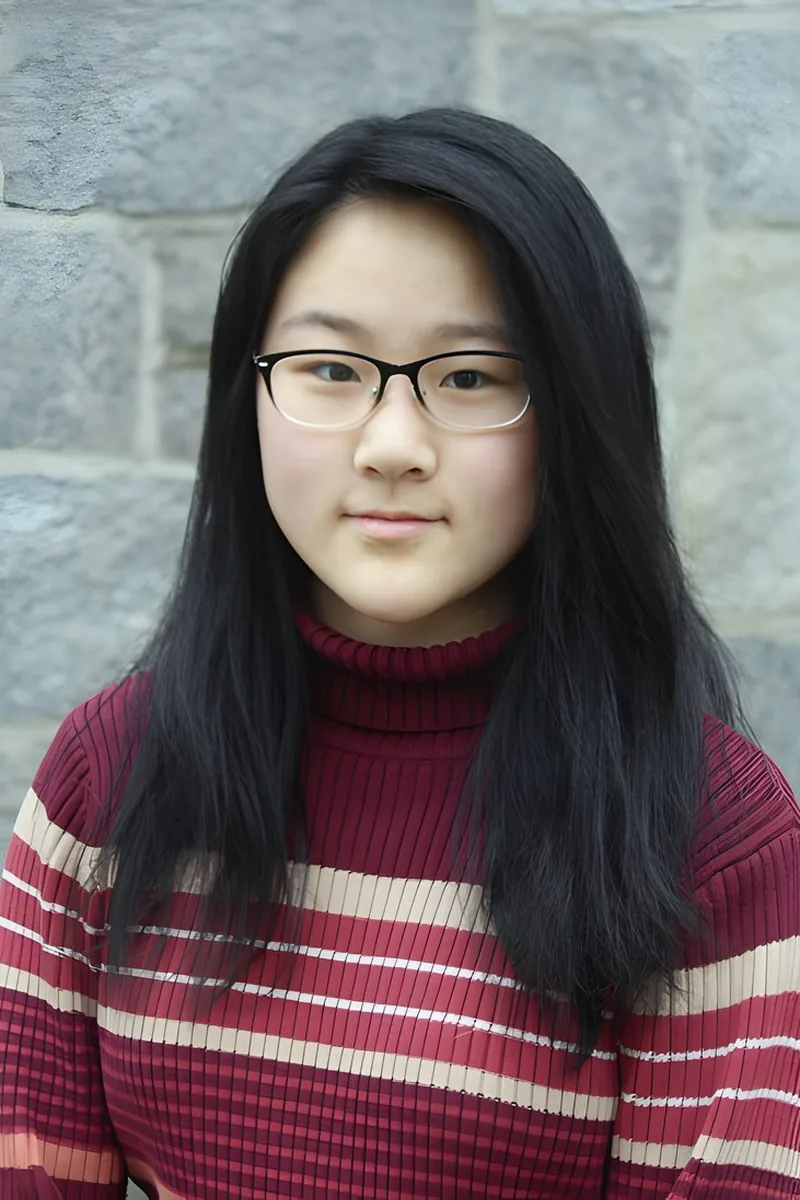
The AP Chinese Language and Culture exam tests listening, reading, speaking, and writing in a single sitting, which means students need more than vocabulary drills — they need fluency under pressure. Nova's real-world Mandarin teaching experience and her SAT Subject Test preparation in Chinese with Listening give her a sharp sense of where American-educated students typically lose points. She zeroes in on the story narration and cultural comparison sections that carry heavy weight on exam day.
I'm Jay! I'm currently going to college at the University of Texas at Austin. I am majoring in fine arts and I am also in the pre-medical program. Even though I'm not done with college, I have already published papers in the field of epigenetics since my freshmen year of college. Even though I consider myself to have an expertise in languages, I decided to teach areas in the field of natural sciences because those are the subjects that I am most passionate about.
Throughout the ages, the religious and philosophical leaders of the Far East considered teaching the noblest occupation-- one of true wisdom and selflessness. Having had the great fortune to experience the transformative power of wonderful teachers, I've come to agree with this viewpointI've found my calling in education. I haven't always known that teaching was the vocation for me. Even though I've always taught, on some level, as a T.A., a private tutor, a classroom teacher, or a friend, I tried different jobs in the private sector for several years. However, upon much introspectionmy own enlightenmentI realized that teaching is my true calling. I have a passion for teaching, which is unmatched by any other field. Why do I teach? I teach because I know that I will learn something new from each teaching experience, with every student, with every day, without exception, and because this path is one that I know is beneficial to others and to society as a whole. I teach, because I believe I can do it well. I approach the job with a balance of both diligence and patience, and confidence and humility, with extreme focus and an open mind. I am very patient, which is incredibly important, because learning takes time and involves challenges. When I teach I project a sense of confidence, because as a lifelong perfectionist, I really do my homework! Before each lesson, I make sure I am thoroughly prepared so that I can teach lucidly and coherently and know how to anticipate questions and readily answer them. My confidence helps establish my authority in the classroom. I also strive to make what I teach relevant to my students' lives by drawing on my experiences as a student and teacher. I strive to be an educator like my own favorite teachersa teacher who is passionate about and has profound knowledge of his specialty, who believes in the unparalleled importance of education, and who inspires his students with his devotion.
After a decade teaching middle schoolers in a Chinese immersion school in California, Ruth knows exactly where students' spoken Mandarin starts to buckle under the pressure of timed AP tasks — especially the presentational speaking prompts that demand formal structure and clear tonal precision on the fly. She also taught History and Theater entirely in Chinese, which means her students get exposure to the kind of cross-disciplinary cultural vocabulary that the exam's reading and listening passages actually test. Rated 5.0 by students.
Most AP Chinese prep zeroes in on language mechanics, but the exam's interpersonal speaking prompts also reward the kind of natural conversational flow that comes from genuine cultural immersion — something Yuyi brings as a native Mandarin speaker who also studied English and psychology at the university level. That dual-language academic background makes her especially effective at coaching students through the interpretive reading section, where parsing formal written Mandarin requires more than character recognition.
Having studied French through level 4 and Mandarin Chinese across multiple levels, Noah approaches AP Chinese prep as someone who understands the mechanics of learning tonal languages from the inside — particularly the listening comprehension sections where untrained ears miss contextual shifts in rapid spoken Mandarin. His actuarial science training also lends an unusually methodical structure to exam prep, breaking the cultural comparison essays into scoreable components so students know exactly what earns points.
Scoring well on AP Chinese Language and Culture means navigating presentational writing, interpersonal speaking prompts, and cultural comparison essays — all in Mandarin. Alex is fluent in Mandarin Chinese and understands the tonal pitfalls and character-recognition challenges that trip up American students. He connects language drills to real cultural contexts so the exam's thematic units feel less like abstract categories and more like actual conversations.
Growing up as a native Mandarin speaker and now studying computer science at Georgia Tech, Caleb brings an analytical mindset to the AP Chinese exam's listening comprehension section — breaking down how to process rapid formal Mandarin by isolating key structural cues rather than trying to translate every word. He's especially useful for students who speak conversational Mandarin at home but struggle with the exam's academic register and the presentational speaking prompts that demand organized, formal delivery under time pressure.
Scoring well on the AP Chinese exam means toggling between reading comprehension, cultural knowledge, and spontaneous speaking — all in one test. Nicole is fluent in both Mandarin and Cantonese and teaches students to navigate the interpersonal and presentational communication tasks the exam demands. She puts particular emphasis on the cultural comparison essay, where strong structure makes all the difference.
Paul is one of those rare tutors who operates at an advanced level in both Mandarin Chinese and a second foreign language, giving him unusual insight into how tonal languages, character-based writing systems, and cultural frameworks interact on the AP exam. He zeroes in on the interpersonal and presentational communication tasks, coaching students through the real-time speaking and writing prompts that carry the most weight.
The AP Chinese Language and Culture exam tests far more than vocabulary — it demands cultural literacy and the ability to switch between interpersonal, interpretive, and presentational communication modes. As a fluent Mandarin speaker with a science-trained discipline for systematic preparation, Jing tackles each section's unique format so students know exactly what the exam expects.
As a fluent Mandarin speaker studying at Columbia, Zhenyi knows firsthand what it takes to operate at a high level in both English and Chinese — and the AP Chinese exam tests exactly that kind of bilingual agility. She digs into the exam's interpersonal and presentational communication tasks, coaching students on formal register, cultural comparisons, and the idiomatic phrasing that separates a 4 from a 5. Her native fluency means she can catch tonal and grammatical subtleties that non-native instructors often miss.
Testimonials
Because the right AP Chinese Language and Culture tutor makes all the difference.
Average Session Rating – Based on 3.4M Learner Ratings
Nearby AP Chinese Language and Culture Tutors
Other Allentown Tutors
Related Languages Tutors in Allentown
Frequently Asked Questions
The AP Chinese Language and Culture exam tests proficiency across listening, reading, writing, and speaking skills, with an emphasis on cultural understanding. The exam includes multiple-choice sections for listening and reading comprehension, free-response writing tasks, and a speaking component where you'll participate in conversations and deliver presentations. Success requires not just language mechanics, but also knowledge of Chinese culture, current events, and the ability to communicate naturally across different contexts.
Score improvement depends on your starting level and consistency with practice, but students often see meaningful gains—typically 1-2 score points—when they work with a tutor who identifies specific weaknesses and creates a focused study plan. The most significant improvements come from targeted practice on your weakest sections (whether that's tonal accuracy in listening, reading comprehension speed, or writing fluency) combined with regular feedback on pronunciation and cultural context. Your tutor can help you understand which areas will give you the biggest score boost and prioritize accordingly.
Many students struggle with the listening section's natural speech pace and regional accents, especially when speakers use colloquial expressions or cultural references unfamiliar from textbook study. The reading comprehension section requires both speed and accuracy—you need to process characters quickly while understanding nuanced meaning. The writing and speaking components often trip up students who've focused heavily on grammar but haven't practiced expressing opinions, making arguments, or responding spontaneously in Chinese. A tutor can help you build comfort with authentic materials, improve your listening stamina, and develop strategies for tackling each section's unique demands.
Effective AP Chinese tutoring typically combines diagnostic assessment to identify your specific weak areas, targeted skill-building in those areas, and regular practice with authentic exam materials and full-length practice tests. Your tutor should focus on building both language proficiency and test-taking strategy—teaching you how to manage timing, recognize question patterns, and approach the speaking and writing sections with confidence. Most students benefit from weekly sessions starting 3-4 months before the exam, with increased frequency closer to test day, though your tutor can customize the schedule based on your current level and goals.
Your first session will focus on understanding your current Chinese proficiency level, your familiarity with the AP exam format, and your specific goals—whether you're aiming for a 3, 4, or 5. Your tutor will likely have you complete a diagnostic assessment or practice section to identify which skills need the most work, whether that's listening comprehension, character recognition speed, writing accuracy, or speaking fluency. This assessment helps your tutor create a personalized study plan and determine which sections and strategies will have the biggest impact on your score.
The College Board's official AP Chinese sample questions and past exams are essential—they show you exactly what to expect and help you understand timing and question formats. Beyond official materials, your tutor can recommend authentic resources like Chinese news websites, podcasts, and films to build listening comprehension and cultural knowledge in real-world contexts. Practice tests should be taken under timed conditions regularly so you can build stamina and identify patterns in where you lose points, which your tutor can then address directly.
The speaking and writing sections require consistent practice with immediate feedback—recording yourself speaking and having your tutor review your pronunciation, grammar, and fluency helps you catch patterns you might not notice on your own. For writing, your tutor can teach you how to structure responses that demonstrate complex language use and cultural awareness, then provide detailed feedback on each practice essay. Both sections improve most when you practice regularly (ideally multiple times per week) with authentic prompts and get personalized corrections on grammar, tone, and organization.
Varsity Tutors connects you with tutors in Allentown who have expertise in AP Chinese Language and Culture and understand the specific challenges of the exam. When you get matched with a tutor, you can discuss their experience with AP Chinese students, their approach to test prep, and whether they've helped other students improve their scores. The best tutors combine native or near-native fluency with deep knowledge of the AP exam format and proven strategies for helping students build confidence in all four skill areas.
Let’s find your perfect tutor
Answer a few quick questions. We’ll recommend the right plan and match you with a top 5% tutor.