Award-Winning Microbiology Tutors
serving Raleigh, NC
Microbiology
Tutors in Raleigh
Private 1-on-1 tutoring, weekly live classes for academic support, test prep & enrichment, practice tests and diagnostics, and more to elevate grades and test scores.
Based on 3.4M Learner Ratings
UniversitiesSchools & Universities
DeliveredHours Delivered
ProficiencyGrowth in Proficiency
Who needs tutoring?
No obligation. Takes ~1 minute.
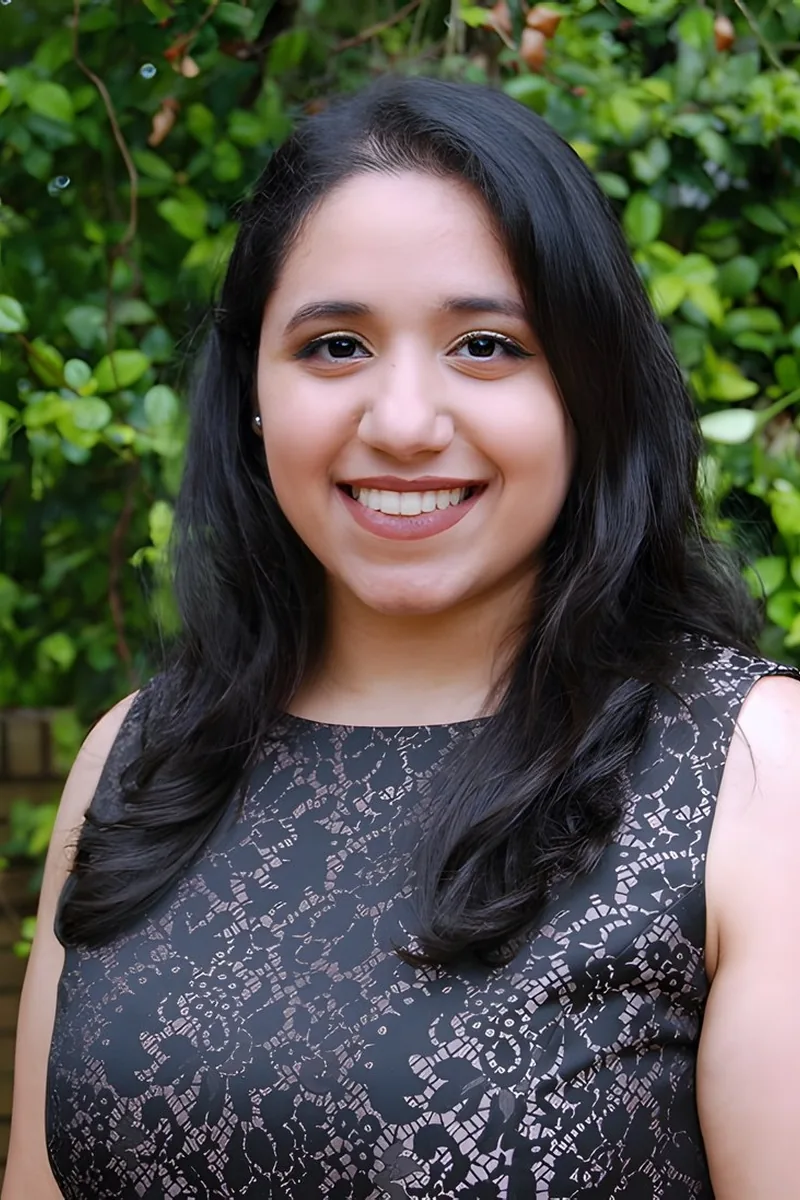
Chemical and biomolecular engineering at NC State meant Catrina spent years studying how microorganisms behave in bioreactors — bacterial growth kinetics, metabolic pathways, and the thermodynamic principles governing fermentation and cell culture. That engineering lens is especially useful for breaking down topics like microbial metabolism and growth curves, since she can explain the quantitative reasoning behind why organisms behave the way they do under specific conditions.
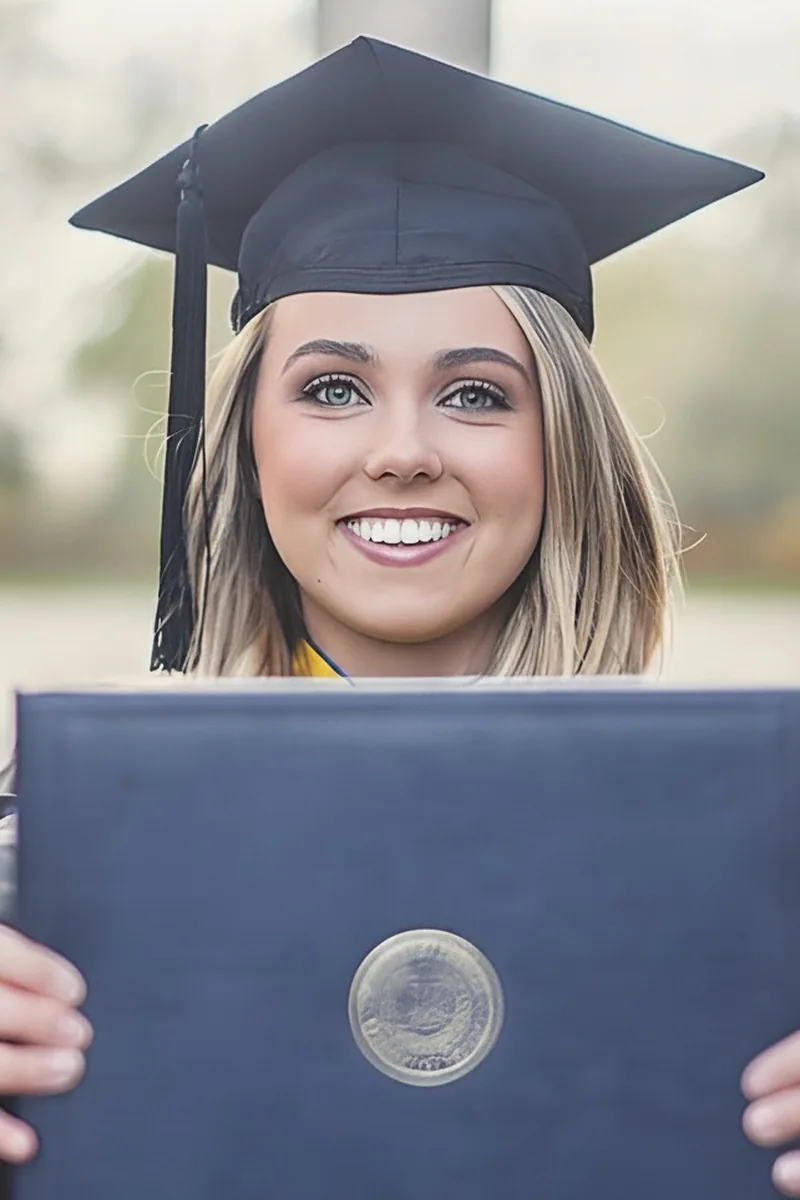
Studying biology at Duke meant spending serious time with bacterial physiology, viral replication cycles, and the immune responses they trigger. Amanda unpacks microbiology topics like gram staining techniques, biofilm formation, and prokaryotic gene regulation by tying each mechanism back to the bigger question of how microorganisms interact with their environments.
Cellular and molecular biology as a major means Julia spent her undergrad inside the very processes that define microbiology — membrane transport, gene regulation, and the molecular machinery bacteria use to survive and replicate. That training lets her unpack topics like microbial metabolism and cell structure at the mechanistic level, connecting what's happening in a Gram stain or culture plate back to the underlying molecular biology driving it. Rated 4.8 by students.
From Gram staining techniques to the metabolic differences between aerobic and anaerobic bacteria, microbiology demands both memorization and conceptual reasoning. Ritu teaches students to organize microbial classification, virulence factors, and immune evasion strategies into frameworks that actually stick. Her biology background spans cell and molecular topics that feed directly into understanding how microorganisms function.
Few tutors can teach microbiology with the clinical lens Emily brings from her nursing master's program. She digs into bacterial morphology, gram staining, virulence factors, and antimicrobial resistance by tying each concept back to how infections actually behave in patients — making the material stick long after the exam.
Daniel earned his bachelor's degree in microbiology before completing dental school, giving him deep familiarity with bacterial morphology, metabolic pathways, and host-pathogen interactions. He approaches topics like gram staining protocols and viral replication cycles with the kind of specificity that turns a dense subject into something students can reason through rather than just memorize.
Rashida's PhD in Cellular and Molecular Biology means she teaches microbiology from the inside out — starting at the level of gene regulation, membrane transport, and molecular signaling before zooming out to how microorganisms behave in populations. Her doctoral research and experience leading discussions in cell biology and Mendelian genetics give her a particular knack for explaining how bacteria acquire and express resistance genes, or how horizontal gene transfer reshapes microbial communities. Rated 5.0 by students.
Bacterial morphology, Gram staining techniques, viral replication cycles — microbiology throws a lot of vocabulary at students before asking them to think critically about pathogenesis and immune response. Ade's biology degree gives him the foundation to break down these interconnected systems and show how individual microorganisms actually behave in clinical and environmental contexts.
Bacterial classification, viral replication cycles, and host-pathogen interactions are central to both microbiology coursework and clinical medicine. As a medical student at UMKC, Evelyn encounters these concepts in a clinical context every week, which means she can explain the difference between gram-positive and gram-negative organisms — or how antibiotic resistance develops — with real diagnostic scenarios in mind.
Medical school demands a granular understanding of pathogens — bacterial cell wall differences, viral replication cycles, antibiotic resistance mechanisms. Daniel earned his M.D. and brings that clinical lens to microbiology, connecting each organism's structure and behavior to the disease processes students are expected to know for exams.
Philosophy, Politics and Economics isn't the typical path into microbiology, but Noah's biology coursework gave him enough grounding in cellular processes to break down topics like prokaryotic structure and microbial growth curves for students encountering them for the first time. He takes a methodical, logic-driven approach — the kind his PPE training sharpened — to help untangle classification systems and keep bacterial phyla from blurring together.
Between his biochemistry degree from Rice and his medical school training, Sanjay has spent years immersed in the microbial world — bacterial cell structure, pathogenic mechanisms, antimicrobial resistance, and the metabolic pathways that distinguish different organisms. He connects microbiology concepts to clinical scenarios, which makes memorizing genera, gram stain results, and virulence factors far more intuitive.
Neuroscience at Brown doesn't let you skip the micro — Owen's coursework in biology and chemistry built a working understanding of how microorganisms operate at the cellular level, from membrane transport to metabolic regulation. He brings that mechanistic thinking to topics like bacterial growth curves and immune evasion, breaking down each process into the molecular steps that actually explain it.
Few tutors have a dedicated microbiology credential — Felix earned an Associate in Science specifically in microbiology and taught biology at the university level as a TA. He digs into bacterial morphology, staining techniques, metabolic pathways, and microbial genetics with the kind of detail that lecture halls often gloss over. Whether it's understanding biofilm formation or interpreting antibiotic susceptibility results, he connects lab concepts to the underlying theory.
Understanding microbiology means getting comfortable with organisms you can't see — bacterial cell structure, viral replication cycles, and the metabolic pathways that keep microbes alive. Varuna's graduate work in biomedical engineering at Tufts involved the biological mechanisms that underpin infection and immunity, giving her a practical lens for teaching concepts like gram staining, antibiotic resistance, and microbial genetics.
I'm a current medical student at VCU School of Medicine, and a graduate of Johns Hopkins University. I received my Bachelor of Science in Molecular and Cellular Biology. I've had the pleasure of tutoring a diverse range of students for 5 years; while I tutor a broad set of subjects, I'm most passionate about biology, psychology, and chemistry. I'm a big proponent of ensuring understanding over memorization and teaching concepts that last for years to come (particularly for other students interested in medicine!) In my free time, I love to write poetry, edit essays, and gush about game writing with friends.
The IB Biology program — both SL and HL — drills deep into microbial topics like cell theory, pathogen classification, and antibiotic resistance, and Kinjal completed that rigorous track before earning her biology degree at Texas A&M. That combination means she can walk through bacterial structure, microbial metabolism, and host-pathogen dynamics with the kind of layered understanding that comes from studying the material twice at increasing depth. Rated 5.0 by students.
Testimonials
Because the right Microbiology tutor makes all the difference.
Average Session Rating – Based on 3.4M Learner Ratings
Other Raleigh Tutors
Related Science Tutors in Raleigh
Frequently Asked Questions
Microbiology tutors cover a comprehensive range of topics including bacterial structure and function, viral replication, fungal biology, protozoans, immunology, and microbial genetics. They also help students understand laboratory techniques like culturing, staining, and microscopy, as well as real-world applications in medicine, food safety, and environmental science. Whether you're studying general microbiology or advanced topics like pathogenesis and epidemiology, tutors can tailor instruction to match your course requirements.
Yes—many tutors have hands-on laboratory experience and can help you understand experimental procedures, interpret results, and connect lab work to theoretical concepts. They can explain the scientific reasoning behind techniques like gram staining, plate counting, and antibiotic sensitivity testing, and help you troubleshoot common lab challenges. This bridges the gap between classroom learning and practical application, making both stronger.
One of the biggest challenges in microbiology is understanding structures and processes you can't see with the naked eye. Tutors use diagrams, animations, models, and analogies to make abstract concepts concrete—whether it's bacterial cell wall composition, viral entry mechanisms, or immune responses. Breaking down complex processes into smaller, visual steps helps you build a mental framework that sticks, rather than relying on memorization alone.
Tutors focus on teaching you the 'why' behind microbiology rather than just the 'what.' Instead of memorizing bacterial characteristics, you'll learn how structure relates to function and survival. This approach—asking questions like "Why does this organism need a flagellum?" or "How does this antibiotic disrupt the cell wall?"—builds deeper understanding that helps you apply knowledge to new situations and exam questions.
Students often struggle with connecting microscopic processes to macroscopic outcomes, mastering the scientific method in lab settings, and understanding how different microbial groups relate to each other. Many also find it challenging to balance detailed memorization (like metabolic pathways) with the bigger-picture thinking required for problem-solving. Tutors help you develop both skill sets—precision with concepts and flexibility in application.
Tutors prepare you for both written exams and lab practicals by reviewing key concepts, working through practice problems, and simulating exam conditions. For lab practicals, they help you identify unknown organisms, interpret stains and cultures, and explain your reasoning—skills that require both knowledge and critical thinking. Regular practice with feedback builds confidence and helps you manage the time pressure of timed exams.
Varsity Tutors connects you with tutors who have strong backgrounds in microbiology, whether they're working scientists, graduate students, or experienced educators. You can discuss your specific needs—whether it's general microbiology, medical microbiology, or environmental microbiology—and get matched with someone whose expertise aligns with your course and goals. The personalized 1-on-1 instruction means you get a tutor who understands exactly what you need to succeed.
Your first session is typically an opportunity to discuss your course, current challenges, and goals—whether you're trying to improve your grade, prepare for an exam, or build a stronger foundation. The tutor will assess your understanding of key concepts and identify areas where you need the most support. From there, you'll work together to create a personalized plan that addresses your specific needs and learning style.
Let’s find your perfect tutor
Answer a few quick questions. We’ll recommend the right plan and match you with a top 5% tutor.