Award-Winning AP English Language and Composition Tutors
serving Charlotte, NC
AP English Language and Composition
Tutors in Charlotte
Private 1-on-1 tutoring, weekly live classes for academic support, test prep & enrichment, practice tests and diagnostics, and more to elevate grades and test scores.
Based on 3.4M Learner Ratings
UniversitiesSchools & Universities
DeliveredHours Delivered
ProficiencyGrowth in Proficiency
Who needs tutoring?
No obligation. Takes ~1 minute.
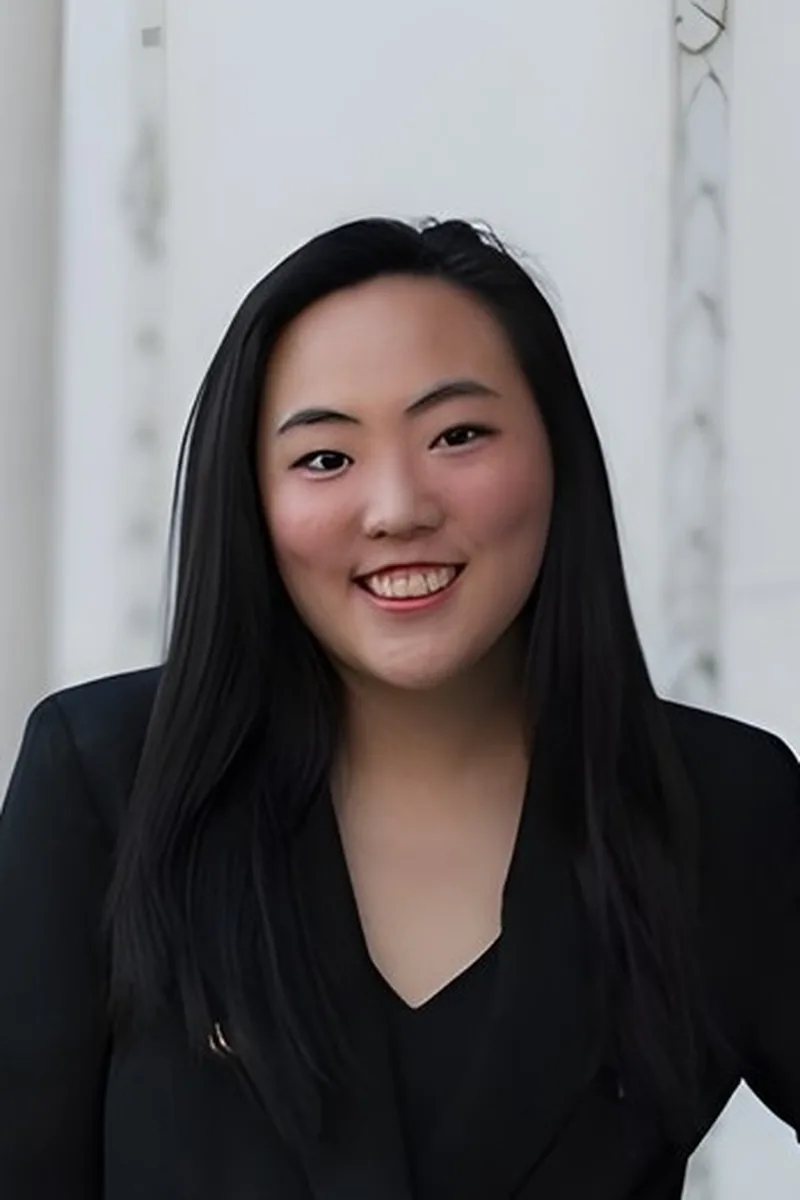
AP Lang is really an economics of persuasion — every rhetorical choice a writer makes has a cost and a payoff. Rebecca's training in economics and data science at UC Berkeley sharpened her ability to dissect how authors build arguments through evidence, concession, and strategic structure. She breaks down synthesis and rhetorical analysis essays into repeatable frameworks that make timed writing far less intimidating.

As an EMT, Daiven reads high-stakes reports and communicates precise observations under pressure — skills that translate surprisingly well to AP Lang's demand for quick, accurate analysis of how an author constructs an argument. His biology training at Wofford means he's particularly comfortable breaking down the logical structure of science-heavy source material that appears in synthesis prompts, teaching students to identify how evidence is deployed rather than just what it says. His 32 ACT composite reflects the kind of sharp reading comprehension the exam's multiple-choice section rewards.
AP Lang is really a course in argument — identifying how writers use rhetorical strategies and then deploying those same moves in your own essays. Eric's combination of deep reading habits and formal writing experience means he can dissect a passage's use of ethos, logos, and tone shifts, then coach students through crafting synthesis and argument essays that score well.
Rhetorical analysis is the backbone of AP Lang, and Wallis approaches it the way she learned to analyze art — by examining how an author's choices in diction, syntax, and structure create a specific effect on the audience. Her writing center experience at Sewanee sharpened her ability to diagnose weak arguments and show students how to tighten their own. She's particularly strong on the synthesis essay, where pulling evidence from multiple sources into a cohesive claim trips up even strong writers.
Rhetoric is the backbone of AP Lang, and most students struggle not with identifying ethos or logos but with explaining *how* those strategies function in a specific argument. Lexy uses a Socratic approach to pull apart professional essays and speeches, pushing students to articulate why a writer made particular choices before they sit down to write their own analysis. Her English background at Boston College keeps her steeped in the kind of close argumentative reading this exam rewards.
Rhetorical analysis is really about reverse-engineering an argument — figuring out why a writer chose that metaphor, that sentence structure, that concession. Rishi's public policy training at UNC Chapel Hill sharpened exactly this skill, and he teaches students to identify and articulate rhetorical strategies with the precision the AP exam demands. He holds a 5.0 rating from past students.
I am an enthusiastic and detail-oriented English and test prep tutor with a strong academic background in communications.
AP English Language is ultimately an argument course — students need to dissect how writers use rhetoric and then deploy those same tools in their own essays under time pressure. Timothy's recruiting career required him to craft persuasive writing daily, and his psychology background sharpens his ability to teach rhetorical analysis by showing how audience and purpose shape every stylistic choice. He walks students through synthesis, argument, and rhetorical analysis essays with an eye toward the specific rubric readers use.
AP Lang is fundamentally about rhetoric — understanding how writers construct arguments and learning to do it yourself. Tristan's linguistics training at William & Mary gives him a precise vocabulary for dissecting rhetorical strategies like appeals, tone shifts, and structural choices, and he applies that same precision when coaching students through synthesis and argument essays. His 1590 SAT speaks to the reading and writing skills he brings to the table.
I am passionate about learning and teaching others.
AP Lang is fundamentally about argument — how writers build it, how readers dissect it, and how students construct their own under timed conditions. Nicole teaches rhetorical analysis by anchoring each essay in specific devices like juxtaposition, appeals to ethos, and shifts in tone, so students move from vague observations to precise, scoreable claims. She also coaches the synthesis and argument free-response essays with an eye toward the rubric's demand for evidence-driven reasoning.
AP Lang is ultimately about argument — recognizing how writers use rhetorical strategies like juxtaposition, appeals to ethos, and shifts in tone to persuade an audience. Brielle's English Education background means she teaches students to dissect prose passages and craft timed rhetorical analysis and argument essays with the kind of precision that earns high AP scores. Rated 5.0 by students.
Rhetoric is the backbone of AP Lang, and most students underestimate how precisely they need to name what an author is doing — distinguishing a concession from a counterargument, or explaining why an anecdote functions as evidence. Hasan's literary training at Brown and his 5.0 tutoring rating reflect an ability to make these analytical moves concrete, especially in the synthesis and argument essays where students tend to lose points.
The rhetorical analysis essay trips up even strong writers because it requires naming what an author is doing and explaining why it works. Rebecca breaks down argument structure, rhetorical strategies like appeals and syntax choices, and the synthesis essay's demand for integrating multiple sources into a cohesive position. Her 5.0 rating speaks to how clearly she communicates these skills.
Rhetoric is everywhere, and AP Lang is the class that finally makes students see it — in speeches, editorials, even advertisements. Jack's dual background in theatre and economics means he can unpack both the emotional persuasion of a Kennedy address and the logical structure of an economic policy argument. He zeroes in on building the synthesis and argument essays, where students often struggle to integrate sources without losing their own voice.
AP Lang is fundamentally about argument — identifying how writers use rhetorical strategies like appeals, concessions, and counterarguments to build persuasive cases. Brett approaches the course's synthesis and rhetorical analysis essays the way he approaches scientific writing at Rice: every claim needs evidence, every paragraph needs a clear purpose. He's especially sharp on teaching students to dissect an author's line of reasoning in the rhetorical analysis prompt.
The AP Lang exam lives at the intersection of rhetoric and writing — two things Maddy has been immersed in since college, where she studied American literature and wrote an honors thesis analyzing cultural criticism. She digs into how authors use tone, diction, and structural choices to persuade, then teaches students to replicate those moves in their own synthesis and argument essays.
Rhetorical analysis is the backbone of AP Lang, and Priscilla approaches it by teaching students to dissect how authors use structure, diction, and appeals to build an argument. Currently studying government at Harvard, she regularly breaks down political speeches and persuasive texts — exactly the kind of source material that shows up on the exam.
Rhetorical analysis is the backbone of AP Lang, and David approaches it by teaching students to name exactly what an author is doing — whether that's deploying an anecdote for pathos or structuring a concession-and-rebuttal to disarm opposition. He also digs into the synthesis and argument essays, where students need to marshal sources quickly and write with a clear, deliberate voice.
Rhetorical analysis is the backbone of AP Lang, and most students underperform not because they can't identify ethos or logos but because they don't know how to explain *why* a rhetorical choice matters in context. Olivia digs into the synthesis and argument essays with equal attention, teaching students to build claims that go beyond restating sources. Her 1560 SAT reflects the same analytical reading and writing skills she brings to AP Lang prep.
Trained in NYU's Accelerated MAT program for Secondary English, Jennifer knows the AP Lang exam inside and out — from rhetorical analysis essays to the synthesis prompt's demand for integrating multiple sources into a cohesive argument. She teaches students to identify an author's strategic choices (diction, structure, appeals) and articulate their effects with precision, which is exactly what earns high marks on the rhetorical analysis free response.
Scoring well on AP Lang means recognizing how writers construct arguments — the difference between an anecdote used as evidence and one used as an emotional hook, or why a concession strengthens rather than weakens a claim. Kirstie unpacks rhetorical strategies like ethos, logos, and kairos through real op-eds and speeches, then applies that same analytical lens to students' own argumentative writing. Her 1550 SAT reflects the kind of reading and writing precision this exam demands.
AP English Language is really a course in rhetoric — understanding how writers use structure, diction, and evidence to persuade specific audiences. Michelle's MA in American Studies at Columbia centered on exactly this: analyzing speeches, essays, and cultural texts for their argumentative strategies. She teaches students to write synthesis and rhetorical analysis essays that go beyond summary and actually engage with how a source works.
A licensed English 6-12 teacher with a Vanderbilt degree in English Literature, Karen knows the AP Lang exam inside and out — from dissecting rhetorical strategies in nonfiction passages to crafting airtight synthesis and argument essays under time pressure. She teaches students to identify how authors use diction, tone, and structure as persuasive tools, which is the analytical muscle the exam actually tests.
Testimonials
Because the right AP English Language and Composition tutor makes all the difference.
Average Session Rating – Based on 3.4M Learner Ratings
Practice AP English Language and Composition
Free practice tests, flashcards, and AI tutoring for AP English Language and Composition
Nearby AP English Language and Composition Tutors
Other Charlotte Tutors
Related English Tutors in Charlotte
Frequently Asked Questions
AP English Language and Composition is a college-level course that focuses on rhetoric, argumentation, and persuasive writing. Students learn to analyze how writers use language strategically to influence audiences, and they develop their own persuasive writing skills through essays and timed writing practice. The AP exam includes multiple-choice questions on rhetorical analysis, free-response essays, and a synthesis essay that requires students to integrate sources—skills that are valuable both for college and beyond.
The exam is 3 hours long and consists of two sections: a 1-hour multiple-choice section with 45 questions focused on reading comprehension and rhetorical analysis, and a 2-hour free-response section with three essays (Rhetorical Analysis, Argument, and Synthesis). Pacing is critical—many students struggle with time management, especially on the essay portion where they must plan, write, and revise within tight constraints. Personalized tutoring can help you develop efficient strategies for each section and practice under timed conditions to build confidence.
Score improvement depends on your starting point and how consistently you practice. Students who work with tutors on identifying their specific weaknesses—whether that's rhetorical analysis, essay organization, or time management—typically see measurable gains. Many students improve by 1-2 score points (on the 1-5 scale) through focused instruction on essay structure, argument development, and targeted practice with past exam questions. The key is consistent practice combined with feedback on your actual writing.
Students often struggle with three main areas: understanding rhetorical devices and analyzing how they function in texts, organizing persuasive arguments under time pressure, and synthesizing multiple sources while maintaining their own voice. Many also find the multiple-choice section tricky because it requires close reading and understanding of author's purpose and tone. Tutors can help you break down these skills into manageable pieces, teach you annotation strategies, and give you practice with real AP prompts so you feel prepared on test day.
Your first session is focused on assessment and goal-setting. A tutor will review your current understanding of rhetorical analysis, ask about your writing process, and likely have you write a timed essay or complete a practice multiple-choice section to identify your strengths and areas for growth. From there, you'll work together to create a personalized study plan that targets your specific needs—whether that's essay structure, time management, or confidence with particular question types.
Most students benefit from starting preparation 2-3 months before the exam, with consistent practice 3-4 times per week. If you're starting closer to the exam date, more intensive sessions can help you focus on high-impact skills like essay organization and time management. The exact timeline depends on your baseline skills and score goals, which is why a tutor can help you create a realistic schedule and prioritize what to study based on your diagnostic performance.
Practice tests are essential because they help you get comfortable with the exam format, develop pacing strategies, and identify which question types or essay prompts give you trouble. Taking full-length, timed practice exams every 2-3 weeks allows you to track your progress and adjust your study approach. Tutors can review your practice test essays in detail, point out patterns in your errors, and teach you specific revision techniques to apply on future attempts.
Varsity Tutors connects Charlotte students with expert tutors who specialize in AP English Language and Composition. You can share your goals, timeline, and preferred meeting style, and we'll match you with a tutor who has experience helping students master rhetorical analysis, essay writing, and exam strategy. Whether you need help with one specific skill or comprehensive exam prep, personalized 1-on-1 instruction is tailored to your learning style and pace.
Let’s find your perfect tutor
Answer a few quick questions. We’ll recommend the right plan and match you with a top 5% tutor.