Award-Winning College Chemistry Tutors
serving Manhattan, NY
College Chemistry
Tutors in Manhattan
Private 1-on-1 tutoring, weekly live classes for academic support, test prep & enrichment, practice tests and diagnostics, and more to elevate grades and test scores.
Based on 3.4M Learner Ratings
UniversitiesSchools & Universities
DeliveredHours Delivered
ProficiencyGrowth in Proficiency
Who needs tutoring?
No obligation. Takes ~1 minute.
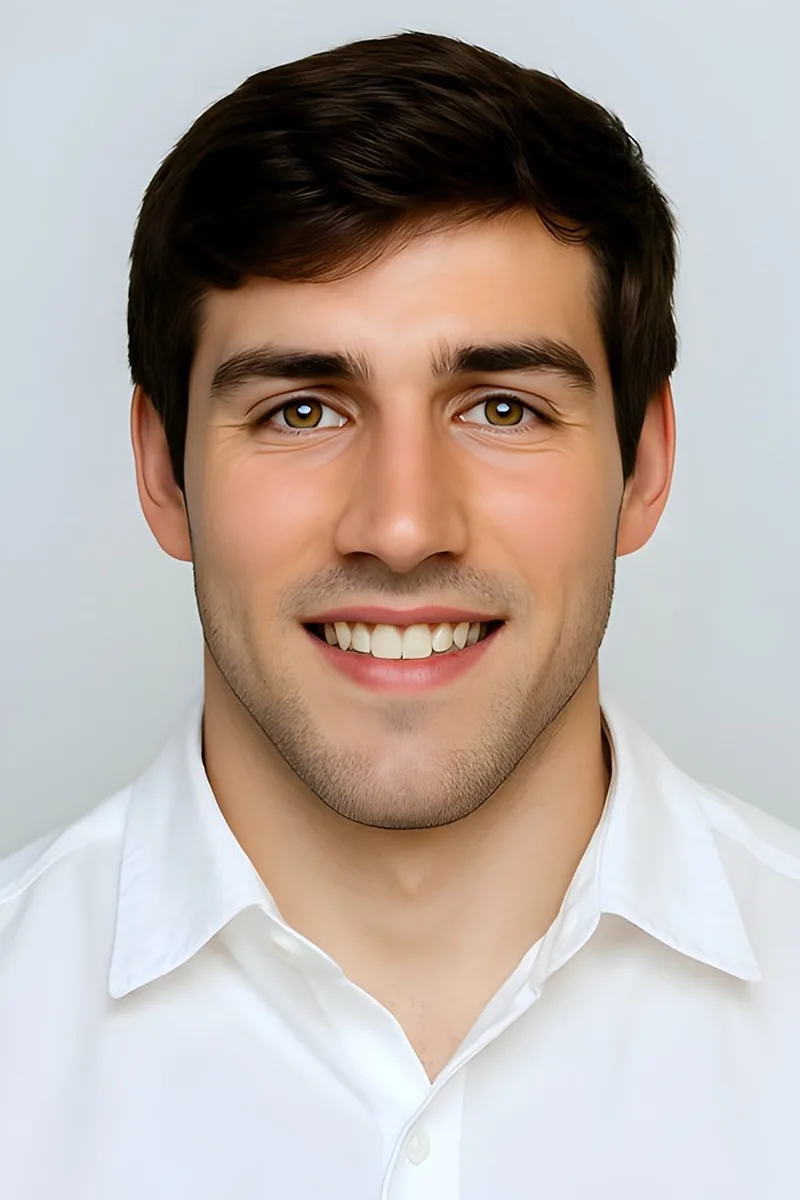
Studying chemistry at Harvard while preparing for Columbia Medical School means James has taken college chemistry far past the introductory level — he knows which early concepts like electron configurations, VSEPR theory, and reaction stoichiometry quietly become load-bearing walls for everything from organic mechanisms to biochemical pathways. He teaches gen chem by flagging those high-stakes fundamentals early, so students aren't blindsided when later courses assume fluency. Rated 4.9 by students.
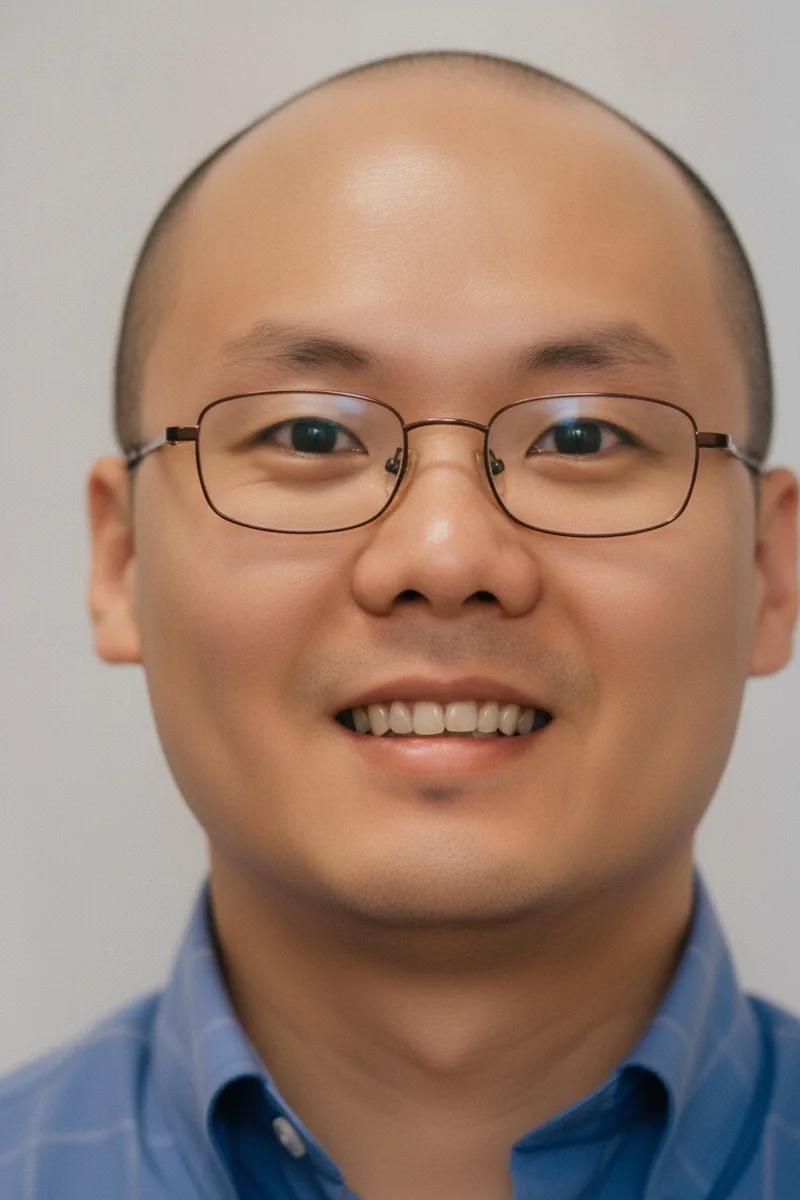
Sung earned his B.S. in Chemistry, which means he can unpack topics like thermodynamics, equilibrium constants, and molecular orbital theory with real depth rather than surface-level definitions. He connects abstract concepts — like why Gibbs free energy determines spontaneity — to concrete problem-solving strategies that stick. Rated 5.0 by students.
Having served as an undergraduate teaching assistant at Cornell for introductory biochemistry, Josef has spent real time diagnosing where students get stuck on foundational chemistry — electron configurations bleeding into bonding theory, or mole concepts falling apart during stoichiometric conversions. He teaches college chemistry with a life sciences backbone, connecting topics like solution chemistry and reaction energetics to the biological applications his students will actually encounter next semester. Rated 5.0 by students.
Thermodynamics, equilibrium constants, and reaction kinetics demand more than memorizing formulas — they require thinking about why a reaction proceeds the way it does. Garrett's coursework in physical chemistry and organic chemistry means he can unpack the energy landscapes and molecular interactions behind each concept. He connects general chemistry principles to their applications in biochemistry and physiology, which makes abstract ideas click faster.
Pre-med coursework at Duke forced Camille through the full gen chem gauntlet — stoichiometry, equilibrium, acid-base chemistry — while simultaneously juggling a humanities major, so she knows what it's like to learn dense quantitative material without the luxury of focusing on nothing else. That experience makes her especially effective with students who aren't pure STEM majors but still need to master college chemistry for their degree track. Rated 5.0 by students.
Li's doctoral-level medical coursework means she's encountered college chemistry concepts like acid-base equilibria, solution chemistry, and reaction energetics in clinical contexts where getting the chemistry wrong has real consequences. Her microbiology and anatomy teaching background also means she can ground abstract gen chem topics — like intermolecular forces or oxidation states — in the biological systems students will see again in upper-level courses.
Neuroscience at Yale meant David couldn't just skim gen chem — he needed concepts like electrochemistry, molecular bonding, and reaction thermodynamics to stick, because they showed up again in every neurobiology and biochemistry course that followed. Now pursuing graduate work in bioethics, he teaches college chemistry by linking each topic to the bigger scientific picture, so students see why mastering something like intermolecular forces or acid-base equilibria pays off well beyond the final exam. Rated 5.0 by students.
Between his physics training and years of hands-on biochemistry research, Matthew tackles college chemistry from both the theoretical and applied sides. He's especially effective with thermodynamics, molecular orbital theory, and kinetics — topics where students often struggle to bridge lecture material and problem sets. His lab experience at Columbia gives him concrete examples that make abstract concepts like enthalpy and entropy click.
Balancing redox equations, predicting reaction spontaneity with Gibbs free energy, working through equilibrium problems — these are the topics that trip up most college chemistry students. Laura tackles them daily as a biology major at WashU, where the pre-med chemistry sequence demands real fluency with thermodynamics, kinetics, and acid-base chemistry. Rated 5.0 by students, she breaks down quantitative problems into clear, logical steps.
Samantha studied Chemistry & Chemical Biology at Cornell with a food science concentration, so she's tackled everything from organic reaction mechanisms to thermodynamics and spectroscopy at the college level. She teaches tricky concepts like equilibrium constants, electrochemistry, and molecular orbital theory by building visual models that connect the math to what's physically happening at the molecular scale.
Fourth-year med student at Albert Einstein College of Medicine, Michael has been applying gen chem principles — acid-base chemistry, reaction thermodynamics, solution behavior — in clinical and biochemical contexts for years, which means he can explain not just how to solve a problem but where that concept resurfaces later. His biology degree from Yeshiva College (summa cum laude) and time teaching MCAT prep for Kaplan gave him practice breaking down the exact topics that trip up college chemistry students: stoichiometry setups, equilibrium expressions, and the leap from qualitative reasoning to quantitative problem-solving.
Thermodynamics, equilibrium constants, and electrochemistry all click faster when the tutor has spent years applying them in engineering contexts. Abismael earned his B.S. in Chemical Engineering, so he teaches college-level concepts through real reaction systems rather than abstract formulas. He's known for pushing students with spontaneous, exam-level questions until the material becomes second nature.
Two years as a pre-med molecular biology major at Princeton meant Laura took college-level chemistry seriously — stoichiometry, thermodynamics, equilibrium, and organic reaction mechanisms were part of her daily life before she pivoted to history. That scientific foundation, combined with a Montessori-rooted instinct to let students discover concepts through exploration rather than rote drill, makes her especially effective at breaking down abstract chemistry problems. Rated 5.0 by students.
Neuroscience at Vanderbilt means Blake has been neck-deep in college chemistry — gen chem concepts like molecular bonding, reaction energetics, and acid-base systems are the scaffolding for everything from neuropharmacology to membrane biophysics. His approach leans on building intuition for why a reaction behaves the way it does, drawing on his interest in how people actually learn and retain complex material. Rated 5.0 by students.
Most college chemistry students don't realize they're stuck on the math until someone separates it from the chemistry — Katherine, with a 1500 SAT and a music degree that demanded its own kind of pattern recognition, is unusually good at spotting whether a student's confusion lives in the concept or the calculation. She teaches topics like stoichiometry and solution chemistry by stripping problems down to their logic first, then layering the quantitative steps back in one at a time.
General chemistry at the college level ramps up fast — thermodynamics, quantum numbers, reaction kinetics — and Elizabeth's science teaching background means she can explain these topics clearly without oversimplifying them. She studied at Harvard and taught chemistry in a high school classroom, giving her both the content depth and the instructional instinct to adjust explanations on the fly. Students working through orgo prerequisites or pre-med coursework get a tutor who understands what's coming next.
Tutoring organic chemistry at Yale and conducting research at the Hospital for Special Surgery gave Marcus a working fluency with gen chem concepts — electron behavior, molecular interactions, reaction energetics — that comes from applying them daily rather than just reviewing them for exams. He's especially sharp on the pre-med pressure points: the leap from memorizing periodic trends to actually using them in multi-step problems involving bonding, stoichiometry, and equilibrium.
Equilibrium expressions, electrochemistry, and thermodynamic calculations tend to pile up mid-semester in college chemistry, and Emily knows that pace firsthand from Cornell's pre-med track. She graduated summa cum laude while juggling the full chemistry sequence, so she's practiced at organizing large amounts of material into patterns that actually stick. Her approach zeroes in on the reasoning behind each reaction rather than brute-force memorization of equations.
Preparing for medical school at Duke meant Benjamin couldn't just memorize reaction types — he had to understand why electron orbitals dictate bonding behavior and how thermodynamic principles predict whether a reaction actually runs. That depth translates directly to college-level general and introductory chemistry, where conceptual reasoning matters more than plug-and-chug calculations.
Going back to Columbia for premedical studies after an English degree gave Timothy a second pass at college chemistry — this time with the maturity to understand why topics like stoichiometry, molecular bonding, and acid-base reactions need to be internalized rather than just survived. He teaches gen chem by slowing down at the exact conceptual transitions where students start losing the thread, particularly when the course shifts from descriptive chemistry into quantitative problem-solving. Rated 5.0 by students.
Doing a PhD in genetics and neuroscience at Rockefeller while completing an MD at Weill Cornell means Daniel has cycled back through gen chem concepts — electron configurations, chemical bonding, reaction thermodynamics — at increasingly higher stakes, each time sharpening his sense of what introductory students actually need to lock down. He teaches college chemistry by drilling into the reasoning behind each step of a problem, so topics like equilibrium expressions or acid-base calculations stop feeling like disconnected formulas and start behaving like a logical chain.
Currently in medical school at Sidney Kimmel Medical College, Jamie has been tested on gen chem concepts like acid-base chemistry, reaction thermodynamics, and solution behavior in contexts far more demanding than the introductory course — which means she can pinpoint exactly which foundational ideas students need to lock down before the material compounds. Her go-to move is translating abstract topics like electron orbitals or equilibrium shifts into concrete analogies that make the logic stick long after the exam.
Dental school at Penn means Josh has spent years applying general chemistry concepts — equilibrium, acid-base reactions, thermodynamics — to biological systems in ways that make abstract principles tangible. He breaks down tricky topics like electrochemistry and reaction kinetics by connecting them to real-world applications he encounters in his clinical training.
Cognitive science training at the undergraduate level means Elsia has a knack for spotting exactly where a student's mental model of a concept like electron configuration or molecular geometry goes sideways — and she leans into that diagnostic instinct when tackling college chemistry. She makes the memorization-heavy stretches (polyatomic ions, solubility rules, naming conventions) stick by building ridiculous, memorable mnemonics tailored to each student, then shifts to structured problem-solving for the quantitative side like stoichiometry and gas laws.
Organic reaction mechanisms, thermodynamics, and equilibrium calculations all require a different kind of thinking than Gen Chem — less plug-and-chug, more pattern recognition. Brandon's biomedical engineering training leaned heavily on physical and organic chemistry, so he teaches these topics with the fluency of someone who's applied them in lab and design settings, not just on exams.
Organic mechanisms, thermodynamic favorability, and kinetics problems demand more than just pattern-matching — they require thinking like a scientist. Colin's background includes extensive college-level chemistry at Washington University in St. Louis and laboratory research in immunology, giving him firsthand experience applying reaction principles beyond the textbook. He unpacks tough topics like molecular orbital theory and electrochemistry by grounding them in the logic that makes each concept predictable.
A PhD in Materials Science and Engineering means Rona has pushed well past gen chem — she's applied concepts like thermodynamics, phase equilibria, and bonding theory to real material systems where getting the chemistry wrong has engineering consequences. Her chemical engineering undergrad built the quantitative backbone, so she tackles problems involving reaction stoichiometry, energy balances, and solution chemistry with the fluency of someone who's used them professionally, not just academically. Rated 4.9 by students.
Pre-med coursework and a natural resources background give Adam an unusual angle on college chemistry — he's encountered concepts like reaction stoichiometry, solution chemistry, and thermodynamics both in traditional gen chem and in applied environmental contexts like water quality analysis and geochemistry. That dual exposure means he can explain a topic like equilibrium or acid-base behavior from multiple directions until the reasoning clicks. Rated 4.7 by students.
Cognitive neuroscience training means Kenneth learned college chemistry through the lens of how molecules behave in biological systems — neurotransmitter binding, ion channel dynamics, membrane electrochemistry — giving him a concrete frame for abstract topics like intermolecular forces and redox reactions. He teaches gen chem by anchoring each concept to something tangible before working through the quantitative side, which is especially useful for students who grasp the science but lose the thread once equations pile up.
History and Spanish might top Adam's list of academic loves, but chemistry has been a consistent part of his tutoring repertoire — and his approach leans on something most science-only tutors lack: a librarian's instinct for breaking down how information is organized. He tackles topics like nomenclature, periodic trends, and reaction classification by teaching students to see the underlying taxonomies, so a sprawling chapter on chemical bonding or acid-base theory starts to feel like a system with internal logic rather than a wall of disconnected facts.
Working daily in a biochemistry lab at NYU Medical Center gives Alex a perspective on college chemistry that goes well beyond lecture notes. He digs into thermodynamics, equilibrium, and reaction kinetics with an emphasis on why each concept matters in experimental settings. Students who need to bridge the gap between memorizing formulas and actually applying them in problem sets will find that distinction useful.
Organic reaction mechanisms, thermodynamic derivations, quantum mechanical models of the atom — college chemistry demands comfort with abstraction that many students haven't needed before. Miguel's background spans advanced math and multiple sciences, which means he can unpack orbital theory or kinetics equations without losing sight of the chemical intuition underneath. He's particularly effective at bridging the gap between the math-heavy and conceptual sides of the course.
Economics students rarely expect to tutor chemistry, but Sheena's accelerated coursework at Macaulay Honors College included the full gen chem gauntlet — and her quantitative training means she's especially sharp on the calculation-heavy side of things like stoichiometry, molarity, and gas laws. She breaks down problem sets by separating the conceptual chemistry from the math mechanics, then tackles each piece on its own terms so students stop getting lost in the middle of multi-step solutions. Rated 5.0 by students.
Organic reaction mechanisms, thermodynamic favorability, and molecular orbital theory all demand a different kind of thinking than general chemistry did. Jeremy completed his premedical sciences certificate with heavy coursework in these areas and unpacks each mechanism step by step — arrow pushing included — so the logic becomes visible.
Peer tutoring AP Chemistry in high school evolved into a Penn chemistry degree, so Kevin has been explaining concepts like electron configurations, reaction stoichiometry, and chemical equilibrium for years — and he's seen how the jump from high school to college-level rigor catches students off guard. He tackles that gap by grounding abstract topics in tangible examples, making ideas like enthalpy changes or solution chemistry click before the math gets layered on. Rated 4.8 by students.
Pursuing both a chemistry degree and a master's in education at UB, James is building the kind of dual expertise that makes him particularly effective at breaking down college-level topics like atomic structure, bonding theory, and chemical kinetics — he understands the content deeply and has trained specifically in how to teach it. His teaching assistant experience across two university courses means he's already fielding the real questions students ask mid-lecture when equilibrium or thermochemistry stops making sense.
Cornell's interdisciplinary program meant Peter took gen chem alongside students from half a dozen majors, which taught him early that the same topic — electron configuration, equilibrium shifts, Lewis structures — needs a different explanation depending on what clicks for a given person. He digs into the reasoning behind each problem type before drilling the mechanics, so concepts like stoichiometry and acid-base reactions stick instead of evaporating after the exam. Rated 5.0 by students.
Organic mechanisms, thermodynamics, or quantum-level electron behavior — college chemistry demands that students juggle multiple frameworks at once. Laura's rigorous science training at Fordham, combined with her current Columbia graduate program, means she can connect general chemistry principles to the biological and environmental contexts that make them easier to remember. Rated 5.0 by students.
Between organic mechanisms, thermodynamic derivations, and quantum models of bonding, college chemistry demands a level of conceptual reasoning that surprises many students. Jason's neuroscience training required him to work through all of these areas rigorously, and he unpacks tough topics like molecular orbital theory and chemical kinetics by building each idea from first principles.
Conducting biophysical chemistry research at the graduate level means Wesley encounters thermodynamics, quantum mechanics of molecular orbitals, and reaction kinetics daily — not as textbook exercises, but as tools for real experiments. He unpacks difficult college chemistry concepts like Gibbs free energy and electrochemistry by walking through the reasoning behind each equation, not just its application.
Testimonials
Because the right College Chemistry tutor makes all the difference.
Average Session Rating – Based on 3.4M Learner Ratings
Nearby College Chemistry Tutors
Other Manhattan Tutors
Related Science Tutors in Manhattan
Frequently Asked Questions
Your first session is about understanding where you stand and what you need most. A tutor will assess your grasp of foundational concepts, review your course syllabus and recent assignments, and identify specific pain points—whether that's balancing equations, thermodynamics, or lab report writing. From there, you'll develop a personalized plan focused on the topics giving you the most trouble.
College chemistry demands both conceptual understanding and quantitative skills, which is where many students struggle. Common challenges include visualizing molecular structures and bonding, mastering stoichiometry and unit conversions, understanding reaction mechanisms, and connecting lab work to lecture concepts. Many students also underestimate how much practice is needed to internalize problem-solving strategies rather than just memorizing formulas.
Yes. Tutors can help you understand the purpose behind experiments, interpret data, troubleshoot unexpected results, and write clear lab reports that explain your methodology and findings. They can also help you prepare for lab practicals and understand how hands-on work connects to lecture material—which is essential for developing real scientific reasoning skills, not just memorizing procedures.
Memorization fails in college chemistry because the material builds on itself—you need to understand *why* reactions happen, not just what products form. Tutors focus on building your conceptual foundation by working through problems step-by-step, asking you to explain your reasoning, and connecting abstract concepts like molecular polarity or electron configuration to real examples. This approach helps you tackle unfamiliar problems on exams instead of relying on pattern recognition.
Look for tutors with strong chemistry backgrounds—ideally a degree in chemistry, biochemistry, or a related field, plus demonstrated experience teaching college-level material. They should be comfortable explaining both theory and applications, have experience with your specific topics (organic chemistry, general chemistry, analytical chemistry, etc.), and be able to break down complex concepts into understandable pieces. Varsity Tutors connects you with tutors who meet these standards and can work with your Manhattan schedule.
Chemistry problem-solving requires a systematic approach: identifying what you know, determining what you're solving for, selecting the right concepts and equations, and checking your work. Tutors teach you this framework by working through diverse problems together, helping you recognize patterns, and building your confidence with unfamiliar question types. Over time, you develop the ability to approach new problems strategically rather than feeling stuck when you haven't seen an exact problem before.
Ideally, start 3-4 weeks before your exam to allow time for learning new concepts, practicing problems, and reinforcing weak areas. However, even intensive tutoring in the final 1-2 weeks can help you focus on high-impact topics and boost your confidence. Regular tutoring throughout the semester is most effective because it prevents concepts from piling up and helps you build a solid foundation as you go.
Varsity Tutors connects you with expert chemistry tutors who work with students throughout Manhattan and can adjust to your schedule—whether you need help during the week, weekends, or around your class and lab times. Once you reach out, you'll be matched with a tutor whose expertise and availability align with your needs, so you can start working together quickly and focus on improving your chemistry skills.
Let’s find your perfect tutor
Answer a few quick questions. We’ll recommend the right plan and match you with a top 5% tutor.