Award-Winning Statistics Tutors
serving St. Louis, MO
Statistics
Tutors in St. Louis
Private 1-on-1 tutoring, weekly live classes for academic support, test prep & enrichment, practice tests and diagnostics, and more to elevate grades and test scores.
Based on 3.4M Learner Ratings
UniversitiesSchools & Universities
DeliveredHours Delivered
ProficiencyGrowth in Proficiency
Who needs tutoring?
No obligation. Takes ~1 minute.
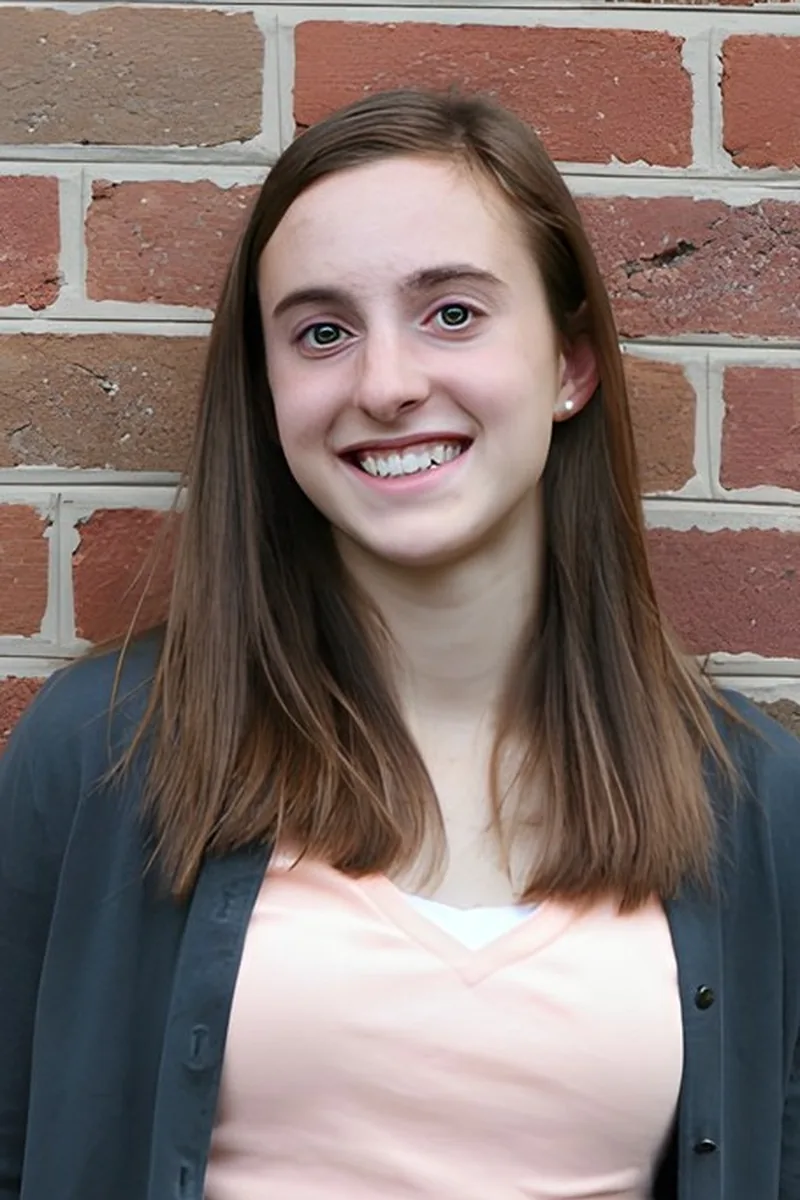
Most students memorize the formulas for z-scores or standard deviation without ever seeing where they come from — Kathleen's math degree from Washington University means she can derive them from scratch and explain each piece along the way. She treats every statistics concept as an extension of the algebra and calculus her students already know, which makes new material feel like a logical next step rather than a disconnected set of rules.
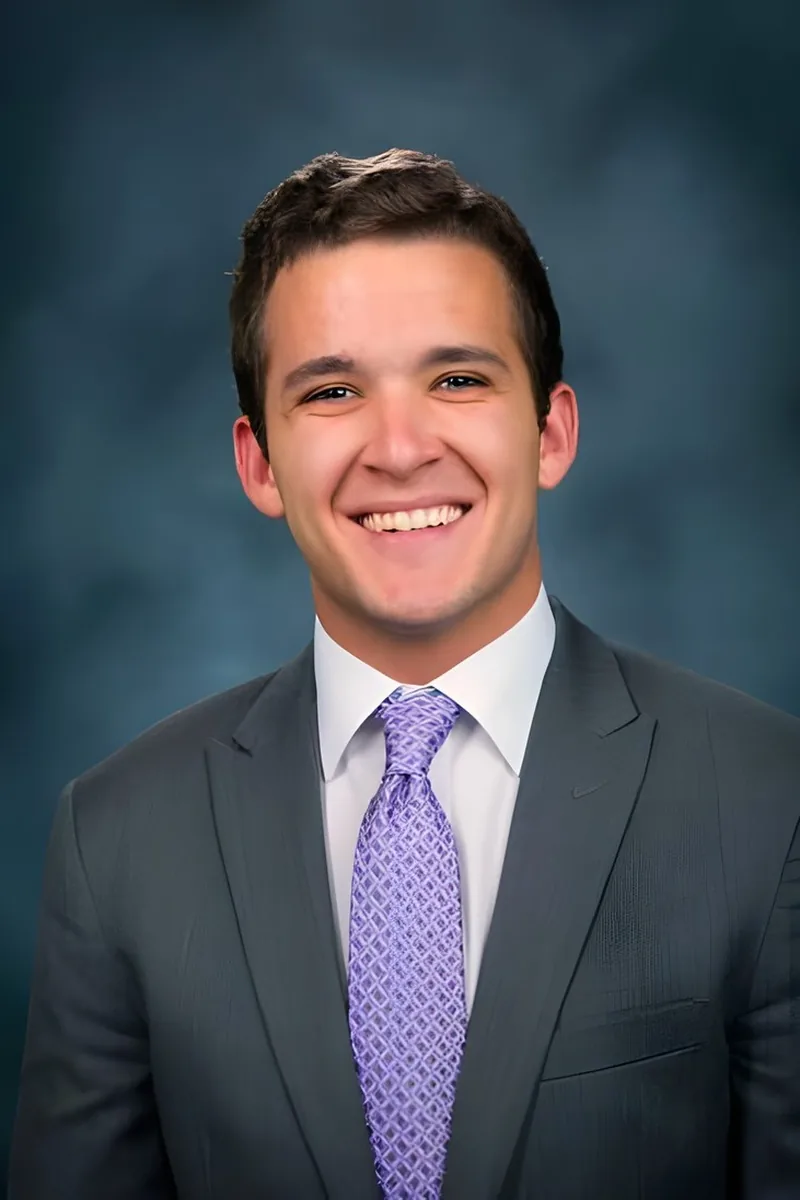
Studying economics at TCU meant Mason lived in statistics — regression analysis, probability distributions, and hypothesis testing were core to nearly every upper-level course he took. He also tutored statistics through the university's math department, so he's seen where students typically get stuck on concepts like p-values, sampling variability, and conditional probability. That combination of applied use and teaching experience makes him especially effective at connecting formulas to what they actually measure.
Seven years of experimental psychology research means Anna has designed studies, run ANOVAs, interpreted regression outputs, and wrestled with effect sizes in contexts where getting the statistics wrong means getting the science wrong. She teaches from that practitioner's perspective — walking through concepts like hypothesis testing, p-values, and confidence intervals as tools for answering real research questions, not just textbook exercises. Rated 4.9 by students.
A self-described sports analytics enthusiast who digs into box scores for fun, Jordan approaches statistics with genuine curiosity about what data can reveal. He unpacks concepts like probability distributions, hypothesis testing, and regression analysis by grounding them in real datasets — the kind of context that makes standard deviation feel less like a formula and more like an insight.
A lot of statistics confusion comes from not seeing the logic behind formulas for standard deviation, probability distributions, or hypothesis tests. Hannah's mathematics degree gives her the ability to unpack the reasoning underneath each calculation, connecting abstract notation to concrete examples. She treats statistics as a way of thinking about data, not just a set of procedures to memorize.
I am a High School Science Teacher for the Smithville School District. I have experience teaching AP Chemistry, Honors and General Chemistry, and Honors and General Biology, Forensic Science, Biomedical Science, and Anatomy & Physiology.
I am a recent graduate and a new mom. I have experience in tutoring undergraduate Physics for about 5 years. I am also interested in tutoring Statistics and Mathematics. It is exiting to be a tutor and share my knowledge with others.
I am from Chicago, IL. I am currently a second-year medical student at the University of Missouri-Kansas City. One of my passions includes teaching students. I have 5+ years of tutoring experience. During my tutoring sessions, I utilize critical thinking skills, enthusiasm, and vigor in helping the students complete assignments. Outside of tutoring, I enjoy traveling, cooking, dancing, and playing volleyball. If you need help with any of your classes, please do not hesitate to set up a session with me!
I am a medical student at the University of Missouri-Kansas City. I love to work with students to help them reach their fullest potential.
Probability distributions, hypothesis testing, confidence intervals — Ján breaks each of these down by connecting the math to real decisions the numbers are supposed to inform. His I-O Psychology master's program was essentially statistics-intensive by design, and he spent his grad years tutoring Business Statistics alongside his own coursework. That dual perspective means he knows both where students get stuck and why the concepts actually matter.
I'm not taking care of my farm, I enjoy all crochet, embroidery, cross stitch and, quilting. I also enjoy building with Lego. My largest build so far is the Star Wars AT-AT!
An economics degree means Maggie didn't just study statistics in a textbook — she applied distributions, hypothesis testing, and regression analysis to real datasets. She teaches students to interpret what a p-value actually tells them and how to choose the right test for a given scenario, building the kind of statistical intuition that carries through exams and research projects alike.
As experienced and passionated educator with a Bachelor's degree in Computer Science from Rice University, I am passionate about empowering students to achieve their academic goals. With over 3 years of tutoring experience in subjects such as AP Computer Science A, Machine Learning, and SAT Math, I adapt to different learning styles and create a supportive learning environment. My teaching philosophy centers on personalized instruction, where I connect with each student to understand their unique learning styles and challenges. I take pride in guiding students through the complexities of computer science and college application essays, equipping them with the skills they need for future success. Outside of tutoring, I enjoy exploring new technologies and engaging in coding projects to improve my teaching approach.
Understanding when to use a t-test versus a z-test, or why a sampling distribution behaves the way it does, requires more than formula sheets — it takes genuine statistical intuition. Brian built that intuition through his economics coursework at Caltech, where statistical analysis was a daily tool, and he walks students through each concept with concrete data examples.
Probability distributions, hypothesis testing, and confidence intervals all require a kind of careful reasoning about uncertainty that Allen sharpened through his economics coursework at Yale. He teaches statistics as a way of making arguments with data — interpreting p-values, choosing the right test, and understanding what a result actually means in context. His 5.0 rating speaks to how clearly he communicates these ideas.
Probability distributions, hypothesis testing, confidence intervals — statistics asks students to think in a fundamentally different way than most math courses. Elliot spent years running statistical analyses on neural data during his PhD research, which means he can show exactly how concepts like p-values and regression actually function in practice, not just on a formula sheet.
Emily's computational biology concentration at Cornell is essentially applied statistics — she uses probability distributions, confidence intervals, and regression analysis to interpret biological data every week. That hands-on context lets her explain statistical reasoning through concrete examples rather than abstract formulas.
A year as a course assistant in Harvard's math department gave Richard a front-row seat to where students get tripped up — and in statistics, it's almost always the jump from computing a value to interpreting what it means. He teaches concepts like variability, correlation, and probability by connecting the math to the kind of data-driven arguments he encounters in his government coursework, where a misread confidence interval can derail an entire policy claim.
Kathy's economics degree from Duke meant living inside datasets — regression analysis, probability distributions, hypothesis testing, and statistical inference were daily tools, not abstract concepts. She breaks down problems by connecting the math to what the numbers actually represent, which makes interpreting results feel intuitive rather than formulaic.
Industrial engineering at Georgia Tech is essentially applied statistics — probability distributions, hypothesis testing, and regression analysis were daily tools throughout Ilesh's coursework. He teaches statistics by grounding abstract formulas in real data scenarios, so concepts like standard deviation and confidence intervals actually make intuitive sense.
During her psychology degree at Penn, Brittany used statistics constantly — hypothesis testing, probability distributions, regression analysis — as core tools for understanding research. She also tutored middle schoolers in introductory statistics as a volunteer in West Philadelphia, so she's comfortable adjusting her explanations whether someone is learning mean and median or wrestling with p-values.
Probability distributions, hypothesis testing, and regression analysis are central to both engineering and business — and Caroline has graduate-level training in both. Her mechanical engineering M.S. from WashU built her statistical modeling skills, while her current MBA at MIT Sloan sharpens how she interprets data for real-world decisions. She teaches the reasoning behind each method so formulas stop feeling like black boxes.
Understanding probability distributions or interpreting a confidence interval requires a different kind of thinking than most math classes demand. Dillon spent years applying statistics in engineering contexts — quality control, data analysis, experimental design — and he brings that applied lens to topics like standard deviation, z-scores, and regression so students see what the numbers actually tell them.
Testimonials
Because the right Statistics tutor makes all the difference.
Average Session Rating – Based on 3.4M Learner Ratings
Practice Statistics
Free practice tests, flashcards, and AI tutoring for Statistics
Nearby Statistics Tutors
Other St. Louis Tutors
Related Math Tutors in St. Louis
Frequently Asked Questions
Statistics students often struggle with translating real-world scenarios into mathematical models, understanding probability distributions, and interpreting data visualizations. Many find hypothesis testing and confidence intervals conceptually challenging because they require both computational skills and deeper reasoning about what the numbers actually mean. Personalized tutoring helps students move beyond memorizing formulas to truly understanding when and why to use different statistical methods.
Word problems in statistics require students to identify what's being asked, determine which statistical tools apply, and communicate their reasoning clearly. Expert tutors work with students to break down complex problems into manageable steps, teaching them to recognize patterns like "comparing two groups" or "predicting future values." This structured approach builds confidence and helps students see that word problems follow logical frameworks rather than being random puzzles.
Procedural understanding means knowing how to calculate—finding a mean, running a regression, or computing a p-value. Conceptual understanding means knowing *why* those calculations matter and *what they tell us* about data. Many statistics students can plug numbers into formulas but struggle to interpret results or choose appropriate methods. Personalized instruction helps students build both skills simultaneously, so they understand the reasoning behind each step.
Statistics anxiety often stems from feeling overwhelmed by unfamiliar terminology, complex formulas, and abstract concepts. Working 1-on-1 with a tutor creates a low-pressure environment where students can ask questions without judgment and learn at their own pace. Tutors help demystify statistics by connecting it to real data students care about and celebrating small wins, which builds confidence and reduces the anxiety that blocks learning.
The first session focuses on understanding where the student is—what topics they've covered, what's working well, and where they're stuck. Tutors assess whether challenges are computational (calculation errors) or conceptual (misunderstanding core ideas), then work through a problem together to identify the best starting point. This diagnostic approach ensures personalized instruction targets exactly what each student needs.
Yes. Whether preparing for a unit test, final exam, or AP Statistics, tutors help students master both the content and test-taking strategies. They teach students how to approach free-response questions, manage time during exams, and avoid common mistakes. With St. Louis having 40 schools across 9 districts, students benefit from tutors familiar with different curriculum approaches and exam formats used locally.
In statistics, showing work isn't just about getting points—it demonstrates your reasoning and helps teachers identify where misunderstandings occur. Tutors teach students to organize their work clearly: stating what they're calculating, showing each step, and explaining what their answer means in context. This practice builds both mathematical communication skills and deeper understanding of statistical concepts.
Varsity Tutors connects you with expert tutors who have experience across different statistics curricula and textbooks used in St. Louis schools. During the matching process, you can specify your school, course level, and particular challenges, ensuring you get a tutor familiar with your specific needs. This personalized approach means less time on background and more time on the skills that matter most to your success.
Let’s find your perfect tutor
Answer a few quick questions. We’ll recommend the right plan and match you with a top 5% tutor.