Award-Winning College Chemistry Tutors
serving St. Paul, MN
College Chemistry
Tutors in St. Paul
Private 1-on-1 tutoring, weekly live classes for academic support, test prep & enrichment, practice tests and diagnostics, and more to elevate grades and test scores.
Based on 3.4M Learner Ratings
UniversitiesSchools & Universities
DeliveredHours Delivered
ProficiencyGrowth in Proficiency
Who needs tutoring?
No obligation. Takes ~1 minute.

Thermochemistry, equilibrium constants, and reaction kinetics show up heavily in engineering coursework, so Joe has worked through these concepts under pressure and at depth. He unpacks the logic behind equations like the Nernst equation or Hess's law so students understand the derivations, not just the plug-and-chug.
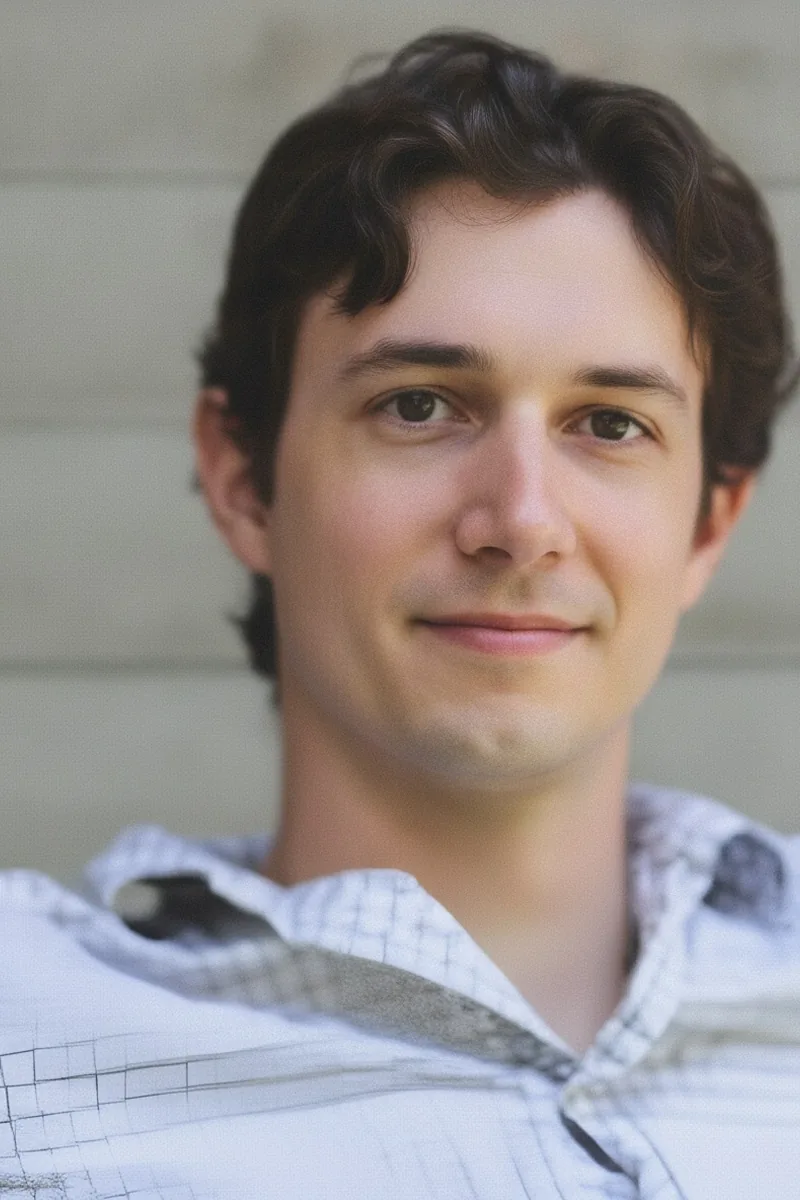
Having served as an undergraduate teaching assistant at Cornell for introductory biochemistry, Josef has spent real time diagnosing where students get stuck on foundational chemistry — electron configurations bleeding into bonding theory, or mole concepts falling apart during stoichiometric conversions. He teaches college chemistry with a life sciences backbone, connecting topics like solution chemistry and reaction energetics to the biological applications his students will actually encounter next semester. Rated 5.0 by students.
General chemistry at the college level demands more than memorizing solubility rules — it requires connecting thermodynamic principles to kinetics, understanding orbital theory, and applying equilibrium concepts quantitatively. Kinjal completed rigorous chemistry sequences as part of her biology program at Texas A&M and tackles each topic by tying abstract theory to concrete calculations. She holds a 5.0 rating from students.
Studying chemistry at Harvard while preparing for Columbia Medical School means James has taken college chemistry far past the introductory level — he knows which early concepts like electron configurations, VSEPR theory, and reaction stoichiometry quietly become load-bearing walls for everything from organic mechanisms to biochemical pathways. He teaches gen chem by flagging those high-stakes fundamentals early, so students aren't blindsided when later courses assume fluency. Rated 4.9 by students.
Between a biochemistry degree and ongoing work in biochemical laboratories, Andrew has used gen chem concepts like reaction thermodynamics, molecular bonding, and acid-base chemistry as everyday tools — not just exam material he learned and forgot. He teaches college chemistry by grounding abstract ideas in the lab contexts where they actually behave, so topics like equilibrium constants and enthalpy changes carry physical meaning rather than just numerical answers. Rated 4.9 by students.
When college chemistry students feel overwhelmed, it's usually because topics like gas laws, equilibrium, and stoichiometry are piling up faster than they can organize the connections between them — and untangling that clutter is where Rachel excels. Her science background across biology, anatomy, and physiology means she's applied gen chem principles in multiple contexts, so she can show how a concept like acid-base behavior or molecular polarity actually functions beyond the textbook chapter it first appears in.
Between equilibrium expressions, thermodynamic calculations, and orbital theory, college chemistry demands a level of abstraction that introductory courses don't always prepare students for. Amber digs into the quantitative backbone of these topics, connecting the math to the molecular-level reasoning so that concepts like Gibbs free energy or rate law derivations make sense rather than just get memorized. Her breadth across chemistry and advanced math gives her a rare versatility in tackling problem sets.
A bio-organic chemistry degree means Alex has lived through the full gen chem sequence and then pushed those concepts further — into reaction mechanisms, molecular orbital theory, and the quantitative problem-solving that upper-level chemistry demands. That depth shows up when tackling topics like chemical kinetics or periodic trends, where he can explain not just how to solve a problem but why the underlying chemistry behaves the way it does.
Going through med school means Amanda has seen what happens when gen chem concepts like acid-base equilibria and reaction thermodynamics aren't truly understood — they unravel in biochemistry, pharmacology, and every clinical science that follows. She teaches college chemistry by grounding each topic in the bigger picture of where it leads, using her biology degree and 4.2 GPA from Alabama to zero in on the quantitative reasoning — electron configurations, enthalpy calculations, equilibrium expressions — that students need to own rather than just survive.
Li's doctoral-level medical coursework means she's encountered college chemistry concepts like acid-base equilibria, solution chemistry, and reaction energetics in clinical contexts where getting the chemistry wrong has real consequences. Her microbiology and anatomy teaching background also means she can ground abstract gen chem topics — like intermolecular forces or oxidation states — in the biological systems students will see again in upper-level courses.
Chemical and biomolecular engineering at MIT means Natasha uses general chemistry concepts — equilibrium, kinetics, electrochemistry — as daily tools, not just exam topics. She talks through reaction mechanisms and stoichiometry problems out loud with students, treating each session more like a collaborative lab meeting than a lecture. Rated 4.9 by students.
A chemistry minor at Duke alongside her biology major, Lenique spent years working through thermodynamics, equilibrium, and reaction kinetics at a level that prepared her for the rigors of medical school at Yale. She breaks down tough concepts like molecular orbital theory and acid-base chemistry by connecting them to real biological systems, which makes abstract ideas click faster.
Thermodynamics is Rahul's favorite corner of chemistry — and as a Cornell chemical engineering graduate (magna cum laude), he's applied concepts like enthalpy, Gibbs free energy, and reaction spontaneity far beyond the gen chem textbook, through upper-level coursework in physical chemistry and process design. He pushes students to grasp the conceptual reasoning behind each problem before touching the math, so topics like calorimetry and equilibrium stop feeling like disconnected formula exercises. Rated 4.9 by students.
Testimonials
Because the right College Chemistry tutor makes all the difference.
Average Session Rating – Based on 3.4M Learner Ratings
Nearby College Chemistry Tutors
Other St. Paul Tutors
Related Science Tutors in St. Paul
Frequently Asked Questions
Varsity Tutors matches St. Paul students with expert College Chemistry tutors for 1-on-1 instruction. We pair each student with a tutor based on their specific needs, learning style, and goals.
Whether you need homework help, exam prep, or want to get ahead, our College Chemistry tutors are ready to help.
Common challenges include gaps from earlier material, difficulty with specific concepts, and trouble applying learning to new problems. These issues can snowball quickly in College Chemistry.
A tutor identifies where you're stuck, fills in gaps, and provides targeted practice. The 1-on-1 format means you get help exactly where you need it.
Tutors work with your student's actual coursework—homework assignments, class notes, and upcoming tests. This keeps tutoring directly relevant to what's happening in the classroom.
When you share information about your student's school and curriculum, we can match you with a tutor who has relevant experience.
All tutors complete background checks, credential verification, and teaching evaluation. Many of our College Chemistry tutors hold advanced degrees or have years of teaching experience.
You can review tutor profiles to find someone with the right background for your student's level and needs.
Many students see improved grades within a few weeks, along with better understanding of College Chemistry concepts and more confidence tackling challenging material.
Tutors track progress and adjust their approach to ensure continued improvement.
Most students benefit from 1-2 sessions per week. More frequent sessions help if your student is significantly behind or has an important exam coming up.
Your tutor can recommend a schedule based on your student's specific situation and goals.
Tutoring is purchased in packages of hours, with rates varying by tutor experience. Varsity Tutors offers several options to fit different budgets and needs.
You can discuss pricing during your consultation to find what works best.
Your tutor will assess where your student is, discuss goals, and start working on priority areas. Most students bring current homework or upcoming test material to focus on.
By the end, you'll have a clear sense of how the tutor can help and a plan for moving forward.
Let’s find your perfect tutor
Answer a few quick questions. We’ll recommend the right plan and match you with a top 5% tutor.