Award-Winning AP English Literature and Composition Tutors
serving Minneapolis, MN
AP English Literature and Composition
Tutors in Minneapolis
Private 1-on-1 tutoring, weekly live classes for academic support, test prep & enrichment, practice tests and diagnostics, and more to elevate grades and test scores.
Based on 3.4M Learner Ratings
UniversitiesSchools & Universities
DeliveredHours Delivered
ProficiencyGrowth in Proficiency
Who needs tutoring?
No obligation. Takes ~1 minute.
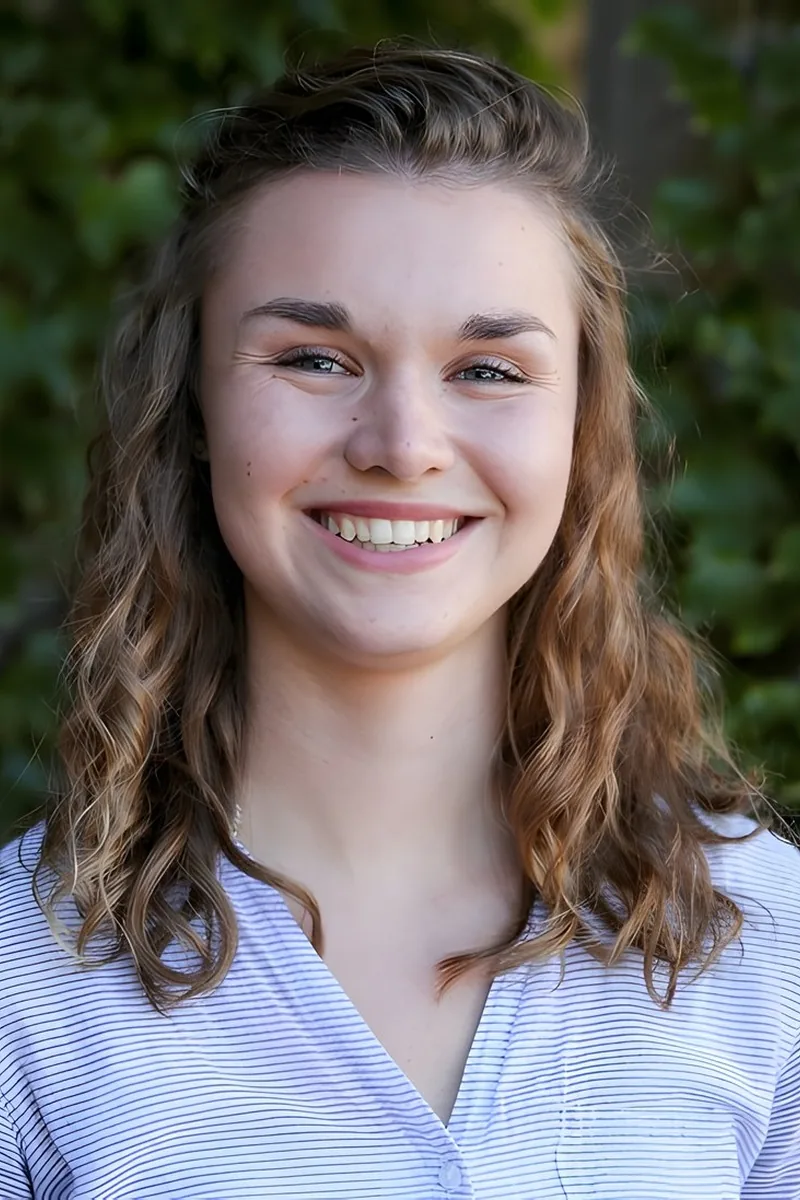
AP English Literature asks students to do something deceptively hard: write a polished analytical essay about a poem or novel excerpt in 40 minutes. Abbey tackles this by teaching close-reading techniques — tracking imagery patterns, shifts in tone, and narrative point of view — so students have concrete evidence ready before they start drafting. Her English coursework at the University of Minnesota keeps her immersed in the same literary analysis skills the exam demands.
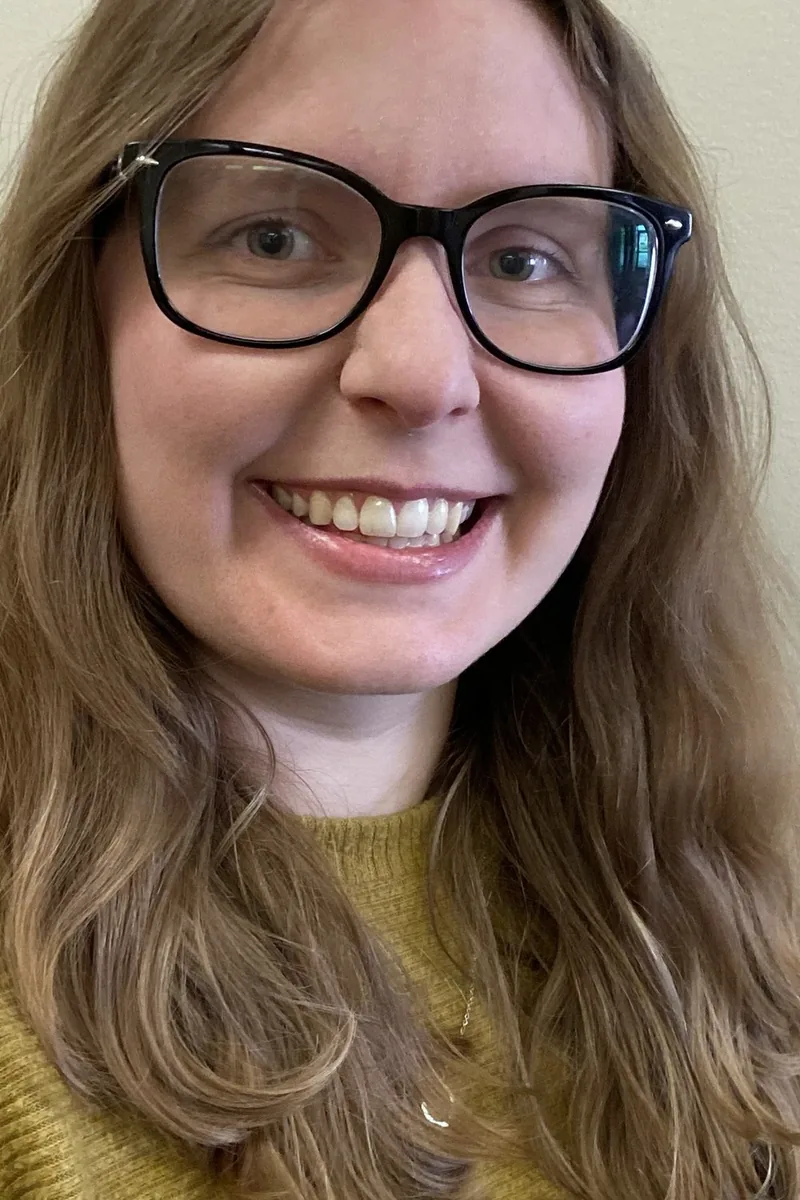
AP English Literature asks students to do something genuinely difficult: read a poem or prose passage they've never seen and produce a polished literary argument in under 40 minutes. Lauren holds a master's in English Literature from the University of St. Thomas and another in Humanities from the University of Chicago, giving her deep fluency with the close-reading techniques the exam demands — tracking imagery, narrative voice, and structural choices across genres. She teaches students to build thesis statements that go beyond plot summary and anchor every claim in specific textual evidence.
Spending a semester at Madrid's top-ranked university reading literature alongside Spanish students sharpened Meghan's ability to dissect texts across cultural contexts — exactly the close-reading skill AP Lit demands. She teaches students to build thesis-driven essays around literary devices like imagery, tone shifts, and narrative structure, not just plot summary. Her 5.0 rating speaks to how well that translates in practice.
AP Lit asks students to do something most haven't practiced: build a literary argument under time pressure using only the text in front of them. Rebecca teaches close-reading strategies for poetry and prose — identifying shifts in tone, tracking imagery patterns, and constructing thesis-driven free-response essays that earn high marks.
Poetry analysis is where Carla comes alive. Her deep background in English literature means she can teach students to unpack a Dickinson poem's slant rhyme or trace the symbolic architecture of a Toni Morrison novel — exactly the kind of close reading that earns high marks on AP Lit free-response essays. She also coaches students on managing the multiple-choice section's time pressure without sacrificing careful reading.
AP Lit's free-response questions reward students who can do more than summarize — they need to build an argument about how literary devices create meaning within a passage. Max teaches students to dissect prose and poetry prompts by identifying tone shifts, narrative structure, and figurative language, then weaving those observations into a cohesive thesis. His background teaching both history and English in a Boston high school means he's coached students through the exact pressure of timed analytical writing.
Earning a Secondary Teacher's certification while studying English means Hailey is learning not just how to analyze literature but how to teach that analysis — breaking down why a particular stanza's enjambment or a narrator's shifting reliability matters, then coaching students to articulate those insights in timed, thesis-driven essays. Her 32 ACT and 5.0 tutoring rating back up an approach rooted in making the leap from 'I noticed something' to 'here's my argument about what it means.'
AP Lit's free-response questions demand more than plot summary — they require students to argue how literary devices create meaning within a specific passage. Nicole earned her English Literature degree from McGill, where close reading of poetry, drama, and prose fiction was the daily expectation. She teaches students to build essays around a controlling interpretation rather than defaulting to vague thematic statements.
AP Lit asks students to do something most high schoolers haven't practiced: build an argument about how a poem or passage works, not just what it means. Brittany's Yale literature background and college-level teaching experience mean she can walk through the difference between summary and analysis, then show how to structure a timed essay that earns top marks on the rubric.
AP Lit asks students to do something most haven't practiced: write a polished literary argument under pressure, using textual evidence with precision. David breaks down each essay type — the poetry analysis, the prose fiction analysis, the literary argument — and shows how to build a thesis that goes beyond plot summary into genuine interpretation.
AP Lit essays live or die on how well a student can connect a specific literary device to the text's larger meaning — not just spotting the metaphor, but explaining what it *does*. Kenan's background across literature and analytical writing means he can coach both the close-reading instinct and the timed-essay structure the exam demands, from poetry analysis to the open-ended prompt.
Hello, students! My name is Pranav, and I'm so excited to be tutoring with Varsity Tutors. I have vast experience tutoring both personally and professionally; I've held officer positions in several nonprofit organizations, including STEMpals and The Do Re Mi Project, teaching courses ranging from biology to music theory. I took 16 AP courses throughout high school with all 5s, and I earned a 1570 on my SAT, so I'm pretty familiar with the majority of academic subjects! I have experience tutoring any and all skill levels, and I'm always open to expanding my horizons, so please don't hesitate to book your first lesson. I'm looking forward to meeting with you!
AP English Lit demands more than plot summary — it asks students to analyze how literary devices create meaning in poetry and prose, then argue that analysis under timed conditions. Jonathan's University of Chicago education, heavy in literature and philosophy, trained him to do exactly that: construct a tight, evidence-driven essay about tone, imagery, or narrative structure in under forty minutes. His debate background also sharpens the thesis-building skills that earn top scores on the free-response section.
AP English Literature asks students to do something most haven't been trained for: write a polished literary argument under time pressure about a poem or passage they've never seen. Maddy wrote an honors thesis on art criticism at Harvard and spent years analyzing fiction, poetry, and Shakespeare — she teaches the close-reading instincts and essay structures that earn high scores on the free-response section.
Testimonials
Because the right AP English Literature and Composition tutor makes all the difference.
Average Session Rating – Based on 3.4M Learner Ratings
Practice AP English Literature and Composition
Free practice tests, flashcards, and AI tutoring for AP English Literature and Composition
Nearby AP English Literature and Composition Tutors
Other Minneapolis Tutors
Related English Tutors in Minneapolis
Frequently Asked Questions
Score improvement depends on your starting point and the time you invest, but students typically see meaningful gains within 4-8 weeks of consistent tutoring. Many students jump from a 2 or 3 to a 4 or 5 by strengthening their essay analysis skills and learning to manage the exam's tight time constraints. The most significant improvements happen when tutors help you identify exactly which question types trip you up—whether that's analyzing poetry, identifying literary devices, or structuring timed essays—and then target those specific weaknesses with practice.
The AP English Literature exam gives you 3 hours to complete 55 multiple-choice questions and write three essays, which means you need a strategic approach. Expert tutors help you develop a timed reading strategy—typically spending about 1 minute per multiple-choice question and roughly 40 minutes per essay, leaving buffer time for review. Many students benefit from learning to annotate quickly, identify the main argument in passages within seconds, and outline essays in just a few minutes before writing. Working through full practice tests under timed conditions is essential; this trains both your speed and your ability to stay calm under pressure.
The AP graders are looking for a clear, debatable thesis and evidence-backed analysis of how the author uses literary devices to develop their argument. Many students lose points by summarizing the text instead of analyzing it, or choosing weak pieces of evidence that don't truly support their interpretation. A strong essay answers the prompt directly, uses specific quotes and literary terms (imagery, tone, syntax, figurative language), and explains the 'why' behind your evidence—not just the 'what.' Tutors can help you develop a formula for rapid thesis creation and learn to select the most powerful evidence, which takes pressure off the writing process and helps you finish strong.
Poetry questions ask you to identify tone, mood, and literary devices in a compressed format—often with unfamiliar poems you've never seen before—which can feel overwhelming. The key is learning to read poetry systematically: pay attention to word choice, line breaks, repetition, imagery, and the speaker's voice, then connect those elements to the overall message. Many students get stronger with poetry by practicing with diverse poems regularly, building a mental toolkit of devices to look for, and learning to write quick interpretations under time pressure. Tutors can guide you through this process with targeted practice and help you avoid common traps like over-analyzing obscure details instead of focusing on what the prompt actually asks.
AP English Literature multiple-choice questions test much deeper reading skills than standard comprehension—they ask about nuance, tone, literary effect, and what authors accomplish with specific word choices. Rather than skimming, you need to read actively, annotate key phrases, and understand why the author made certain stylistic choices. When answering, eliminate obviously wrong answers first, then compare the remaining choices carefully—often the difference between a right and wrong answer comes down to subtle shifts in meaning. Connecting your answer back to specific evidence in the text, rather than relying on general impressions, is the critical difference between students scoring 3s and 4s or 5s on this section.
Ideally, start preparing 8-12 weeks before the exam, beginning with full-length practice tests to establish your baseline and identify weak areas. Most students benefit from taking at least 3-4 full practice tests under timed conditions throughout their prep, spaced a few weeks apart so you have time to study the concepts between attempts. Between full tests, focus on targeted practice with specific question types or essays that challenged you. The College Board provides several official practice exams, which are invaluable because they reflect the actual test format and difficulty. Tutors can help you analyze your practice test results to pinpoint exactly where you're losing points, so you don't waste time studying areas where you're already strong.
Varsity Tutors connects you with expert tutors in Minneapolis who specialize in AP English Literature and Composition. When you reach out, you can specify your goals—whether you're starting from scratch or pushing a 3 to a 5—and get matched with a tutor whose expertise and teaching style fit your needs. Tutors understand the Minneapolis school curriculum and are familiar with the specific challenges students in the area face. Many tutors are experienced with AP test prep and can provide targeted help with essays, multiple-choice strategy, or whichever section needs the most work, and you can meet based on what works best for your schedule.
Let’s find your perfect tutor
Answer a few quick questions. We’ll recommend the right plan and match you with a top 5% tutor.