Award-Winning Microbiology Tutors
serving Worcester, MA
Microbiology
Tutors in Worcester
Private 1-on-1 tutoring, weekly live classes for academic support, test prep & enrichment, practice tests and diagnostics, and more to elevate grades and test scores.
Based on 3.4M Learner Ratings
UniversitiesSchools & Universities
DeliveredHours Delivered
ProficiencyGrowth in Proficiency
Who needs tutoring?
No obligation. Takes ~1 minute.
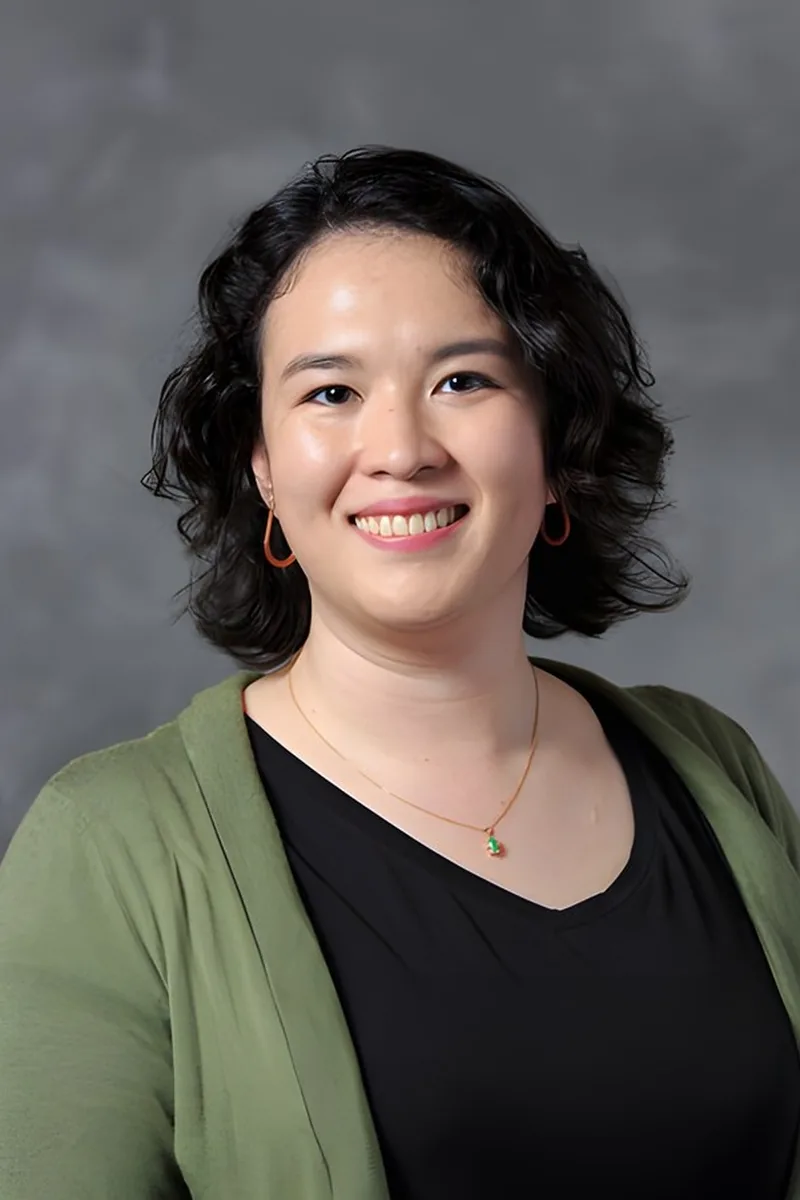
Michelle's PhD thesis centered on bacterial infections, so microbiology isn't a textbook subject for her — it's the system she lived in for years. She digs into topics like biofilm formation, antimicrobial resistance mechanisms, and host-pathogen dynamics with the kind of specificity that comes from designing experiments around those exact processes.
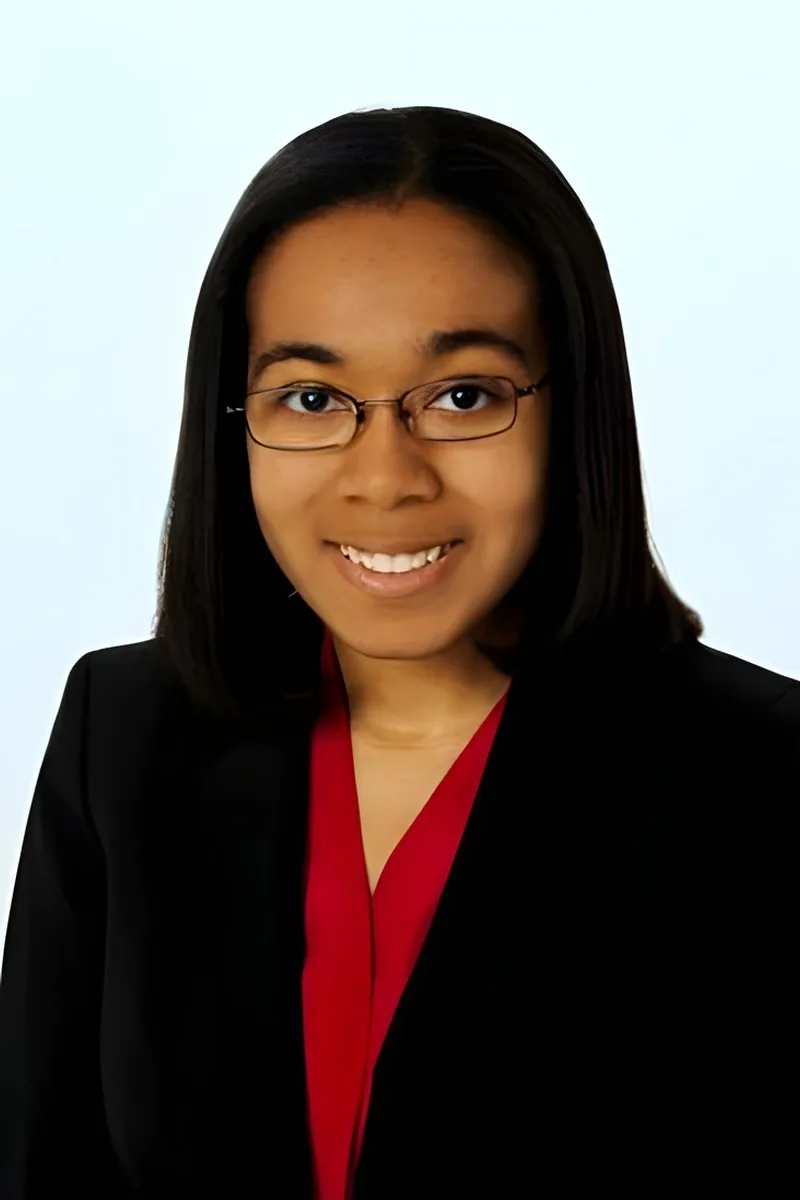
Jean's medical training at Harvard Medical School gave her deep familiarity with the microbiology that matters most: bacterial pathogenesis, viral replication cycles, immune evasion strategies, and antimicrobial resistance. She breaks down complex host-pathogen interactions by tying them to clinical scenarios, which makes the material stick far better than rote memorization of genus and species lists.
From bacterial gene regulation to viral replication strategies, microbiology demands comfort with both molecular detail and big-picture ecology. Zachary's graduate work in molecular biology gave him hands-on familiarity with the techniques and concepts — Gram staining, quorum sensing, antibiotic resistance mechanisms — that form the backbone of most microbiology courses.
Currently in graduate study with a focus on evolution and bioanthropology, Alex brings real lab-level understanding to microbiology topics like bacterial genetics, microbial ecology, and host-pathogen interactions. He connects microscopic processes to big-picture evolutionary questions, which makes concepts like horizontal gene transfer and antibiotic resistance click for students who struggle with rote memorization.
Micheal's biotechnology degree and his work at Massachusetts General Hospital mean microbiology isn't theoretical for him — it's the daily reality of understanding bacterial pathogenesis, culture techniques, and antimicrobial resistance. He unpacks dense topics like metabolic pathways and microbial genetics by tying them to clinical scenarios students can visualize.
Studying cellular and molecular biology at Duke means Nicole understands microorganisms at the mechanistic level — how bacteria regulate gene expression, how viruses hijack host machinery, and how immune responses distinguish self from pathogen. She teaches microbiology by connecting metabolic pathways and structural features to clinical or environmental outcomes, which makes identification and classification far more intuitive.
This is Robert's home turf — he earned his PhD in microbiology and brings deep fluency with bacterial genetics, virology, immunology, and lab techniques like PCR and gel electrophoresis. He uses hand-drawn diagrams to unpack complex processes like quorum sensing or phage replication cycles, making dense material far more approachable. Rated 4.9 by students.
Having studied biomedical sciences with a focus on medicine before entering nursing, Albert brings firsthand knowledge of bacterial morphology, culture techniques, and pathogenic mechanisms to microbiology tutoring. He unpacks topics like gram staining protocols, microbial genetics, and host-pathogen interactions by tying them to clinical scenarios he's encountered in his training.
Anthony's current research on Alzheimer's and Parkinson's disease therapies keeps him immersed in microbial culture techniques, cellular mechanisms, and pathogen-host interactions on a daily basis. He connects textbook topics like bacterial genetics, metabolic pathways, and immune evasion strategies to the kind of bench-level reasoning that makes the material stick.
From bacterial pathogenesis to viral replication cycles, Patrick's PhD in Cellular and Molecular Biology gave him deep fluency with the mechanisms that drive microbial life. He currently conducts biomedical research at Harvard Medical School, which means he can connect textbook topics like quorum sensing or antibiotic resistance to what's actually happening in active labs right now.
Gram stains, culture techniques, and the differences between bacterial, viral, and fungal pathogenesis can blur together fast in a microbiology course. Priyanka's medical training — including her current research at Harvard Medical School and Massachusetts General Hospital — gives her a clinician's perspective on how to organize pathogens by mechanism, virulence factors, and treatment rather than rote memorization.
Studying microbiology from a textbook is one thing; Hussein also learned it through clinical and research work at a Boston hospital, where bacterial pathogenesis and antimicrobial resistance aren't abstractions but daily realities. He unpacks topics like microbial metabolism, gram staining classification, and host-pathogen interactions by tying them to the clinical cases he's actually seen.
Katharine's biochemistry degree means she spent years studying the molecular machinery that microorganisms rely on — enzyme pathways, membrane dynamics, and the metabolic versatility that lets bacteria thrive in wildly different environments. That molecular-level fluency is especially useful when unpacking topics like how gram-negative bacteria resist certain antibiotics or how metabolic byproducts shape microbial community composition, because she can trace each phenomenon back to the specific biochemical reactions driving it.
Environmental science and public policy might seem distant from microbiology, but Ethan's coursework in biology, chemistry, and ecology covered the microbial ecology and nutrient cycling that underpin environmental systems — how soil bacteria drive nitrogen fixation, how waterborne pathogens behave in different conditions, and why microbial communities matter for public health policy. That environmental angle gives him a unique way of explaining concepts like bacterial metabolism and population dynamics, grounding abstract processes in real-world ecological contexts. Holds a 5.0 rating.
Medical school gave Amanda a front-row seat to microbiology that matters — bacterial pathogenesis, viral replication cycles, immune evasion strategies, and antimicrobial resistance. She teaches microbiology by organizing organisms around the mechanisms that make them dangerous or clinically important, which turns a subject that can feel like pure memorization into a set of logical patterns. Students preparing for exams or applying to health professions get a tutor who knows exactly how this material shows up later.
Understanding bacterial metabolism, viral replication cycles, and immune response pathways requires more than memorizing diagrams — it requires seeing how microorganisms interact with living systems. Li's training in both speech-and-hearing science and medicine gives her a clinical lens that makes microbiology concepts feel relevant and interconnected.
A Stanford-trained biologist, Abhinav digs into microbiology topics like bacterial cell structure, metabolic pathways, and host-pathogen interactions with the detail they demand. He connects concepts across scales — linking molecular mechanisms like quorum sensing to broader outcomes like biofilm formation — so students see microbiology as a story rather than a catalog of organisms.
Richard's PhD research at Northwestern is in microbiology, which means he's not teaching this subject from a textbook — he's living it. He digs into topics like bacterial pathogenesis, microbial genetics, and host-immune interactions with the kind of detail that comes from years at the bench. Students preparing for exams or struggling with lab reports get someone who can connect microscopic mechanisms to the bigger public health picture.
I believe every student can make meaningful progress when instruction is tailored to their starting point, goals, and learning style. With more than 15 years of tutoring and teaching experience, including SAT, ACT, MCAT, and medical licensing examinations, along with a background teaching chemistry and physics, I help students strengthen academic skills, improve test-taking strategies, and build confidence. My approach is individualized and results-focused. I identify strengths and knowledge gaps, then create a clear plan targeting content, problem-solving, timing, organization, and study habits. I am patient, encouraging, and experienced working with diverse learning needs, including ADHD, as well as students who struggle with test anxiety, focus, or confidence. I also value clear communication with students and families so everyone understands the student's goals, progress, and next steps.
I'm a current medical student at VCU School of Medicine, and a graduate of Johns Hopkins University. I received my Bachelor of Science in Molecular and Cellular Biology. I've had the pleasure of tutoring a diverse range of students for 5 years; while I tutor a broad set of subjects, I'm most passionate about biology, psychology, and chemistry. I'm a big proponent of ensuring understanding over memorization and teaching concepts that last for years to come (particularly for other students interested in medicine!) In my free time, I love to write poetry, edit essays, and gush about game writing with friends.
Understanding microbiology means keeping dozens of organisms, metabolic pathways, and virulence mechanisms straight — and knowing when the differences actually matter. Jonathan's human biology training and pre-med preparation at Cornell gave him a clinical lens for bacterial genetics, host-pathogen interactions, and antimicrobial resistance that makes the material more intuitive than rote flashcard review.
Medical school builds microbiology into nearly every clinical rotation — Robin's training means she's traced how specific pathogens cause disease, how immune responses escalate, and why certain antibiotics target one organism but not another. That clinical context turns dense material like Gram classifications and virulence mechanisms into something students can reason through, because each organism connects to a real disease process. Rated 5.0 by students.
Bacterial genetics, microbial metabolism, and pathogenesis mechanisms can feel like an overwhelming amount of detail to absorb at once. Akarsh earned both his bachelor's and master's degrees in cellular and molecular biology, so he unpacks microbiology at the molecular level — connecting gene regulation to virulence factors and metabolic pathways in ways that make the material stick.
Rashida's PhD in Cellular and Molecular Biology means she teaches microbiology from the inside out — starting at the level of gene regulation, membrane transport, and molecular signaling before zooming out to how microorganisms behave in populations. Her doctoral research and experience leading discussions in cell biology and Mendelian genetics give her a particular knack for explaining how bacteria acquire and express resistance genes, or how horizontal gene transfer reshapes microbial communities. Rated 5.0 by students.
Studying microbiology at the college level means juggling bacterial classification, metabolic pathways, virulence factors, and immune response mechanisms all at once. Kristin earned her biology degree at the University of Chicago and now applies microbiology daily in her nursing graduate program at Penn, where pathogen behavior and infection control are part of clinical reality rather than just textbook diagrams.
Testimonials
Because the right Microbiology tutor makes all the difference.
Average Session Rating – Based on 3.4M Learner Ratings
Nearby Microbiology Tutors
Other Worcester Tutors
Related Science Tutors in Worcester
Frequently Asked Questions
During your first session, a tutor will assess your current understanding of microbiology concepts, identify specific areas where you're struggling—whether that's bacterial identification, metabolic pathways, or lab techniques—and discuss your learning goals. This personalized approach helps create a customized plan that addresses your unique needs, whether you're preparing for exams, completing lab reports, or building foundational knowledge.
Yes. Tutors can help you understand the scientific reasoning behind lab procedures, interpret experimental results, and connect hands-on techniques to the underlying microbiology concepts. Whether you're learning proper aseptic technique, analyzing culture plates, or troubleshooting why an experiment didn't work as expected, personalized instruction helps you develop both technical skills and scientific thinking.
Not at all. While microbiology does involve learning terminology, the real focus is understanding how microorganisms function, interact with their environment, and affect human health. Tutors help you move beyond memorization by connecting concepts—like how bacterial cell structure relates to antibiotic resistance or how metabolic pathways enable survival—so the material becomes meaningful and easier to retain.
Many students struggle to visualize things they can't see with the naked eye. Tutors use diagrams, models, animations, and real microscope observations to help you build mental images of bacterial structures, viral replication, and cellular processes. Breaking down complex mechanisms into smaller, visual steps makes abstract concepts concrete and easier to understand.
Students often struggle with connecting theoretical concepts to real-world applications—understanding not just what happens, but why and how it matters. Other common challenges include mastering staining techniques, interpreting microscope observations, understanding metabolic pathways, and grasping the relationship between microbial structure and function. Personalized tutoring addresses these specific pain points with targeted explanations and practice.
Look for tutors with strong backgrounds in microbiology or related life sciences, ideally with experience in both coursework and lab settings. They should be able to explain complex concepts clearly, understand your specific curriculum, and help you develop scientific reasoning skills—not just memorize facts. Varsity Tutors connects you with expert tutors who have the knowledge and teaching ability to make microbiology click.
Tutors help you build a deep understanding of core concepts so you can apply knowledge to unfamiliar questions, not just recall facts. For lab practicals, they can review identification techniques, proper procedures, and how to interpret results under exam conditions. Regular practice with tutoring also builds confidence and reduces test anxiety by ensuring you truly understand the material.
With 60 schools across 6 school districts in Worcester, students have different curricula and pacing. Varsity Tutors connects you with tutors who can align with your specific course requirements, whether you're in high school biology with a microbiology unit, AP Biology, or college-level microbiology. Personalized instruction ensures you're learning what you need, when you need it, to succeed in your particular program.
Let’s find your perfect tutor
Answer a few quick questions. We’ll recommend the right plan and match you with a top 5% tutor.