Award-Winning Microbiology Tutors
serving Springfield, MA
Microbiology
Tutors in Springfield
Private 1-on-1 tutoring, weekly live classes for academic support, test prep & enrichment, practice tests and diagnostics, and more to elevate grades and test scores.
Based on 3.4M Learner Ratings
UniversitiesSchools & Universities
DeliveredHours Delivered
ProficiencyGrowth in Proficiency
Who needs tutoring?
No obligation. Takes ~1 minute.
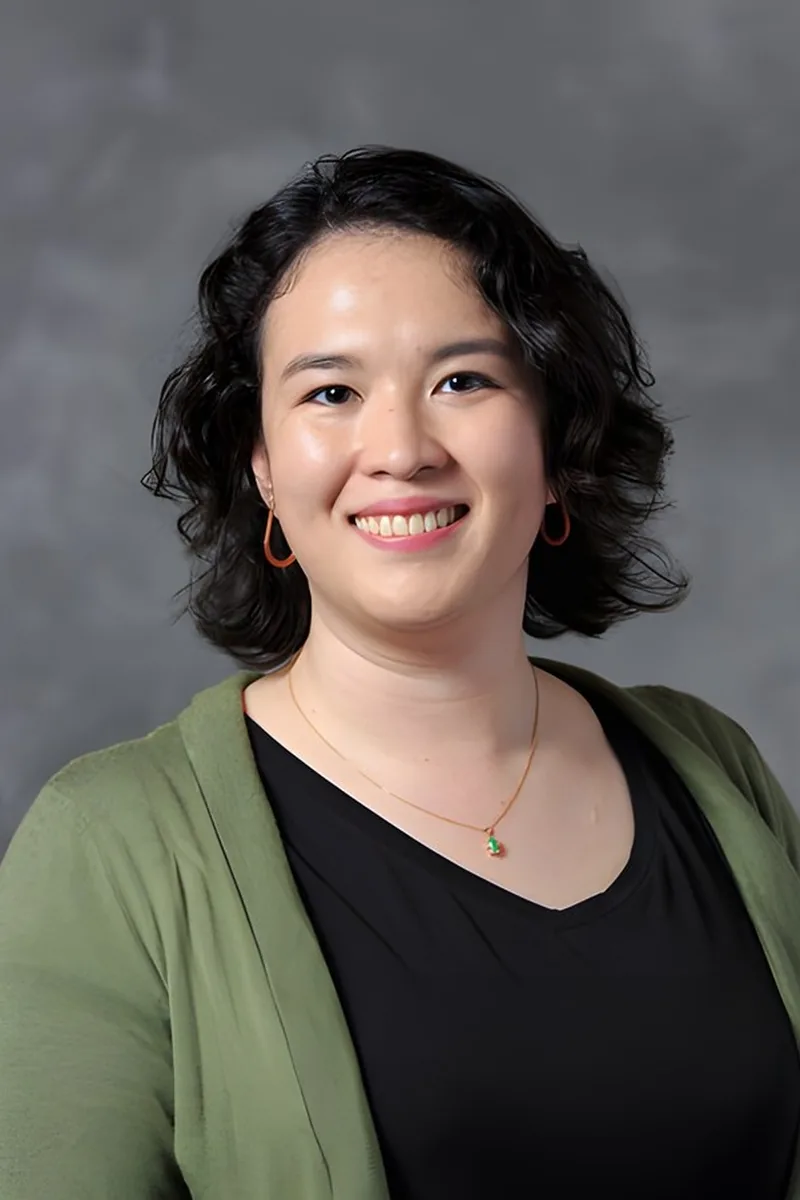
Michelle's PhD thesis centered on bacterial infections, so microbiology isn't a textbook subject for her — it's the system she lived in for years. She digs into topics like biofilm formation, antimicrobial resistance mechanisms, and host-pathogen dynamics with the kind of specificity that comes from designing experiments around those exact processes.
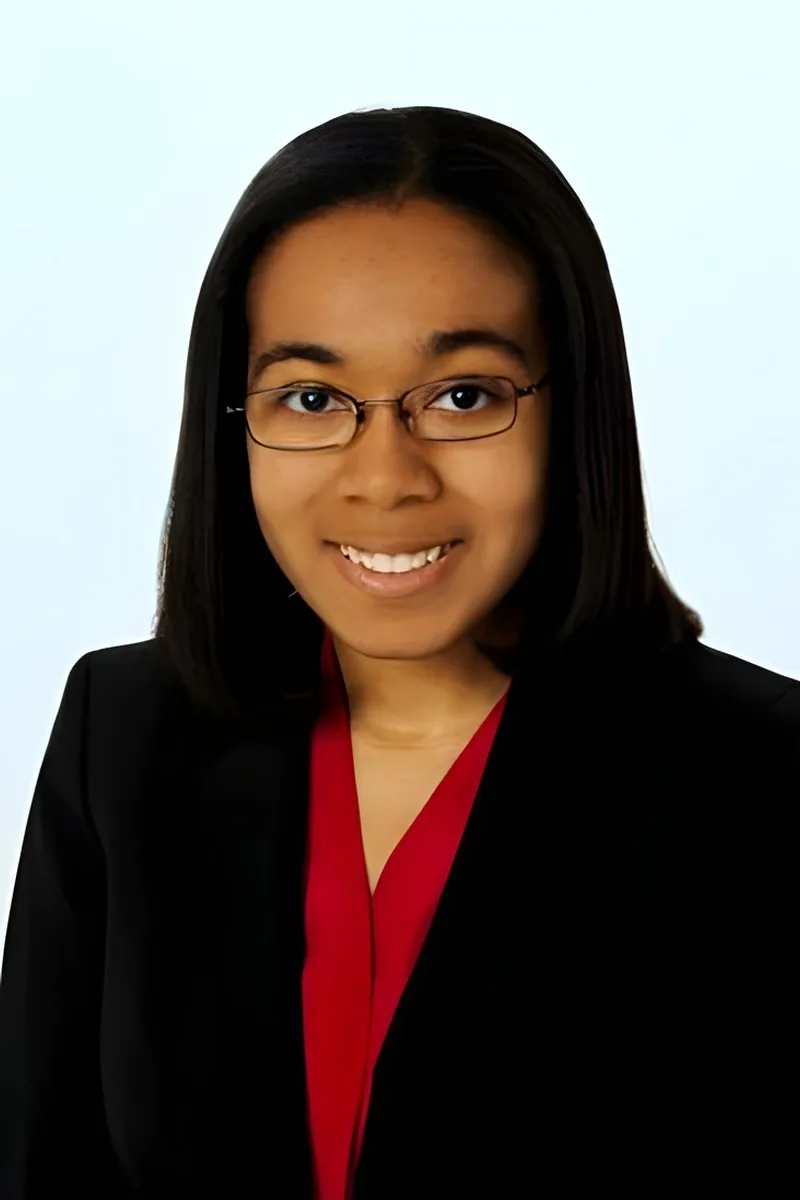
Jean's medical training at Harvard Medical School gave her deep familiarity with the microbiology that matters most: bacterial pathogenesis, viral replication cycles, immune evasion strategies, and antimicrobial resistance. She breaks down complex host-pathogen interactions by tying them to clinical scenarios, which makes the material stick far better than rote memorization of genus and species lists.
From bacterial gene regulation to viral replication strategies, microbiology demands comfort with both molecular detail and big-picture ecology. Zachary's graduate work in molecular biology gave him hands-on familiarity with the techniques and concepts — Gram staining, quorum sensing, antibiotic resistance mechanisms — that form the backbone of most microbiology courses.
Micheal's biotechnology degree and his work at Massachusetts General Hospital mean microbiology isn't theoretical for him — it's the daily reality of understanding bacterial pathogenesis, culture techniques, and antimicrobial resistance. He unpacks dense topics like metabolic pathways and microbial genetics by tying them to clinical scenarios students can visualize.
Currently in graduate study with a focus on evolution and bioanthropology, Alex brings real lab-level understanding to microbiology topics like bacterial genetics, microbial ecology, and host-pathogen interactions. He connects microscopic processes to big-picture evolutionary questions, which makes concepts like horizontal gene transfer and antibiotic resistance click for students who struggle with rote memorization.
Studying cellular and molecular biology at Duke means Nicole understands microorganisms at the mechanistic level — how bacteria regulate gene expression, how viruses hijack host machinery, and how immune responses distinguish self from pathogen. She teaches microbiology by connecting metabolic pathways and structural features to clinical or environmental outcomes, which makes identification and classification far more intuitive.
This is Robert's home turf — he earned his PhD in microbiology and brings deep fluency with bacterial genetics, virology, immunology, and lab techniques like PCR and gel electrophoresis. He uses hand-drawn diagrams to unpack complex processes like quorum sensing or phage replication cycles, making dense material far more approachable. Rated 4.9 by students.
Having studied biomedical sciences with a focus on medicine before entering nursing, Albert brings firsthand knowledge of bacterial morphology, culture techniques, and pathogenic mechanisms to microbiology tutoring. He unpacks topics like gram staining protocols, microbial genetics, and host-pathogen interactions by tying them to clinical scenarios he's encountered in his training.
Anthony's current research on Alzheimer's and Parkinson's disease therapies keeps him immersed in microbial culture techniques, cellular mechanisms, and pathogen-host interactions on a daily basis. He connects textbook topics like bacterial genetics, metabolic pathways, and immune evasion strategies to the kind of bench-level reasoning that makes the material stick.
From bacterial pathogenesis to viral replication cycles, Patrick's PhD in Cellular and Molecular Biology gave him deep fluency with the mechanisms that drive microbial life. He currently conducts biomedical research at Harvard Medical School, which means he can connect textbook topics like quorum sensing or antibiotic resistance to what's actually happening in active labs right now.
Gram stains, culture techniques, and the differences between bacterial, viral, and fungal pathogenesis can blur together fast in a microbiology course. Priyanka's medical training — including her current research at Harvard Medical School and Massachusetts General Hospital — gives her a clinician's perspective on how to organize pathogens by mechanism, virulence factors, and treatment rather than rote memorization.
Studying microbiology from a textbook is one thing; Hussein also learned it through clinical and research work at a Boston hospital, where bacterial pathogenesis and antimicrobial resistance aren't abstractions but daily realities. He unpacks topics like microbial metabolism, gram staining classification, and host-pathogen interactions by tying them to the clinical cases he's actually seen.
Katharine's biochemistry degree means she spent years studying the molecular machinery that microorganisms rely on — enzyme pathways, membrane dynamics, and the metabolic versatility that lets bacteria thrive in wildly different environments. That molecular-level fluency is especially useful when unpacking topics like how gram-negative bacteria resist certain antibiotics or how metabolic byproducts shape microbial community composition, because she can trace each phenomenon back to the specific biochemical reactions driving it.
As a biology major at Boston College, Andrew's coursework in cell biology and lab science gave him hands-on experience with the microbial world — bacterial structure, growth dynamics, and the metabolic differences that determine how organisms thrive in different environments. His parallel study of chemistry strengthens how he explains topics like cell membrane function and nutrient uptake at the molecular level, turning dense material into something students can actually reason through. Rated 5.0 by students.
Bacterial classification, viral replication cycles, antimicrobial resistance mechanisms — microbiology covers enormous ground, and Emad has taught it at the college level alongside related courses in infectious diseases and pharmacology. That overlap means he can explain not just what a pathogen does, but why certain drugs target it and how the immune response unfolds.
Richard's PhD research at Northwestern is in microbiology, which means he's not teaching this subject from a textbook — he's living it. He digs into topics like bacterial pathogenesis, microbial genetics, and host-immune interactions with the kind of detail that comes from years at the bench. Students preparing for exams or struggling with lab reports get someone who can connect microscopic mechanisms to the bigger public health picture.
Haley's day job in a public health laboratory gives her hands-on experience with the bacterial cultures, staining techniques, and antimicrobial susceptibility testing that microbiology courses cover in theory. She brings real bench context to topics like gram-negative vs. gram-positive classification, metabolic pathways, and pathogenesis — turning textbook organisms into something tangible. Rated 5.0 by students.
Understanding bacterial metabolism, viral replication cycles, and immune response pathways requires more than memorizing diagrams — it requires seeing how microorganisms interact with living systems. Li's training in both speech-and-hearing science and medicine gives her a clinical lens that makes microbiology concepts feel relevant and interconnected.
As a second-year medical student with an undergraduate degree in Molecular, Cell, & Developmental Biology from UCLA, Vinay brings clinical context to microbiology topics like bacterial pathogenesis, viral replication cycles, and antimicrobial resistance mechanisms. He connects each organism's structure to its behavior — explaining *why* gram-negative bacteria respond differently to antibiotics, not just *that* they do. His pharmacology knowledge adds an extra layer for students studying micro in a pre-health context.
Medical school at Penn's Perelman School of Medicine gave Daniel hands-on exposure to microbiology that goes well beyond a standard textbook — from bacterial virulence factors to antibiotic resistance mechanisms to the clinical presentations they produce. He connects microbial physiology to real infectious disease scenarios, which makes distinguishing gram-positive from gram-negative organisms or understanding viral replication cycles far more intuitive.
A Stanford Human Biology degree with a concentration in bioinformatics gave Matthew a computational angle on microbiology — he thinks about microbial populations in terms of gene expression data, genomic analysis, and the quantitative patterns underlying concepts like antibiotic resistance and pathogen evolution. That top-down, systems-level perspective is especially useful for students who struggle to see how individual topics like bacterial metabolism or viral replication fit into the bigger biological picture. Rated 4.9 by students.
Medical school demands a granular understanding of pathogens — bacterial cell wall differences, viral replication cycles, antibiotic resistance mechanisms. Daniel earned his M.D. and brings that clinical lens to microbiology, connecting each organism's structure and behavior to the disease processes students are expected to know for exams.
Understanding microbiology means more than memorizing bacterial classifications — it requires seeing how metabolic pathways, genetic regulation, and environmental pressures shape microbial behavior. Alec studied genetics, genomics, and development at Cornell and taught biology content in both lecture and small-group settings, giving him a knack for making concepts like quorum sensing or virulence factor regulation feel intuitive rather than overwhelming.
Gram stains, bacterial metabolic pathways, and viral replication cycles all require a kind of systematic memorization that falls apart without conceptual scaffolding. Anni's graduate work in biomedical sciences at UMDNJ gave her direct experience with microbial concepts, and she teaches them by linking each organism's structure to its clinical significance.
Studying microbiology in preparation for medical school gave Nishad a detailed command of bacterial physiology, viral replication cycles, and immune response pathways. He teaches students to connect structure to function — understanding why Gram-negative bacteria resist certain antibiotics, for instance, by tracing the architecture of their outer membrane.
Testimonials
Because the right Microbiology tutor makes all the difference.
Average Session Rating – Based on 3.4M Learner Ratings
Nearby Microbiology Tutors
Other Springfield Tutors
Related Science Tutors in Springfield
Frequently Asked Questions
Microbiology requires understanding invisible organisms and complex processes that are difficult to visualize—from bacterial cell structures to metabolic pathways. Many students struggle with connecting theoretical concepts like DNA replication or immune responses to real-world applications, and memorizing terminology without grasping the underlying mechanisms often leads to confusion. Personalized 1-on-1 instruction helps students move beyond rote memorization to develop genuine scientific reasoning skills and see how microbial processes relate to medicine, food safety, and environmental science.
Tutoring goes beyond classroom lectures to help you understand the scientific method and how to design, conduct, and interpret experiments. Expert tutors can clarify what you're observing under the microscope, explain why certain techniques matter, and help you troubleshoot when results don't match expectations. This deeper understanding prepares you not just to complete lab reports, but to think like a microbiologist and apply experimental thinking to new problems.
Microbiology tutoring covers bacterial and viral structure and function, metabolic pathways, genetics and molecular biology, immunology, epidemiology, and applied microbiology in medicine and industry. Tutors also help with lab techniques, data analysis, and exam preparation for AP Biology (microbiology unit), college-level microbiology courses, and standardized tests. The specific focus depends on your course level and learning goals.
One of the biggest hurdles in microbiology is understanding processes at scales beyond human perception. Personalized instruction helps by using diagrams, animations, models, and real-world analogies to make abstract concepts concrete—explaining how antibiotic resistance spreads like a game of survival, or how the immune system works like a defense system. When you can mentally visualize what's happening at the cellular and molecular level, the science becomes much more intuitive and memorable.
During an initial session, a tutor will assess your current understanding of microbiology concepts, identify specific areas where you're struggling (whether that's taxonomy, genetics, or lab interpretation), and learn your learning style and goals. From there, they'll create a personalized plan focused on your needs—whether you're preparing for an exam, strengthening foundational concepts, or diving deeper into advanced topics. This customized approach ensures every session builds directly on what you need most.
Expert tutors help you move beyond cramming facts to understanding the connections between concepts—how bacterial genetics relates to antibiotic resistance, or how immune responses connect to vaccine development. They'll work with you on practice problems, help you interpret exam-style questions, and teach you strategies for applying your knowledge to novel scenarios. This approach builds both confidence and the deeper understanding that leads to stronger exam performance.
Varsity Tutors connects you with expert tutors who have deep knowledge of microbiology and experience teaching students in Springfield. You can specify your course level, learning goals, and schedule preferences, and we'll match you with someone who fits your needs. The process is straightforward—once matched, you can start personalized instruction right away, whether you need ongoing support or help preparing for a specific exam.
Look for tutors with strong backgrounds in microbiology or related sciences—whether that's a degree in microbiology, biology, chemistry, or medicine—plus experience explaining complex concepts clearly. The best tutors combine subject expertise with the ability to connect theory to real-world applications and adapt their teaching to your learning style. Varsity Tutors connects you with tutors who meet these standards and can demonstrate their ability to help students succeed.
Let’s find your perfect tutor
Answer a few quick questions. We’ll recommend the right plan and match you with a top 5% tutor.