Award-Winning AP Chinese Language and Culture Tutors
serving Worcester, MA
AP Chinese Language and Culture
Tutors in Worcester
Private 1-on-1 tutoring, weekly live classes for academic support, test prep & enrichment, practice tests and diagnostics, and more to elevate grades and test scores.
Based on 3.4M Learner Ratings
UniversitiesSchools & Universities
DeliveredHours Delivered
ProficiencyGrowth in Proficiency
Who needs tutoring?
No obligation. Takes ~1 minute.

The AP Chinese Language and Culture exam tests more than vocabulary — it requires students to compare cultural practices, narrate stories in real time, and write structured responses under pressure. Yiyu, educated in Beijing before earning her M.S. in Education, unpacks the cultural knowledge embedded in each task type and drills the specific speaking and writing patterns that earn top scores.
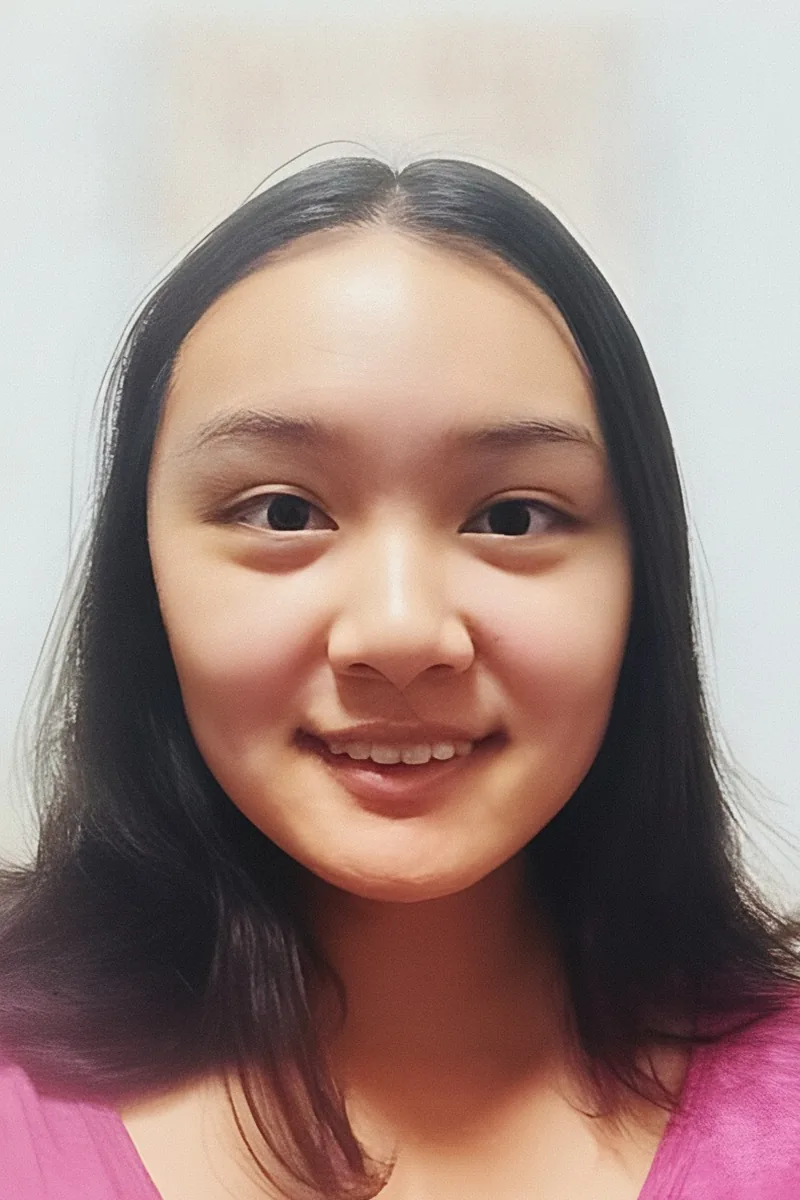
Minoring in Chinese at Northeastern while pursuing a pharmacy degree, Amy uses the language daily in academic contexts — reading research, discussing coursework — which builds the kind of formal register fluency the AP Chinese exam's interpretive reading and presentational writing sections actually test. Her 4.9 rating from students reflects a knack for breaking complex characters and grammatical structures into manageable patterns, and she draws on her own experience as a heritage learner to bridge gaps between conversational Mandarin and the academic-level precision the exam demands.
The AP Chinese Language and Culture exam tests far more than vocabulary — it demands cultural literacy and the ability to switch between interpersonal, interpretive, and presentational communication modes. As a fluent Mandarin speaker with a science-trained discipline for systematic preparation, Jing tackles each section's unique format so students know exactly what the exam expects.
As a native Mandarin speaker who moved to the U.S. at nine and later studied at Cornell, Jennifer bridges Chinese and American culture in a way that's hard to find in a tutor. She covers all four AP skill areas — interpretive reading, listening, presentational writing, and spoken interpersonal communication — while weaving in the cultural knowledge that the exam's free-response questions specifically test. Rated 5.0 by students.
The AP Chinese Language and Culture exam tests more than vocabulary — it demands cultural literacy, formal writing conventions, and the ability to switch between interpersonal and presentational communication on the spot. May is a native speaker who has taught Mandarin at multiple levels and understands how to bridge the gap between conversational fluency and the precise, structured responses the exam rewards.
Eric teaches across three levels of Mandarin Chinese and coaches AP Chinese Language and Culture with a particular edge on the interpersonal speaking tasks, where his conversational fluency and 36 ACT verbal instincts help students think on their feet during timed prompts. His biomedical engineering coursework at Duke also means he can introduce technical and academic vocabulary that gives cultural comparison essays unexpected depth — discussing China's healthcare system, STEM education culture, or scientific collaboration norms rather than recycling the same festival examples every other student writes about.
Xiansheng's cellular and molecular biology degree might seem like an odd fit here, but he teaches across five levels of Mandarin Chinese and scored 1450 on the SAT — the analytical rigor carries over directly to coaching the AP exam's interpretive reading section, where students must parse dense, formal Mandarin and extract meaning under strict time limits. He's especially useful for students whose conversational Mandarin is solid but who stumble on the written exam components that demand precise character recognition and grammatical accuracy. Rated 4.7 by students.
Most AP Chinese prep zeroes in on language mechanics, but the exam's interpersonal speaking prompts reward the kind of natural, idiomatic Mandarin that only comes from native fluency — and Tracy grew up speaking it at home. She also teaches across multiple Mandarin levels and competed in math competitions using bilingual problem-solving skills, so she understands how to bridge the gap between conversational comfort and the formal register the exam demands. Rated 4.9 by students.
Because Karen teaches both traditional and simplified characters — and has tutored business Chinese alongside academic prep — her AP Chinese students get comfortable with the full range of written forms and registers the exam throws at them, from formal presentational writing to the interpretive reading passages that mix literary and contemporary styles. As a native Mandarin speaker with direct experience preparing students for the AP level, she zeroes in on the tonal precision and grammatical control that separate a 4 from a 5.
The AP Chinese Language and Culture exam uniquely blends language proficiency with cultural comparison, asking students to present on practices and perspectives across Chinese-speaking communities. Christina's Mandarin instruction spans beginner through advanced levels, giving her a clear sense of where students' gaps tend to hide — whether it's measure words, aspect markers, or the formal tone the exam's interpersonal writing section expects. She builds targeted practice around the exam's six themes so students aren't just fluent but exam-ready.
Scoring well on the AP Chinese exam means toggling between reading comprehension, cultural knowledge, and spontaneous speaking — all in one test. Nicole is fluent in both Mandarin and Cantonese and teaches students to navigate the interpersonal and presentational communication tasks the exam demands. She puts particular emphasis on the cultural comparison essay, where strong structure makes all the difference.
Wei's PhD research in language acquisition at UGA directly informs how she teaches the AP Chinese exam's trickiest section: presentational writing, where students must produce organized, culturally grounded Mandarin that reads as more than translated English. Her background teaching bilingual Chinese American children means she's skilled at diagnosing whether a student's errors stem from interference between their two languages — a distinction that changes the entire tutoring approach. Rated 5.0 by students.
Patricia's favorite subjects to tutor include beginner's and intermediate Chinese, and she brings that same enthusiasm to AP-level prep — particularly the listening comprehension and reading sections where students need to parse formal written Mandarin beyond everyday conversation. She also teaches across multiple Mandarin levels, so she can quickly identify which foundational gaps in grammar or vocabulary are holding a student back on timed exam tasks.
Having grown up in China and studied at both UW-Madison and Bonn University in Germany, Mingxi brings native Mandarin fluency and a multilingual learner's awareness of how language structures differ — an edge that's especially useful for the AP Chinese exam's interpersonal response tasks, where students must produce natural, register-appropriate Mandarin on the spot. She also teaches across three levels of Mandarin Chinese, so she can quickly diagnose whether a student's weak spots are tonal, grammatical, or rooted in limited exposure to formal written conventions. Rated 4.7 by students.
Testimonials
Because the right AP Chinese Language and Culture tutor makes all the difference.
Average Session Rating – Based on 3.4M Learner Ratings
Nearby AP Chinese Language and Culture Tutors
Other Worcester Tutors
Related Languages Tutors in Worcester
Frequently Asked Questions
The AP Chinese Language and Culture exam tests proficiency across five key areas: interpersonal communication (conversations and responses), interpretive communication (reading and listening comprehension), presentational writing, presentational speaking, and cultural knowledge. The exam is scored on a scale of 1-5, with most colleges granting credit for scores of 3 or higher. The test emphasizes real-world communication skills rather than grammar memorization, so preparation focuses on practical language use and cultural understanding.
Preparation time varies based on your current proficiency level, but most students benefit from 3-6 months of focused study before the exam. According to FSI language learning estimates, achieving professional-level proficiency in Mandarin Chinese requires approximately 2,200 hours of study; AP Chinese preparation typically builds on existing coursework rather than starting from scratch. A personalized tutor can help you assess your current level, identify gaps in the five exam domains, and create a targeted study schedule that maximizes your preparation time.
The speaking section often causes the most stress because it requires real-time response without the ability to revise. Regular practice with personalized 1-on-1 instruction helps build confidence by allowing you to speak in a low-pressure environment, receive immediate feedback on pronunciation and phrasing, and gradually increase difficulty. Tutors can help you develop strategies for the two speaking tasks—the conversation (where you respond to prompts) and the cultural presentation—so you feel prepared for the exam format and timing.
Both sections require exposure to authentic Chinese materials and practice with exam-style questions. Effective strategies include listening to Chinese podcasts, news, and films regularly; reading news articles and social media posts in Chinese; and completing timed practice tests to build speed and accuracy. A tutor can help you identify which vocabulary or grammar patterns trip you up most, recommend targeted resources at your level, and teach you question-analysis techniques so you understand what each prompt is really asking.
Cultural understanding is woven throughout the exam—it's not just a separate section but integral to reading passages, listening materials, and the presentational speaking task. The exam expects you to understand contemporary Chinese culture, traditions, social issues, and values. Studying culture alongside language skills helps you better comprehend authentic materials and express yourself more naturally. Your tutor can guide you through key cultural topics and help you connect language learning with cultural context.
Most students benefit from taking 3-5 full-length practice tests during their preparation, spaced throughout their study period rather than all at once. The first practice test helps identify your baseline and weakest areas; subsequent tests track improvement and build test-day stamina. After each practice test, spend time analyzing errors—not just reviewing answers, but understanding why you missed questions and what strategies could have helped. A tutor can help you interpret practice test results and adjust your study plan based on patterns in your performance.
Varsity Tutors connects you with tutors who have expertise in AP Chinese Language and Culture and understand the specific demands of the exam. When you reach out, you'll be matched with a tutor whose background aligns with your goals—whether you need help building overall proficiency, targeting specific exam sections, or refining your cultural knowledge. Tutors can work with your schedule and adapt instruction to your learning style, helping you maximize your preparation in the months leading up to the exam.
Score improvement depends on your starting point, the amount of time you invest, and how consistently you practice between sessions. Students who work with a tutor typically see measurable improvement in specific weak areas—for example, moving from struggling with timed reading comprehension to completing it confidently, or gaining fluency in conversational responses. The most significant gains come from combining tutoring with consistent independent practice, regular exposure to authentic Chinese materials, and honest self-assessment of which exam domains need the most work.
Let’s find your perfect tutor
Answer a few quick questions. We’ll recommend the right plan and match you with a top 5% tutor.