Award-Winning AP English Language and Composition Tutors
serving Baltimore, MD
AP English Language and Composition
Tutors in Baltimore
Private 1-on-1 tutoring, weekly live classes for academic support, test prep & enrichment, practice tests and diagnostics, and more to elevate grades and test scores.
Based on 3.4M Learner Ratings
UniversitiesSchools & Universities
DeliveredHours Delivered
ProficiencyGrowth in Proficiency
Who needs tutoring?
No obligation. Takes ~1 minute.

I have spent 20 years teaching students across Singapore and North America, supporting learners in English, math, science, geography, and philosophy. I enjoy helping students who are not native English speakers understand complex concepts and terminology. I hold a BA in Criminology from Simon Fraser University, an MBA in healthcare management, and I am currently pursuing a PhD in Health Sciences at Liberty University. I also bring over 10 years of experience as a nonclinical investigator and work as a fraud analyst in the healthcare industry. My diverse background strengthens my communication, critical thinking, and problemsolving skills, all of which influence my teaching. Outside of work, I enjoy the outdoors, spending time with my family, and caring for my Bernese Mountain Dog. I am committed to helping students grow in confidence and reach their academic goals.
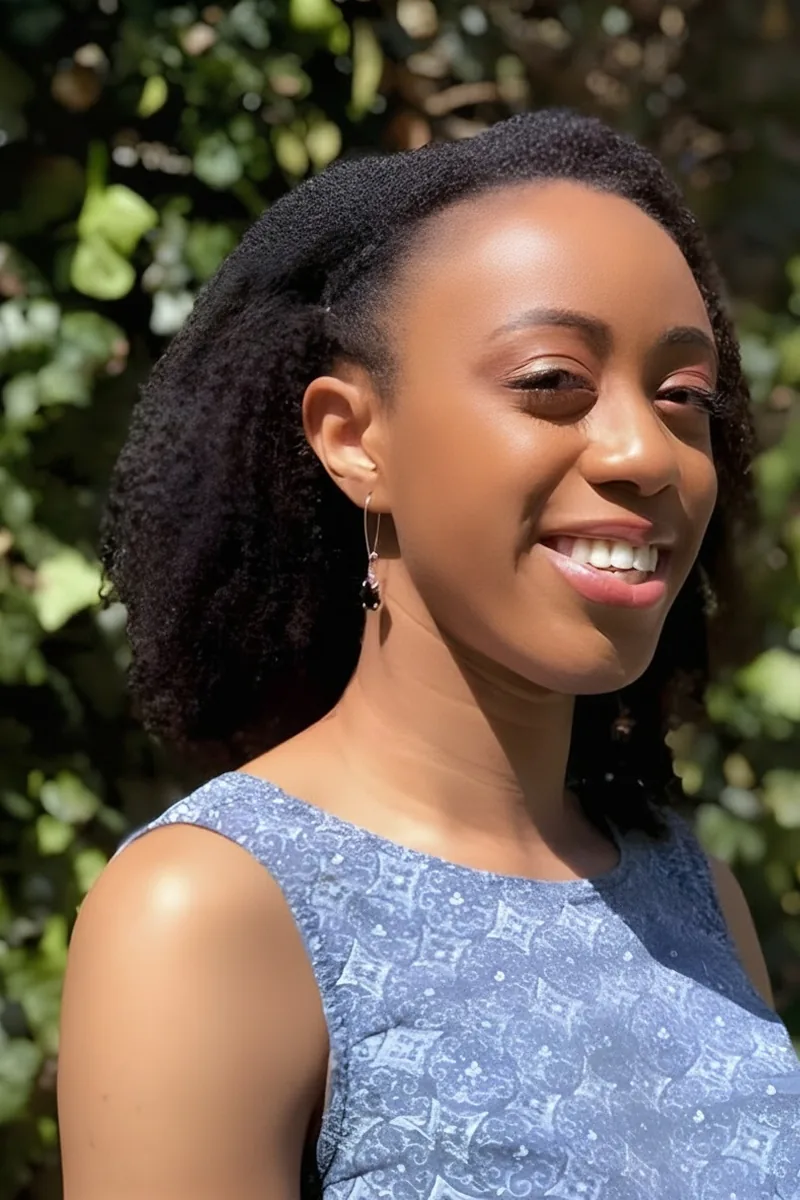
Rhetorical analysis is the backbone of AP Lang, and it trips students up because they confuse identifying a device with explaining how it functions in context. Stephanie approaches each passage as an argument to dissect — examining how authors deploy ethos, strategic concessions, and syntactic choices to persuade specific audiences. Her experience writing and editing at the college level at Princeton keeps her feedback concrete and actionable.
AP Lang is really a course in argument — identifying how writers use rhetorical strategies and then deploying those same moves in your own essays. Eric's combination of deep reading habits and formal writing experience means he can dissect a passage's use of ethos, logos, and tone shifts, then coach students through crafting synthesis and argument essays that score well.
Medical school trains you to read dense, argument-driven texts and extract exactly what matters — a skill Abrahim now applies to AP Lang's multiple-choice passages and timed essay prompts. His biology degree from UCLA (cum laude) required extensive analytical writing, and he teaches students to construct argument and synthesis essays the way a scientist builds a case: clear claim, targeted evidence, no filler. Rated 5.0 by students.
Rhetorical analysis is the backbone of AP English Language, and Kahini approaches it by teaching students to name exactly what an author is doing — deploying an analogy, shifting register, undercutting a counterargument — before they try to explain why it works. Her Brown English and Psychology double major trained her to read persuasive writing from both a literary and a cognitive angle, which gives her synthesis and argument coaching real depth.
Pursuing a PhD in English means Alex has spent years inside the machinery of written argument — not just reading it but producing and defending it at the highest academic level. That depth shows when he teaches AP Lang's free-response essays, particularly the argument prompt, where students need to stake out a nuanced position and support it with evidence that does real analytical work. Rated 5.0 by students.
The rhetorical analysis essay on AP Lang is where most students lose points, often because they summarize the author's argument instead of dissecting how it's constructed. Cassandra teaches students to spot specific persuasive moves — appeals to authority, strategic concessions, shifts in diction — and explain their effect on the audience. She's rated 4.9 across her subjects.
The rhetorical analysis essay trips up even strong writers because it demands a vocabulary most students haven't practiced — logos, kairos, syntactic choices, shifts in tone. Sophia breaks down how to read a nonfiction passage as a series of deliberate authorial moves, then construct a thesis that does more than list devices. Her experience as both a writer and editor means she can quickly pinpoint where an argument loses its thread.
AP Lang is fundamentally an argumentation course — every rhetorical analysis and synthesis essay demands that students identify how writers build persuasive cases. Jonathan's background as a competitive debater at the University of Chicago sharpened exactly that skill, and his extensive coursework in philosophy gives him a deep toolkit for teaching logical reasoning, rhetorical strategy, and evidence evaluation. He breaks down the three essay types into repeatable frameworks students can deploy under timed pressure.
Todd's social work training at the University of Chicago — where every case study demanded parsing competing narratives and constructing evidence-backed arguments — maps directly onto what AP Lang asks students to do with nonfiction prose. His biology background also means he's comfortable coaching students through the science-heavy source sets that frequently appear in synthesis prompts, where translating data into persuasive claims is half the battle. Rated 5.0 by students.
Medical anthropology trains you to read dense, argument-driven texts and extract how authors position evidence to support a claim — which is exactly what the AP Lang exam's multiple-choice and rhetorical analysis sections test. Katie applies that analytical rigor to teaching students how to unpack an author's strategic choices in nonfiction prose and then replicate those moves in their own timed essays. Rated 5.0 by students.
AP English Language is really a course in rhetoric — understanding how writers use structure, diction, and evidence to persuade specific audiences. Michelle's MA in American Studies at Columbia centered on exactly this: analyzing speeches, essays, and cultural texts for their argumentative strategies. She teaches students to write synthesis and rhetorical analysis essays that go beyond summary and actually engage with how a source works.
AP Lang is fundamentally about argument — identifying how writers use rhetorical strategies like appeals, concessions, and counterarguments to build persuasive cases. Brett approaches the course's synthesis and rhetorical analysis essays the way he approaches scientific writing at Rice: every claim needs evidence, every paragraph needs a clear purpose. He's especially sharp on teaching students to dissect an author's line of reasoning in the rhetorical analysis prompt.
Testimonials
Because the right AP English Language and Composition tutor makes all the difference.
Average Session Rating – Based on 3.4M Learner Ratings
Practice AP English Language and Composition
Free practice tests, flashcards, and AI tutoring for AP English Language and Composition
Other Baltimore Tutors
Related English Tutors in Baltimore
Frequently Asked Questions
AP English Language and Composition is a college-level course that teaches students to analyze rhetoric and persuasive writing across multiple genres and time periods. The exam tests your ability to read complex texts, understand rhetorical strategies, and write analytical essays under timed conditions. Success requires both strong reading comprehension and the ability to construct clear, evidence-based arguments—skills that transfer directly to college writing.
The exam has two sections: a 1-hour multiple-choice section with 52 questions about reading passages, and a 2-hour 15-minute free-response section with three essays (rhetorical analysis, argument, and synthesis). Time management is critical—many students struggle with pacing on the essays, so tutoring often focuses on developing strategies to outline and draft efficiently under pressure.
Score improvement depends on your starting point and consistency. Students who work with tutors typically see gains of 1-2 score points (on the 1-5 scale) over several months, with the most significant improvements coming from targeted practice on weak areas—whether that's identifying rhetorical devices, managing essay timing, or strengthening argument construction. The key is identifying exactly where you're losing points and practicing those specific skills repeatedly.
Students often struggle with three main areas: recognizing and naming rhetorical strategies across unfamiliar texts, managing time on the three essays (especially the synthesis essay), and moving beyond plot summary to genuine rhetorical analysis. Additionally, many students underestimate how different this exam is from regular English class—it's not about literary interpretation but about understanding how writers persuade audiences. Personalized tutoring helps you understand the specific rubric expectations and practice the exact skills the exam rewards.
Your first session typically includes a diagnostic assessment—often a practice essay or multiple-choice section—to identify your current strengths and specific gaps. A tutor will review your results with you, explain the exam format and scoring rubric, and create a personalized study plan focused on your biggest opportunities for improvement. This foundation helps ensure every subsequent session targets what will actually move your score.
Practice tests are essential—they're how you build test-taking stamina, practice pacing, and identify patterns in your mistakes. Taking full, timed practice exams every 2-3 weeks allows you to see whether you're improving and where to focus your efforts. Many tutors use practice test results to guide their instruction, drilling down on specific question types or essay strategies that are costing you points.
Test anxiety often stems from uncertainty about what to expect or lack of confidence in your skills. Tutoring reduces anxiety by building genuine mastery—when you've practiced the same types of questions dozens of times and refined your essay-writing process, the exam feels familiar rather than threatening. Additionally, tutors can teach you specific strategies like time-boxing each essay section, using a consistent outline template, and managing your breathing during the exam to stay focused.
Varsity Tutors connects Baltimore students with expert tutors who specialize in AP English Language and Composition. You can share your current score, goals, and availability, and we'll match you with a tutor who fits your needs. Whether you're starting prep months in advance or looking for intensive support closer to test day, personalized 1-on-1 instruction adapts to your pace and focuses on exactly what will help you improve.
Let’s find your perfect tutor
Answer a few quick questions. We’ll recommend the right plan and match you with a top 5% tutor.