Award-Winning Organic Chemistry Tutors
serving Baltimore, MD
Organic Chemistry
Tutors in Baltimore
Private 1-on-1 tutoring, weekly live classes for academic support, test prep & enrichment, practice tests and diagnostics, and more to elevate grades and test scores.
Based on 3.4M Learner Ratings
UniversitiesSchools & Universities
DeliveredHours Delivered
ProficiencyGrowth in Proficiency
Who needs tutoring?
No obligation. Takes ~1 minute.
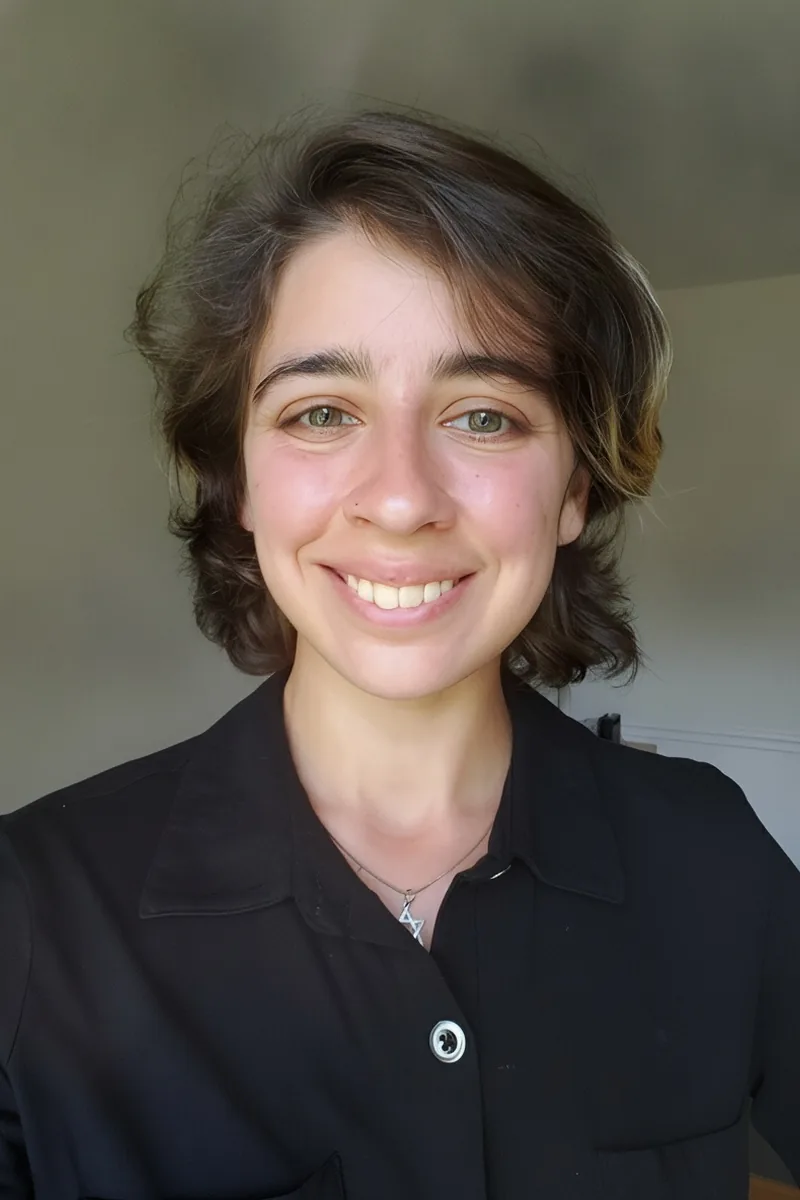
Lee's physics research background at the University of Maryland means he understands organic chemistry from the energy and electron-density side — why certain orbitals overlap to form bonds, what drives a reaction thermodynamically versus kinetically, and how molecular geometry dictates reactivity. He teaches arrow-pushing by connecting it to the physical forces students can reason about, turning mechanism problems into logic exercises rather than pattern-matching drills.
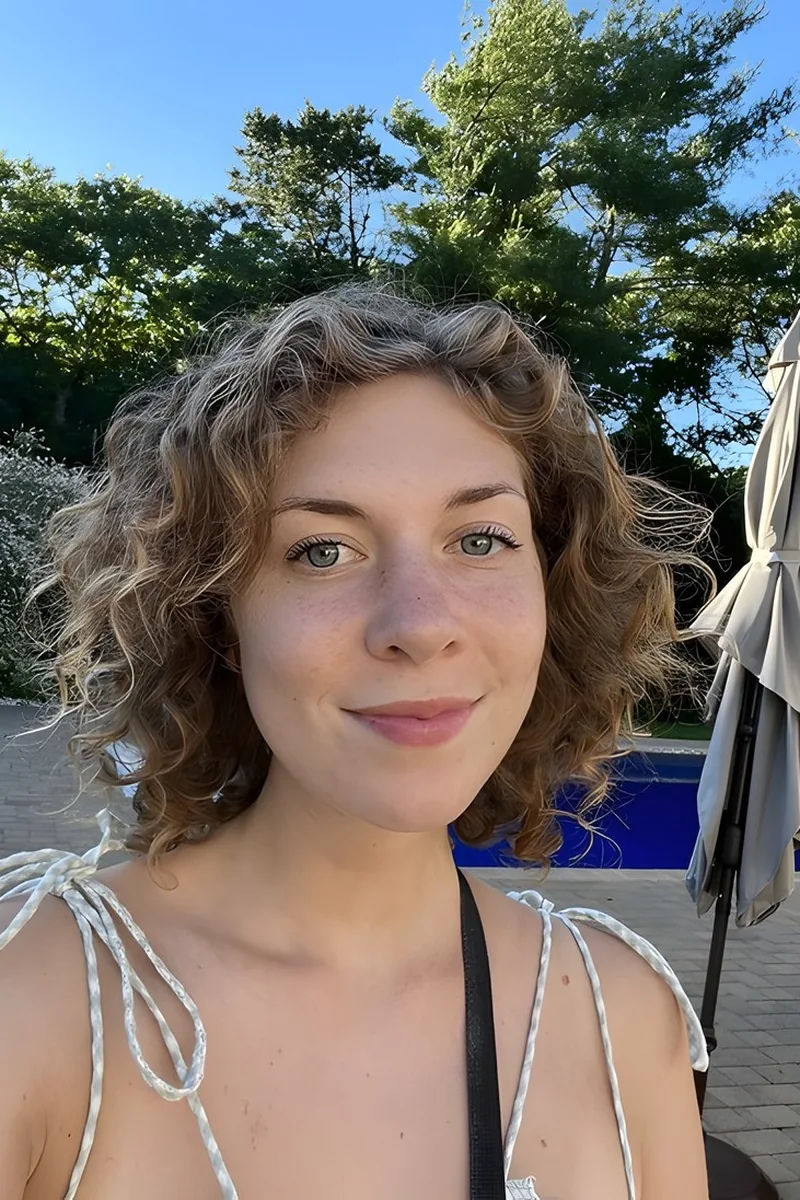
Having earned a chemistry degree from Yale, Zosia spent years immersed in the subject well past the introductory orgo sequence — which means she can contextualize tricky topics like electrophilic aromatic substitution and acyl chemistry within the broader landscape of how molecules actually behave. She walks students through spectral analysis and multi-step synthesis by building from first principles of electronegativity and sterics, so each new reaction type feels like an extension of what they already know rather than a fresh page to memorize. Rated 4.9 by students.
As an MD/PhD student at Northwestern doing doctoral research in organic synthesis, Austin lives in the world of reaction design — figuring out which bonds to form, which protecting groups to use, and why one retrosynthetic route beats another. That daily immersion means he teaches mechanisms and stereochemistry with the fluency of someone who actually builds molecules, not just someone who once passed the course.
I'm a current medical student at VCU School of Medicine, and a graduate of Johns Hopkins University. I received my Bachelor of Science in Molecular and Cellular Biology. I've had the pleasure of tutoring a diverse range of students for 5 years; while I tutor a broad set of subjects, I'm most passionate about biology, psychology, and chemistry. I'm a big proponent of ensuring understanding over memorization and teaching concepts that last for years to come (particularly for other students interested in medicine!) In my free time, I love to write poetry, edit essays, and gush about game writing with friends.
Teaching two Chemistry 101 lab sections gave Davis hands-on experience explaining reaction mechanisms, functional group behavior, and electron-pushing arrows to students encountering them for the first time. He approaches organic chemistry as a language of patterns — once students learn to read electron density and leaving-group tendencies, synthesis problems become far more manageable.
Reaction mechanisms are the language of organic chemistry, and Josef teaches students to read them — arrow pushing, stereochemistry, and functional group reactivity — rather than memorize hundreds of individual reactions. His biochemistry focus at Cornell means he can connect orgo concepts like nucleophilic substitution and carbonyl chemistry directly to biological molecules students will encounter later.
Reaction mechanisms become far more intuitive when you understand the electron-level logic behind each arrow push. Andrew earned his biochemistry degree and continues working in biochemical laboratories, so he teaches organic chemistry as a language of molecular behavior — connecting nucleophilic substitutions, elimination pathways, and carbonyl chemistry to the biological contexts where they actually matter.
Reaction mechanisms are the backbone of organic chemistry, and most students struggle not because the material is impossibly hard but because they try to memorize hundreds of reactions instead of recognizing patterns. Manpinder approaches orgo by teaching students to trace electron movement through arrow-pushing — once that skill clicks, predicting products for substitution, elimination, and addition reactions becomes systematic rather than overwhelming.
Chemical engineering at Cornell meant Rahul didn't just pass organic chemistry — he applied it daily in reactor design, synthesis planning, and thermodynamic analysis of reaction pathways. That engineering lens gives him a distinctive angle on topics like carbonyl chemistry and stereoselectivity, where he ties mechanism logic back to energy landscapes and kinetic versus thermodynamic control. Rated 4.9 by students.
Reaction mechanisms are the heart of organic chemistry, and they only make sense when a student can track electron movement and predict how functional groups behave. Malcolm is studying biochemistry and cell biology at Rice, where organic chemistry is foundational — he knows which arrow-pushing patterns show up repeatedly and teaches students to recognize them instead of memorizing hundreds of individual reactions.
Reaction mechanisms click when you understand electron movement — why a nucleophile attacks one carbon over another, how steric hindrance redirects a pathway, what drives an elimination versus a substitution. Enric's PhD in Chemistry means he's spent years thinking at the mechanistic level and can unpack arrow-pushing, stereochemistry, and retrosynthetic analysis in ways that make each reaction type feel logical rather than arbitrary.
Most organic chemistry struggles come down to not recognizing patterns — why a nucleophile attacks here and not there, or how electron-pushing arrows predict a product. Eric's graduate training in chemistry means he teaches reaction mechanisms as a connected framework of electronic and steric principles rather than a list of isolated reactions. Students rated him 5.0.
Having completed both semesters of organic chemistry at the University of Michigan — on top of AP Chemistry before that — Ajay knows exactly where students get stuck, whether it's arrow-pushing in reaction mechanisms or keeping substitution and elimination pathways straight. He teaches students to recognize electron behavior patterns so new reactions feel predictable instead of random.
Testimonials
Because the right Organic Chemistry tutor makes all the difference.
Average Session Rating – Based on 3.4M Learner Ratings
Practice Organic Chemistry
Free practice tests, flashcards, and AI tutoring for Organic Chemistry
Other Baltimore Tutors
Related Science Tutors in Baltimore
Frequently Asked Questions
Organic Chemistry requires mastering reaction mechanisms, understanding 3D molecular structures, and recognizing patterns across hundreds of reactions. Many students struggle with visualizing how atoms bond and rearrange, memorizing without understanding the underlying logic, and applying concepts to unfamiliar problems. Personalized tutoring helps you build a conceptual foundation so reactions make sense rather than feeling like isolated facts to memorize.
Reaction mechanisms are the step-by-step pathways showing how molecules transform—and they're often where students hit a wall. An expert tutor breaks down electron movement, explains why certain bonds break and form, and helps you recognize patterns so you can predict mechanisms in new scenarios. Rather than memorizing individual reactions, you'll develop the reasoning skills to approach any mechanism problem with confidence.
Many students struggle to mentally rotate molecules and understand stereochemistry, which is critical for Organic Chemistry success. Tutors use visual tools, molecular models, and drawing techniques to help you develop spatial reasoning skills. With practice and guidance, translating between 2D drawings and 3D structures becomes intuitive rather than confusing.
Your first session focuses on understanding where you are right now. A tutor will review your current coursework, identify specific concepts that feel shaky, and discuss your goals—whether that's improving your grade, preparing for an exam, or building confidence before lab work. This conversation helps create a personalized plan targeting your biggest challenges in Organic Chemistry.
Absolutely. Lab success depends on understanding the theory behind experiments, predicting outcomes, and knowing how to interpret results. Tutors help you grasp the chemistry concepts underlying your lab procedures, prepare you to think critically during experiments, and develop the scientific reasoning skills that make lab work meaningful rather than just following steps. This preparation also builds confidence when unexpected results occur.
Effective exam prep goes beyond cramming reactions the night before. A tutor helps you identify which concepts you truly understand versus which ones you've memorized, practices problem-solving under timed conditions, and teaches you to recognize question patterns. Starting prep weeks in advance rather than days before allows time to build real understanding, which is what carries you through both familiar and novel exam questions.
Look for tutors with strong chemistry backgrounds—ideally those who've taken advanced Organic Chemistry, completed chemistry labs, or studied chemistry at the college level. Beyond credentials, you want someone who can explain complex concepts clearly, adapts to your learning style, and helps you develop problem-solving skills rather than just providing answers. Varsity Tutors connects you with expert tutors who understand both the subject matter and how to teach it effectively.
With Baltimore's average student-teacher ratio of about 14.8:1, many students don't get the individualized attention needed to master Organic Chemistry's challenging concepts. Personalized 1-on-1 instruction lets you move at your own pace, ask questions without hesitation, and get immediate feedback on your understanding. This targeted support is especially valuable in a subject where small conceptual gaps can snowball into larger struggles.
Let’s find your perfect tutor
Answer a few quick questions. We’ll recommend the right plan and match you with a top 5% tutor.