Award-Winning AP French
Tutors
AP French
Tutors
Private 1-on-1 tutoring, weekly live classes for academic support, test prep & enrichment, practice tests and diagnostics, and more to elevate grades and test scores.
Based on 3.4M Learner Ratings
UniversitiesSchools & Universities
DeliveredHours Delivered
ProficiencyGrowth in Proficiency
Who needs tutoring?
No obligation. Takes ~1 minute.
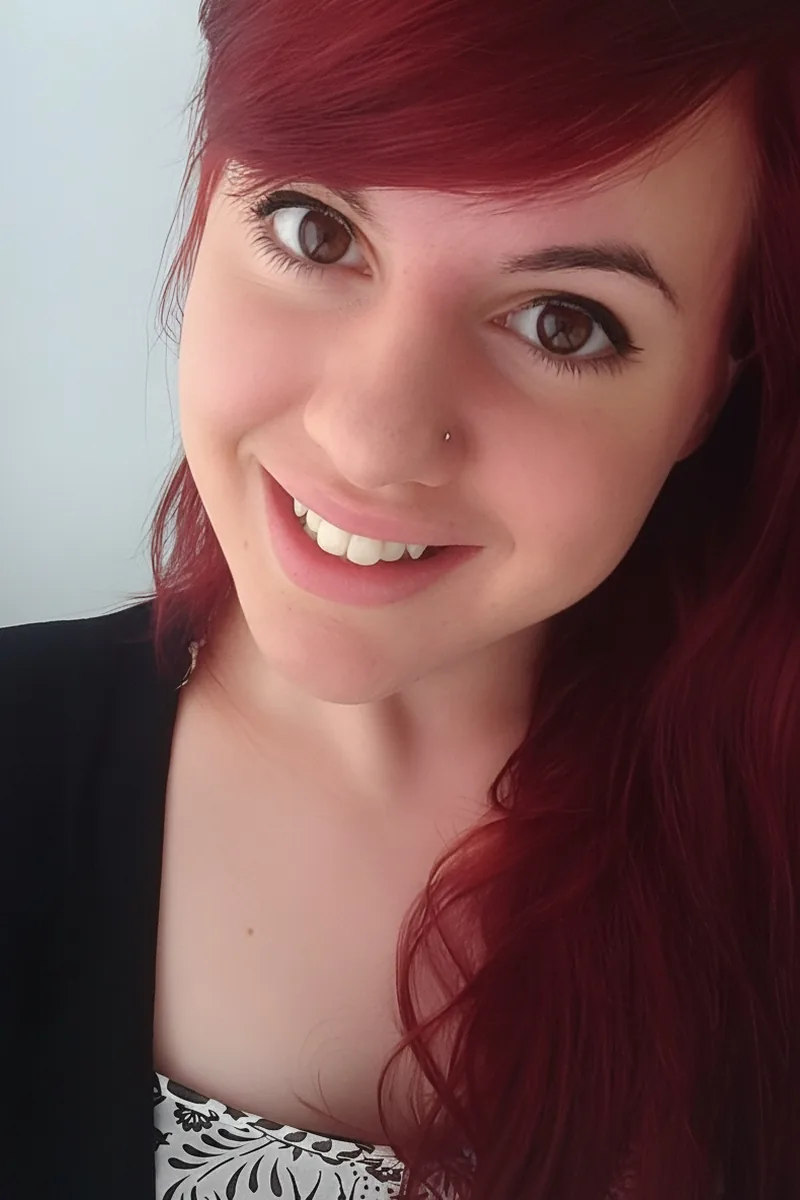
Pursuing a degree in French with plans to specialize in French-English translation, Sarah brings a translator's ear to AP French prep — she teaches students to stop converting English thoughts word by word and instead build sentences that sound naturally French, which is exactly what graders reward on the interpersonal and presentational tasks. Her English minor also sharpens her ability to pinpoint where interference between the two languages causes errors in register, syntax, and idiomatic phrasing.
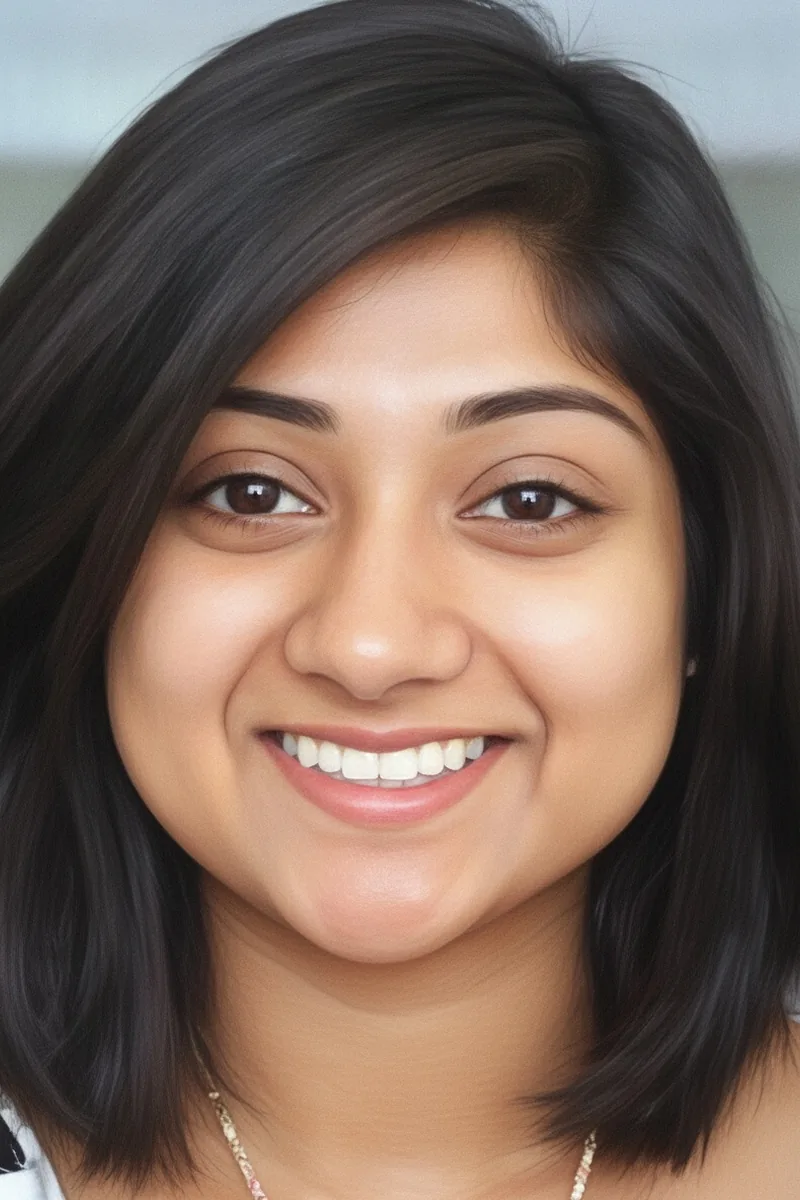
A French minor at Case Western Reserve means Avni built her fluency through structured university coursework — the kind of grammatical rigor and reading comprehension practice that maps directly onto AP French's interpretive tasks. She pairs that with a writing-intensive background across multiple genres, which she channels into coaching students on the presentational writing prompts where clear argumentation and proper register matter most. Rated 5.0 by students.
While French isn't Andrea's primary specialty, her experience with language-based SAT Subject Tests in Spanish gives her a structured framework for tackling AP-level language exams. She approaches AP French prep analytically, breaking down the exam's listening, reading, and writing components so students know exactly what each section demands.
Scoring well on AP French requires toggling between interpretive listening, persuasive writing, and spontaneous speaking — often about cultural topics that demand real familiarity with the Francophone world. Meredith lived and studied for a year in Lausanne, Switzerland, immersed in French daily, and she uses that experience to prepare students for the exam's presentational and interpersonal communication tasks. She zeroes in on the cultural comparisons and argumentative essays that tend to separate 4s from 5s.
Studying French at the university level while simultaneously teaching it gives Alexandra a dual perspective most AP French tutors lack — she knows both the academic depth of the language and the specific stumbling blocks students hit on timed AP tasks. She digs into the presentational writing and speaking components, breaking down how to organize an argument in French using proper discourse markers and register. Her 1570 SAT reflects the same test-taking rigor she brings to AP exam strategy.
Having earned her MA in French from Middlebury and studied at the Sorbonne, Margaret knows exactly what AP French graders look for in the persuasive essay and the cultural comparison. She drills the presentational and interpersonal communication tasks with an emphasis on register, idiomatic accuracy, and building arguments that go beyond surface-level observations.
Conducting PhD research on West African music at Harvard, Sarah uses French as a working language for fieldwork, academic reading, and professional communication. She brings that real-world fluency to AP French prep, drilling students on the interpretive listening passages and persuasive essay prompts that carry the most weight on exam day.
Earning both a BA in French and an MA in Bilingual Education means Katie doesn't just speak French fluently — she understands how language acquisition actually works. For AP French, she zeroes in on the presentational writing and interpersonal speaking tasks that tend to separate 4s from 5s. Students build the kind of idiomatic fluency that sounds natural to graders, not like translated English.
With certifications to teach French from PreK through 12th grade, experience teaching AP French, and a master's degree specifically in Teaching French as a Second or Foreign Language, Ariana knows the pedagogical side of this exam as well as the linguistic side. She tackles the gap between students who can conjugate correctly on a worksheet and students who can deploy those same structures fluidly in a timed persuasive essay or spontaneous conversation task — the shift that separates 3s from 5s.
Erintrude earned her bachelor's degree in French from Kenyon College, giving her the deep literary and linguistic grounding that AP French demands — from analyzing texts by Francophone authors to constructing persuasive essays entirely in French. She knows how to break down the presentational and interpersonal communication tasks that drive AP scoring, and her translation studies background sharpens students' ability to think in French rather than mentally converting from English.
As a second-year medical student with a strong foundation in science and a passion for education, I specialize in making tough subjects easier to understand. I excel in math, biology, physics, and other challenging topics that often intimidate students and I genuinely enjoy helping others master them. My approach combines patience, clarity, and high-level understanding to break down complex ideas into manageable, confidence-boosting lessons. Whether it's reviewing homework or prepping for exams, I'm here to support and motivate students at any level below mine to reach their full academic potential. My interests include: Weightlifting and fitness training (especially strength and hypertrophy programs) Morning cardio and physical conditioning Studying medicine with a focus on anatomy, physiology, and clinical problem-solving Teaching and tutoring tough academic subjects like math, biology, and physics Watching anime as a way to relax and recharge (especially after a long day) Cooking (with a focus on high-protein, keto/carnivore meals)
A semester-long language-immersion program in Toulouse gave Laura the kind of fluency that AP French graders actually reward — natural register, idiomatic phrasing, and the ability to argue a position without mentally translating from English first. French is one of her two majors at Washington University in St. Louis, and she channels that deep study into the cultural comparison and persuasive essay tasks where students need to go beyond correct grammar and demonstrate real command of the language. Rated 5.0 by students.
Having studied in France and earned a degree in French Language, Taylor brings real cultural fluency to AP French prep — from mastering the interpersonal speaking prompts to crafting persuasive essays in formal register. She breaks down tricky grammar structures like the subjunctive and conditional so students can deploy them confidently on exam day. Rated 5.0 by students.
Ben tutored beginning French classes in Dartmouth's French department and then spent a full year living in France, which means his AP French instruction is grounded in how the language actually sounds and functions — not just textbook conjugation tables. He zeroes in on the presentational writing and interpersonal speaking tasks that carry the most weight on exam day.
Most AP French tutors on this page come from language or humanities backgrounds — Olivia comes from chemical engineering, which means she learned French the hard way: through disciplined study, structured grammar practice, and building fluency course by course through AP-level and beyond. That systematic approach pays off for students who need to tighten their command of verb tenses, discourse markers, and formal register before exam day. Rated 4.9 by students.
A master's degree in French Linguistics and Pedagogy means Nicholas doesn't just speak French fluently — he understands the grammatical architecture underneath it and knows how to teach it systematically. For AP French, he digs into the interpretive and presentational communication tasks that drive the exam, from synthesizing audio sources to crafting persuasive essays in French.
Claire started learning French at age five, majored in it at Brown, and spent a full semester in Senegal speaking nothing but French in daily life. For AP French, she digs into the interpretive and presentational communication tasks that trip students up most — teaching them to construct persuasive arguments in French and to listen for nuance in authentic audio sources.
Andrew's experience with the SAT Subject Tests in both French and French with Listening means he already knows the grammar structures, idiomatic expressions, and listening comprehension skills AP French demands. He approaches the exam's interpersonal and presentational communication tasks with the same analytical rigor he brings to his science and humanities subjects.
The AP French exam punishes students who can summarize but can't argue — the persuasive essay and cultural comparison require precise command of subjunctive mood, transitional phrasing, and thematic analysis. Ariel teaches students to build those skills together so that grammar serves communication rather than existing as a separate exercise.
Michael's Spanish degree and Teach For America training give him a language-teaching framework that translates directly to AP French — particularly the interpersonal communication tasks where students must think on their feet and respond spontaneously. He also tutors CLEP French, so he's familiar with the grammar structures and reading comprehension skills that overlap between the two exams.
Samantha earned her B.A. in French Language from Duke, which means AP French students get a tutor who can dissect a Le Monde article, explain the subtleties of the subjonctif, and coach persuasive essay writing in French — all skills the exam demands. She knows exactly where the AP rubric rewards nuance and where students lose points on careless grammar.
Crystal spent a full year teaching English in France and served as a French drill instructor at Dartmouth, so she knows the AP French curriculum from both sides of the language barrier. She zeroes in on the presentational speaking and writing tasks that tank scores — teaching students to structure persuasive arguments in French and deploy subjunctive, conditional, and idiomatic expressions with confidence.
French is the subject Riley lights up about — she studied it alongside English Writing at Saint Mary's College, received formal pedagogical training in the college's tutoring program, and then completed a Master's at Notre Dame. For AP French, she leans into the conversational and writing-intensive tasks, coaching students to stop mentally drafting in English and start producing natural French prose with the register and idiomatic precision graders reward. Rated 5.0 by students.
Dartmouth's rigorous liberal arts curriculum gave Arianna deep exposure to French language and culture, and she brings that academic foundation to AP exam preparation. She walks students through the interpretive, interpersonal, and presentational communication modes the exam tests, with particular attention to the cultural comparison essay and audio-source synthesis that trip up most test-takers.
Computer engineering majors don't usually double-major in French — but Sasha did, which means her fluency was built through rigorous academic study alongside native-level coursework rather than casual exposure. She tackles the AP French exam's cultural comparison and persuasive essay tasks with the same structured precision she applies to engineering problems, breaking down how to deploy subjunctive constructions and formal register under timed conditions.
Georgetown's School of Foreign Service requires serious language chops, and Emma chose French as one of her core languages — studying it through advanced coursework (French 4 and AP-level) alongside Latin, which sharpened her instinct for grammatical structure in ways that transfer directly to mastering French syntax. She's the kind of tutor who'll have students watch a French film clip to internalize register and tone, then circle back to the formal essay techniques the AP exam actually scores.
Columbia's course catalog doesn't list AP French prep, but Adam's path through AP French Language & Culture and continued study across multiple levels of French gives him a clear read on where students lose points — particularly on the timed interpersonal tasks where hesitation and anglicisms creep in. His 34 ACT signals the kind of disciplined test-taking instinct that pairs well with drilling exam-specific strategies for the cultural comparison and presentational writing sections.
Working as a producer and writer for Afropop Worldwide means Jesse engages with francophone African culture daily — interviewing artists, researching musical traditions from Senegal to the Congo, and navigating French as a living professional language rather than a classroom exercise. That real-world immersion with the francophone world, combined with a French major from Wesleyan, gives him a natural feel for the cultural comparison and interpretive listening tasks where students need to go beyond textbook knowledge and engage with authentic francophone sources.
Nine years of French study and two immersive experiences in France — one in Brest and one at Université de Vincennes Saint-Denis in Paris — gave Clancy the kind of cultural fluency the AP French exam demands. She tackles the interpersonal and presentational speaking tasks by coaching students to think in French rather than mentally translating, and she unpacks the cultural comparison essay with concrete strategies for weaving in real-world knowledge.
I am capable of teaching French comprehension and structure with confidence and a great deal of experience.
Emily grew up speaking French at home with her family, attended the Ecole Franco-Americaine de Chicago from kindergarten through 12th grade, and passed the French BAC in 11th grade. That native-level fluency means she can break down the AP exam's trickiest components — persuasive essay prompts, audio source synthesis, and formal presentational speaking — from the inside out. She spends several months in France each year, so her language stays current and idiomatic.
Two years living and teaching in Guadeloupe gave Megan the kind of immersive French fluency that AP exam prep demands — particularly for the interpersonal speaking and presentational writing tasks that trip students up most. She knows the difference between textbook French and the real-world usage AP graders reward. Her approach tackles listening comprehension and cultural context alongside grammar so students feel prepared for every section.
Scoring well on AP French means doing more than conjugating verbs — it requires interpreting authentic texts, constructing persuasive arguments in writing, and speaking with cultural nuance. Evan earned his bachelor's in French Literature, so he brings native-level reading fluency and a deep understanding of Francophone culture to every element of the exam, from the interpersonal writing task to the cultural comparison presentation.
Amanda is pursuing a full degree in French Language, Literature, and Culture at Barnard College, Columbia University — meaning she doesn't just speak French, she analyzes its literary traditions and cultural contexts at a university level. For AP French, she breaks down the thematic units (like global challenges, beauty and aesthetics, and contemporary life) with the depth of someone who engages with these topics in French daily.
Earning a degree with a French emphasis means Mac didn't just study the language — he lived inside its grammar, literature, and cultural context for years. For AP French, he zeroes in on the presentational writing and speaking tasks that tend to separate 4s from 5s, drilling the subjunctive constructions and transitional phrases that make responses sound polished rather than translated from English.
I am excited to be home and help fellow straphangers on their educational paths! My largest wealth of tutoring experience is in foreign languages--particularly French--but I also feel very comfortable editing essays of any kind and working through standardized test concepts. My availability is extremely flexible, and anywhere in New York City works for me. I look forward to working with you.
I am a Yale graduate with over 8 years experience tutoring students from a variety of backgrounds. I recently graduated from the Yale School of Public Health with a MPH concentrating in Epidemiology and Global Health. I also received my B.S. from Yale with a double major in Molecular, Cellular, and Developmental Biology and French. I have experience both leading group classes and working with students one on one. I will respond to a student's strengths, weaknesses, and learning style in order to help them succeed and make the most of our time together. I earned a perfect score of 36 on the ACT, 2280 on the SAT, and qualified as a National Merit Scholar on the PSAT. I look forward to working with you!
I am a graduate of the University of Chicago, with a bachelor's degree in psychology and linguistics. Currently, I am pursuing a master's degree in speech-language pathology at Teachers College, Columbia University. In the past, I have worked as a teacher's aide in a public school classroom, a mentor to middle school girls, an instructor and tutor at the literacy education organization 826, and a summer camp counselor. I tutor a diverse range of subjects, and I find that I especially enjoy tutoring language arts, reading, and writing at all levels, from elementary school all the way up to college/grad school test prep. As a tutor, I am committed to helping students reach their full potential as learners. Throughout my years as an educator, I have seen firsthand the remarkable academic growth that can occur when tutors provide students with the individualized support that they need. In my spare time, I enjoy reading, journaling, and learning about other languages and cultures.
I am friendly, reliable, and most importantlycommitted to helping you learn! It is my top priority to create a positive learning experience that will help boost your test scores without boring you to tears. After all, shouldn't learning be fun?
I am a PhD student at the University of Michigan, studying social psychology. Before this, I was at Duke University completing a BS in psychology as well as a MS in global health. My research combines the fields of global health and psychology by examining the effects of culture on self-related psychological processes. I hope to continue in academia to become a professor of psychology, as teaching is among my greatest passions.
Testimonials
Because the right AP French tutor makes all the difference.
Average Session Rating – Based on 3.4M Learner Ratings
Practice AP French
Free practice tests, flashcards, and AI tutoring for AP French
Top 20 Languages Subjects

Top 20 Subjects
Frequently Asked Questions
The AP French exam has five sections: listening comprehension, reading comprehension, writing (free response), speaking (interpersonal and presentational). Most students struggle most with the speaking section, particularly the interpersonal conversation task, because it requires real-time language production without preparation time. The reading comprehension section also challenges many students due to the speed required to process complex texts and answer questions within the time limit. A tutor can help you build confidence in both areas through targeted practice with authentic materials and timed simulations.
AP French requires mastery of thematic vocabulary across multiple domains—including social issues, cultural practices, scientific concepts, and historical contexts—rather than just conversational phrases. You'll encounter complex academic French that goes well beyond introductory or intermediate textbooks. Tutors specializing in AP French can help you build this advanced vocabulary systematically through exposure to authentic news articles, podcasts, films, and essays that match the exam's difficulty level, ensuring you recognize and can use these terms in context.
Speaking anxiety in AP French often stems from fear of making mistakes in real-time or not understanding the prompt clearly. Tutors can reduce this anxiety by conducting repeated mock conversations that simulate the exact exam format, providing immediate feedback on pronunciation, grammar, and fluency without judgment. Regular practice with a tutor who creates a low-pressure environment helps you internalize common conversational patterns and builds the confidence that comes from knowing you've successfully navigated similar scenarios before.
The persuasive essay requires you to synthesize information from multiple sources (audio, reading, and research) while maintaining a clear argument in sophisticated French—a significant leap from typical classroom writing. Students often struggle with organizing complex ideas quickly, maintaining proper verb tenses across longer passages, and balancing authentic French expression with grammatical accuracy. A tutor can teach you a strategic essay framework tailored to AP prompts, help you practice synthesizing sources efficiently, and provide detailed feedback on your written work to strengthen both your argument structure and language precision.
AP French listening materials feature authentic speech at natural pace, which is significantly faster than classroom French and often includes regional accents, colloquialisms, and overlapping dialogue. Many students struggle because they try to understand every word rather than catching key ideas. Tutors can train you to identify main ideas and supporting details, teach you to recognize common speech patterns and filler words that you can safely ignore, and provide graduated listening practice starting with slower material and progressively building to authentic exam-level speed.
Cultural context is woven throughout AP French—reading passages reference French and Francophone history, current events, and social issues, while speaking prompts often ask you to compare your culture with French-speaking cultures. You don't need to be a history expert, but understanding key themes like colonialism's impact on Francophone Africa, contemporary French immigration debates, or Quebec's linguistic identity will help you understand source materials and construct more sophisticated responses. A tutor can highlight the cultural themes most relevant to AP exam topics and help you discuss them with appropriate vocabulary and nuance.
The AP French exam allocates roughly 95 minutes for the multiple-choice sections and 55 minutes for the free-response section, but many students underestimate how long it takes to write a quality persuasive essay under pressure. A realistic preparation timeline is 3-4 months of consistent study if you're already at an intermediate level, though students starting from a lower level may need 6+ months. Tutors can help you create a personalized study schedule that builds skills progressively, identifies which sections need the most attention for your level, and teaches pacing strategies so you don't run out of time on the written sections.
Score improvement depends heavily on your starting level and consistency—students who are already at a 3-4 level and work with a tutor 1-2 times weekly often see a 1-2 point improvement over 2-3 months, while students starting at a lower level may need longer to build foundational skills. The most dramatic improvements typically come from targeted work on your specific weak sections (like speaking or listening) rather than general review. A tutor can diagnose exactly which skills are holding back your score, create a focused improvement plan, and track your progress through regular practice tests to ensure you're moving toward your goal.
Let’s find your perfect tutor
Answer a few quick questions. We’ll recommend the right plan and match you with a top 5% tutor.