Award-Winning Special Education Tutors
serving Orlando, FL
Special Education
Tutors in Orlando
Private 1-on-1 tutoring, weekly live classes for academic support, test prep & enrichment, practice tests and diagnostics, and more to elevate grades and test scores.
Based on 3.4M Learner Ratings
UniversitiesSchools & Universities
DeliveredHours Delivered
ProficiencyGrowth in Proficiency
Who needs tutoring?
No obligation. Takes ~1 minute.
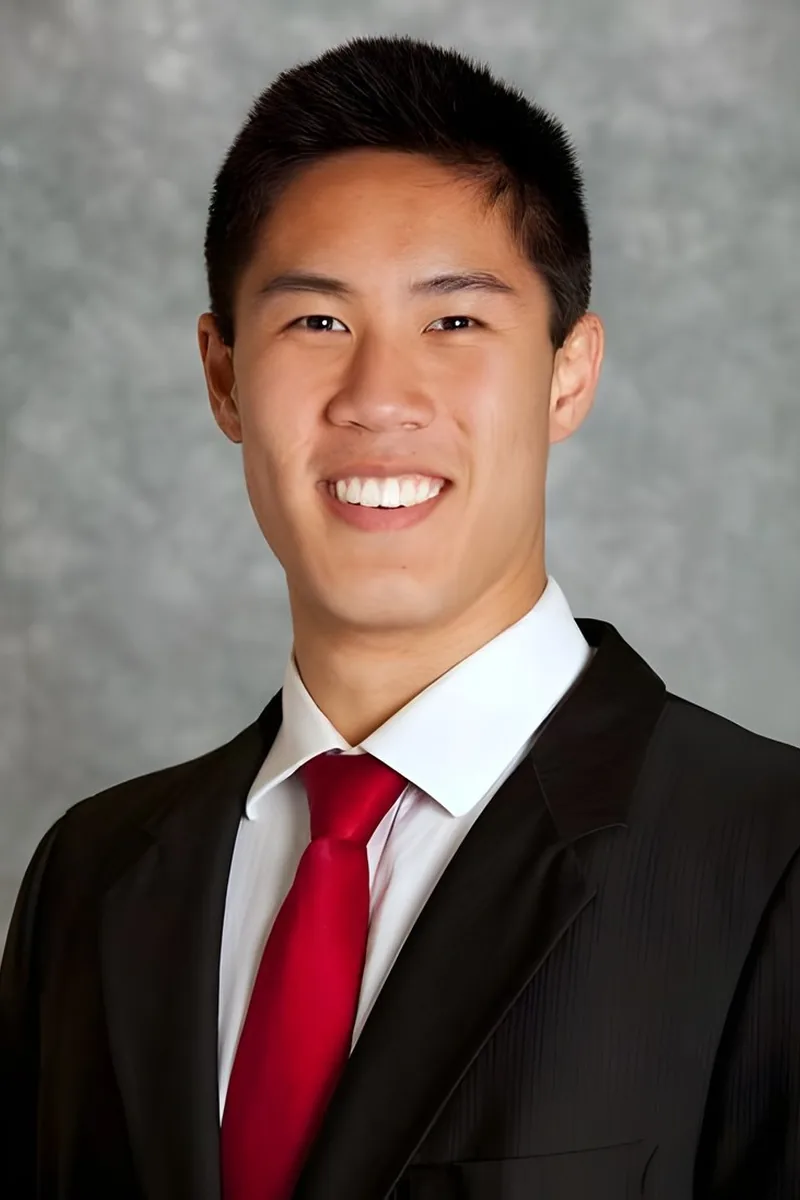
Kevin's education studies degree from UCSD included direct work as an academic mentor in underserved San Diego communities, where he learned to adapt instruction for students with widely different learning needs and paces. He breaks complex material into smaller, scaffolded steps and uses visual and hands-on approaches to reinforce understanding. That experience translating difficult content into accessible lessons carries into every session.
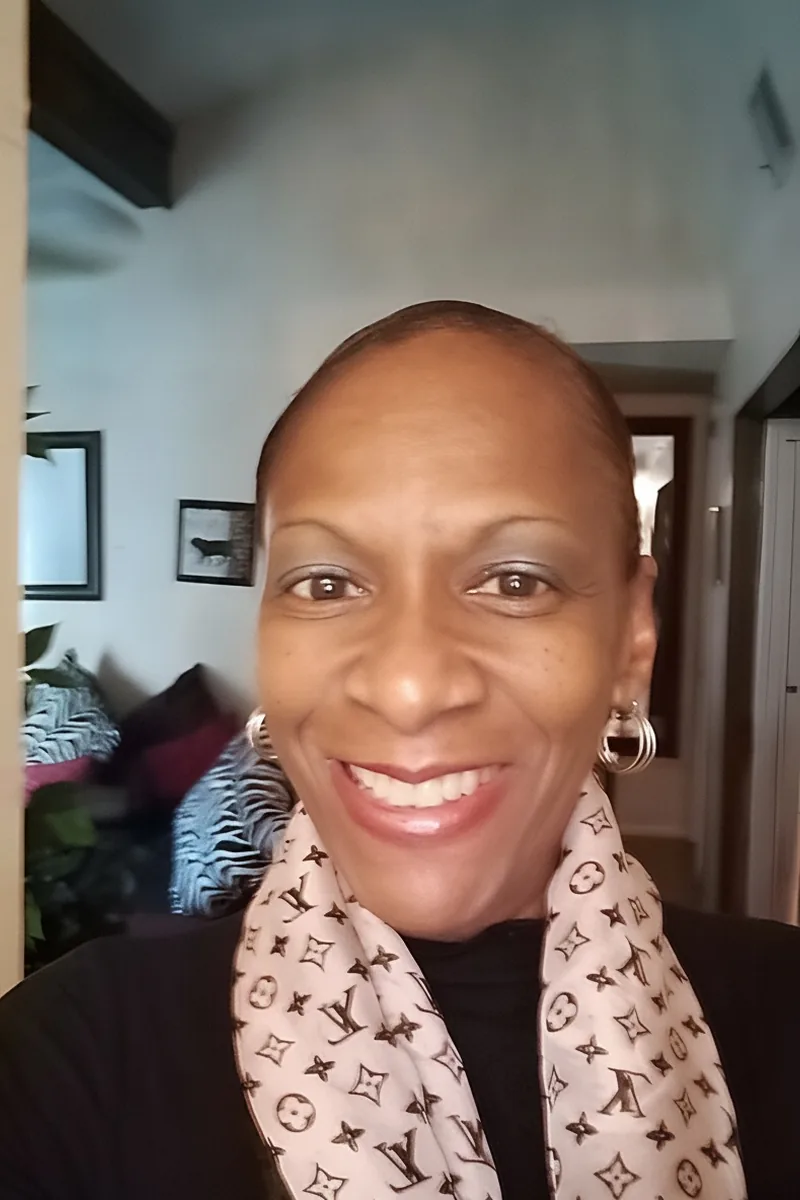
Starting her career in a Varying Exceptionalities classroom, Dolmecia is fluent in reading IEPs and 504 plans and translating their accommodations into real lesson adjustments. She uses manipulatives, visual supports, and multi-sensory strategies to make academic content accessible — whether the goal is grade-level reading, math fluency, or building independence with assignments.
Teaching across dozens of NYC public schools exposed James to students with a wide range of learning differences, from processing delays to attention challenges. He builds individualized approaches — breaking instructions into smaller steps, using multi-sensory reinforcement, and adjusting pacing in real time. His current doctoral work in physical therapy deepens his understanding of how neurological and developmental factors shape the way students learn.
Sabrina holds certification in special education and brings a classroom teacher's instinct for identifying where a lesson loses a student. She redesigns explanations on the fly — using manipulatives, visual models, or simplified language — so learners with IEPs or 504 plans can access grade-level math, reading, and writing content at their own pace.
As a state-certified teacher with special education experience, Marina adapts lessons to match each learner's processing style — whether that means breaking multi-step directions into smaller chunks, using visual supports for abstract concepts, or building in movement breaks that reset focus. Her UCLA background in public health sharpened her understanding of how environment and individual needs shape learning outcomes.
Navian has firsthand experience supporting a family member with autism, which shaped how he adapts explanations, pacing, and encouragement to each learner's needs. He breaks concepts into smaller, concrete steps and checks understanding frequently — building confidence alongside comprehension rather than rushing through material.
Every learner processes information differently, and Michelle adapts her explanations accordingly — whether that means using visual diagrams for a concept like cell division or turning a math problem into a hands-on, step-by-step narrative. Her experience across subjects from elementary math to college-level science gives her a wide toolkit for finding the approach that actually lands with each student.
All students can learn, however, not all students learn the same way. The key to learning and the most important part of any teachers job is helping students understand how they learn best. That is what I do well.
Loretta holds a degree in Special Education alongside her math and secondary education credentials, which means she understands IEP goals, learning accommodations, and differentiated instruction from the inside out. She breaks concepts into manageable steps and adapts her pacing to each student's processing style — whether that means using visual models for abstract ideas or building in structured repetition. Her background practicing law also sharpens her ability to advocate for students navigating the special education system.
Theresa adapts her teaching pace, format, and explanations to match how each learner actually processes information, whether that means visual organizers for reading comprehension or step-by-step scaffolding in math. Her range across subjects — from writing to algebra to study skills — means she can meet a student's needs without constantly switching tutors.
Every learner processes information differently — some through auditory explanation, some through visual mapping, others through hands-on activity — and Harry builds each session around identifying what actually works for that student. His background in theater and education at Northwestern trained him to read an audience and adapt in real time, a skill that translates directly to adjusting pacing, modality, and complexity for students with diverse learning needs.
A PhD in neuroscience means Elliot understands learning differences at the biological level — how attention, working memory, and processing speed vary across brains and what that means for instruction. He explicitly welcomes learners on the spectrum and tailors pacing, scaffolding, and sensory considerations to each student rather than defaulting to one-size-fits-all methods. His 5.0 rating speaks to that individualized care.
Rebecca's psychology thesis at Bard College explored the neuroscience of empathy in atypical populations, giving her a research-grounded understanding of how different learners process information. She has taught creative writing and foundational reading skills to students on the autism spectrum, adapting lesson pacing, prompts, and sensory considerations to each student's needs. That combination of clinical knowledge and hands-on teaching experience shapes how she builds individualized strategies for students with learning differences.
Holding a Texas Special Education teaching certification, Steve designs lessons around each learner's specific processing style rather than defaulting to one-size-fits-all worksheets. His approach leans heavily on multi-sensory techniques and scaffolded instructions, adjusting reading level, pacing, and task complexity so a student builds genuine confidence with the material.
Ivan holds a master's degree in both General and Special Education for grades 5–9 and has taught in self-contained classrooms, Collaborative Team Teaching settings, and Resource Rooms across New York City. That range means he can adapt pacing, modify assignments, and scaffold reading or writing tasks based on each student's IEP goals and learning profile. Rated 4.8 by families he's worked with.
Kim's approach starts with identifying the specific barrier a student faces — whether it's processing speed, attention, or difficulty transferring skills across contexts — and then adapting instruction around it. Her background spanning anthropology and business gives her an unusually flexible toolkit for reframing concepts in ways that click for different learners. She holds a 5.0 rating across her students.
Rosemary's graduate work in occupational therapy included extensive training in adaptive learning strategies, sensory processing, and task analysis — the clinical side of what special education looks like in practice. She volunteers regularly with the Down syndrome community, giving her hands-on experience tailoring instruction to different cognitive and developmental profiles. That combination means she doesn't just know accommodations exist; she knows how to implement them in real learning moments.
Max's psychology degree and his experience tutoring students from varied backgrounds in West Philadelphia gave him practical insight into how different learners process information. He adapts pacing, breaks concepts into smaller steps, and uses multisensory techniques to make material accessible across subjects. His patience and structured approach — reflected in a 5.0 client rating — make him especially effective with students who need individualized support.
Alison spent six years teaching diverse learners in Brooklyn public schools, including students with IEPs and varied learning profiles, so she knows how to adapt pacing, instructions, and materials on the fly. She pairs that classroom experience with formal mindfulness training, which gives her concrete strategies for students dealing with attention challenges, test anxiety, or sensory overwhelm. The goal is always building independence — not just getting through tonight's homework.
Every learner processes information differently, and Professor Florence draws on her psychology training at UCLA to identify where a student's understanding is breaking down and restructure the material accordingly. She adapts pacing, visual aids, and practice strategies to match each student's learning profile, whether the challenge involves processing speed, attention, or executive function.
Testimonials
Because the right Special Education tutor makes all the difference.
Average Session Rating – Based on 3.4M Learner Ratings
Nearby Special Education Tutors
Other Orlando Tutors
Frequently Asked Questions
Personalized 1-on-1 instruction allows tutors to adapt teaching methods to each student's unique learning style, pace, and specific needs—something challenging in Orlando's classrooms where the average student-teacher ratio is 16.9:1. Tutors can focus on individual strengths, address gaps in foundational skills, and adjust strategies in real-time based on what's working, rather than following a one-size-fits-all curriculum.
Yes. Tutors can work collaboratively with your child's IEP team to reinforce skills and strategies outlined in the Individualized Education Program. They can target specific academic or behavioral goals, practice accommodations and modifications in a supportive setting, and provide progress updates that inform IEP meetings and adjustments.
Students often struggle with foundational skills like reading decoding, math computation, and executive functioning—challenges that compound over time without targeted intervention. Personalized tutoring breaks skills into smaller steps, uses multisensory and evidence-based approaches, and provides the repetition and feedback needed to build confidence and independence.
The initial session focuses on getting to know your child—their learning strengths, challenges, interests, and current academic level. The tutor will review any relevant documentation (IEP, assessment results, school progress reports) and work with you to establish clear goals. This foundation helps the tutor design a personalized plan that builds on what's working and addresses priority areas.
Look for tutors with experience in special education, knowledge of evidence-based instructional strategies (like structured literacy, explicit instruction, or applied behavior analysis), and familiarity with common disabilities and learning differences. Varsity Tutors connects you with tutors who have relevant certifications, teaching experience, or specialized training in areas like dyslexia, autism, ADHD, or speech and language support.
Progress in special education tutoring is tracked through specific, measurable goals—like improved reading fluency, increased math accuracy, or better task completion. Tutors regularly assess skills, adjust strategies as needed, and share concrete data with you (like word-reading rates, problem-solving accuracy, or behavioral improvements). Many families also notice gains in confidence, independence, and willingness to tackle academic tasks.
Tutoring complements the services provided by Orlando's three school districts by offering intensive, individualized practice outside the classroom. While schools provide special education services required by law, tutoring fills gaps, accelerates progress on specific skills, and provides the extra practice and reinforcement that students with special needs often require to master and generalize new learning.
Pricing varies based on the tutor's qualifications, your child's specific needs, and the frequency and duration of sessions. Many families find that investing in personalized tutoring—especially for foundational skills—pays dividends in long-term academic progress and independence. Varsity Tutors can help you understand pricing and connect you with tutors at different experience levels to fit your budget.
Let’s find your perfect tutor
Answer a few quick questions. We’ll recommend the right plan and match you with a top 5% tutor.