Award-Winning AP Spanish Literature and Culture Tutors
serving Denver, CO
AP Spanish Literature and Culture
Tutors in Denver
Private 1-on-1 tutoring, weekly live classes for academic support, test prep & enrichment, practice tests and diagnostics, and more to elevate grades and test scores.
Based on 3.4M Learner Ratings
UniversitiesSchools & Universities
DeliveredHours Delivered
ProficiencyGrowth in Proficiency
Who needs tutoring?
No obligation. Takes ~1 minute.
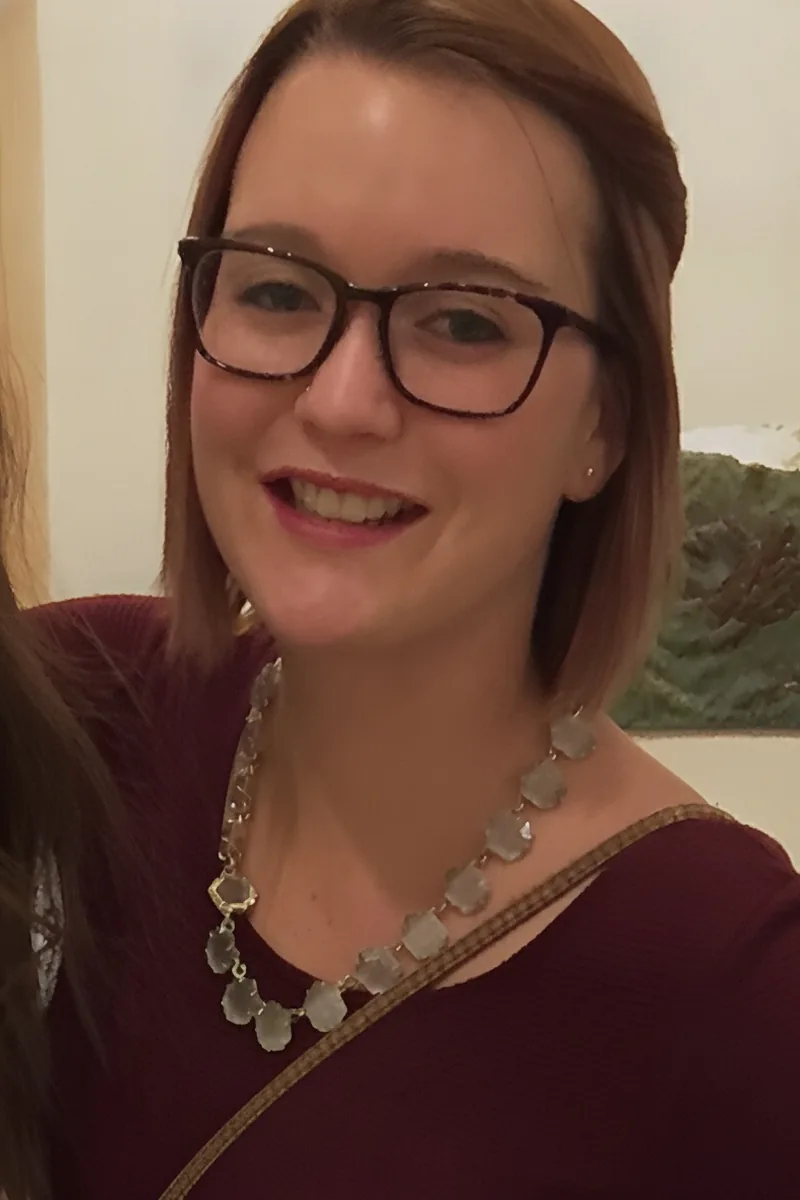
Studying Spanish and Education at CU Boulder, Annie is deep in the material that AP Spanish Literature and Culture demands — from analyzing García Márquez's magical realism to unpacking the poetry of Sor Juana Inés de la Cruz. She teaches students how to write the presentational essays and comparative analyses the exam requires, connecting literary themes across time periods and genres. Rated 5.0 by students.

Growing up as a native speaker of Spanish and Galician — two languages with deeply intertwined literary traditions — Andrea brings an intuitive ear for the register shifts, regional idioms, and poetic rhythms that surface in AP reading list texts from both Peninsular and Latin American canons. Her International Relations studies at Princeton, paired with a certificate in Spanish, trained her to read literature through the political and social forces behind it, which strengthens the kind of culturally grounded essay arguments the free-response section rewards. Rated 5.0 by students.
Honest assessment: AP Spanish Literature and Culture isn't Morgan's wheelhouse — her strengths are English literature, writing, and standardized test prep (she scored a 34 ACT and holds a 5.0 rating). That said, her English degree at Washington University in St. Louis means she lives inside literary analysis daily, and for students who already have strong Spanish fluency but struggle with essay structure — building a thesis, integrating textual evidence, constructing an argument under time pressure — those skills transfer directly to the AP free-response format.
Six months living in Spain didn't just make Rebecca fluent — it gave her the cultural immersion to teach students how a Lorca play or a Pardo Bazán story sits within its specific Spanish literary moment, not just on a reading list. Her English and Philosophy degrees from Notre Dame sharpened the close-reading and argumentation skills she now applies to coaching essay construction entirely in Spanish, where building a layered thesis matters more than summarizing plot.
Studying psychology alongside Spanish through AP-level coursework gives Marissa a particular angle on the reading list's most character-driven texts — she's sharp at teaching students how to articulate a character's internal conflict or a poet's emotional logic in timed analytical essays written entirely in Spanish. Her 35 ACT reflects the kind of disciplined, evidence-based reasoning she brings to constructing thesis statements and weaving in textual support under exam pressure.
Before college, Heather's high school Spanish teacher trusted her enough to refer another student to her for one-on-one tutoring — the kind of endorsement that speaks to genuine command of the language beyond classroom basics. Her psychology training adds a useful angle for AP Literature essays where character motivation and identity themes drive the analysis, and she brings patient, structured coaching to students who get overwhelmed by timed writing in Spanish. Rated 5.0 by students.
English and journalism training at UChicago sharpened Isabella's ability to dissect how authors construct arguments and layer meaning — skills that transfer directly to analyzing AP reading list texts, even though Spanish literature isn't her primary lane. For students who already have strong Spanish fluency but struggle with the essay side of the exam (building a thesis, structuring evidence-based paragraphs under time pressure), her 5.0 rating and deep experience coaching college-level writing make her a practical fit.
Studying at a university in Chile didn't just make Elana fluent — it immersed her in the Latin American literary and cultural landscape that dominates much of the AP reading list. Her training in the Organic World Languages method at Oberlin, where the emphasis is on producing meaningful Spanish in context, shapes how she coaches essay writing: students learn to construct analytical arguments in Spanish that sound like real literary commentary, not translated English. Rated 5.0 by students.
Renee's PhD in Spanish and Iberian Studies means she's spent years inside the literary traditions the AP exam tests — not just reading Garcilaso or Unamuno, but producing original scholarship on how these texts function within broader Iberian cultural movements. That academic depth shapes how she teaches students to construct thesis-driven essays in Spanish, moving from close reading of a passage's formal choices to the kind of cultural argumentation that earns top scores on the free-response section.
Elliot's training is in neuroscience and cognitive science, not Spanish literature — so this is a peripheral subject for him. That said, his PhD-level analytical skills and experience teaching writing and essay construction mean he can coach students on the structural mechanics of timed literary essays: building a thesis, organizing textual evidence, and arguing a point clearly under pressure.
Analytical chemistry and Spanish literature sound worlds apart, but Hannahlore's 35 ACT and 5.0 rating reflect the same precise, evidence-driven thinking that timed AP literary essays demand — identifying a pattern in a text and building a structured argument around it, much like interpreting data in a lab. For students who already have strong Spanish language skills and need coaching on the mechanics of constructing a thesis, selecting textual evidence, and writing a coherent analytical essay under time pressure, her systematic approach translates effectively to the free-response format.
Few tutors can match Trace's combination of a summa cum laude specialization in Spanish from Ohio State and professional experience as a Spanish-language court interpreter. For AP Spanish Literature and Culture, he unpacks texts from Cervantes to García Márquez in their original language, teaching students to write literary analysis in Spanish with the sophistication the exam requires.
Ysatris's psychology degree gives her a particular angle on the AP reading list — she's trained to analyze human behavior, which translates naturally into unpacking character motivation and identity themes in works by authors like Burgos or García Márquez. She also teaches AP Spanish Language & Culture and conversational Spanish, so essay construction and literary discussion happen in Spanish from the start. Her Magna Cum Laude honors from UIUC speak to the academic rigor she brings to timed analytical writing.
Testimonials
Because the right AP Spanish Literature and Culture tutor makes all the difference.
Average Session Rating – Based on 3.4M Learner Ratings
Nearby AP Spanish Literature and Culture Tutors
Other Denver Tutors
Related Languages Tutors in Denver
Frequently Asked Questions
The AP Spanish Literature and Culture exam tests your ability to read, analyze, and discuss Spanish-language literary texts across different time periods and genres. The exam includes multiple-choice questions on reading comprehension, free-response essays analyzing literary passages, and discussion of cultural contexts. You'll engage with poetry, prose, drama, and essays from Spain and Latin America, requiring both language proficiency and literary analysis skills.
Varsity Tutors connects you with expert tutors who specialize in AP Spanish Literature and Culture through a simple matching process based on your specific needs and goals. After your first session, your tutor will assess your current level, identify areas for improvement, and create a personalized study plan tailored to the exam format and your learning style. Most students benefit from consistent weekly sessions leading up to the May exam.
Many students struggle with the depth of literary analysis required—it's not just about understanding Spanish, but interpreting themes, symbolism, and cultural significance across unfamiliar texts. Time management during the exam is another major challenge, especially for the free-response section where you need to write coherent essays in Spanish under pressure. Additionally, students often underestimate the breadth of required reading and the variety of writing styles they'll encounter across different authors and regions.
Score improvement depends on your starting point and how consistently you prepare. Students who work with a tutor for 3-4 months typically see meaningful gains, especially when focusing on weak areas like essay writing or specific literary analysis techniques. Research on personalized instruction shows that 1-on-1 tutoring significantly accelerates learning in language and humanities subjects, but consistent practice between sessions is essential for maximizing results.
Effective strategies include annotating passages as you read to identify key themes and literary devices, managing your time by skimming questions before diving into dense texts, and planning your free-response essays before writing to ensure strong thesis statements and supporting evidence. Many students benefit from practicing with released exam questions to become familiar with question formats and pacing—knowing that you have roughly 8-10 minutes per multiple-choice passage and 40 minutes per essay helps you stay on track. Building confidence through repeated practice reduces test anxiety and improves performance under pressure.
The AP exam doesn't require you to read complete books beforehand—instead, you'll analyze short passages on the test itself. However, familiarity with major Spanish and Latin American authors, literary movements, and cultural contexts strengthens your ability to interpret unfamiliar excerpts quickly. A tutor can help you prioritize which authors and works to study, create efficient reading guides, and develop strategies for analyzing new texts you haven't seen before, which is the real skill the exam tests.
Strong essays require clear thesis statements, specific textual evidence, and sophisticated analysis—not just summary. Working with a tutor helps you practice organizing your thoughts quickly, using appropriate literary terminology in Spanish, and developing arguments that go beyond surface-level observations. Regular feedback on your writing, combined with timed practice essays, builds the fluency and confidence needed to write coherent, analytical essays under exam conditions.
Denver's 9 school districts serve over 116,000 students, many of whom are preparing for AP exams. While school resources vary, personalized 1-on-1 tutoring fills important gaps by providing expert guidance tailored to your specific challenges and timeline. Varsity Tutors connects you with tutors experienced in AP Spanish Literature and Culture who understand the exam's demands and can help you develop a focused study plan alongside your school's preparation.
Let’s find your perfect tutor
Answer a few quick questions. We’ll recommend the right plan and match you with a top 5% tutor.