Award-Winning AP Spanish Language & Culture Tutors
serving Colorado Springs, CO
AP Spanish Language & Culture
Tutors in Colorado Springs
Private 1-on-1 tutoring, weekly live classes for academic support, test prep & enrichment, practice tests and diagnostics, and more to elevate grades and test scores.
Based on 3.4M Learner Ratings
UniversitiesSchools & Universities
DeliveredHours Delivered
ProficiencyGrowth in Proficiency
Who needs tutoring?
No obligation. Takes ~1 minute.
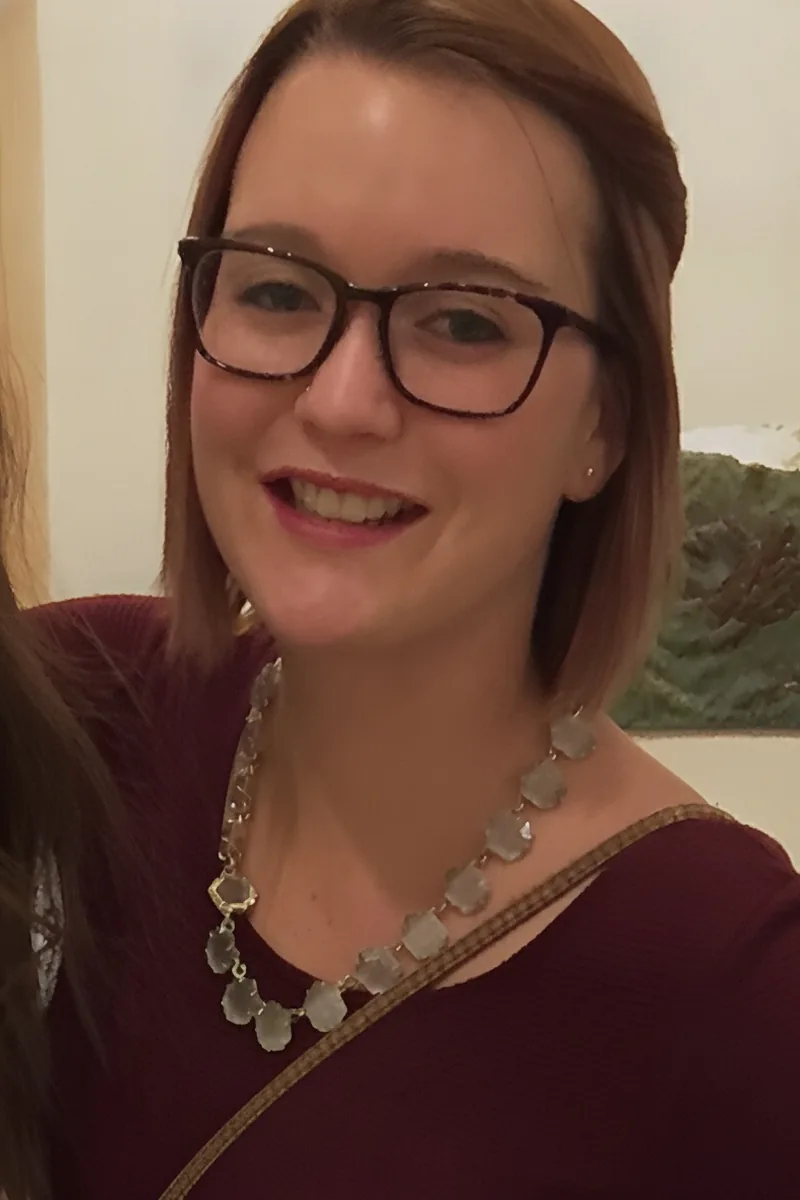
Annie's Spanish major at CU Boulder means she lives in the language daily — reading academic texts, writing analytical essays, and engaging in advanced conversation. For AP Spanish Language & Culture, she zeroes in on the interpersonal and presentational communication tasks that make up the exam, teaching students to navigate formal registers and cultural comparisons with confidence.
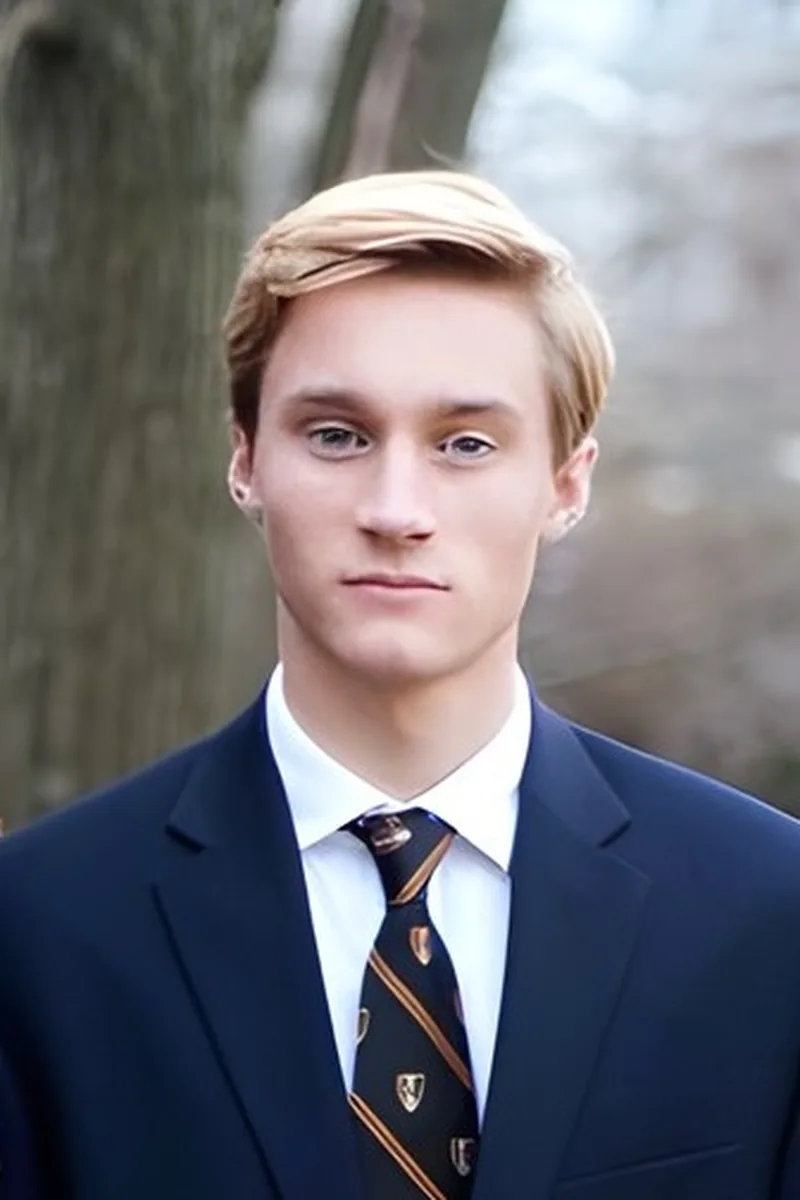
Joshua teaches Spanish from level 1 through AP and pairs that with four levels of Latin, so he's used to thinking about how Romance languages borrow structures from their classical roots — a perspective that sharpens his explanations of tricky Spanish grammar like subjunctive triggers and conditional sequences. His 1600 SAT reflects the kind of precise reading and analytical writing skills that translate directly to the AP exam's source-synthesis and persuasive essay tasks.
Earning a doctorate in Spanish & Portuguese required Casey to operate at full academic fluency — presenting research, debating theory, and writing at the highest register. She channels that depth into AP Language prep, drilling students on the interpersonal speaking prompts, persuasive essay structures, and audio-source synthesis that make up the exam's trickiest sections.
Hillel's geology research on Antarctic ice sheet dynamics — conducted partly through Spanish-language scientific literature — gives him a practical connection to the formal register and academic vocabulary the AP exam's persuasive essay demands. He also teaches conversational Spanish and Hebrew, so he's comfortable switching between languages and coaching students through the interpersonal speaking tasks where real-time fluency matters most. Rated 5.0 by students.
Growing up as a native Spanish speaker and then formally studying the language through a Hispanic Studies degree gives Mercedes something the AP exam's interpersonal speaking tasks reward — an instinct for when to shift between informal conversational register and the polished, formal tone the persuasive essay demands. She's a certified high school teacher who also holds a master's in literature, so she approaches the exam's source-synthesis writing tasks the way she'd teach a close reading: pulling evidence, structuring an argument, and controlling tone under timed pressure.
Growing up bilingual with dual US-Chilean citizenship, Camilla didn't just learn Spanish at home — she pursued it academically through advanced language and literature coursework. For AP Spanish Language & Culture, she tackles the presentational writing and interpersonal speaking tasks by grounding students in the cultural contexts that make their responses authentic and nuanced.
Jennifer's journalism training at Northwestern — where she learned to write persuasively under tight deadlines in formal register — maps directly onto the AP Spanish exam's timed persuasive essay, which demands the same skill set in a second language. She teaches Spanish from level 1 through AP and conversational Spanish, and her Georgetown international politics background means she can coach students through the cultural comparison task with the kind of geopolitical nuance that turns a generic response into a compelling one.
The AP Spanish Language & Culture exam demands more than vocabulary — it requires constructing persuasive arguments in Spanish and interpreting authentic audio sources on the fly. Isabelle's multilingual background and experience as a private language tutor abroad give her practical fluency in coaching students through the interpersonal speaking tasks and cultural comparison essays that determine exam scores.
Pursuing a language citation in Spanish at Harvard while studying African American Studies, Gabriela tackles the AP exam's cultural comparison task with a cross-cultural analytical instinct baked into her daily coursework. She teaches Spanish from level 1 through 4 and conversational Spanish, so she can zero in on whether a student needs to shore up subjunctive mechanics or sharpen their ability to construct a timed persuasive essay in formal register. Rated 5.0 by students.
Medical school in Chicago keeps Caroline juggling multiple languages daily — she double-majored in Chinese at Notre Dame while also building fluency in Spanish through her coursework up to Spanish 3. That multilingual wiring means she approaches AP Spanish prep by connecting how languages share structural logic, breaking down things like conditional chains and register shifts through cross-linguistic patterns rather than rote drilling. Rated 5.0 by students.
Living in Spain for six months gave Rebecca the kind of immersive fluency that AP Spanish Language & Culture demands — not just grammar accuracy, but the ability to navigate cultural comparisons and presentational speaking with confidence. She tackles the interpersonal and presentational writing tasks by teaching students how to integrate source material and build arguments entirely in Spanish. Her Notre Dame training in close reading also translates directly to the audio and print source analysis on the exam.
Born in Bolivia and fluent in Spanish from childhood, Geraldine brings native-level command to the AP Spanish Language & Culture exam's trickiest components: the persuasive essay, the cultural comparison, and the simulated conversation. She drills students on transitional phrases, formal register, and the specific cultural knowledge the College Board expects. Her familiarity with Latin American customs and idioms gives students an authentic reference point beyond the textbook.
Fluent in Spanish after living in a Spanish-speaking country, Lisanne brings real-world command of the language to AP Spanish prep — not just textbook knowledge. She tackles the exam's trickiest components, like the persuasive essay and cultural comparison, by teaching students to think and organize ideas directly in Spanish. Her experience tutoring every level from Spanish 1 through AP means she quickly identifies the grammar gaps holding a student back from a top score.
Testimonials
Because the right AP Spanish Language & Culture tutor makes all the difference.
Average Session Rating – Based on 3.4M Learner Ratings
Nearby AP Spanish Language & Culture Tutors
Other Colorado Springs Tutors
Related Languages Tutors in Colorado Springs
Frequently Asked Questions
The AP Spanish Language & Culture exam tests your ability to communicate in Spanish across three modes: interpersonal (conversations), interpretive (reading, listening, and viewing), and presentational (speaking and writing). The exam includes multiple-choice sections on reading and listening comprehension, plus free-response sections where you'll write emails, essays, and give spoken responses. You'll be evaluated on your ability to understand authentic Spanish materials, discuss cultural topics, and express yourself clearly in the language.
The exam is divided into two main parts: the multiple-choice section (95 minutes) and the free-response section (85 minutes), for a total of 3 hours. The multiple-choice section includes reading comprehension and listening comprehension tasks. The free-response section requires you to write two essays, record a spoken response, and participate in simulated conversations. Pacing is critical—many students struggle with time management, especially when translating their thoughts into Spanish under pressure, so practicing with full-length tests is essential.
The most common struggles include understanding native-speed audio in the listening section, organizing complex thoughts quickly for the written essays, and maintaining grammatical accuracy while speaking spontaneously. Many students also find the cultural component challenging—you need to understand and discuss Spanish-speaking cultures authentically, not just translate. Additionally, the transition from traditional grammar-focused Spanish classes to real-world communication can feel jarring for students who haven't had much conversational practice.
Score improvement depends on your starting point and how consistently you practice, but targeted tutoring typically helps students gain 1-3 points on the 5-point scale. The biggest gains come from focused work on your weakest sections—whether that's listening comprehension, essay structure, or spoken fluency—combined with regular practice tests and feedback. For Colorado Springs students preparing for the exam, personalized 1-on-1 instruction allows you to address your specific gaps rather than spending time on skills you've already mastered.
Native-speed Spanish audio is one of the toughest parts of the exam. The key is consistent exposure to authentic materials—podcasts, news broadcasts, interviews, and movie clips—while actively listening for main ideas and supporting details rather than trying to understand every word. Practice tests with timed listening sections help you build stamina and learn to recognize common speech patterns. Working with a tutor who can provide feedback on what you're missing and strategies for handling unfamiliar vocabulary or accents makes a significant difference.
The two essay prompts require different skills: one asks you to write a formal email response, and the other is a persuasive essay on a cultural topic. Success comes from understanding the rubric (organization, vocabulary, grammar, and cultural understanding all matter), planning your response before writing, and practicing timed essays regularly. Many students rush into writing without outlining, which leads to disorganized thoughts and grammatical errors. A tutor can help you develop a reliable process—such as spending 2-3 minutes planning, 8-10 minutes writing, and 2 minutes reviewing—so you write with confidence and clarity.
Cultural understanding is woven throughout the exam—it's not a separate section but part of every prompt and conversation. You're expected to discuss Spanish-speaking cultures thoughtfully and accurately, which means going beyond stereotypes to understand history, current events, traditions, and perspectives. Preparation involves reading authentic news articles, watching documentaries, exploring literature and art from Spanish-speaking countries, and discussing these topics in Spanish. A tutor can guide you toward relevant cultural resources and help you practice articulating cultural insights in Spanish during conversations and essays.
Varsity Tutors connects Colorado Springs students with expert tutors who specialize in AP Spanish Language & Culture and understand the specific demands of the exam. When you get matched with a tutor, you'll work with someone experienced in test strategy, conversational fluency, and cultural content—not just grammar drills. Your tutor can create a personalized study plan based on your current level, identify your weakest areas through practice tests, and provide targeted feedback on your writing and speaking skills in the weeks leading up to the exam.
Let’s find your perfect tutor
Answer a few quick questions. We’ll recommend the right plan and match you with a top 5% tutor.