Award-Winning AP English Language and Composition Tutors
serving Colorado Springs, CO
AP English Language and Composition
Tutors in Colorado Springs
Private 1-on-1 tutoring, weekly live classes for academic support, test prep & enrichment, practice tests and diagnostics, and more to elevate grades and test scores.
Based on 3.4M Learner Ratings
UniversitiesSchools & Universities
DeliveredHours Delivered
ProficiencyGrowth in Proficiency
Who needs tutoring?
No obligation. Takes ~1 minute.

The AP Lang exam is fundamentally about argument — how writers build it, how readers detect it, and how students construct their own under a forty-minute clock. Carson unpacks rhetorical strategies like appeals, syntax choices, and shifts in tone, then coaches students to deploy those same tools in their own synthesis and argument essays. His English degree and experience with essay editing make him a natural fit for the writing-heavy demands of this course.
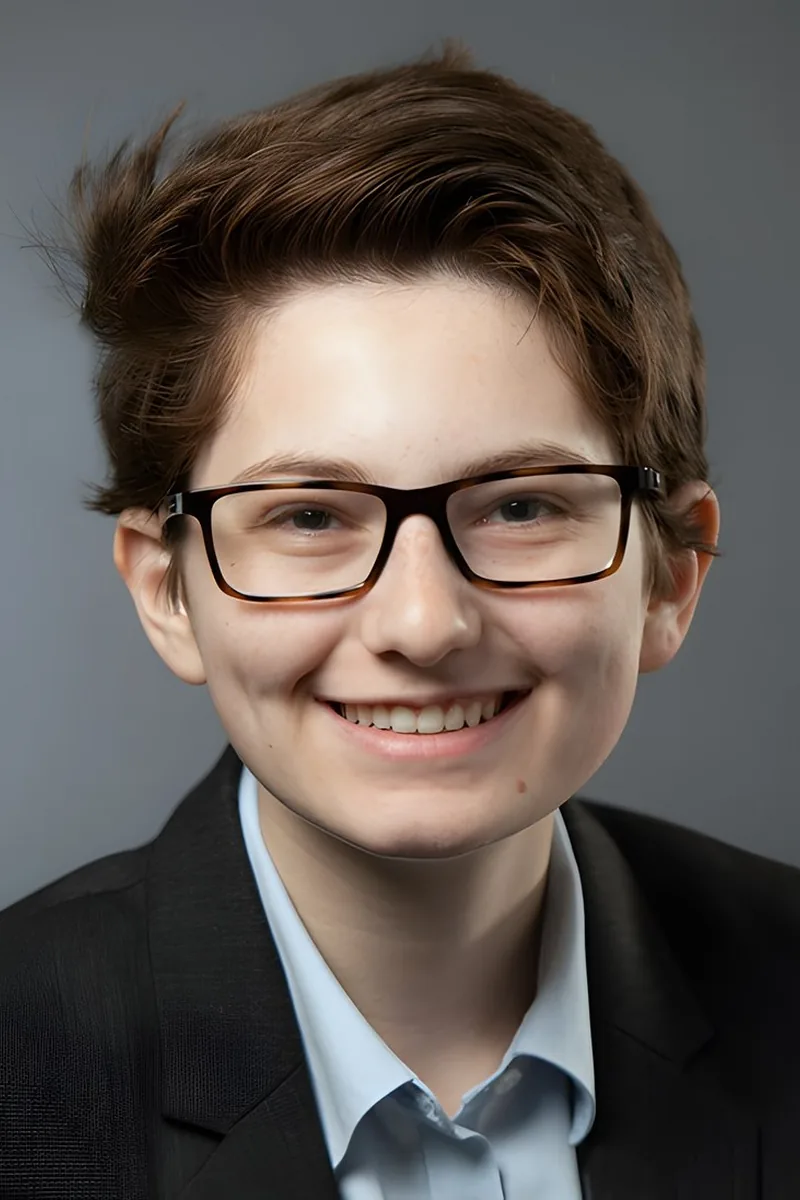
AP Lang is ultimately about argument — how writers build it, how readers evaluate it, and how students construct their own on exam day. Ariel unpacks rhetorical strategies like ethos, logos, and kairos in published essays, then applies those same principles when coaching students through synthesis, argument, and rhetorical analysis prompts. Her background in psychology at Brown gives her a sharp eye for how language persuades.
Todd's social work training at the University of Chicago — where every case study demanded parsing competing narratives and constructing evidence-backed arguments — maps directly onto what AP Lang asks students to do with nonfiction prose. His biology background also means he's comfortable coaching students through the science-heavy source sets that frequently appear in synthesis prompts, where translating data into persuasive claims is half the battle. Rated 5.0 by students.
I'm a current PhD student in the history department at Georgetown University who is also an experienced instructor with Varsity Tutors. As a recipient of several degrees, the most recent being a BA in history from Hillsdale College and a MA in Russian, East European, and Eurasian Studies from Stanford University, I have long sought to make teaching my profession. Meanwhile, as a volunteer grade school teacher and a tutor with this company, I have many years' experience helping students reach their full potential. I am capable of teaching students in many subjects, including reading, mathematics, test prep, Latin, and especially writing, history, and literature. In practice, I am comfortable adapting to different learning styles and specific student preferences. Outside of my academic and career endeavors, I enjoy cooking, reading, and listening to and making music.
AP Lang is fundamentally about rhetoric — how writers persuade, and how to do it yourself. Chang's philosophy training sharpened his ability to dissect argumentative strategies like appeals to ethos, logical concessions, and strategic counterarguments, and he brings that same analytical precision to teaching students how to write and analyze persuasive prose.
AP Lang is ultimately about rhetoric: understanding how writers construct arguments through tone, structure, and strategic evidence. Martha's PhD research at Michigan requires exactly this kind of analytical reading — dissecting published studies for their persuasive strategies — and she applies that same lens to teaching students how to decode synthesis prompts and write arguments that earn top scores on the exam.
Medical anthropology trains you to read dense, argument-driven texts and extract how authors position evidence to support a claim — which is exactly what the AP Lang exam's multiple-choice and rhetorical analysis sections test. Katie applies that analytical rigor to teaching students how to unpack an author's strategic choices in nonfiction prose and then replicate those moves in their own timed essays. Rated 5.0 by students.
A published novelist with a Penn M.S. in Education and a B.A. in English from the University of Washington, Christian has spent years inside the mechanics of persuasive prose — not just reading it, but constructing it from scratch. That dual perspective sharpens his AP Lang teaching, especially when it comes to the argument essay, where he coaches students to treat their own writing the way an author revises a manuscript: tightening claims, cutting weak evidence, and making every sentence earn its place.
AP English Language is essentially an argument class, and Jenna spent three years in law school doing nothing but dissecting and constructing arguments. She teaches students to identify rhetorical strategies like appeals, tone shifts, and structural choices in source texts, then deploy those same tools in their own synthesis and persuasive essays.
AP English Language is where Patrick's two degrees converge perfectly — English Literature gives him deep fluency with rhetorical analysis, while Linguistics gives him the technical vocabulary to explain how syntax, diction, and structure create persuasive effects. He has taught academic writing to students ranging from middle schoolers to university freshmen, so he knows how to build the kind of evidence-driven argumentation the AP exam's free-response questions demand.
AP Lang is fundamentally an argumentation course — every rhetorical analysis and synthesis essay demands that students identify how writers build persuasive cases. Jonathan's background as a competitive debater at the University of Chicago sharpened exactly that skill, and his extensive coursework in philosophy gives him a deep toolkit for teaching logical reasoning, rhetorical strategy, and evidence evaluation. He breaks down the three essay types into repeatable frameworks students can deploy under timed pressure.
AP Lang is fundamentally about argument — how writers build it, how readers detect it, and how students can do both on exam day. Carla teaches rhetorical analysis by dissecting real speeches and essays, showing students how to identify strategies like appeals to ethos or strategic concession and then write about them with precision. Her 5.0 rating speaks to how well this approach clicks.
AP Lang's rhetorical analysis essays trip students up when they can identify ethos, logos, and pathos but can't explain how those strategies function within a specific argument. Meghan, who studied English at Cornell and is pursuing a PhD in American Literature at UConn, teaches students to dissect an author's purpose at the sentence level — connecting syntax choices, tone shifts, and structural decisions to a writer's persuasive strategy. Rated 5.0 by students.
Testimonials
Because the right AP English Language and Composition tutor makes all the difference.
Average Session Rating – Based on 3.4M Learner Ratings
Practice AP English Language and Composition
Free practice tests, flashcards, and AI tutoring for AP English Language and Composition
Nearby AP English Language and Composition Tutors
Other Colorado Springs Tutors
Related English Tutors in Colorado Springs
Frequently Asked Questions
The AP English Language and Composition exam tests your ability to analyze rhetoric, argument, and persuasive writing across three sections: multiple-choice reading (45 minutes), free-response rhetorical analysis essay (40 minutes), and two argument/synthesis essays (2 hours 20 minutes combined). You'll analyze how authors use language, structure, and evidence to persuade audiences, then apply those skills to your own writing. The exam is scored 1-5, with a 3 considered passing for college credit at most institutions.
Many students struggle with time management—the multiple-choice section requires quick reading comprehension, while the essays demand planning and revision under pressure. Understanding rhetorical devices and identifying an author's argument (versus their evidence) trips up students who haven't practiced close reading. Pacing the three essays is another major hurdle; students often spend too much time on one essay and rush through others. Personalized tutoring helps you build strategies for each section and practice under timed conditions to build confidence.
Score improvement depends on your starting point and how consistently you practice. Students who work with a tutor typically see gains of 1-2 score points over a few months by focusing on weak areas—whether that's analyzing arguments, managing essay time, or improving thesis clarity. The key is targeted practice: identifying which question types or essay prompts challenge you most, then drilling those skills repeatedly. Regular practice tests under exam conditions help you track progress and build test-taking stamina.
Varsity Tutors connects you with expert tutors who specialize in AP English Language and Composition and understand the Colorado Springs curriculum. Your tutor will assess your strengths and weaknesses through practice essays and multiple-choice sections, then create a personalized study plan. Sessions typically focus on rhetorical analysis skills, essay structure and thesis development, time management strategies, and full-length practice tests with detailed feedback. You'll work together to build the confidence and skills needed to excel on exam day.
Strong essays start with understanding the prompt and planning before you write—spending 5-10 minutes outlining saves time and prevents rambling. For the rhetorical analysis essay, focus on identifying specific techniques (word choice, syntax, imagery) and explaining their effect on the audience, not just naming them. For argument and synthesis essays, develop a clear, debatable thesis early and use evidence strategically rather than summarizing sources. A tutor can review your practice essays, identify patterns in your writing, and help you develop a revision process that strengthens your analysis and clarity under time pressure.
Test anxiety often stems from uncertainty about what to expect or feeling unprepared for the pacing. Working through full-length practice tests under timed conditions builds familiarity and confidence—the more you practice the format, the less overwhelming it feels on exam day. A tutor can help you develop a pre-exam routine, teach you strategies for staying focused when stuck on a question, and remind you that you don't need a perfect score to earn college credit. Breaking the exam into manageable chunks (master multiple-choice first, then essays) also makes the overall task feel less daunting.
Most students benefit from starting tutoring 3-4 months before the exam, meeting weekly or bi-weekly for focused skill-building and practice. If you're starting closer to exam day, intensive sessions (2-3 times per week) can help you target high-impact skills quickly. Consistent practice matters more than total hours—regular exposure to rhetorical analysis, essay writing, and timed practice tests builds the automaticity you need on exam day. Your tutor can adjust the pace based on your progress and help you prioritize which skills to focus on given your timeline.
Colorado Springs has 18 school districts and a 15.7:1 student-teacher ratio, which means classroom instruction varies widely—personalized tutoring fills gaps and ensures you get focused attention on your specific challenges. Tutors familiar with Colorado Springs schools understand local curriculum pacing and can align their instruction with what you're learning in class. Whether you're at a large high school or smaller district, connecting with an expert tutor gives you the individualized support needed to master rhetorical analysis, essay writing, and test-taking strategies at your own pace.
Let’s find your perfect tutor
Answer a few quick questions. We’ll recommend the right plan and match you with a top 5% tutor.