Award-Winning AP Statistics Tutors
serving Oxnard, CA
AP Statistics
Tutors in Oxnard
Private 1-on-1 tutoring, weekly live classes for academic support, test prep & enrichment, practice tests and diagnostics, and more to elevate grades and test scores.
Based on 3.4M Learner Ratings
UniversitiesSchools & Universities
DeliveredHours Delivered
ProficiencyGrowth in Proficiency
Who needs tutoring?
No obligation. Takes ~1 minute.
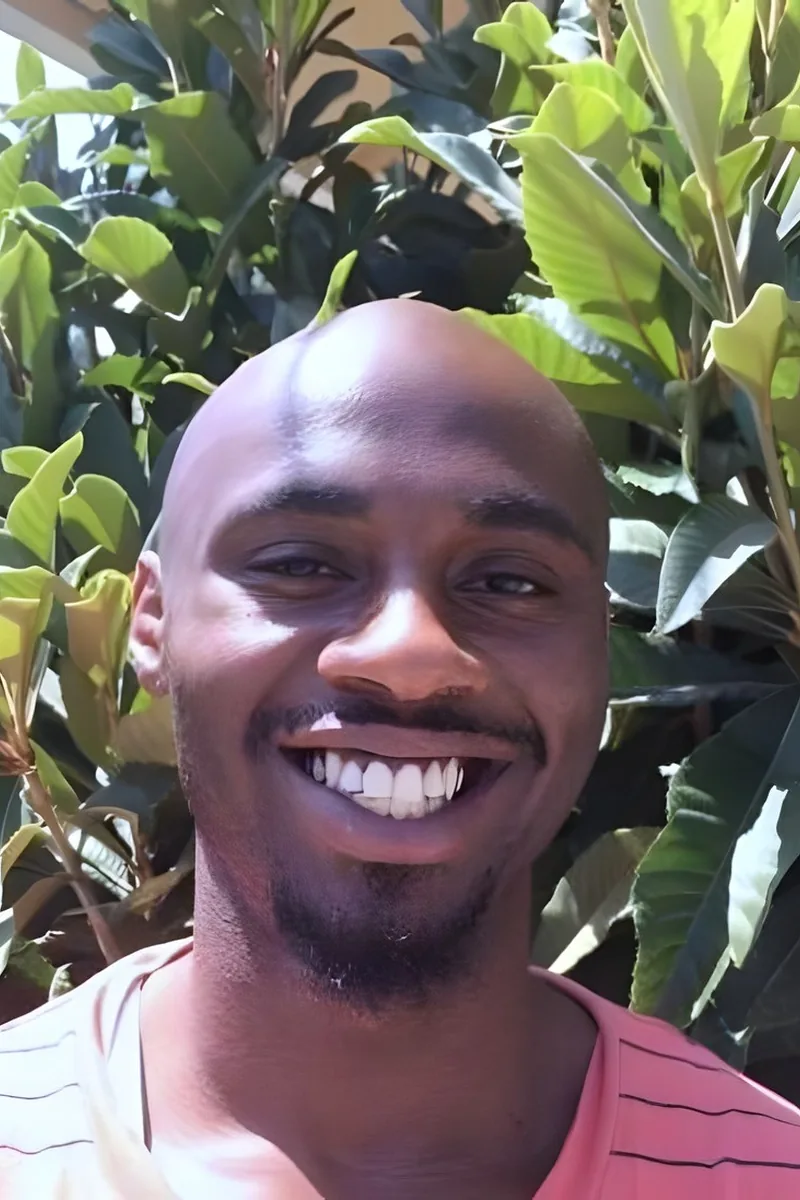
Caltech's economics program is quantitatively rigorous — Brian's coursework meant building econometric models, running hypothesis tests on real datasets, and defending statistical conclusions in ways that mirror exactly what AP Stats free-response questions demand. His dual background in CS and economics gives him a knack for explaining the logic behind choosing between z-procedures and t-procedures, or why independence conditions matter, in terms that click for students who think algorithmically. SAT score of 1580 speaks to the precision he brings to exam strategy.

Business economics at UCLA meant Alain was constantly building and interrogating statistical models — testing whether consumer behavior patterns held up under regression analysis, or whether a pricing strategy's results were just sampling noise. His math minor adds the formal probability backbone that makes topics like binomial and geometric distributions click on a conceptual level, not just a calculator-button level. He's planning to pursue graduate work in mathematical game theory, which is essentially applied probability and strategic inference all the way down.
Biostatistics coursework during her Master's in Biotechnology gave Rithi hands-on experience designing experiments, running statistical tests on biological data, and interpreting whether results actually mean something — which is the exact reasoning cycle AP Stats builds its curriculum around. She's especially sharp on the probability and sampling distribution units, where her neuroscience research background makes concepts like normal approximations and variability in sample means feel concrete rather than abstract. Rated 4.9 by students.
Heather minored in Quantitative Methods at Vanderbilt, which means AP Statistics isn't a side subject for her — it's core to her academic training. She breaks down inference procedures, experimental design, and probability distributions with the kind of fluency that comes from applying statistics daily, not just teaching it from a textbook. Rated 4.9 by students.
Computational mathematics at Rice means Vinson doesn't just know the formulas behind normal distributions and chi-square tests — he understands the underlying theory well enough to explain why a particular inference procedure works, not just when to use it. That mathematical depth is especially useful for the AP Stats units on sampling distributions and probability, where students with strong computational instincts often struggle to shift into the interpretive, context-driven reasoning the exam actually scores on. Rated 4.8 by students.
Running simulations of cosmic ray acceleration at Princeton's astrophysics department meant Dennis lived in probability distributions, hypothesis testing, and regression analysis daily. He brings that applied statistics fluency to AP Stats, breaking down concepts like chi-square tests and confidence intervals through real data scenarios rather than rote formulas. Rated 4.7 by students.
Biomedical engineering at UIC meant Apoorva was designing experiments, collecting noisy biological data, and running statistical tests to figure out whether a device prototype actually performed better than chance — which is the same inferential reasoning AP Stats builds its curriculum around. She's especially sharp on the probability and simulation units, where her engineering instinct for modeling uncertainty makes abstract concepts like sampling variability feel concrete and grounded. Holds a 4.6 rating.
Most AP Stats students come in expecting another math class and get blindsided by how much the exam rewards written explanation over calculation — Benjamin's finance and economics training at Notre Dame, where he constantly interpreted data to support business decisions, built exactly that skill set. He teaches students his own shortcuts for quickly reading output tables and translating statistical results into the precise, context-specific language that earns full marks on free-response inference questions. Rated 5.0 by students.
Most AP Stats students come from algebra and calculus courses where there's one right answer — so the shift to interpreting output, justifying assumptions, and writing about uncertainty in plain English catches them off guard. Matthew's dual math and computer science background at Harvard means he's comfortable on both sides of that divide: the formal probability theory underneath and the data-driven reasoning the exam actually grades you on. Rated 4.9 by students.
Studying neuroscience at Cornell with a math minor, Aneri encounters statistics constantly — analyzing behavioral data, interpreting research findings, and evaluating whether experimental results actually mean something. She digs into the normal distribution and sampling logic that underpin most AP Stats inference questions, connecting the abstract formulas to the kind of real study designs her psychology coursework requires her to critique every week.
Cognitive science at Rice meant Adam spent semesters immersed in experimental design, hypothesis testing, and statistical inference — the exact skills AP Statistics demands. He teaches students to think through probability distributions and confidence intervals the way a researcher would, connecting each concept to the logic behind the test rather than just the formula sheet.
Neuroscience research at Duke meant Ankit was knee-deep in experimental design before he ever opened an AP Stats textbook — controlling for confounding variables, choosing between-subjects versus within-subjects designs, and deciding whether behavioral data actually supports a hypothesis. That background makes him especially sharp on the exam's experimental design and chi-square inference questions, where understanding why you structure a study a certain way matters more than memorizing formulas. Rated 4.8 by students.
Running experiments in a brain sciences PhD program means Tashina designs studies, collects behavioral data, and determines whether her results hold up under statistical scrutiny — the same cycle of experimental design, data analysis, and inference that AP Stats tests on every free-response question. She's especially sharp on the interpretive side, like articulating why a particular sampling method matters or what a confidence interval actually captures, because her dissertation work requires defending those choices to peer reviewers. Rated 4.7 by students.
Studying Data Science at NYU's Courant Institute means Diego lives in the world of probability distributions, hypothesis testing, and regression analysis every day. He breaks down AP Statistics concepts like confidence intervals and chi-square tests by connecting them to real datasets, making the logic behind inference click before students ever touch a formula sheet.
Testimonials
Because the right AP Statistics tutor makes all the difference.
Average Session Rating – Based on 3.4M Learner Ratings
Practice AP Statistics
Free practice tests, flashcards, and AI tutoring for AP Statistics
Nearby AP Statistics Tutors
Other Oxnard Tutors
Related Math Tutors in Oxnard
Frequently Asked Questions
Varsity Tutors matches Oxnard students with expert AP Statistics tutors for 1-on-1 instruction. We pair each student with a tutor based on their specific needs, learning style, and goals.
Whether you need homework help, exam prep, or want to get ahead, our AP Statistics tutors are ready to help.
Common challenges include gaps from earlier material, difficulty with specific concepts, and trouble applying learning to new problems. These issues can snowball quickly in AP Statistics.
A tutor identifies where you're stuck, fills in gaps, and provides targeted practice. The 1-on-1 format means you get help exactly where you need it.
Tutors work with your student's actual coursework—homework assignments, class notes, and upcoming tests. This keeps tutoring directly relevant to what's happening in the classroom.
When you share information about your student's school and curriculum, we can match you with a tutor who has relevant experience.
All tutors complete background checks, credential verification, and teaching evaluation. Many of our AP Statistics tutors hold advanced degrees or have years of teaching experience.
You can review tutor profiles to find someone with the right background for your student's level and needs.
Many students see improved grades within a few weeks, along with better understanding of AP Statistics concepts and more confidence tackling challenging material.
Tutors track progress and adjust their approach to ensure continued improvement.
Most students benefit from 1-2 sessions per week. More frequent sessions help if your student is significantly behind or has an important exam coming up.
Your tutor can recommend a schedule based on your student's specific situation and goals.
Tutoring is purchased in packages of hours, with rates varying by tutor experience. Varsity Tutors offers several options to fit different budgets and needs.
You can discuss pricing during your consultation to find what works best.
Your tutor will assess where your student is, discuss goals, and start working on priority areas. Most students bring current homework or upcoming test material to focus on.
By the end, you'll have a clear sense of how the tutor can help and a plan for moving forward.
Let’s find your perfect tutor
Answer a few quick questions. We’ll recommend the right plan and match you with a top 5% tutor.