Award-Winning AP Spanish Language & Culture Tutors
serving Mesa, AZ
AP Spanish Language & Culture
Tutors in Mesa
Private 1-on-1 tutoring, weekly live classes for academic support, test prep & enrichment, practice tests and diagnostics, and more to elevate grades and test scores.
Based on 3.4M Learner Ratings
UniversitiesSchools & Universities
DeliveredHours Delivered
ProficiencyGrowth in Proficiency
Who needs tutoring?
No obligation. Takes ~1 minute.
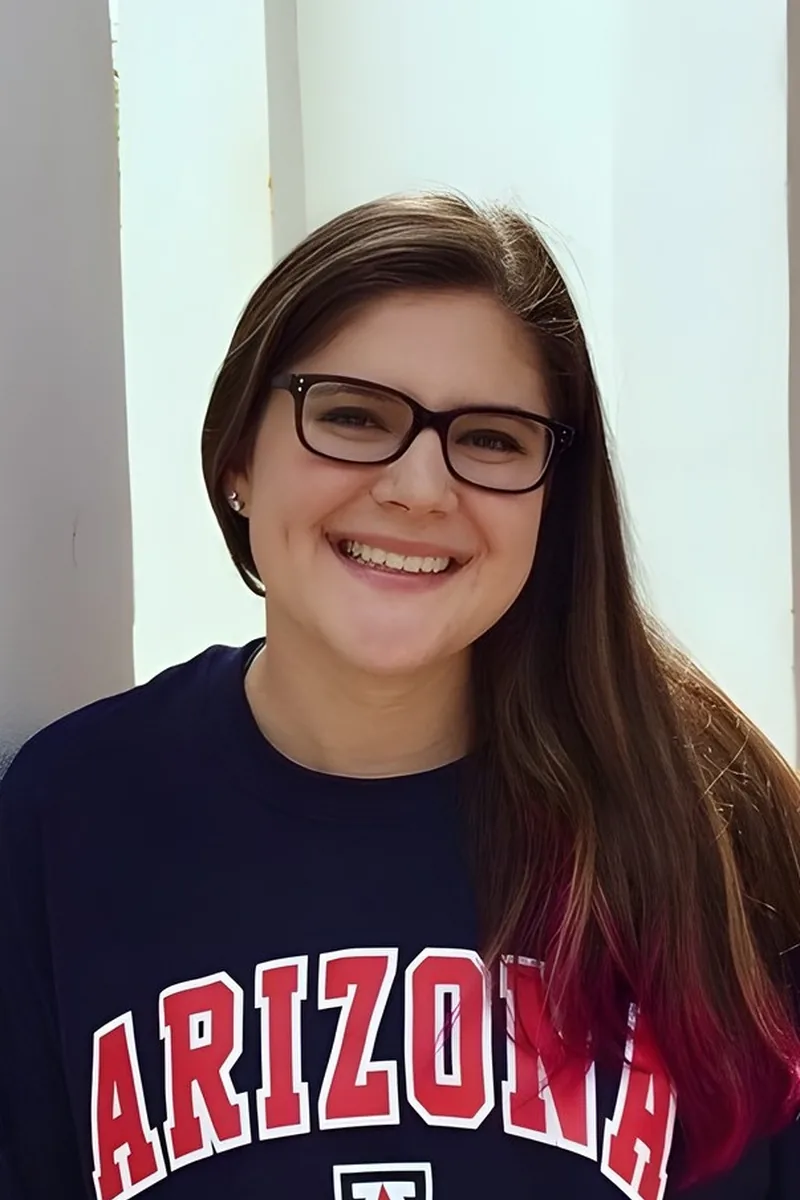
Alex's chemical engineering and anthropology degrees from Washington and Lee make an unexpectedly useful pairing for AP Spanish — the engineering side builds systematic thinking about grammar structures like subjunctive triggers and pronoun placement, while the anthropology training sharpens the cultural analysis the exam's free-response prompts demand. He teaches Spanish 3 and 4, so he's already comfortable working at the level of complexity the AP exam expects in timed persuasive essays and spoken responses. Rated 4.8 by students.
Grant teaches Spanish across every level from 1 through 4 plus conversational and AP, which means he can quickly diagnose whether a student is struggling with foundational grammar — subjunctive triggers, preterite vs. imperfect — or with the higher-level task of producing formal register under timed conditions. His economics background also gives him a structured, analytical approach to the exam's persuasive essay, where organizing source material into a coherent argument matters as much as the Spanish itself. Rated 5.0 by students.
Native fluency changes everything in AP Spanish Language & Culture. Alex grew up speaking, reading, and writing Spanish at home, and his bilingual background means he can explain grammar from the inside — why the subjunctive feels natural in certain contexts, how register shifts between formal and informal speech, and what authentic source material actually sounds like. His English degree also sharpens the presentational writing and speaking skills the exam demands.
Christopher's memory-sport training — he's actively working toward a Guinness World Record — translates surprisingly well to the vocabulary and conjugation retention that AP Spanish demands, especially when students need to internalize subjunctive triggers and idiomatic expressions under exam pressure. His biology coursework at Johns Hopkins doesn't scream Spanish, but his ACT score of 32 and comfort across multiple academic disciplines show he knows how to systematically tackle material outside his primary lane.
While Spanish isn't Vivian's primary teaching area, her extensive experience with standardized test prep and essay writing transfers directly to the AP Spanish Language exam's presentational writing and interpersonal communication tasks. She brings a structured, strategy-first approach to tackling the exam's source-comparison essays and audio-response prompts.
Scoring well on the AP Spanish Language & Culture exam means toggling between interpersonal conversation, presentational writing, and audio-source synthesis — often in the same sitting. Heather's deep Spanish background, built through years of advanced coursework and one-on-one tutoring, means she can drill the specific skills each task type demands. She's particularly strong at coaching students through the persuasive essay, where organizing an argument in Spanish trips up even strong speakers.
Sarah's English degree and SAT score of 1500 mean she's already wired for the kind of timed, source-based writing the AP Spanish exam throws at students in the persuasive essay — structuring an argument, synthesizing texts, and maintaining formal register under pressure. She teaches Spanish from level 1 through 4 and conversational Spanish, so she can spot whether a student's real bottleneck is subjunctive grammar or the rhetorical organization that separates a passing score from a strong one.
I'm a native Spanish and English speaker. I graduated with Honors in Art History and Philosophy from the University of Chicago. As a trilingual, I easily understand the difficulties and processes involved in learning a new language! I have been teaching Spanish and English to students worldwide for years. I am passionate about teaching languages as I have been blessed by life-changing opportunities by speaking fluidly with people from other cultures.
Having studied Spanish as part of his undergraduate degree and continuing to teach it from introductory levels through AP alongside conversational practice, Adam knows exactly where students plateau — and it's usually the jump from classroom grammar to the timed, register-aware writing the AP exam actually scores. His history background also sharpens the cultural comparison task, where connecting Spanish-speaking communities' practices to broader historical context turns a generic response into a compelling one.
Rebecca's anthropology degree trained her to analyze cultural practices across communities — the exact skill the AP Spanish exam's cultural comparison free-response prompt tests. She teaches Spanish at every level from 1 through 4 plus conversational, so she can diagnose whether a student's weak spot is grammar mechanics like subjunctive triggers or the higher-order task of building a nuanced argument in formal register. Her 1550 SAT score reflects the kind of disciplined, timed-test thinking she brings to AP prep.
Iselee earned her bachelor's degree in Spanish from Loyola Marymount University, which means the AP exam's demand for formal written register and nuanced cultural knowledge sits squarely in her academic wheelhouse. Her current graduate work in digital communication adds a layer of rhetorical awareness — understanding how audiences process arguments — that she applies to coaching the timed persuasive essay, where students must synthesize Spanish-language sources into a coherent, register-appropriate response. Rated 4.8 by students.
Growing up as a native Spanish speaker and then formally studying the language through a Hispanic Studies degree gives Mercedes something the AP exam's interpersonal speaking tasks reward — an instinct for when to shift between informal conversational register and the polished, formal tone the persuasive essay demands. She's a certified high school teacher who also holds a master's in literature, so she approaches the exam's source-synthesis writing tasks the way she'd teach a close reading: pulling evidence, structuring an argument, and controlling tone under timed pressure.
Planning to minor in Spanish and study abroad in Madrid, Ryan brings real investment in the language to AP Spanish prep. He zeroes in on the presentational and interpersonal speaking tasks that tend to cost students the most points, drilling strategies for organizing spontaneous responses and weaving in cultural comparisons on the fly.
Testimonials
Because the right AP Spanish Language & Culture tutor makes all the difference.
Average Session Rating – Based on 3.4M Learner Ratings
Nearby AP Spanish Language & Culture Tutors
Other Mesa Tutors
Related Languages Tutors in Mesa
Frequently Asked Questions
The AP Spanish Language & Culture exam tests your ability to communicate in Spanish across three modes: interpersonal (conversations), interpretive (reading and listening comprehension), and presentational (speaking and writing). The exam includes multiple-choice sections on reading and listening, plus free-response sections where you'll have conversations, write emails, and give presentations. Success requires not just grammar knowledge, but real-world communication skills and cultural understanding.
The exam is about 3 hours long and divided into two sections. The first section (multiple-choice) covers reading comprehension and listening comprehension, taking roughly 1.5 hours. The second section (free-response) includes interpersonal writing, presentational writing, interpersonal speaking, and presentational speaking, taking about 1.5 hours. Pacing is critical—you'll need to manage your time carefully, especially in the speaking sections where you have limited preparation and response times.
Many students struggle with the speaking sections, particularly the interpersonal conversation where you must respond spontaneously to a native speaker. Others find the reading passages challenging due to unfamiliar vocabulary and cultural references, or they lose points on the presentational writing tasks because they don't fully address the prompt. Additionally, managing test anxiety during the timed speaking portions can affect performance. Personalized tutoring helps you identify your specific weak areas and build confidence through targeted practice.
Score improvement depends on your starting level and how consistently you prepare. Students who work with tutors typically see gains of 1-3 points on the AP scale (which ranges from 1-5), though some improve more significantly with focused practice over several months. The key is identifying which sections hold you back—whether that's listening comprehension, spontaneous speaking, or written expression—and drilling those skills with expert guidance and regular practice tests.
Ideally, start tutoring 3-4 months before the exam if you're already comfortable with Spanish grammar and vocabulary. If you need to build foundational skills, starting 6 months ahead gives you time to strengthen weak areas before focusing on exam-specific strategies. Most students benefit from weekly sessions combined with independent practice between meetings. Your tutor can help you create a realistic study schedule based on your current level and target score.
Varsity Tutors connects you with tutors who have deep expertise in AP Spanish Language & Culture, including native speakers and educators familiar with the exam's specific format and scoring rubrics. When you get matched with a tutor, you can discuss their experience with the exam, their teaching approach, and how they've helped other students improve. Your first session is a great opportunity to assess whether the tutor's style matches your learning needs.
Practice tests are essential for AP Spanish Language & Culture because they help you get comfortable with the exam format, pacing, and question types—especially the speaking sections you can't fully replicate on your own. Take full-length practice tests under timed conditions every 2-3 weeks, then review your mistakes with your tutor to identify patterns in what you're missing. This diagnostic approach helps you focus your study time on areas that will have the biggest impact on your score.
Culture is woven throughout the exam—it's not a separate section but integrated into reading passages, listening tasks, and speaking prompts. You'll encounter texts about Spanish-speaking countries' history, literature, traditions, and current events. A strong tutor will help you build cultural awareness alongside language skills, so you can understand context clues in passages and speak more authentically about cultural topics. This deeper understanding often boosts both your comprehension and communication scores.
Let’s find your perfect tutor
Answer a few quick questions. We’ll recommend the right plan and match you with a top 5% tutor.