Award-Winning AP Spanish Language & Culture Tutors
serving Tucson, AZ
AP Spanish Language & Culture
Tutors in Tucson
Private 1-on-1 tutoring, weekly live classes for academic support, test prep & enrichment, practice tests and diagnostics, and more to elevate grades and test scores.
Based on 3.4M Learner Ratings
UniversitiesSchools & Universities
DeliveredHours Delivered
ProficiencyGrowth in Proficiency
Who needs tutoring?
No obligation. Takes ~1 minute.
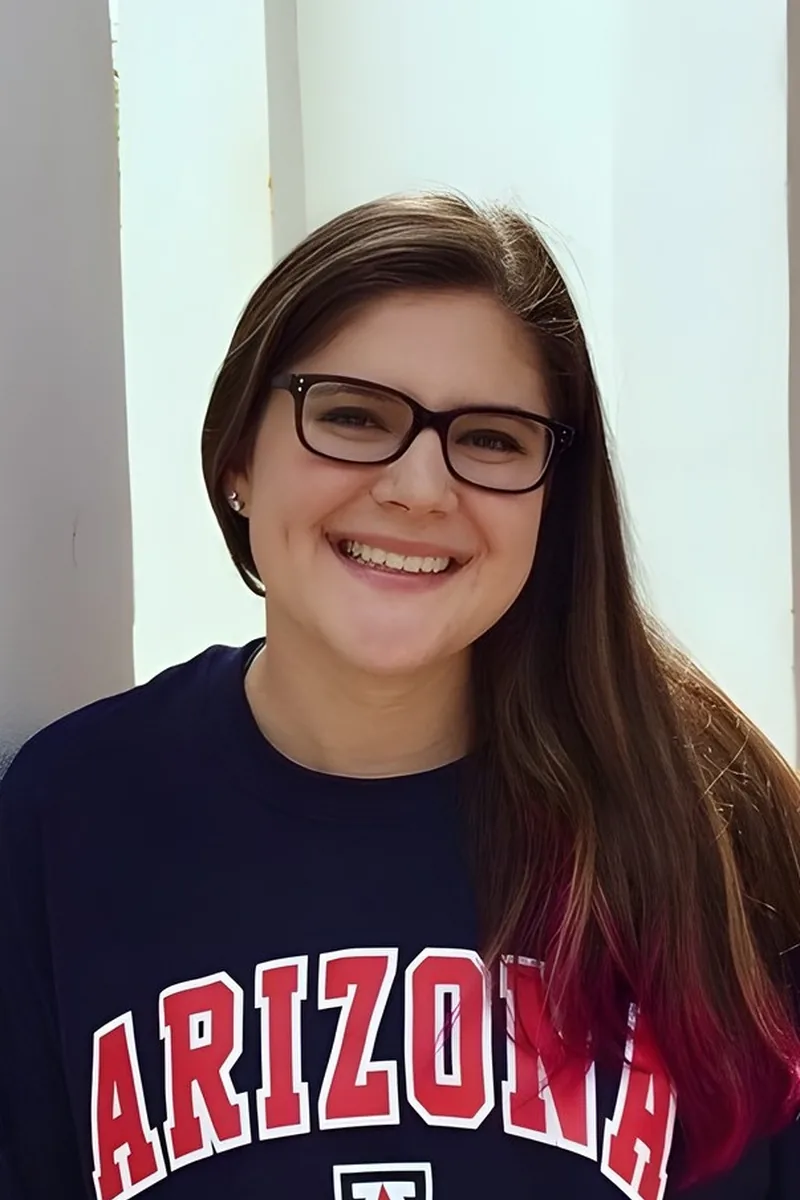
Alex's chemical engineering and anthropology degrees from Washington and Lee make an unexpectedly useful pairing for AP Spanish — the engineering side builds systematic thinking about grammar structures like subjunctive triggers and pronoun placement, while the anthropology training sharpens the cultural analysis the exam's free-response prompts demand. He teaches Spanish 3 and 4, so he's already comfortable working at the level of complexity the AP exam expects in timed persuasive essays and spoken responses. Rated 4.8 by students.
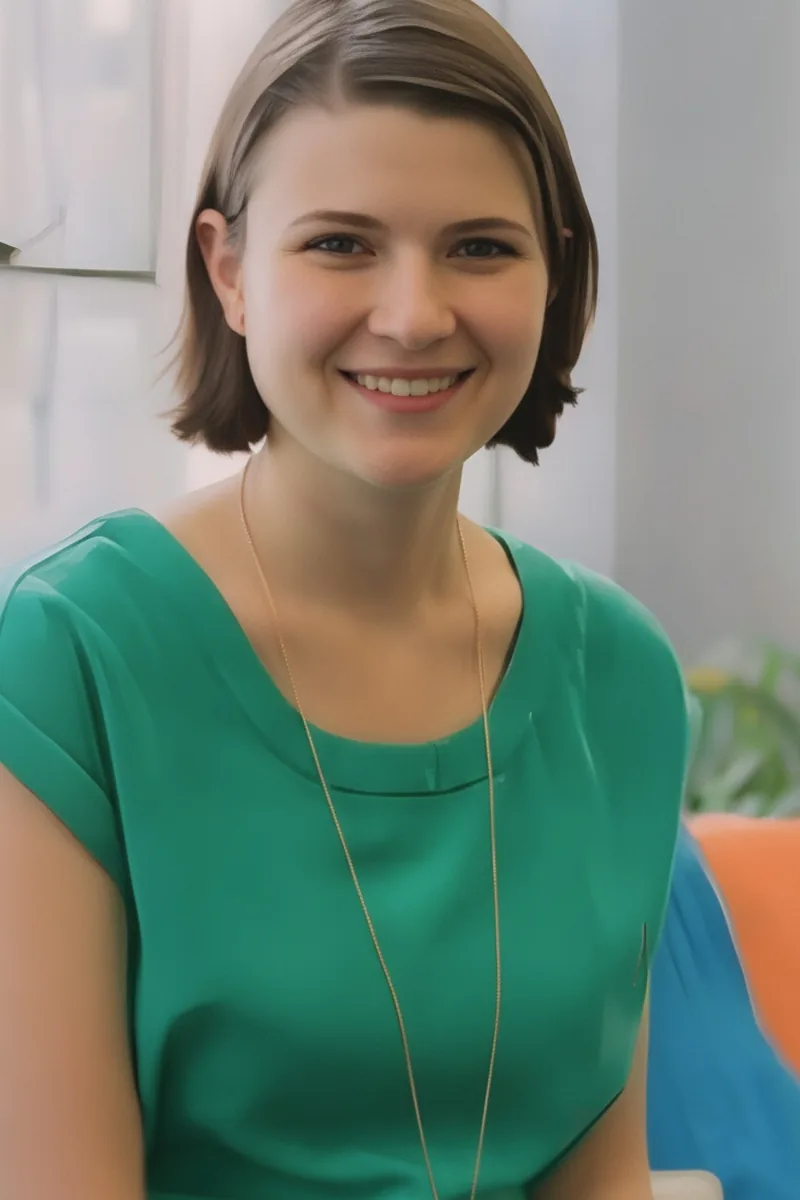
Living in Spain for six months gave Rebecca the kind of immersive fluency that AP Spanish Language & Culture demands — not just grammar accuracy, but the ability to navigate cultural comparisons and presentational speaking with confidence. She tackles the interpersonal and presentational writing tasks by teaching students how to integrate source material and build arguments entirely in Spanish. Her Notre Dame training in close reading also translates directly to the audio and print source analysis on the exam.
Milan's double major in Computer Science and English might seem unrelated to Spanish, but teaching across six Spanish levels — from Spanish 1 through AP — means he knows exactly which grammar gaps trip students up on timed free-response tasks. His English background sharpens how he coaches the persuasive essay's argument structure, while his conversational Spanish teaching keeps the interpersonal speaking prep grounded in real communication rather than rehearsed scripts.
Molly holds degrees in Spanish from Columbia University, which gives her the academic grounding in grammar, composition, and literary analysis that AP Spanish Language & Culture's written and spoken tasks demand. Her classroom teaching experience across multiple grade levels means she quickly spots the structural weaknesses — verb tense confusion, weak transitions, underdeveloped cultural comparisons — that keep students from reaching a 4 or 5. Rated 5.0 by students.
Scoring well on AP Spanish Language & Culture means toggling between interpersonal conversation, presentational writing, and rapid-fire audio sources — often in the same exam session. Meagan majored in Spanish at the undergraduate level and has taught ESL, so she understands language acquisition from both directions and can pinpoint where a student's comprehension or production breaks down.
Success on the AP Spanish Language & Culture exam depends on toggling fluently between interpretive, interpersonal, and presentational communication — often within a single task. Margaret tackles each mode separately, drilling persuasive email writing one session and audio-source synthesis the next, so students build confidence across the full exam format. Her own deep engagement with Spanish literature and conversation gives her the cultural fluency this exam specifically rewards.
Gabriel's PhD work in Comparative Human Development at the University of Chicago means he approaches the AP Spanish exam's cultural comparison task through an academic lens most tutors can't offer — he's trained to analyze how cultural practices differ across communities, which is exactly what that free-response prompt asks students to do. He teaches Spanish 2 through 4, so he knows which grammar foundations need tightening before students can write a persuasive essay in formal register under timed conditions. Rated 5.0 by students.
Born in Colombia and raised speaking Spanish at home, Manuela brings native fluency to AP Spanish Language & Culture — but what sets her apart is her academic training in Romance Languages, which means she can explain the grammar rules she uses instinctively. She tackles the exam's trickiest components, like the persuasive essay and cultural comparison presentational speaking tasks, by drilling source synthesis and formal register. Her 5.0 rating speaks to how well that combination works.
Fluent in Spanish after living in a Spanish-speaking country, Lisanne brings real-world command of the language to AP Spanish prep — not just textbook knowledge. She tackles the exam's trickiest components, like the persuasive essay and cultural comparison, by teaching students to think and organize ideas directly in Spanish. Her experience tutoring every level from Spanish 1 through AP means she quickly identifies the grammar gaps holding a student back from a top score.
Native fluency gives Solange an ear for the idiomatic phrasing and natural register that score well on AP Spanish Language's interpersonal and presentational tasks. She digs into the cultural comparison essays and audio-response prompts that trip up even advanced students, coaching them to move beyond translated English and into authentic Spanish expression. Rated 5.0 by her students.
Speaking five languages — Gujarati, Hindi, Spanish, Arabic, and French — gives Sahar an intuitive grasp of how Spanish grammar and idiomatic expression actually work in conversation, not just on paper. She digs into the interpersonal and presentational communication modes the AP exam tests, from crafting persuasive essays with proper subjunctive usage to navigating audio sources on cultural topics. Rated 5.0 by students.
Planning to minor in Spanish and study abroad in Madrid, Ryan brings real investment in the language to AP Spanish prep. He zeroes in on the presentational and interpersonal speaking tasks that tend to cost students the most points, drilling strategies for organizing spontaneous responses and weaving in cultural comparisons on the fly.
Between engineering coursework at Cornell and watching Russian news to stay sharp in her third language, Daria keeps her Spanish active by treating it as another system to master — grammar patterns, listening comprehension, and cultural context all get the same analytical rigor. She teaches both Spanish 1 and Spanish 2 alongside AP prep, so she knows exactly which foundational gaps trip students up on the exam's interpretive and presentational tasks. Rated 5.0 by students.
Testimonials
Because the right AP Spanish Language & Culture tutor makes all the difference.
Average Session Rating – Based on 3.4M Learner Ratings
Nearby AP Spanish Language & Culture Tutors
Other Tucson Tutors
Related Languages Tutors in Tucson
Frequently Asked Questions
The AP Spanish Language & Culture exam tests your ability to communicate in Spanish across three modes: interpersonal (conversations), interpretive (reading and listening), and presentational (writing and speaking). The exam includes multiple-choice sections on reading and listening comprehension, as well as free-response tasks like email writing, formal presentations, and conversational simulations. Success requires strong vocabulary, grammar accuracy, and cultural understanding across Spanish-speaking regions.
Score improvement depends on your starting level and commitment, but most students see meaningful gains—often 1-2 points on the 5-point scale—when working with a tutor on targeted weak areas. Personalized 1-on-1 instruction helps you identify whether you need to focus on listening comprehension, written expression, grammar accuracy, or cultural knowledge. The key is consistent practice with feedback on the specific sections where you're losing points.
Students commonly struggle with the listening section—understanding native speakers at natural pace with regional accents—and the free-response writing tasks, which require formal register and grammatical precision. The conversational simulation (interpersonal speaking) also challenges many students because it's unpredictable and requires quick thinking. Tutors can help you build listening stamina through authentic materials, master formal writing conventions, and practice spontaneous speaking to build confidence.
Ideally, start tutoring 3-4 months before the exam to allow time for skill-building and practice test cycles. However, even 6-8 weeks of focused weekly sessions can help you target specific weak areas and refine test-taking strategies. The timeline depends on your current level—students aiming for a 4 or 5 typically benefit from longer preparation, while those looking to improve from a 2 to a 3 might see results faster with intensive tutoring.
Practice tests are essential—they help you understand the exam format, build pacing skills, and identify which sections need the most work. Taking full-length practice exams under timed conditions reveals whether you struggle with time management on the multiple-choice sections or the free-response tasks. A tutor can review your practice test results to pinpoint patterns in errors, whether they're grammar-based, vocabulary-related, or comprehension issues, then tailor instruction accordingly.
Varsity Tutors connects you with expert tutors in Tucson who specialize in AP Spanish Language & Culture and understand the exam's specific demands. When you get matched with a tutor, you can discuss your target score, current level, and which sections need the most work. Tutors can then design a personalized study plan, provide authentic listening materials, conduct practice conversations, and give detailed feedback on your writing and speaking.
The AP Spanish Language & Culture exam emphasizes that language proficiency goes hand-in-hand with cultural understanding. The exam tests your knowledge of traditions, history, current events, and social practices across Spanish-speaking countries. This cultural context appears in reading passages, listening clips, and discussion prompts. A tutor can help you build cultural knowledge through authentic news articles, documentaries, and conversations, making you more confident in all sections of the exam.
The interpersonal and presentational speaking tasks feel high-stakes, but practice with a tutor in a low-pressure environment builds confidence fast. Tutors can simulate the exam's conversational prompts and presentation scenarios, give you immediate feedback on pronunciation and fluency, and help you develop strategies for thinking quickly when you don't know a word. Repeated practice reduces anxiety by making the format familiar and manageable.
Let’s find your perfect tutor
Answer a few quick questions. We’ll recommend the right plan and match you with a top 5% tutor.