Award-Winning AP Spanish Literature and Culture Tutors
serving Mesa, AZ
AP Spanish Literature and Culture
Tutors in Mesa
Private 1-on-1 tutoring, weekly live classes for academic support, test prep & enrichment, practice tests and diagnostics, and more to elevate grades and test scores.
Based on 3.4M Learner Ratings
UniversitiesSchools & Universities
DeliveredHours Delivered
ProficiencyGrowth in Proficiency
Who needs tutoring?
No obligation. Takes ~1 minute.
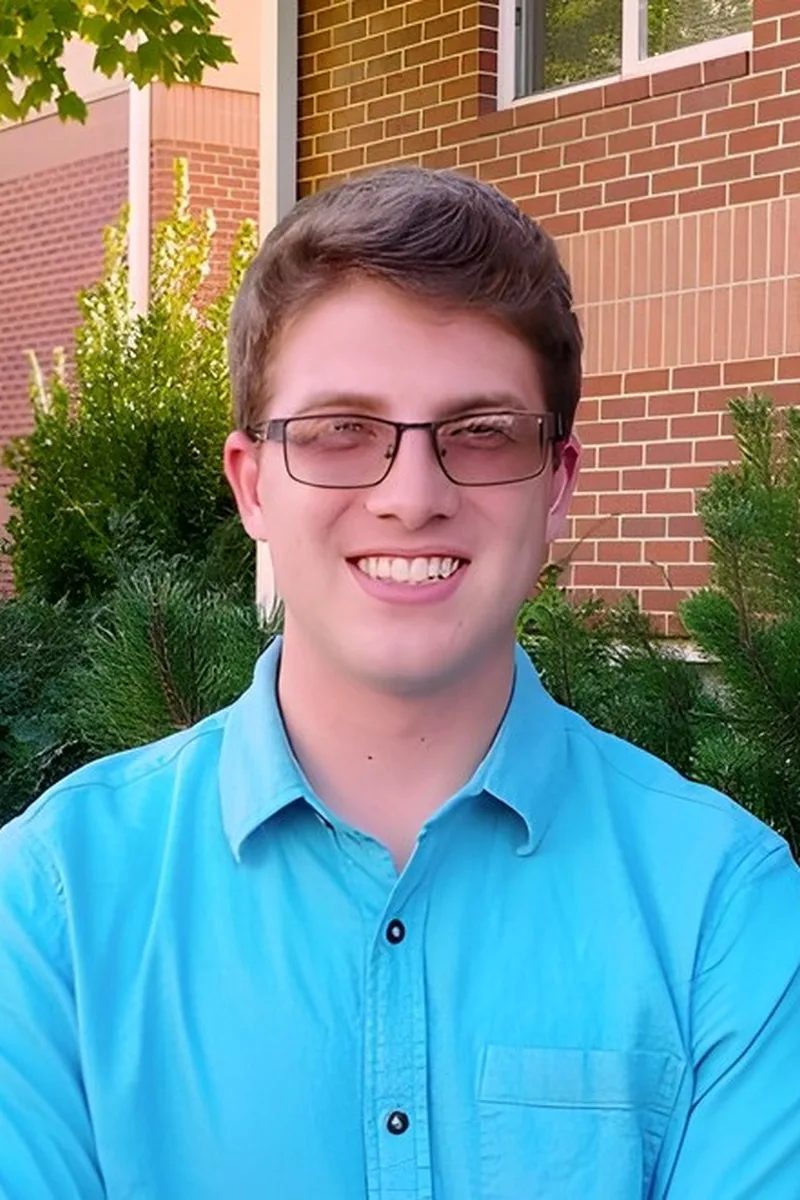
Gavin earned his BA in Spanish and tutors across the full sequence from Spanish 1 through AP Spanish Literature and Culture, so he knows exactly where the jump from language proficiency to literary analysis catches students off guard. He zeroes in on building the interpretive reading habits the exam requires — identifying how an author's use of metaphor or narrative voice ties back to broader cultural themes — and coaches essay responses that move past summary into genuine argumentation. Rated 4.8 by students.
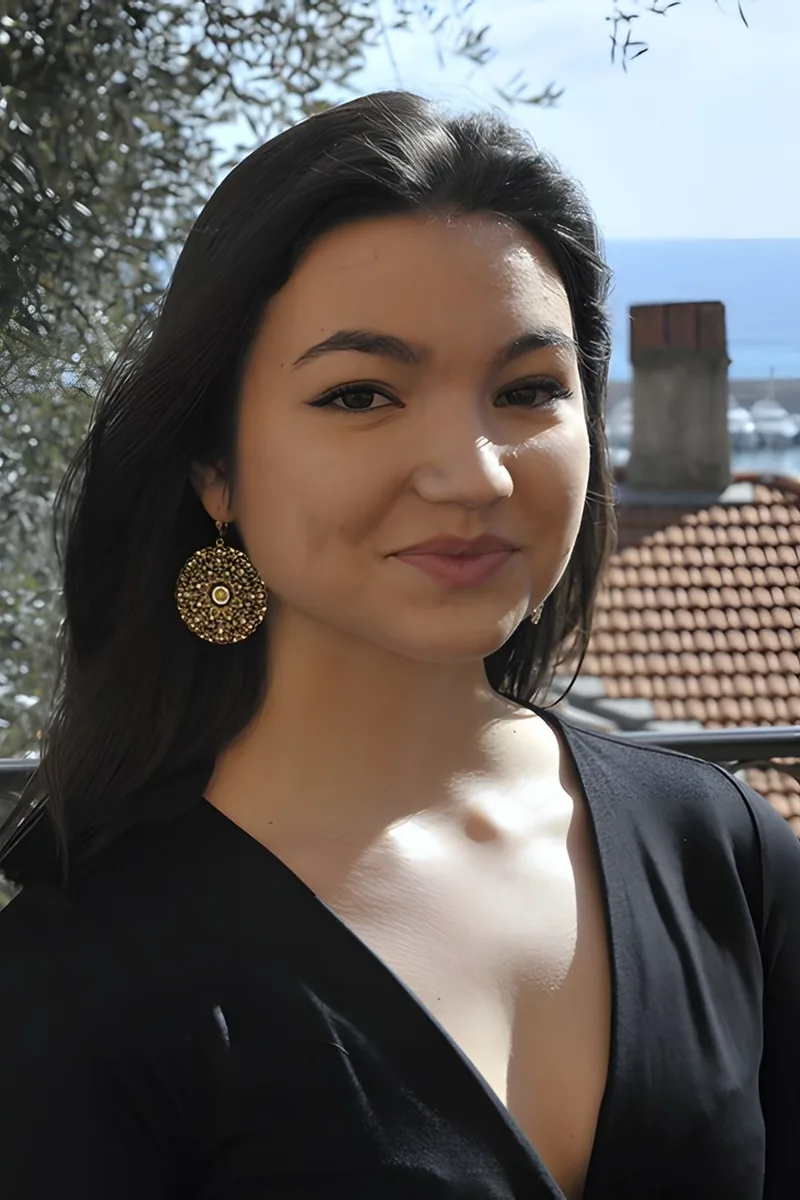
Studying political science sharpened Claire's ability to read texts as arguments — identifying how authors use structure, rhetoric, and cultural context to advance a point of view, which is exactly the analytical muscle the AP Spanish Literature free-response essays test. She tutors across four levels of both Spanish and French, so she's comfortable conducting literary discussion and essay practice in the target language. Rated 5.0 by students.
Double-majoring in English and Spanish at Butler — with a history minor and honors program work — meant Darby spent four years reading literature through both linguistic and cultural lenses simultaneously, a habit that translates directly to analyzing AP reading list texts where literary movements cross national and language boundaries. She teaches essay construction in Spanish with a creative writer's attention to how an author's formal choices (imagery, tone, narrative voice) carry argumentative weight in timed free-response writing. Rated 5.0 by students.
Elliot's training is in neuroscience and cognitive science, not Spanish literature — so this is a peripheral subject for him. That said, his PhD-level analytical skills and experience teaching writing and essay construction mean he can coach students on the structural mechanics of timed literary essays: building a thesis, organizing textual evidence, and arguing a point clearly under pressure.
International Relations coursework gives Patrick a lens into the political and social forces behind Latin American and Spanish literary movements — useful context when essays on the AP reading list demand more than surface-level textual analysis. His Spanish studies through AP-level coursework and beyond mean he can conduct close reading and essay practice in the target language, connecting works to the broader historical currents his IR training covers.
This isn't Vivian's core subject — her strengths center on standardized test prep and English — but her 36 ACT and 4.9 rating speak to the analytical rigor she brings to any text-based exam. For students who already have solid Spanish fluency and need help with the structural side of timed literary essays (building a thesis, organizing evidence, writing under pressure), her test-taking instincts translate well to the AP free-response format.
Adriana's biochemistry and history double major at Rice might seem unusual preparation for literary analysis, but dissecting historical arguments and scientific texts in two languages built exactly the kind of rigorous close-reading this exam rewards. Fluent in Spanish and holding a 5.0 tutoring rating, she walks students through the timed analytical essay process — constructing thesis-driven arguments about works on the AP reading list entirely in Spanish, with attention to both literary devices and the cultural contexts behind them.
Before college, Heather's high school Spanish teacher trusted her enough to refer another student to her for one-on-one tutoring — the kind of endorsement that speaks to genuine command of the language beyond classroom basics. Her psychology training adds a useful angle for AP Literature essays where character motivation and identity themes drive the analysis, and she brings patient, structured coaching to students who get overwhelmed by timed writing in Spanish. Rated 5.0 by students.
Medical school sharpens one skill that translates surprisingly well to AP Spanish Literature: reading dense, complex material under pressure and extracting exactly what matters. Brianna's biology degree and Spanish tutoring experience give her the language foundation, while her test-taking discipline (1490 SAT, 32 ACT) carries over to coaching students on structuring timed analytical essays where clear argumentation counts more than literary flourish. This isn't her deepest subject, but for students who need help with the mechanics of building an evidence-based essay under exam conditions, her systematic approach fills a real gap.
Political science and law school prep might seem far from the AP reading list, but Diana's training in constructing tight, evidence-based arguments translates directly to the exam's free-response essays — where a well-structured thesis about a Borges story or a Sor Juana poem matters as much as Spanish fluency. Her background in Latin and AP Spanish coursework gives her the linguistic foundation to coach students through close reading and essay drafting in Spanish, especially on the argumentative structure that separates mid-range scores from top ones.
Spanning Spanish 1 through AP-level coursework and the SAT Subject Test in Spanish with Listening, Alma has built her tutoring practice around the language from every angle — grammar, conversation, reading, and writing. For this exam specifically, her creative writing and essay editing experience shapes how she coaches timed literary analysis essays, teaching students to move from a raw reading of a passage to a focused, thesis-driven argument written entirely in Spanish.
Reading García Márquez or Sor Juana Inés de la Cruz in the original Spanish demands more than vocabulary — it requires understanding literary movements, rhetorical devices, and the cultural contexts that shaped each work. Corey studied Latin American & Caribbean Studies alongside cognitive science at the University of Michigan, giving him both the literary background and the analytical framework to unpack AP Spanish Literature's required reading list. He connects themes across periods so students can write stronger comparative essays on exam day.
English and journalism training at UChicago sharpened Isabella's ability to dissect how authors construct arguments and layer meaning — skills that transfer directly to analyzing AP reading list texts, even though Spanish literature isn't her primary lane. For students who already have strong Spanish fluency but struggle with the essay side of the exam (building a thesis, structuring evidence-based paragraphs under time pressure), her 5.0 rating and deep experience coaching college-level writing make her a practical fit.
Testimonials
Because the right AP Spanish Literature and Culture tutor makes all the difference.
Average Session Rating – Based on 3.4M Learner Ratings
Nearby AP Spanish Literature and Culture Tutors
Other Mesa Tutors
Related Languages Tutors in Mesa
Frequently Asked Questions
AP Spanish Literature and Culture focuses on reading, analyzing, and interpreting Spanish and Latin American literary texts across six thematic units: families and communities, personal and public identities, loyalty and betrayal, freedom and social responsibility, change and transformation, and beauty and aesthetics. Students engage with poetry, prose, drama, and essays from different time periods and regions, developing skills in literary analysis, cultural interpretation, and written/oral expression in Spanish.
The exam consists of two sections: a 80-minute multiple-choice section with 50 questions focused on reading comprehension of literary passages, and a 100-minute free-response section with three essay prompts (interpretive, analytical, and comparative essays). Success requires not just understanding Spanish, but analyzing literary devices, themes, and cultural context—skills that benefit significantly from personalized instruction tailored to your writing strengths and weaknesses.
Students often struggle with three main areas: understanding archaic or complex literary language in older texts, analyzing subtle literary devices and symbolism rather than just translating words, and writing sophisticated essays in Spanish under timed pressure. Many also find it difficult to balance their Spanish language skills with the deeper cultural and historical context needed to interpret texts meaningfully. Personalized tutoring helps you develop strategies for each of these challenges based on your specific needs.
Score improvement depends on your starting point and consistency with preparation. Students who work with tutors typically see gains of 1-2 score points by focusing on weak areas—whether that's essay structure, close reading techniques, or cultural analysis. The most significant improvements come from regular practice with actual AP passages, targeted feedback on your essays, and developing a personalized study strategy that addresses your specific gaps rather than generic test prep.
Your first session is about understanding where you stand and what you need most. A tutor will likely assess your current reading comprehension level with an AP-style passage, review a writing sample to evaluate your essay skills, and discuss your timeline and goals. This helps create a personalized plan—whether you need help with literary analysis, essay writing, managing test anxiety, or all three. You'll leave with a clear sense of your strengths and the specific areas to focus on.
Most students benefit from starting preparation 3-4 months before the exam in May, dedicating 5-8 hours per week to reading, analysis, and essay practice. However, if you're starting closer to the test date or have significant gaps in literary analysis skills, more intensive tutoring can help you make efficient progress. The key is consistent, focused practice with actual AP texts and regular feedback on your essays—not just passive reading or memorization.
Strong essays require understanding the prompt fully, selecting specific textual evidence, and explaining how that evidence supports your analysis—not just translating or summarizing. Effective strategies include spending 2-3 minutes planning your essay structure before writing, using transition phrases to guide your reader, and practicing timed writing regularly to build fluency and confidence. Tutors can review your drafts, identify patterns in your writing, and help you develop a personal checklist for editing under pressure.
Look for tutors with strong Spanish language proficiency, demonstrated expertise in literary analysis and interpretation, and ideally experience with AP Spanish curriculum or similar advanced literature courses. Tutors who have scored well on the AP exam themselves or taught AP-level courses understand the specific skills and pacing the test requires. For students in Mesa, Varsity Tutors connects you with expert tutors who can provide personalized instruction aligned with your learning style and timeline.
Let’s find your perfect tutor
Answer a few quick questions. We’ll recommend the right plan and match you with a top 5% tutor.