Award-Winning AP Latin Tutors
serving Mesa, AZ
AP Latin
Tutors in Mesa
Private 1-on-1 tutoring, weekly live classes for academic support, test prep & enrichment, practice tests and diagnostics, and more to elevate grades and test scores.
Based on 3.4M Learner Ratings
UniversitiesSchools & Universities
DeliveredHours Delivered
ProficiencyGrowth in Proficiency
Who needs tutoring?
No obligation. Takes ~1 minute.

Most AP Latin students hit a wall not with vocabulary but with the grammar — figuring out how a string of ablative absolutes or nested subjunctive clauses actually fits together in a real passage of Caesar. Ben studied classical and medieval Latin and brings an English major's close-reading instincts to translation work, teaching students to track how word order and syntax carry meaning rather than just hunting for dictionary definitions. His 34 ACT and 4.7 rating point to the kind of precise, careful reading the exam rewards.
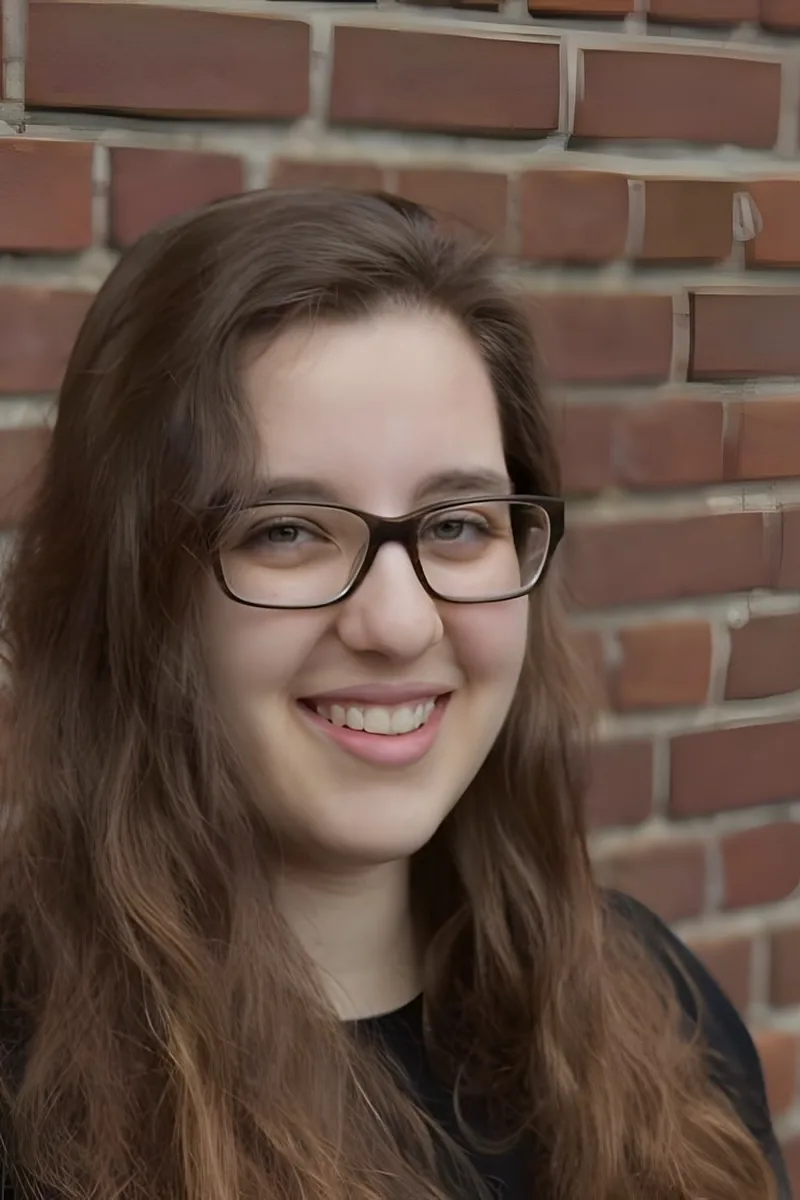
A Reed College Classics degree means Marilyn didn't just study Latin — she lived in the language alongside Ancient Greek, building the kind of cross-linguistic intuition that makes tricky AP constructions like fear clauses and conditions contrary to fact easier to explain from multiple angles. She's especially sharp on Vergil's poetry, where understanding meter and word order simultaneously is half the battle for students tackling sight-reading passages under exam pressure. Rated 4.8 by students.
I am confident in both my quantitative and verbal skills, I consider my primary strength to lie in standardized test-taking, the process of which I profoundly enjoy, strange as it is to say.
Three years of peer tutoring Latin in high school gave Brooke a knack for explaining the grammatical structures that trip students up most — and now, studying engineering at Duke, she brings that same systematic thinking to helping AP students decode Vergil's layered word order and Caesar's winding periodic sentences. She's particularly good at turning intimidating constructions into step-by-step logic, which makes sight-reading passages feel less like a guessing game. Rated 5.0 by students.
Grace lists AP Latin among her subjects and has studied the language, but her strongest academic foundation is in political science and government — so she's at her best coaching the essay and analytical portions of the exam, where students need to argue how Caesar or Vergil uses rhetoric and structure to achieve a purpose. Her 1570 SAT reflects the close-reading precision that transfers well to unpacking Latin passages under timed conditions.
Having studied Latin through the advanced level and across multiple classical languages, Jamie uses a comprehensible input approach that treats Vergil and Caesar not as decoding exercises but as stories — building the kind of reading fluency that lets students handle sight passages and literary analysis questions without freezing up. A master's in Special Education also means Jamie knows how to adapt when a student's usual approach to grammar or translation isn't clicking.
Translating Vergil and Caesar under AP exam conditions requires more than vocabulary recall; it demands recognizing how ablative absolutes, indirect discourse, and subjunctive clauses reshape meaning in real passages. Meghna digs into the grammar underlying each line so students can parse unfamiliar constructions confidently and write the kind of analytical essays the exam rewards.
Having studied Latin through three levels — including AP — Sarah knows firsthand where students get tripped up on the exam's translation and essay demands. Her English degree sharpens the literary analysis side, especially when students need to articulate how Vergil's word order or Caesar's sentence structure creates meaning in free-response prompts. Rated 5.0 by students.
Double-majoring in Latin and Ancient Greek means Shawn didn't just translate the AP syllabus texts — he studied them within the full ecosystem of classical languages, which sharpens his ability to explain why a subjunctive shows up in one clause but not another, or how Vergil's word order creates effects that a straight English translation flattens. His 33 ACT and 5.0 tutoring rating back up the reading precision and communication skills he brings to both translation work and the free-response essays.
Majoring in both French/Francophone Studies and Linguistics at William & Mary, Tristan brings a linguist's eye to Latin — the kind of cross-language structural awareness that makes it easier to explain why Vergil inverts word order for emphasis or how Caesar's subjunctive clauses signal intent. He's completed Latin through the advanced level and scored a 1590 SAT, reflecting the close-reading precision that pays off on both translation and free-response sections. Rated 5.0 by students.
Rebecca is a Classics major who reads Vergil and Caesar daily as part of her undergraduate coursework — the exact texts the AP Latin exam tests. That immersion, combined with her applied psychology training, means she understands both the Latin on the page and how to adjust her explanations when a student's grasp of something like indirect discourse or scansion isn't solidifying. Rated 5.0 by students.
Studying Classical Studies at Columbia means Sean reads Latin not as a classroom exercise but as the living backbone of his degree — translating the same Vergil and Caesar passages that drive the AP exam while simultaneously studying the historical and philosophical contexts that make those texts click. That dual lens is especially useful for the free-response essays, where connecting a grammatical choice to an author's larger purpose separates strong answers from surface-level ones.
Brendan studied Latin through AP level and beyond, tackling authors like Virgil and Caesar in their original texts. For the AP exam specifically, he digs into sight-reading strategy, scansion of dactylic hexameter, and the analytical essay prompts that trip students up most. Rated 5.0 by students.
Testimonials
Because the right AP Latin tutor makes all the difference.
Average Session Rating – Based on 3.4M Learner Ratings
Practice AP Latin
Free practice tests, flashcards, and AI tutoring for AP Latin
Other Mesa Tutors
Related Languages Tutors in Mesa
Frequently Asked Questions
AP Latin focuses on reading and interpreting Latin texts, primarily selections from Virgil's Aeneid and Caesar's Gallic Wars. Students develop skills in translation, grammar analysis, and understanding Roman culture and history through primary sources. The exam tests comprehension, translation accuracy, and the ability to answer analytical questions about the texts—all essential skills for scoring well on test day.
Many students struggle with the pace of reading unfamiliar Latin passages under timed conditions and maintaining accuracy in translation while also analyzing syntax and meaning. Building vocabulary retention and recognizing grammatical patterns quickly are common pain points. Personalized tutoring helps students develop efficient reading strategies and practice with authentic AP-style passages to build confidence and speed.
Score improvement depends on your starting point and how consistently you engage with tutoring. Students who work with tutors typically see gains through targeted practice on weak areas—whether that's specific grammatical constructions, vocabulary retention, or test-taking pacing. Most students benefit from identifying which sections of the exam (translation vs. multiple-choice comprehension) need the most focus and building a study plan around those areas.
Practice tests are crucial for AP Latin success because they simulate the actual exam format and help you understand pacing—you'll need to translate passages and answer questions within strict time limits. Regular practice tests reveal which texts or grammatical concepts trip you up and where you're losing time. Tutors can review your practice test performance to pinpoint weak areas and adjust your study strategy accordingly.
Work with your tutor to prioritize based on your diagnostic results: solidifying grammar foundations, expanding vocabulary, practicing rapid translation of unseen passages, and developing test-taking strategies. Many students benefit from close reading of the required texts with expert guidance, then moving to timed practice with AP-style questions. Your tutor can also help you manage test anxiety by building confidence through repeated exposure to exam conditions.
Most students benefit from starting tutoring several months before the exam—ideally by winter or early spring if testing in May. The timeline depends on your current Latin level and target score. Even a few weeks of focused tutoring on weak areas can help, but consistent preparation over several months allows time to build reading fluency, expand vocabulary, and practice full-length exams under timed conditions.
Your first session typically includes an assessment of your current Latin skills—your comfort with grammar, vocabulary, and reading speed—along with a discussion of your target score and timeline. Your tutor will identify your strongest and weakest areas, then work with you to create a personalized study plan. This might include diagnostic practice on specific text passages or question types to pinpoint exactly where to focus your efforts.
Look for tutors with strong backgrounds in Latin—ideally those who have taught AP Latin, scored well on the exam themselves, or have advanced degrees in Classics or Latin. Experience with the specific AP curriculum and exam format is important, as is familiarity with teaching test-taking strategies and pacing techniques. Varsity Tutors connects you with expert tutors in Mesa who understand the AP Latin exam and can tailor instruction to your needs.
Let’s find your perfect tutor
Answer a few quick questions. We’ll recommend the right plan and match you with a top 5% tutor.