Award-Winning AP English Literature and Composition Tutors
serving Tacoma, WA
AP English Literature and Composition
Tutors in Tacoma
Private 1-on-1 tutoring, weekly live classes for academic support, test prep & enrichment, practice tests and diagnostics, and more to elevate grades and test scores.
Based on 3.4M Learner Ratings
UniversitiesSchools & Universities
DeliveredHours Delivered
ProficiencyGrowth in Proficiency
Who needs tutoring?
No obligation. Takes ~1 minute.
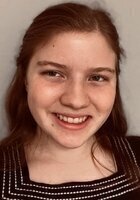
I'm a current PhD student in the history department at Georgetown University who is also an experienced instructor with Varsity Tutors. As a recipient of several degrees, the most recent being a BA in history from Hillsdale College and a MA in Russian, East European, and Eurasian Studies from Stanford University, I have long sought to make teaching my profession. Meanwhile, as a volunteer grade school teacher and a tutor with this company, I have many years' experience helping students reach their full potential. I am capable of teaching students in many subjects, including reading, mathematics, test prep, Latin, and especially writing, history, and literature. In practice, I am comfortable adapting to different learning styles and specific student preferences. Outside of my academic and career endeavors, I enjoy cooking, reading, and listening to and making music.
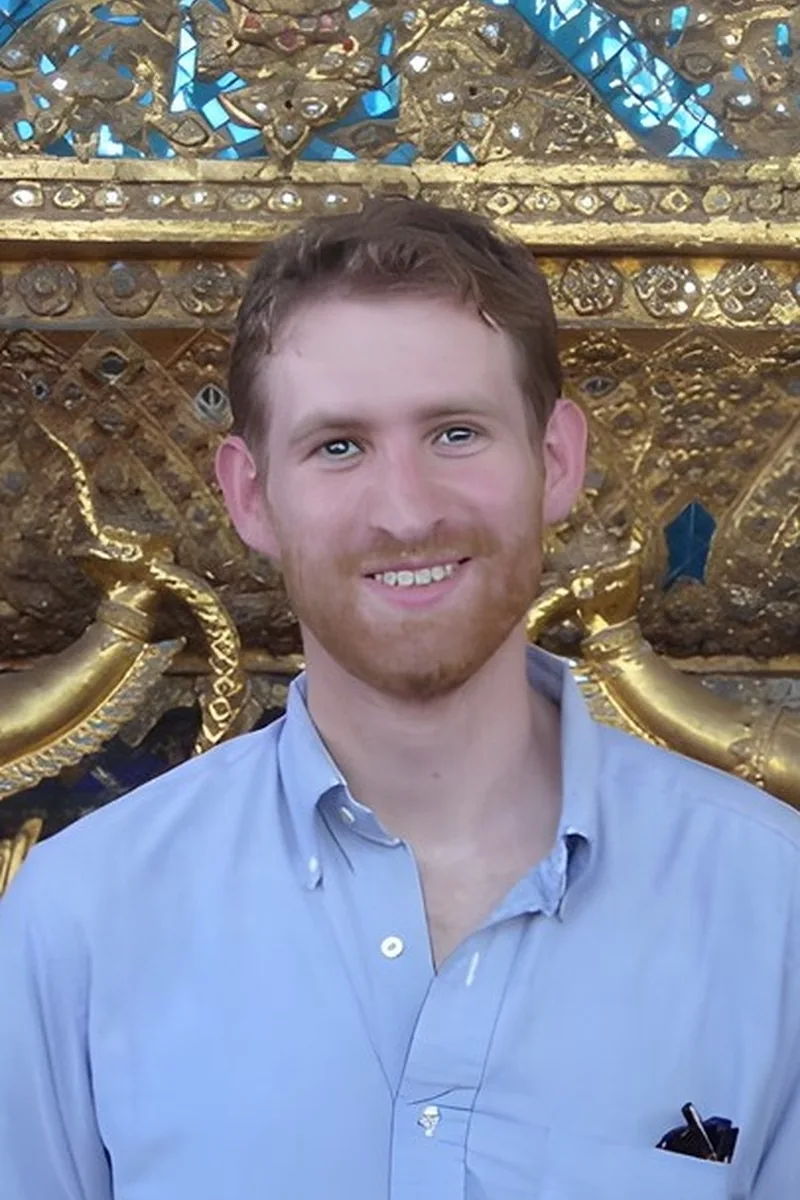
AP English Literature asks students to do in a timed essay what Alex has spent years training to do at the doctoral level: construct an argument about a literary text using precise evidence and sophisticated analysis. He digs into the specific skills the exam rewards — reading poetry for structure and figurative language, writing thesis-driven essays under pressure, and choosing the right passage for the open-ended prompt. His PhD research in English means students are learning from someone who lives inside these texts.
Update: I completed a two-month full-time guest teacher assignment teaching World Languages Spanish to high school students (9th-12th) Spanish 1/2/3. By utilizing a student-centered learning approach, cultural competence, and equitable teaching, I support students with pedagogy rooted in inquiry, hypothesis, information gathering, problem-solving, and action. I encourage all students to adopt an open-minded approach, and provide support to gifted students, students with disabilities, English Language Learners, and Multilanguage Learners with equity. "Not everything that is faced can be changed, but nothing can be changed until it is faced." James Baldwin I am in my second year of grad school, pursuing a dual master's degree in K-8 Elementary Education and K-12 Special Education (Mild to Moderate Disabilities). With my education grad studies and BFA from the Rhode Island School of Design (RISD), I synthesize creativity and best practices in education to find creative ways of supporting learners. My pursuit and purpose is to guide with compassion and enthusiasm. I encourage students to take ownership of their learning. By promoting student agency, students empower themselves to achieve in academic, social, emotional, and behavioral development. As an ADHD adult, I enjoy working with ADHD students and adults experiencing anxiety + depression. What is effortful for our neurodivergent brains is also our superpower! In my career, I have lived and worked in NYC as an editorial photographer, actor, and dancer. I lived in Berlin and pursued performance art + music while honing my communications skills in digital art + copywriting in Marketing. In Los Angeles, I succeeded as a commercial and theatrical actor. My skill set is suited for collaboration with all students to support and develop their passion for learning, exploration, and critical thinking. I live in southeastern Washington State and teach in northeastern Oregon and southeastern Washington State public school districts. I support students in the following subjects: Elementary School Reading Elementary School Math AP English High School English Middle School English Middle School Math Digital Media & Graphic Design Fine Arts & Filmmaking Creative Writing Study Skills & Organization German 1/2 Spanish 1/2/3 Spanish Language Arts English Language Learners English Language Development Algebra 1/2 Special Education (all subjects) High School Math "We all have ability. The difference is how we use it." Stevie Wonder Thank you for reading! Ms. Anna C.
AP Lit asks students to do something most haven't practiced: write a polished analytical essay about a poem or prose passage they've never seen before, under time pressure. Antonia digs into the skill behind that — teaching students to identify literary devices like shifts in tone, unreliable narration, and symbolic imagery, then turn those observations into a coherent argument within 40 minutes. Her work founding a dual-language tutoring program sharpened her ability to make complex textual analysis accessible to students at different comfort levels with close reading.
AP English Literature asks students to do exactly what Winnie was trained for: read a poem or prose passage cold and produce a sharp, thesis-driven essay under time constraints. Her comparative literature background means she can teach students to analyze imagery, narrative voice, and structural choices across traditions — from Victorian novels to postcolonial fiction — with the specificity the exam demands.
Analyzing how a poet's syntax mirrors emotional tension, or tracing a novel's symbolic architecture across 300 pages — AP Lit demands close reading at a level most high schoolers haven't encountered before. Martha's experience writing analytical papers at Duke and editing college essays sharpens her ability to teach students how to build a thesis from textual evidence and defend it in a timed essay.
AP Lit is Meagen's sweet spot. As an English major at Carleton College who genuinely lights up over close reading, she digs into how literary devices function within a text — not just identifying a metaphor but explaining what it accomplishes in the passage's argument or characterization. Her sessions on the free-response essays zero in on crafting a defensible thesis and weaving textual evidence into every body paragraph.
AP Lit asks students to do something genuinely difficult: read a poem or prose passage cold and produce a coherent literary argument under time pressure. Rob taught English at Choate Rosemary Hall and holds degrees in English and Philosophy, so he digs into the mechanics of close reading — how meter, diction, and narrative structure generate meaning — and then drills the timed-essay skills that turn that analysis into a 5.
AP Lit asks students to do something genuinely difficult: read a poem or passage they've never seen and produce a polished analytical essay under time pressure. Kirstie teaches close-reading techniques — tracking imagery patterns, identifying shifts in tone, unpacking syntax choices — that give students a repeatable framework for any unseen text. Her own background in literature and comparative literature means she can draw connections across periods and genres that deepen a student's analysis.
Studying English Language and Literature at the University of Chicago means Davis spends his days doing exactly what the AP Lit exam tests — building interpretive arguments about how writers use language to create meaning, then defending those arguments with precise textual evidence. He brings that daily practice to teaching students how to read a poem or passage for its deeper mechanics rather than just its surface narrative. His comfort with both canonical and contemporary literature gives him range across the full-work essay question, where choosing the right novel and framing a sharp thesis makes all the difference.
AP Lit's free-response questions reward students who can do more than summarize — they need to build an argument about how literary devices create meaning within a passage. Max teaches students to dissect prose and poetry prompts by identifying tone shifts, narrative structure, and figurative language, then weaving those observations into a cohesive thesis. His background teaching both history and English in a Boston high school means he's coached students through the exact pressure of timed analytical writing.
AP Lit asks students to do something most of their English classes haven't prepared them for: build an original interpretive argument about a poem or passage they've never seen before, in 40 minutes. Amanda's dual background in psychology and literary study gives her a distinctive angle on close reading — she teaches students to track how a character's interiority or a narrator's tone functions as evidence for a thesis. That analytical precision is what earns 7s, 8s, and 9s on the free-response questions.
AP Lit's free-response questions reward students who can move beyond plot summary and build an argument about how literary devices shape meaning — a skill that takes practice with close reading and thesis construction. Emerson scored a 1560 on the SAT and studied at the University of Chicago, where rigorous textual analysis is woven into nearly every course. Rated 5.0 by students, he brings that analytical precision to poetry explication, prose passage work, and the open-ended essay.
AP English Literature asks students to do something genuinely difficult: read a poem or prose passage they've never seen and produce a polished analytical essay under time pressure. Muriel's degree in Spanish and Italian literature means she's spent years doing exactly this kind of close reading across multiple literary traditions, spotting how imagery, tone, and structure carry meaning. She teaches students to build arguments around textual evidence rather than plot summary — the skill that separates 3s from 5s.
Teaching high school English while holding an MA in English with a focus on feminist critical theory, Danah knows exactly what AP Lit readers reward: thesis specificity, embedded textual evidence, and sophisticated literary analysis that goes beyond plot summary. She unpacks how to write a compelling free-response essay on poetry, prose, and open-prompt questions under timed conditions. Rated 5.0 by students.
AP Lit asks students to do something genuinely difficult: read a poem or prose passage cold and produce a polished analytical essay under time pressure. Wallis studied Russian and Art History at Sewanee, which means she spent four years dissecting literary and visual texts for symbolism, tone, and structural choices. She teaches students to build arguments around specific textual evidence rather than vague thematic summaries.
Testimonials
Because the right AP English Literature and Composition tutor makes all the difference.
Average Session Rating – Based on 3.4M Learner Ratings
Practice AP English Literature and Composition
Free practice tests, flashcards, and AI tutoring for AP English Literature and Composition
Nearby AP English Literature and Composition Tutors
Other Tacoma Tutors
Related English Tutors in Tacoma
Frequently Asked Questions
Varsity Tutors matches Tacoma students with expert AP English Literature and Composition tutors for 1-on-1 instruction. We pair each student with a tutor based on their specific needs, learning style, and goals.
Whether you need homework help, exam prep, or want to get ahead, our AP English Literature and Composition tutors are ready to help.
Common challenges include gaps from earlier material, difficulty with specific concepts, and trouble applying learning to new problems. These issues can snowball quickly in AP English Literature and Composition.
A tutor identifies where you're stuck, fills in gaps, and provides targeted practice. The 1-on-1 format means you get help exactly where you need it.
Tutors work with your student's actual coursework—homework assignments, class notes, and upcoming tests. This keeps tutoring directly relevant to what's happening in the classroom.
When you share information about your student's school and curriculum, we can match you with a tutor who has relevant experience.
All tutors complete background checks, credential verification, and teaching evaluation. Many of our AP English Literature and Composition tutors hold advanced degrees or have years of teaching experience.
You can review tutor profiles to find someone with the right background for your student's level and needs.
Many students see improved grades within a few weeks, along with better understanding of AP English Literature and Composition concepts and more confidence tackling challenging material.
Tutors track progress and adjust their approach to ensure continued improvement.
Most students benefit from 1-2 sessions per week. More frequent sessions help if your student is significantly behind or has an important exam coming up.
Your tutor can recommend a schedule based on your student's specific situation and goals.
Tutoring is purchased in packages of hours, with rates varying by tutor experience. Varsity Tutors offers several options to fit different budgets and needs.
You can discuss pricing during your consultation to find what works best.
Your tutor will assess where your student is, discuss goals, and start working on priority areas. Most students bring current homework or upcoming test material to focus on.
By the end, you'll have a clear sense of how the tutor can help and a plan for moving forward.
Let’s find your perfect tutor
Answer a few quick questions. We’ll recommend the right plan and match you with a top 5% tutor.