Award-Winning Japanese Tutors
serving Fort Worth, TX
Japanese
Tutors in Fort Worth
Private 1-on-1 tutoring, weekly live classes for academic support, test prep & enrichment, practice tests and diagnostics, and more to elevate grades and test scores.
Based on 3.4M Learner Ratings
UniversitiesSchools & Universities
DeliveredHours Delivered
ProficiencyGrowth in Proficiency
Who needs tutoring?
No obligation. Takes ~1 minute.

Emily minored in Japanese at Texas A&M and continues to engage with the language through media and self-study. She teaches hiragana, katakana, and foundational grammar patterns like particle usage with the same structured approach she applies to her other languages, making the writing systems feel systematic rather than overwhelming.
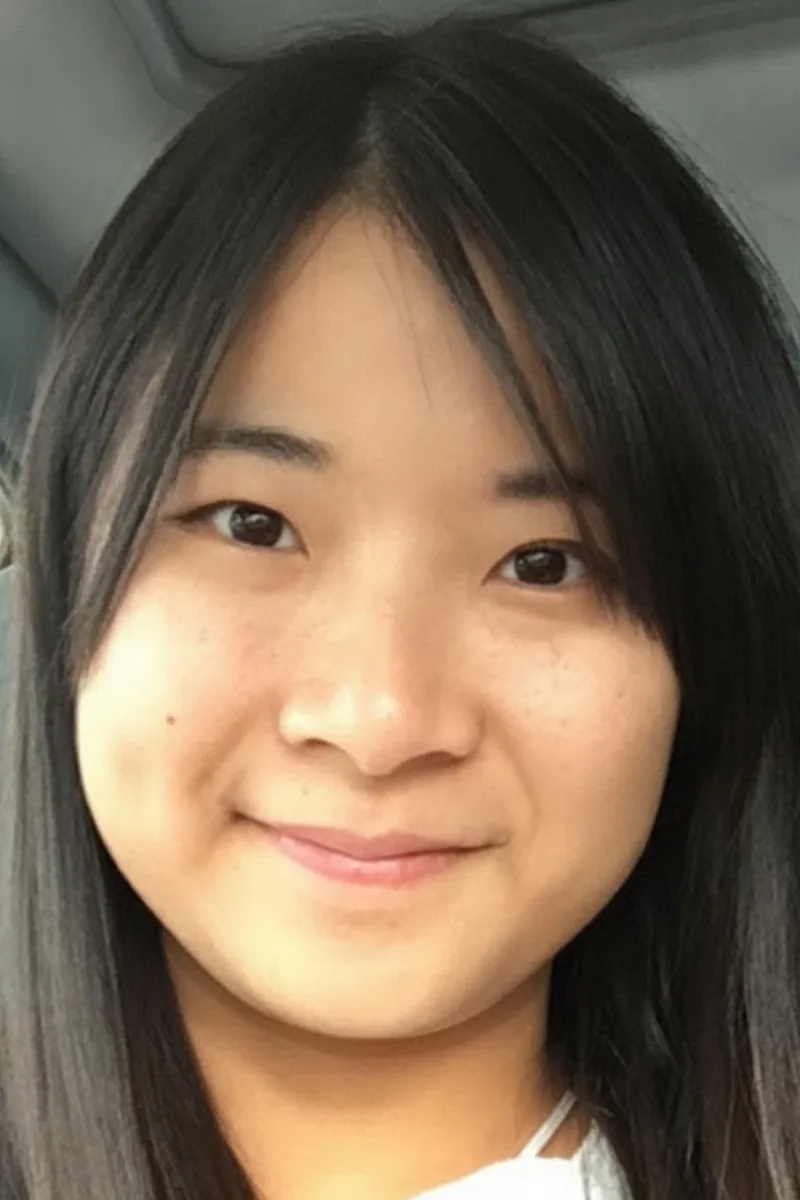
I am also fluent (reading/listening/writing) in Cantonese and mandarin Chinese because of my upbringing. Half of my childhood education was received in Hong Kong and the other half was in Australia.
Having completed an Asian Languages minor at UCLA, Abrahim brings formal training in Japanese grammar, kanji acquisition, and reading comprehension to his tutoring. He approaches the language methodically — building from particle usage and verb conjugation patterns up to reading authentic texts — which works especially well for students who want structure rather than immersion-only learning.
Learning Japanese means juggling three writing systems, unfamiliar sentence structures, and particles that don't map neatly onto English — Rex tackles each layer separately so students can build real reading and conversational ability. His communication design background also gives him a unique perspective on how visual layout and typography work in Japanese media, which keeps lessons engaging and culturally grounded.
An Asian Studies degree gave Andrew sustained exposure to Japanese language and culture throughout his undergraduate work, and he pairs that academic grounding with fluency in Mandarin Chinese to bring a comparative lens to East Asian language learning. He's particularly good at creating a low-pressure environment for speaking and reading practice — the kind of space where students actually start producing sentences instead of freezing up over perfect particle placement.
Most students learning Japanese hit a wall somewhere between mastering hiragana and actually constructing sentences with particles, verb conjugations, and counters. Kai has been teaching Japanese through the student organization meetings on campus, building lessons that move learners from basic self-introductions to reading short passages and holding simple conversations.
As a native Japanese speaker with over fifty years of fluency in reading, writing, and conversation, Hatsuki teaches the language the way it's actually used — from particle usage and keigo (honorific speech) to the nuances between hiragana, katakana, and kanji in everyday contexts. She currently lives in the U.S. with her family, giving her a natural understanding of where English speakers stumble with Japanese grammar and pronunciation.
Brian prepared for and took the SAT Subject Test in Japanese with Listening, which means he's worked through the grammar structures, kanji recognition, and listening comprehension challenges that define intermediate Japanese study. He approaches language learning with the same systematic thinking he applied to economics and CS at Caltech — breaking down sentence patterns and verb conjugations into logical rules rather than pure memorization.
I am a current student at the University of Vermont. I am completing two Bachelors in Linguistics and Japanese, and am a researcher for both departments. From high school to the present day I have tutored people my age and younger, and I have experience working with refugee/ELL students; I have collected 2 years of experience. Though I can tutor several subjects, I am most passionate for Japanese, and feel it is my true calling. In my experience helping those who want to learn a foreign language like Japanese, I have found that scaffolding, or building off of, your interests in film, food, literature and culture has a profound and positive effect on your learning. I love education and learning for the sake of learning, and I will soon graduate and plan to teach English in Japan; sharing language and culture is my way of helping others and the world.
I am open to tutoring in a broad range of subjects, including Algebra, Spanish I/II, ESL and Biology (SAT II, AP, and MCAT).
I am an experienced tutor and teacher from Okinawa, Japan who recently graduated from Brown University and now lives in Brooklyn.
A drama degree might not scream Japanese fluency, but John's literary work — he's a section editor for the Los Angeles Review of Books and literary manager for two theater companies — means he's deeply attuned to how language shapes meaning, tone, and register. That sensitivity to nuance transfers directly to navigating Japanese's layered politeness levels and context-dependent sentence endings. Rated 5.0 by students.
Darin brings an analytical learner's perspective to Japanese, tackling the language's grammar patterns and writing systems with the same systematic approach he applied to his scientific training. For students working through hiragana, katakana, kanji recognition, or verb conjugation, he offers structured methods that make consistent progress feel achievable.
Growing up attending the Japanese Weekend School of New Jersey while enrolled in American public schools, Hidefusa developed native-level fluency in both languages and a deep understanding of where English speakers stumble with Japanese. He teaches everything from hiragana and katakana basics to kanji recognition, particle usage, and keigo (formal speech) — drawing on the bilingual instincts of someone who has lived in both linguistic worlds.
Testimonials
Because the right Japanese tutor makes all the difference.
Average Session Rating – Based on 3.4M Learner Ratings
Nearby Japanese Tutors
Other Fort Worth Tutors
Related Languages Tutors in Fort Worth
Frequently Asked Questions
Fluency depends on your starting point and learning intensity, but reaching professional proficiency typically requires 600-750 hours of focused study according to language learning research. With personalized 1-on-1 instruction, you can accelerate progress by targeting your specific weak areas—whether that's kanji recognition, verb conjugation, or natural conversation flow. Most students see conversational ability within 3-6 months of consistent practice combined with expert guidance.
In a classroom of 20+ students, you might only speak Japanese for a few minutes per session. With personalized instruction, you get continuous speaking practice tailored to your level—whether you're working on pronunciation, natural response patterns, or complex discussions. Tutors can also provide immediate feedback on your accent and grammar in real conversation, which is difficult to get in group settings and essential for developing authentic fluency.
Rather than memorizing kanji in isolation, expert tutors connect characters to real vocabulary and usage patterns you'll actually encounter. For verb conjugation, the key is understanding the underlying system (present, past, negative forms) rather than treating each conjugation as separate rules. Personalized tutoring helps you build these mental frameworks through spaced repetition and practice testing—proven techniques that stick better than cramming.
Language and culture are deeply connected, especially with Japanese. Understanding cultural context helps you grasp why certain phrases are used in specific situations, how politeness levels work, and what makes communication feel natural rather than robotic. Tutors can weave cultural insights into lessons—explaining honorifics, social norms, and communication styles—which makes both the language and your ability to use it authentically much stronger.
Most Fort Worth schools in the 12 school districts follow standards-based curricula focusing on the four language skills: reading, writing, speaking, and listening. However, pacing and depth vary widely depending on whether it's an introductory or advanced course. Personalized tutoring complements your school's curriculum by filling gaps, accelerating progress in areas you find challenging, or preparing you for AP Japanese exams if your school offers them.
Vocabulary sticks best when you encounter words in meaningful context and use them actively in conversation—not through isolated flashcard drilling. Expert tutors use retrieval practice and spaced repetition, bringing up words you've learned in new conversational scenarios to strengthen your memory. They also help you build vocabulary around topics relevant to your interests, making the words more memorable and useful.
Your first session focuses on assessment and connection. The tutor will evaluate your current level across reading, writing, speaking, and listening to understand where you are and where you want to go. They'll also learn about your goals—whether that's conversational ability, academic performance, or test preparation—so they can create a personalized learning plan that matches your needs and learning style.
Yes—this is one of the biggest advantages of 1-on-1 tutoring. Tutors can identify exactly which sounds are challenging for you (like the subtle differences in Japanese vowel length or the 'r' sound) and give you targeted exercises to improve. With consistent feedback and practice in a low-pressure environment, most students develop much more natural pronunciation and accent within weeks, which significantly boosts confidence in real conversations.
Let’s find your perfect tutor
Answer a few quick questions. We’ll recommend the right plan and match you with a top 5% tutor.