Award-Winning Political Science
Tutors
Political Science
Tutors
Private 1-on-1 tutoring, weekly live classes for academic support, test prep & enrichment, practice tests and diagnostics, and more to elevate grades and test scores.
Based on 3.4M Learner Ratings
UniversitiesSchools & Universities
DeliveredHours Delivered
ProficiencyGrowth in Proficiency
Who needs tutoring?
No obligation. Takes ~1 minute.
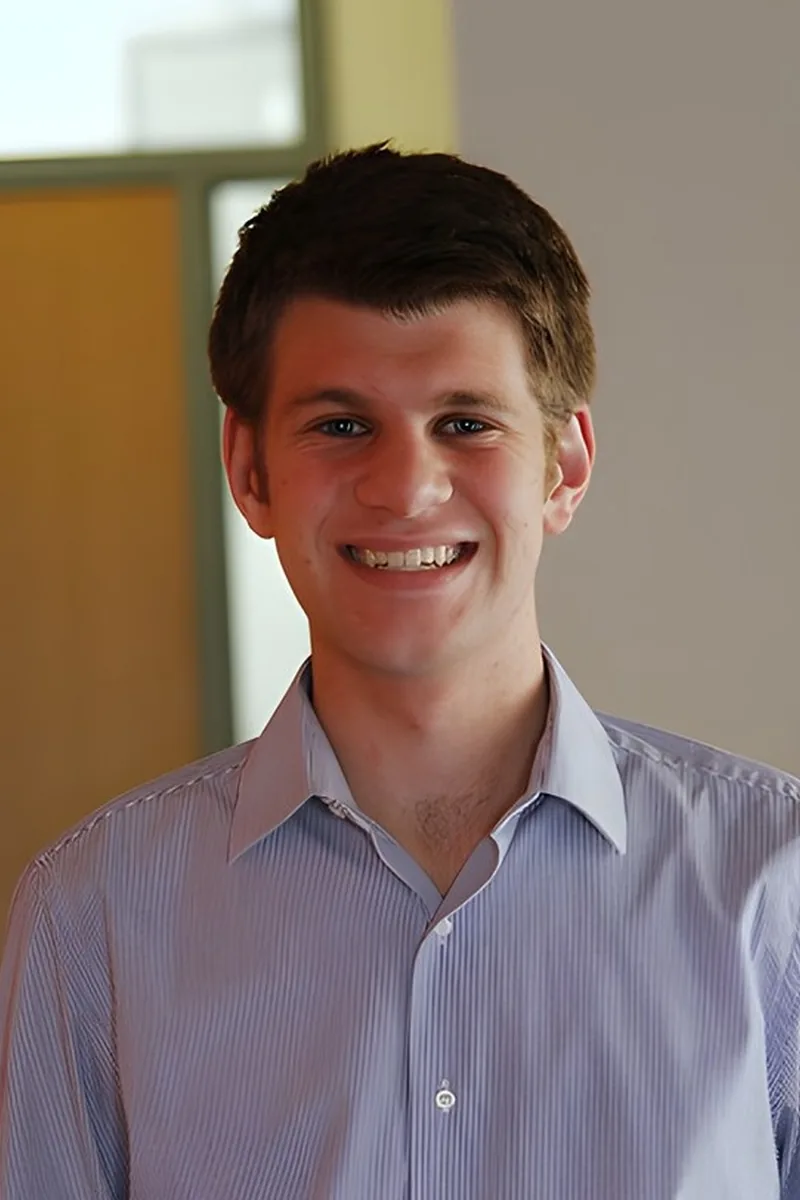
Kevin's Philosophy, Politics, and Economics major at Penn is essentially political science with the analytical rigor turned up — every course demands connecting political institutions to economic incentives and philosophical justifications simultaneously. That training means he can walk a student through Rawlsian justice theory one session and pivot to analyzing congressional committee structures the next, always tying concepts back to the bigger arguments a course is actually testing. His 34 ACT reflects the verbal and reasoning chops that make dense political readings more manageable.
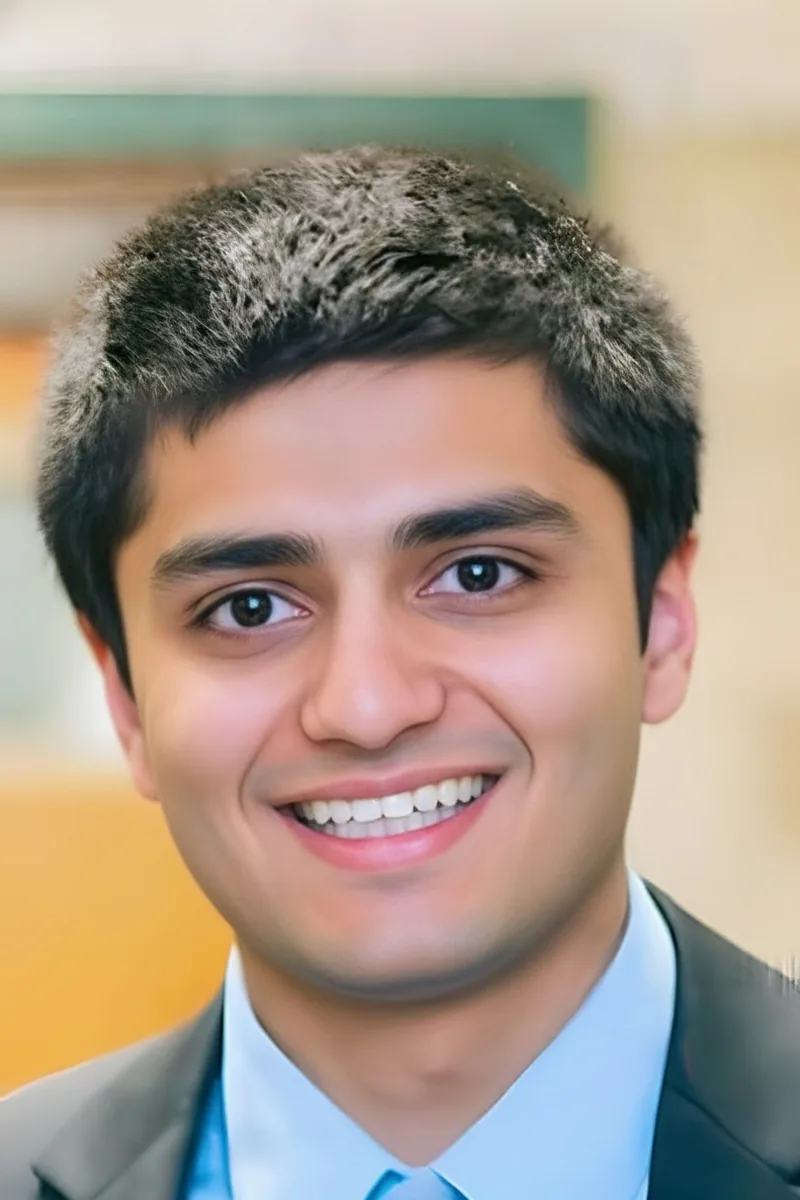
Parag is finishing a Political Science degree at Northwestern, where he's spent years digging into comparative government, international relations theory, and policy analysis. He breaks down frameworks like realism vs. liberalism or the mechanics of legislative bargaining in ways that make abstract theory concrete and applicable to coursework.
Most political science courses ask students to do two things well: analyze political institutions and write persuasive, evidence-driven arguments about them. Samuel tackles both — his history and linguistics background at Harvard means he can unpack concepts like political socialization or interest-group theory while also sharpening the analytical writing those courses require.
Understanding political science means learning to think systematically about power: who has it, how they got it, and what constrains them. Noah earned his political science and government degree from Penn, where he spent four years dissecting topics from democratic theory to policy analysis. He connects abstract concepts like legitimacy and institutional design to concrete examples that make the material stick.
Margaret is pursuing her political science degree at Stanford, where she engages with everything from democratic theory to comparative institutions and public policy analysis. She breaks down dense readings on topics like voter behavior, political socialization, and constitutional law into clear arguments students can actually use in papers and discussions.
Jeff earned his degree in Political Science and Government from Washington University in St. Louis and is continuing into law school, giving him a deep command of democratic theory, comparative institutions, and policy analysis. He unpacks dense readings — Locke, Tocqueville, rational choice models — by tying them to real-world political outcomes students already recognize. That ability to bridge theory and practice makes complex frameworks like federalism or pluralism far more intuitive.
Currently studying Public Policy and Economics at the University of Chicago — a program that treats political questions as problems to model, debate, and test against real-world data — Ethan is working through the same kind of institutional analysis and policy reasoning his students encounter in political science courses. His 1550 SAT reflects the critical reading and argumentative writing chops that make a difference when students need to unpack a theorist's claims about state power or draft a persuasive policy brief.
Studying political science on a pre-law track at Vanderbilt, Kit digs into the material that drives most intro and AP-level courses — constitutional interpretation, federalism, civil liberties case law, and the mechanics of how policy actually gets made. Having served as a TA for a college-level history course, Kit connects political theory to real historical context in a way that makes concepts like judicial review or the commerce clause click rather than feel abstract.
Elizabeth's academic career went deep into political science — a bachelor's and then a master's focused on comparative government and Chinese politics specifically. She tackles everything from democratic theory and institutional design to policy analysis, and she's especially strong at teaching students how to construct arguments using political science frameworks rather than just opinion.
Lyall earned his political science degree with honors from Brown, where he dug into democratic theory, institutional design, and comparative political systems. He unpacks dense concepts like federalism, political socialization, and public opinion formation by tying them to real-world examples students already recognize from the news cycle.
Understanding political science means learning to think in systems — how institutions constrain behavior, why coalitions form and fracture, what makes policy stick. Isaiah tackles these frameworks by grounding abstract theory in specific case studies, then walks students through writing the kind of structured, evidence-driven arguments the discipline demands.
I am highly proficient in other areas in economics, high school mathematics, calculus I and European history.
Years of teaching philosophy, literature, and history at the college level — plus a PhD in English — mean Craig has spent his career doing what political science demands: dissecting how arguments about power, justice, and governance are constructed, and teaching students to build their own. His Latin and medieval literature background also gives him an unusual facility with the Western political tradition's foundational texts, from Cicero to Machiavelli. Holds a 5.0 rating.
Dakota's philosophy degree trained her in exactly the kind of rigorous argumentation that political science courses demand — dissecting claims about power, justice, and institutional legitimacy, then rebuilding them with tighter logic and stronger evidence. Her writing and literature background adds another layer, making her particularly useful when students need to move from understanding a political theory to crafting a sharp, thesis-driven paper about it.
Understanding political science means learning to read institutions — why Congress gridlocks, how electoral systems shape party competition, what makes authoritarian regimes persist. Sanoja's Yale political science degree and Fulbright year in Colombia give her both the theoretical grounding and real-world comparative lens to make these concepts click.
Currently in medical school with a bachelor's in Political Science and Government, Timothy has an unusual vantage point on the discipline — he's done the reading-heavy, argument-driven coursework himself, from constitutional theory to American political institutions, before pivoting to a completely different field. That means he remembers what it's like to encounter dense political theory for the first time and knows how to break down the writing and analytical demands that trip students up. Rated 4.9 by students.
The gap between memorizing branches of government and actually thinking like a political scientist is where most students struggle. Yasmeen's background in political science and government from Penn means she can walk through concepts like federalism, interest group theory, and policy analysis with the depth they deserve. She's rated 5.0 across her students.
Kenan's background in mathematical economic analysis means he approaches political science questions — especially those involving voting systems, game theory in legislative bargaining, or quantitative policy evaluation — with the kind of numerical rigor that turns a surface-level essay into a sharper analytical piece. His SAT verbal performance and history coursework (including AP US History) also give him the reading and argumentation skills to tackle dense political theory texts alongside the data-driven side of the discipline.
Breaking down political science means learning to read policy arguments, evaluate competing ideologies, and write persuasively about institutions and power. Morgan's background in international and area studies at Washington University in St. Louis gives real depth to topics like comparative government, while a 5.0 tutoring rating speaks to the clarity of the instruction.
Justin's history degrees from Duke and Yale — with a focus on ancient history and a minor in economics — mean he reads political science material through the lens of how institutions, economies, and power structures have actually evolved over millennia. That long historical view is particularly sharp when students need to contextualize concepts like state sovereignty, constitutional design, or political legitimacy in something deeper than a single textbook chapter. Holds a 5.0 rating.
Few tutors bring both a political science degree and a law degree to this subject. Jenna can move fluidly between political theory, American institutions, and international relations because she's studied the discipline from both an academic and a legal perspective. She's especially effective at teaching students to construct the kind of thesis-driven, evidence-rich arguments that political science courses demand — rated 5.0 by students.
A political science degree doesn't just mean Julian studied the subject — it means he spent years analyzing political institutions, democratic theory, and comparative governance frameworks. He breaks down dense concepts like political socialization, interest group dynamics, and policy formation into clear, structured arguments students can actually use in papers and exams.
Research on violence against women at Penn puts Devan right at the intersection where political science gets concrete — questions about how policy frameworks address systemic harm, how institutions succeed or fail at protecting rights, and how advocacy translates into legislative action. That hands-on research experience, combined with a political science major, means she can walk students through both the theoretical arguments and the real-world stakes that make papers and exam answers more compelling.
Graduate work at both Columbia and the University of Chicago — one steeped in quantitative social science, the other in political theory traditions — gave David an unusual range for tackling political science material, from institutional analysis to questions about state power and legitimacy. His research bridging natural sciences with anthropology and history also means he can show students how to pull empirical evidence into political arguments, strengthening the kind of data-driven policy writing that separates strong papers from average ones. Rated 4.9 by students.
Bryan approaches political science through the lens of someone who has studied it academically at Dartmouth and applied it practically through non-profit legal work focused on immigration. Whether the course covers comparative politics, democratic theory, or the mechanics of the U.S. federal system, he connects abstract frameworks to real policy debates students can see playing out in the news.
A psychology degree builds surprisingly strong instincts for political science — understanding voter behavior, group dynamics, and institutional decision-making all draw on the same social science toolkit. Katelyn applies that framework to topics like comparative government structures, public policy analysis, and the mechanics of legislative processes.
Currently working toward his political science degree at the University of Georgia, Matthew is doing the same readings, papers, and exams his students are — which means he knows exactly where courses on American government, political theory, and comparative politics tend to trip people up. He's especially sharp at teaching students how to build thesis-driven arguments from dense theoretical texts, a skill reflected in his 1580 SAT and 5.0 tutoring rating.
From a BA in Political Science and Philosophy at Washington University in St. Louis to a PhD in Public Policy Analysis, Tesa has spent over a decade inside the discipline — not just studying political institutions and democratic theory, but researching how policy actually gets made, implemented, and evaluated. That progression from undergraduate coursework to doctoral-level policy research means she can walk students through everything from foundational concepts like separation of powers to the kind of rigorous policy analysis that upper-level courses demand. Holds a 5.0 rating.
Alisha's political science minor means she's recently worked through the same material — branches of government, political ideologies, electoral systems, and international relations frameworks. She teaches students to read political arguments critically and build their own evidence-based positions, skills that transfer directly to class discussions and AP exam essays.
Reid holds a master's degree in Political Science and Government, which means he can dig into everything from comparative institutional design to democratic theory with real academic depth. Whether the topic is federalism, international relations, or political behavior, he connects abstract frameworks to current events so the material actually sticks. Rated 4.9 by students.
Understanding political science means grappling with how power actually operates — through institutions, elections, ideologies, and public policy. Peter unpacks these systems by drawing on his history training, linking theoretical frameworks like pluralism or elite theory to specific moments in American and comparative politics. Students leave sessions able to analyze political phenomena rather than just describe them.
Understanding political science means learning to read institutions, incentives, and power structures the way a lawyer reads a statute — carefully and skeptically. Alissa brings exactly that lens, pairing her B.A. in Political Science with a Juris Doctor to unpack everything from electoral systems to policy analysis. She teaches students to construct arguments that hold up under scrutiny, not just restate what the textbook says.
Having earned his degree in Political Science and Government from Boston College, Adam has firsthand experience with the reading-heavy, argument-driven coursework that defines the discipline — from analyzing democratic institutions to writing papers on political ideology and constitutional authority. His background in AP U.S. Government and AP Comparative Government tutoring means he regularly breaks down concepts like federalism, electoral systems, and separation of powers for students at multiple levels.
Erica's psychology background gives her a useful angle on political science — understanding how individuals and groups make decisions, form ideological commitments, and respond to institutional pressures. Her graduate work in literature also means she's spent years pulling apart complex argumentative texts, which translates directly to dissecting political theory readings and writing the kind of thesis-driven policy analyses these courses demand.
A degree in Political Science and Government gives Alexander the kind of disciplinary grounding that makes a difference when students are wrestling with democratic theory, institutional design, or policy analysis. His 35 ACT and strong verbal skills also mean he can sharpen the argumentative writing that political science courses grade hardest on — turning vague claims into thesis-driven, evidence-backed essays.
An economics and international business degree means Rae spent years studying the forces that political science courses increasingly emphasize — trade policy, institutional incentives, and how economic interests shape political outcomes. She's especially sharp on topics like public policy analysis and political economy, where understanding supply-and-demand logic gives students a concrete framework for evaluating government decisions. Her 33 ACT underscores the reading and argumentation skills that poli sci coursework grades hardest on.
Few tutors in political science have actually completed a doctorate in the field. Asha's PhD means she can tackle everything from comparative regime analysis to international relations theory with genuine scholarly depth, and she's particularly skilled at teaching students how to read dense political science journal articles and extract the argument structure they need for their own writing.
Understanding political science means learning to read the world through competing lenses — realism vs. liberalism in IR, pluralism vs. elite theory in domestic politics. Varun studied government as an undergraduate and teaches students to build structured arguments using evidence from case studies and primary sources, whether they're writing a policy brief or prepping for an AP exam.
Understanding political science means learning to think in models — how institutions shape behavior, why democracies vary, what drives voter turnout — and then testing those models against real evidence. Mackenzie studied the discipline at Northwestern and now applies it daily in a governor's office, giving her a practitioner's perspective on concepts like agenda-setting, coalition-building, and policy implementation. She turns abstract frameworks into something students can actually use in their papers and exams.
As a PhD candidate in political science at NYU, Liam lives this subject daily — from democratic theory and institutional design to game-theoretic models of political behavior. He's especially effective with undergraduates trying to bridge the gap between introductory survey courses and the more rigorous analytical writing and quantitative reasoning that upper-level poli sci demands.
Testimonials
Because the right Political Science tutor makes all the difference.
Average Session Rating – Based on 3.4M Learner Ratings
Top 20 Social Sciences Subjects
Top 20 Subjects
Frequently Asked Questions
Political Science requires students to analyze complex systems, evaluate competing ideologies, and understand nuanced cause-and-effect relationships—skills that don't develop overnight. Many students struggle with distinguishing between similar government structures, connecting historical events to modern political outcomes, or constructing evidence-based arguments that acknowledge multiple perspectives.
Additionally, students often find it difficult to move beyond memorization to develop genuine analytical thinking. Personalized tutoring helps identify exactly where understanding breaks down and builds the critical thinking skills needed to excel in essays, debates, and exams.
In a classroom setting, instructors must teach to the middle, covering content at a pace that works for 25-30 students with varying backgrounds and learning styles. Personalized tutoring adapts to your specific needs—whether you need deeper exploration of constitutional theory, help organizing arguments for essays, or strategies for analyzing primary sources.
A tutor can also identify and address gaps in foundational knowledge (like federalism or separation of powers) that may be holding you back, and tailor examples to topics you find most challenging. This targeted approach accelerates progress significantly.
An effective Political Science tutor combines subject expertise with strong communication skills—they understand the discipline deeply and can explain complex concepts clearly. They should be able to help you construct logical arguments, evaluate sources critically, and understand how different political theories apply to real-world situations.
Great tutors also ask probing questions to develop your analytical thinking rather than simply providing answers. They're skilled at identifying whether you're struggling with content knowledge, essay structure, or critical analysis, and adjusting their approach accordingly.
Political Science essays require you to develop a clear thesis, support it with evidence, and address counterarguments—skills that improve dramatically with targeted feedback. A tutor can help you move beyond summary-style writing to analytical writing that evaluates competing perspectives and explains complex relationships.
Tutoring sessions focus on structuring arguments, selecting relevant examples, identifying and addressing logical fallacies, and revising for clarity. Many students see significant grade improvements once they master the framework for analytical political writing.
Exam preparation tutoring covers both content review and test-specific strategies. For standardized assessments (like AP Government & Politics), you'll learn how to analyze political documents quickly, evaluate competing theories, and manage your time across multiple question types. For course exams, tutors help you identify high-priority concepts and practice with past exams or similar questions.
The goal is building confidence through targeted review of weak areas and practicing the exact skills the exam tests. Students typically see measurable improvement in both their understanding and their test performance.
AP Government & Politics focuses on U.S. institutions, processes, and behaviors, requiring students to analyze how power is distributed and exercised. Tutoring can help you master the core content (branches of government, electoral systems, civil rights) while developing the analytical skills the AP exam emphasizes—interpreting political data, evaluating competing interpretations of constitutional principles, and explaining policy outcomes.
Many tutors are familiar with the specific question formats (multiple-choice, free-response, and concept application), which allows them to target practice effectively and build test-taking strategies alongside content knowledge.
Strong foundational understanding of power structures, governmental systems, and ideological frameworks makes everything else in Political Science much more accessible. Key concepts include separation of powers, federalism, different political systems (democracies, autocracies, etc.), and major political ideologies. If these foundations are shaky, more advanced topics like policy analysis and institutional behavior become confusing.
A tutor can diagnose gaps in foundational knowledge and fill them efficiently, so you're ready to tackle more complex material. This is especially helpful if you're entering Political Science without prior civics or government coursework.
Let’s find your perfect tutor
Answer a few quick questions. We’ll recommend the right plan and match you with a top 5% tutor.