Award-Winning Biochemistry Tutors
serving Philadelphia, PA
Biochemistry
Tutors in Philadelphia
Private 1-on-1 tutoring, weekly live classes for academic support, test prep & enrichment, practice tests and diagnostics, and more to elevate grades and test scores.
Based on 3.4M Learner Ratings
UniversitiesSchools & Universities
DeliveredHours Delivered
ProficiencyGrowth in Proficiency
Who needs tutoring?
No obligation. Takes ~1 minute.
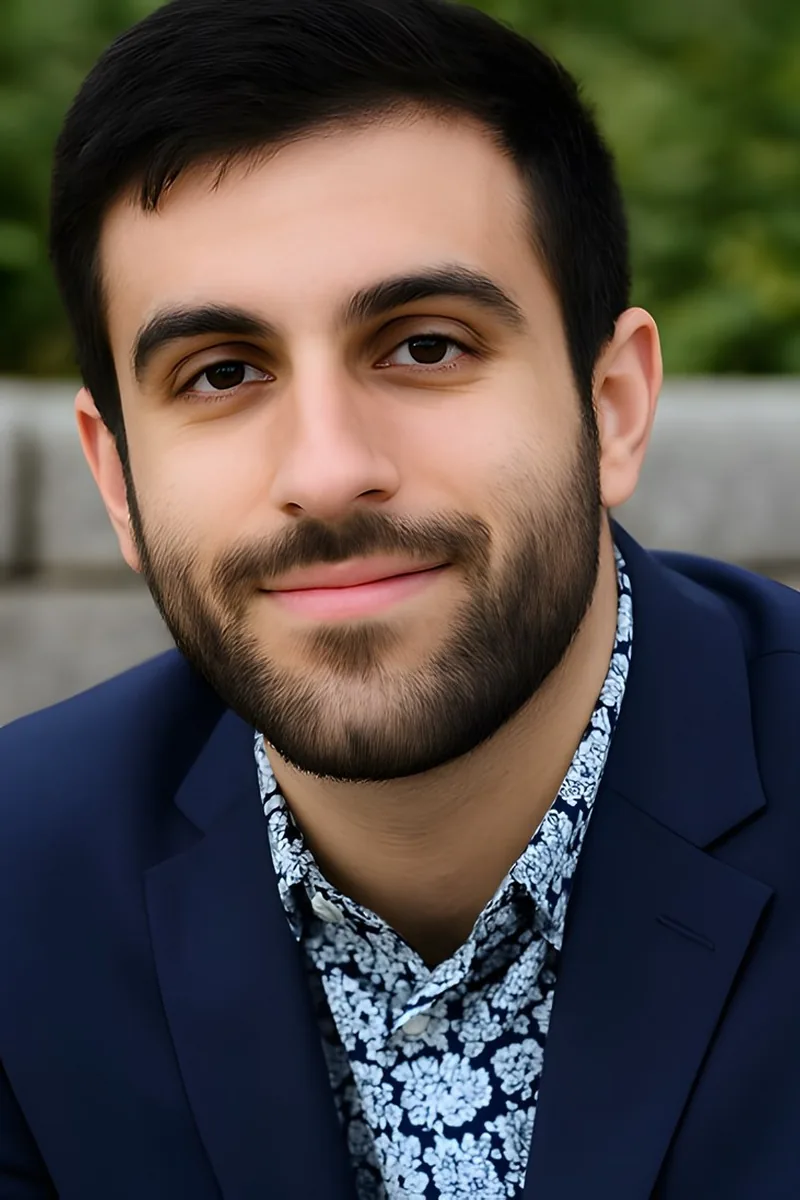
Studying biochemistry at Penn as part of a pre-health track, Shayan lives in the world of enzyme kinetics, metabolic pathways, and protein structure daily. He breaks down dense topics like the citric acid cycle or amino acid chemistry using visual analogies and step-by-step logic that make the connections between reactions stick long after the session ends.
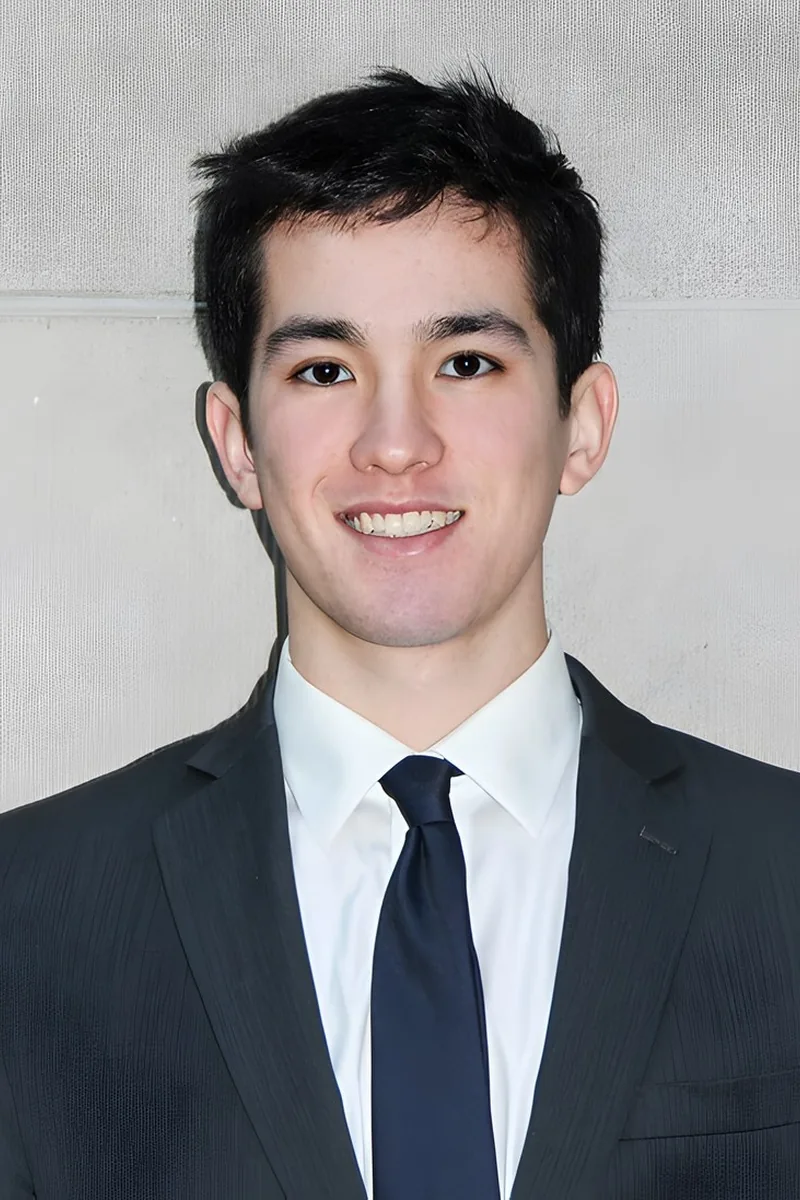
Enzyme kinetics, metabolic pathways, protein folding — biochemistry sits at the intersection of biology and chemistry, and Zachary holds a degree in exactly that. He digs into the molecular logic behind processes like glycolysis and the citric acid cycle, connecting reaction mechanisms to the bigger physiological picture so the details actually stick.
Matt's graduate work in human nutrition required him to trace every major metabolic pathway from the molecular level up — how macronutrients get broken down, shuttled through the citric acid cycle, and ultimately converted to usable energy. That nutritional biochemistry lens means he teaches topics like lipid metabolism and amino acid catabolism with a constant eye on physiological context, making reaction sequences feel purposeful rather than arbitrary. Holds a 5.0 rating.
Enzyme kinetics, metabolic pathways, protein structure — biochemistry asks students to think in three dimensions and across multiple reaction steps simultaneously. Kimanthi's biomedical engineering degree and graduate work in biomedical sciences gave her daily exposure to these concepts in both classroom and lab settings. She breaks down mechanisms like glycolysis and oxidative phosphorylation into logical sequences rather than memorization marathons.
Studying organismal physiology at Drexel meant Steven spent serious time with enzyme kinetics, metabolic pathways, and protein structure-function relationships — the core of any biochemistry course. He unpacks topics like the citric acid cycle and amino acid chemistry by tying each reaction back to its biological purpose, which makes the dense material easier to retain.
Lab research and patient care gave Sophie a dual perspective on biochemistry — she's traced metabolic pathways at the bench and seen what happens clinically when those pathways break down. Her biological and physical sciences degree means she teaches topics like enzyme mechanisms and pathway regulation by pulling in the organic chemistry and thermodynamics that explain *why* each step occurs, not just what comes next. Rated 4.9 by students.
Enzyme kinetics, metabolic pathways, protein folding — biochemistry sits at the exact intersection of Meghan's biology degree and her medical training. She unpacks reaction mechanisms and molecular interactions by tying them to clinical contexts, turning dense material like the citric acid cycle or amino acid chemistry into something students can reason through rather than just memorize.
Enzyme kinetics, metabolic pathways, protein folding — biochemistry sits at the intersection of everything Lena studied in her biology and biomedical sciences degrees. She breaks down topics like Michaelis-Menten kinetics and amino acid chemistry by connecting molecular details to the larger physiological picture, which is especially useful for students preparing for medical school.
Enzyme kinetics, metabolic pathways, amino acid chemistry — biochemistry asks you to think like a chemist and a biologist at the same time. As a medical student who majored in biology with a genetics focus at Cornell, Etinosa tackles these topics by anchoring abstract reaction mechanisms to their biological consequences, making pathways like glycolysis and the citric acid cycle feel logical rather than like brute memorization.
Currently doing post-bac research in immunology at the University of Pennsylvania, Kristina applies biochemistry daily — tracing how immune signaling cascades depend on protein modifications, receptor-ligand interactions, and the metabolic reprogramming that activates different immune cell types. Her biology degree and organic chemistry background let her unpack dense topics like enzyme mechanisms and pathway regulation by building from the underlying chemistry rather than asking students to memorize arrows on a diagram.
Pursuing a Ph.D. in biochemistry at Drexel means Sam lives inside this subject — enzyme kinetics, protein folding, metabolic pathways, and biomolecular interactions aren't exam topics to review but daily research problems to solve. Students struggling with something like the citric acid cycle or Michaelis-Menten kinetics get explanations grounded in real lab experience, not just textbook summaries.
I am open to tutoring in a broad range of subjects, including Algebra, Spanish I/II, ESL and Biology (SAT II, AP, and MCAT).
Enzyme kinetics, metabolic regulation, and protein structure-function relationships are the backbone of biochemistry — and they're exactly what Kimberly spent her time at UNC Chapel Hill digging into as a biology major with a biochemistry focus. She tackles problems by walking through the underlying chemistry of each biological process, so students understand why a Lineweaver-Burk plot looks the way it does instead of just memorizing the graph.
I am currently a second year medical student. I was a Physiological Sciences major at UCLA (class of 2015), and pursued research during my gap year between undergrad and medical school.
I am a graduate of Columbia University with a degree in Neuroscience and an informal concentration in Artificial Intelligence. I also have a degree in Medicine from St. George's University. I have pursued biomedical research, and since turned an interest in tutoring that began while I was a student into a professional calling. I have tutored for a private tutoring company, for schools as a student tutor, and privately for individuals. While I am exceptionally well versed in Math and the Sciences, I also excel in Reading Comprehension, Writing, and have successfully tutored those subjects.
Four years of medical school gave Amanda a particular edge with the biochemistry that underpins clinical reasoning — she's internalized how disruptions in lipid metabolism or glycogen storage pathways manifest as actual disease states. Her biology degree and public health training add breadth, letting her teach topics like nucleotide biosynthesis or enzyme regulation by zooming out to the physiological stakes behind each reaction. Rated 4.7 by students.
Kevin earned his bachelor's in biochemistry and is now in medical school, so metabolic pathways, enzyme kinetics, and protein structure aren't just textbook topics for him — they're concepts he uses constantly. He breaks down complex cycles like glycolysis and the citric acid cycle into logical sequences rather than brute-force memorization lists. Rated 5.0 by students.
David's neuroscience training at Yale meant wrestling with biochemistry from the nervous system's perspective — neurotransmitter synthesis, ion channel biophysics, and the metabolic demands that make the brain consume a disproportionate share of the body's glucose. Now pursuing a graduate degree in bioethics, he brings that mechanistic grounding to topics like amino acid chemistry and membrane transport, connecting each reaction to the biological system it supports. Holds a 5.0 rating.
Four years of medical school means Jordan has cycled through biochemistry multiple times — first mastering it for premed coursework, then again for the MCAT, and again for USMLE Step 1 — each pass deepening his grasp of how pathways like the urea cycle and oxidative phosphorylation connect to clinical medicine. That layered repetition lets him teach metabolic integration the way it actually gets tested: not as isolated reactions, but as interconnected systems where disrupting one enzyme cascades through the whole picture. Rated 5.0 by students.
Claire's chemistry degree and incoming medical school training at the University of Illinois College of Medicine mean she's worked through biochemistry from both the bench and the clinical side — enzyme mechanisms, metabolic regulation, and the molecular logic connecting organic chemistry to living systems. She breaks down dense pathways like the citric acid cycle or amino acid catabolism by mapping each step back to the underlying reaction chemistry, so students can reconstruct a pathway from principles instead of flashcards. Rated 5.0 by students.
Marc earned his bachelor's in biochemistry before entering an MD/PhD program, so enzyme kinetics, metabolic pathways, and protein structure aren't abstract topics for him — they're daily tools. He breaks down dense material like the citric acid cycle or amino acid chemistry into logical sequences that stick without brute-force memorization.
Enzyme kinetics, metabolic pathways, protein structure, nucleic acid chemistry — biochemistry demands that students hold molecular detail and big-picture logic in their heads simultaneously. Sugi graduated summa cum laude with a biochemistry degree from Rice and now applies that knowledge daily in medical school at Baylor. She teaches each pathway as a narrative with clear inputs, outputs, and regulatory checkpoints rather than a list to memorize.
Physical chemistry PhD work at UC Berkeley means Jacob spent years quantifying the thermodynamic and kinetic principles that govern every biochemical process — from enzyme catalysis rates to the free energy changes driving metabolic pathways forward. He teaches biochemistry by unpacking the physical chemistry underneath it, so concepts like Michaelis-Menten kinetics or the energetics of oxidative phosphorylation feel like derivable logic rather than formulas to memorize. Rated 4.9 by students.
Medical school with a focus on infectious diseases means Grant thinks about biochemistry in terms of host-pathogen interactions — how bacteria hijack metabolic machinery, why certain enzyme targets make effective drug sites, and what happens to energy metabolism during sepsis. His biochemistry degree and MD training let him teach topics like amino acid pathways and enzyme inhibition by connecting each mechanism to the microbiology that brings it to life.
Enzyme kinetics, metabolic pathways, protein structure — biochemistry demands that students hold chemistry and biology in their heads simultaneously, which is exactly what medical school trains you to do daily. Jamie is currently at Sidney Kimmel Medical College and brings firsthand fluency with topics like Michaelis-Menten kinetics, amino acid chemistry, and the regulation of glycolysis and the citric acid cycle. He breaks down dense pathway diagrams into step-by-step logic that actually makes sense.
I am a 3rd year bio major at GT with minors in biochemistry and computer science. My tutoring subjects are math, bio, and chem. I have tutored for a few years, and I have also TAed! My favorite subjects are general chemistry and molecular biology (: My personal belief is that anyone can enjoy a subject once they truly understand it.
Preparing for medical school at UT Houston while finishing a chemistry degree at Rice means Asad has been living in biochemistry from both sides — the rigorous organic and physical chemistry foundations and the biological systems they plug into. He's especially sharp on the MCAT-relevant intersections, like how enzyme mechanisms tie back to organic reaction logic or how metabolic pathway regulation connects to thermodynamic principles. Rated 4.7 by students.
Thomas holds both a biochemistry and molecular biology degree and a master's in biology, which means he's worked through the full gauntlet — from amino acid properties and enzyme mechanisms to the regulatory networks controlling gene expression. That dual-layer training lets him teach something like oxidative phosphorylation by building it up from the organic chemistry of electron carriers before zooming out to the cellular energy budget. Rated 4.8 by students.
Enzyme kinetics, metabolic pathways, protein structure — biochemistry sits at the intersection of biology and chemistry, and it punishes students who try to memorize without understanding the underlying logic. Oliver earned his B.A. in Biochemistry at CU Boulder with a chemistry minor, giving him the dual lens needed to explain why Michaelis-Menten curves behave the way they do or how amino acid properties dictate protein folding.
Testimonials
Because the right Biochemistry tutor makes all the difference.
Average Session Rating – Based on 3.4M Learner Ratings
Practice Biochemistry
Free practice tests, flashcards, and AI tutoring for Biochemistry
Other Philadelphia Tutors
Related Science Tutors in Philadelphia
Frequently Asked Questions
Biochemistry combines chemistry and biology, which means students often struggle with visualizing molecular structures, understanding metabolic pathways, and mastering the math involved in enzyme kinetics and thermodynamics. Many students also find it difficult to connect abstract concepts like protein folding or electron transport chains to their real-world biological significance. Personalized tutoring helps break down these complex topics into manageable pieces and builds the conceptual foundation needed to see how biochemical processes actually work in living systems.
Yes. Beyond classroom content, tutors can help you understand experimental design, data analysis, and how to interpret lab results—skills that are essential for success in biochemistry courses. Whether you're preparing for a lab practical, troubleshooting an experiment, or learning to write lab reports, personalized instruction helps you develop both technical competency and scientific reasoning skills. This support is especially valuable for students preparing for upper-level courses or research opportunities.
Absolutely not. While biochemistry does involve learning pathways like glycolysis and the citric acid cycle, true mastery means understanding *why* reactions occur, how enzymes catalyze them, and how they connect to cellular energy and biosynthesis. The best approach focuses on building conceptual understanding first, then using targeted practice to reinforce key pathways and reactions. Tutors help you move beyond memorization to develop the deeper understanding that makes biochemistry concepts stick and transfer to new problems.
Yes, but you may need extra support in foundational areas. Many biochemistry challenges stem from gaps in general chemistry (stoichiometry, equilibrium, oxidation-reduction) or math (logarithms, unit conversions, solving equations). Personalized tutoring can identify these gaps and fill them while you're learning biochemistry content, so you're not falling further behind. This targeted approach is much more efficient than trying to catch up on your own.
Your first session focuses on understanding your specific challenges, learning goals, and current level of understanding. The tutor will likely assess your grasp of foundational concepts, identify areas where you need the most help, and work with you to create a personalized plan. Whether you're struggling with a particular unit, preparing for an exam, or want to deepen your overall understanding, this initial conversation ensures your tutoring is tailored to your needs.
Exam preparation involves more than reviewing notes—it requires practicing problem-solving under timed conditions, identifying your weak spots, and building confidence with the types of questions you'll encounter. Tutors help you develop effective study strategies, work through practice problems, and learn to apply concepts to new scenarios. With Philadelphia's 14.4:1 average student-teacher ratio in schools, personalized 1-on-1 instruction outside the classroom can make a significant difference in your test performance and understanding.
Biochemistry involves understanding structures and processes you can't see with your naked eye—from enzyme active sites to protein secondary structures to metabolic pathways. Expert tutors use multiple strategies to build visualization skills: drawing structures, using molecular models, explaining mechanisms step-by-step, and connecting abstract concepts to concrete examples. This multi-sensory approach helps you develop mental models that make complex biochemistry more intuitive and easier to remember.
Look for tutors with strong backgrounds in chemistry and biology, ideally with experience teaching or tutoring biochemistry specifically. Advanced degrees in biochemistry, chemistry, or related sciences are a plus, as is experience with the specific curriculum or textbook your course uses. Varsity Tutors connects you with expert tutors who have demonstrated expertise in biochemistry and a track record of helping students master both the content and the scientific thinking skills needed to excel in the course.
Let’s find your perfect tutor
Answer a few quick questions. We’ll recommend the right plan and match you with a top 5% tutor.