Award-Winning AP Environmental Science Tutors
serving Harrisburg, PA
AP Environmental Science
Tutors in Harrisburg
Private 1-on-1 tutoring, weekly live classes for academic support, test prep & enrichment, practice tests and diagnostics, and more to elevate grades and test scores.
Based on 3.4M Learner Ratings
UniversitiesSchools & Universities
DeliveredHours Delivered
ProficiencyGrowth in Proficiency
Who needs tutoring?
No obligation. Takes ~1 minute.
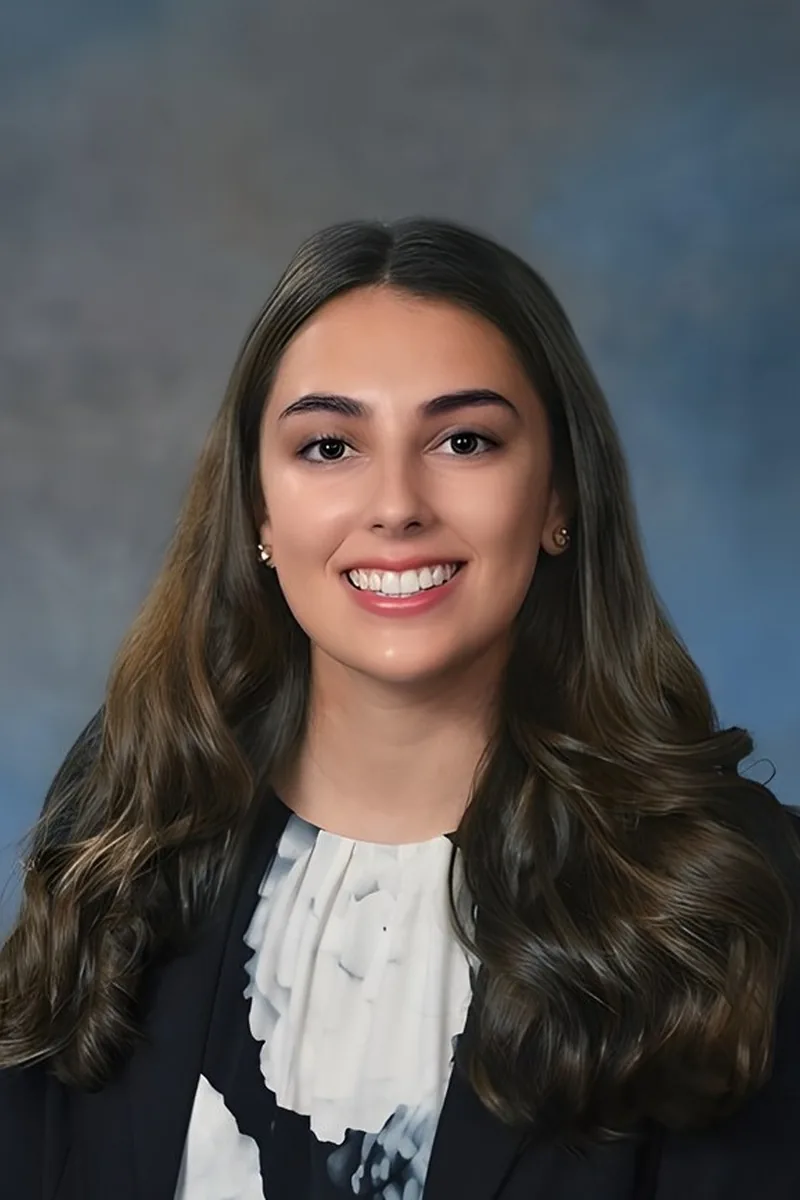
Medical training reshapes how you think about environmental health — Amanda's MD/MPH work means she understands toxicology pathways, epidemiological data, and the public health consequences of pollution at a clinical level, which gives her a distinctive angle on APES units covering air and water quality, disease vectors, and human impact. She teaches students to read dose-response data and environmental risk assessments the way a physician would, building the analytical reasoning the free-response section rewards.
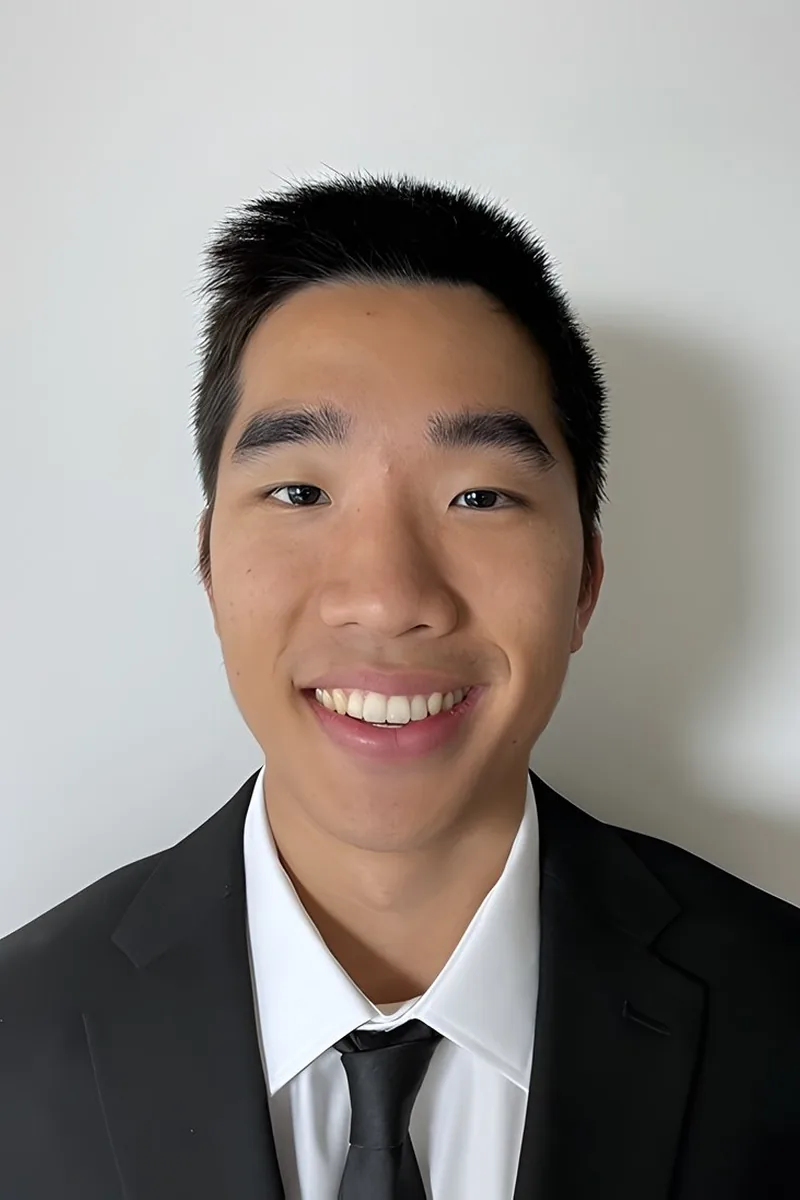
Organismal physiology — Steven's concentration at Drexel — is essentially the study of how living systems respond to their environments, which maps directly onto APES topics like how pollutants move through organisms, how species adapt to habitat changes, and why bioaccumulation works the way it does. That biological depth, paired with a 34 ACT and 5.0 tutoring rating, means he can teach both the conceptual ecology and the math-heavy questions on energy calculations and resource analysis that the exam increasingly emphasizes.
Having earned her degree in Environmental Studies from Temple, Annie knows AP Environmental Science inside and out — from biogeochemical cycles and ecosystem energy flow to the policy and human-impact questions that dominate the free-response section. She also spent a gap year working on organic farms in New Zealand, which means topics like soil science, sustainable agriculture, and biodiversity loss come with firsthand context that sticks.
Brown's public health curriculum digs into the human side of environmental problems — epidemiology, toxicology, resource policy — and Paul pairs that perspective with a biology major's understanding of the ecological systems APES actually tests. He teaches students to connect pollution sources to health outcomes and trace nutrient cycles through ecosystems, building the kind of layered cause-and-effect reasoning that earns full marks on free-response questions. Rated 5.0 by students.
Studying Human Biology at Stanford with a concentration in health policy gives Jake a direct line into the APES units on public health, pollution, and environmental legislation — he understands how ecological disruptions translate into real human consequences, which is exactly the kind of reasoning the free-response section rewards. His 34 ACT and 5.0 tutoring rating back up an approach that emphasizes connecting biological systems to their policy implications rather than treating each unit as isolated material.
As a PhD student researching microbial ecology, Isaac lives the material that AP Environmental Science covers — biogeochemical cycles, ecosystem dynamics, biodiversity loss, and human impact on natural systems. He brings current research context into exam prep, connecting FRQ strategies to the kind of scientific reasoning the College Board actually rewards. His 5.0 rating speaks to how well that approach lands with students.
Katie holds a master's in science education and a bachelor's in natural resources and conservation — meaning she didn't just study APES topics like land use, biodiversity, and resource management as exam content; they were her actual field of study. She teaches students to think in cause-and-effect chains across units, connecting deforestation to soil erosion to water quality decline, which is exactly the kind of multi-step reasoning the free-response rubrics reward. Rated 5.0 by students.
Sofia's ecology concentration at the University of Chicago means AP Environmental Science isn't a subject she just studied — it's her field. She unpacks FRQ-heavy topics like biogeochemical cycles, biodiversity loss, and energy resource tradeoffs with the depth of someone who does research in a neurobiology lab and thinks about ecosystems professionally. That firsthand scientific context makes the difference between memorizing vocabulary and actually understanding environmental systems.
Cellular and molecular biology at Johns Hopkins means Christopher studies the biochemical machinery behind processes like photosynthesis, decomposition, and nitrogen fixation — the same mechanisms that drive the ecosystem-level concepts APES tests on. He bridges that molecular understanding to big-picture topics like climate feedback loops and biodiversity loss, giving students the mechanistic "why" behind each environmental process instead of just a surface-level definition.
Ashley's dual degrees in the Science of Natural and Environmental Systems and Economics mirror exactly what APES demands — the ability to think across ecological principles and the human economic forces driving resource depletion, land use change, and pollution policy. She tackles topics like cost-benefit analysis of environmental regulations and the economics behind tragedy-of-the-commons scenarios with genuine subject fluency, not just textbook familiarity.
Finance majors learn to model complex systems with multiple interacting variables — resource scarcity, cost-benefit trade-offs, long-term risk — and Rinky applies that same analytical framework to APES topics like resource depletion, environmental cost analysis, and sustainability trade-offs that show up heavily in free-response prompts. Her 1520 SAT and 5.0 tutoring rating speak to the precision she brings when walking through the data-interpretation and calculation questions that surprise students expecting a soft science course.
Having spent a year as a climate change researcher at the University of Helsinki — where she completed PhD-level atmospheric science coursework — Marika brings firsthand lab and field experience to AP Environmental Science. She digs into biogeochemical cycles, energy flow, and climate modeling with the depth the AP exam demands, connecting FRQ strategies to the actual science behind each topic.
Running experiments in a cellular and molecular biology lab at Harvard Medical School means Patrick deals daily with the biological mechanisms — photosynthesis efficiency, cellular respiration pathways, microbial nutrient cycling — that APES only touches at the ecosystem level. He unpacks those processes so students understand *why* energy transfer is inefficient or *how* nitrogen moves through soil, which turns vague textbook definitions into answers that earn full marks on free-response questions. Rated 5.0 by students.
Kourtney is earning her MPH in Environmental Systems and Human Health at Oregon Health and Science University, which means AP Environmental Science overlaps directly with what she studies at the graduate level. She tackles the trickiest APES topics — biogeochemical cycles, environmental legislation, and free-response data analysis — with the depth of someone who lives this material daily.
What sets APES apart from most AP exams is how much it rewards interdisciplinary thinking — linking ecology to policy, economics to resource depletion, human behavior to environmental degradation. Rachel's background spans history, writing, and the humanities, which makes her particularly effective at coaching the argument-style free-response questions where students must weave evidence into structured, persuasive explanations of environmental trade-offs. Rated 5.0 by students.
Testimonials
Because the right AP Environmental Science tutor makes all the difference.
Average Session Rating – Based on 3.4M Learner Ratings
Practice AP Environmental Science
Free practice tests, flashcards, and AI tutoring for AP Environmental Science
Nearby AP Environmental Science Tutors
Other Harrisburg Tutors
Related Science Tutors in Harrisburg
Frequently Asked Questions
AP Environmental Science covers eight major units: energy resources and consumption, ecosystems and biodiversity, populations and communities, earth systems and resources, land and water use, atmospheric composition and climate, human impacts on the environment, and global environmental challenges like pollution and sustainability. The exam emphasizes both scientific concepts and real-world environmental problem-solving, so tutoring often focuses on understanding how ecological principles apply to current environmental issues.
The AP Environmental Science exam consists of two sections: a 90-minute multiple-choice section with 80 questions and a 90-minute free-response section with 3 questions. The multiple-choice section tests knowledge and conceptual understanding, while the free-response questions require you to analyze data, design experiments, and explain environmental processes. Many students benefit from targeted practice with both question types to build confidence and improve pacing.
Students often struggle with data interpretation and quantitative reasoning—the exam requires you to analyze graphs, calculate percentages, and understand statistical concepts. Another challenge is connecting abstract ecological concepts to real-world scenarios, which the exam heavily emphasizes. Time management is also critical; many students rush through the multiple-choice section and don't leave enough time for thoughtful free-response answers. Personalized tutoring can help you practice these skills systematically and develop strategies for each question type.
Score improvement depends on your starting point and how consistently you engage with tutoring. Students typically see meaningful gains—often 2-4 points on the 1-5 scale—when they work with a tutor to identify weak content areas, practice with released exams, and refine test-taking strategies over several months. The key is starting early enough to build deep understanding rather than cramming last-minute review. Tutors can help you track progress through practice tests and adjust your study plan based on what's working.
Most students benefit from beginning AP Environmental Science prep 3-4 months before the May exam, especially if they're balancing other AP courses. A typical study schedule includes weekly tutoring sessions combined with independent practice—about 5-7 hours per week total. If you're starting later or need to strengthen foundational concepts, more intensive tutoring (2-3 sessions per week) can help you catch up. Varsity Tutors can help you create a personalized timeline based on your current understanding and target score.
Look for tutors with strong backgrounds in environmental science, ecology, or related fields who have experience teaching AP-level content. Ideal tutors understand both the scientific concepts and the specific exam format—they can teach you not just what to know, but how to approach different question types strategically. They should also be skilled at identifying your weak areas through practice tests and adjusting instruction accordingly. Varsity Tutors connects you with expert tutors in Harrisburg who specialize in AP Environmental Science and know how to help students improve their scores.
Your first session typically includes an assessment of your current knowledge, a discussion of your goals (target score, timeline), and an overview of the exam format and content. Your tutor may give you a practice test or diagnostic quiz to identify which units and question types need the most work. From there, you'll develop a personalized study plan that focuses on your priorities—whether that's strengthening content knowledge, improving data analysis skills, or building test-taking confidence.
Practice tests are essential for AP Environmental Science success. They help you get comfortable with the exam format, identify content gaps, practice time management, and build test-day confidence. Most students benefit from taking full-length practice tests every 2-3 weeks during their prep period, then reviewing mistakes with a tutor to understand why they missed questions. This cycle of practice, review, and targeted instruction is one of the most effective ways to improve your score and reduce test anxiety.
Let’s find your perfect tutor
Answer a few quick questions. We’ll recommend the right plan and match you with a top 5% tutor.