Award-Winning Biochemistry Tutors
serving Durham, NC
Biochemistry
Tutors in Durham
Private 1-on-1 tutoring, weekly live classes for academic support, test prep & enrichment, practice tests and diagnostics, and more to elevate grades and test scores.
Based on 3.4M Learner Ratings
UniversitiesSchools & Universities
DeliveredHours Delivered
ProficiencyGrowth in Proficiency
Who needs tutoring?
No obligation. Takes ~1 minute.
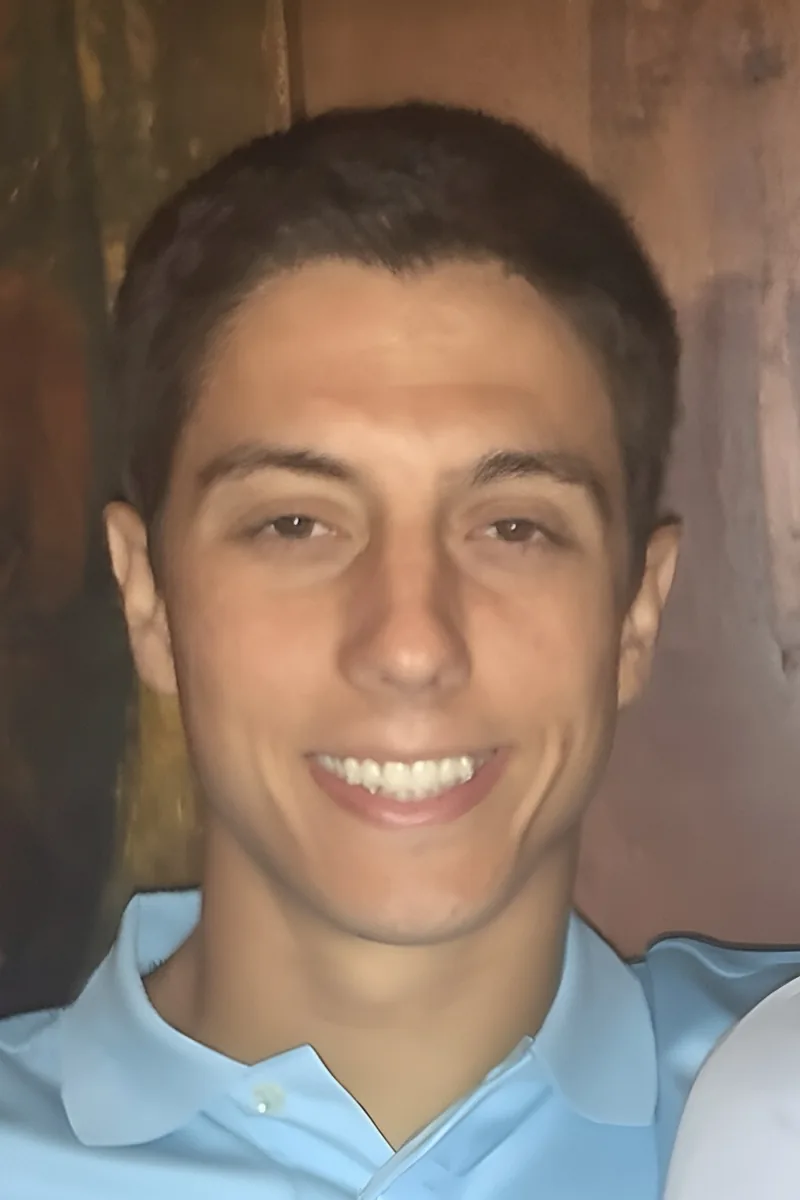
Four years of medical school means Jordan has cycled through biochemistry multiple times — first mastering it for premed coursework, then again for the MCAT, and again for USMLE Step 1 — each pass deepening his grasp of how pathways like the urea cycle and oxidative phosphorylation connect to clinical medicine. That layered repetition lets him teach metabolic integration the way it actually gets tested: not as isolated reactions, but as interconnected systems where disrupting one enzyme cascades through the whole picture. Rated 5.0 by students.
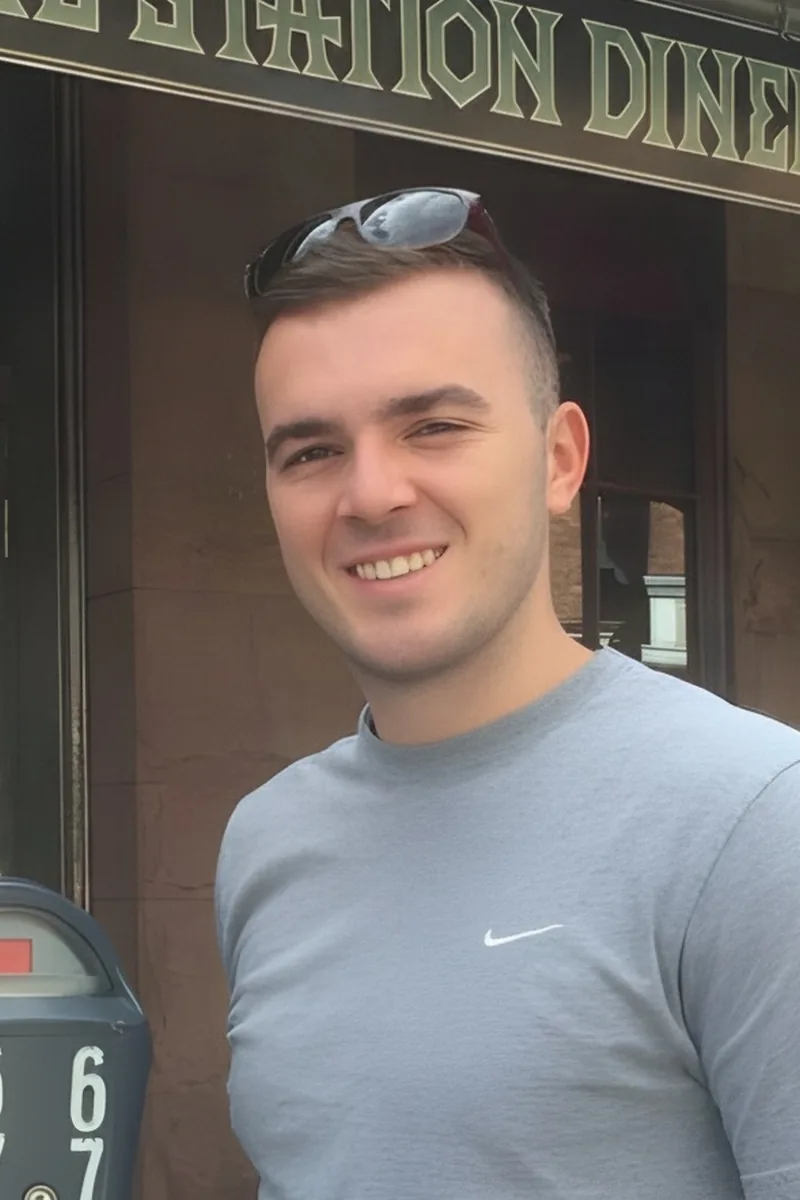
Enzyme kinetics, metabolic pathways, protein structure–function relationships — Biochemistry sits at the intersection of biology and chemistry, and it demands comfort in both. Hunter earned his undergraduate degree in Biochemistry at Boston College and is continuing into a PhD at Duke, so he teaches topics like Michaelis-Menten kinetics and amino acid chemistry from years of hands-on experience rather than surface-level familiarity.
Tutoring organic and general chemistry in Wake Forest's Chemistry Department — while earning an honors degree with a biochemistry concentration — meant Taylor was constantly connecting reaction mechanisms to the biological contexts where they matter. She breaks down topics like enzyme catalysis and metabolic pathway logic by building from the organic chemistry students already know, so each new intermediate or cofactor role slots into place instead of floating in isolation.
Medical school required Thomas to internalize biochemistry at a level most undergrads never reach — enzyme kinetics, metabolic regulation, amino acid chemistry, and the signaling cascades that tie them together. He breaks down dense pathways like glycolysis and the citric acid cycle into logical sequences so students can reason through problems instead of relying on rote memorization. Rated 5.0 by students.
Studying neuroscience at Vanderbilt means Avi lives in biochemistry — enzyme kinetics, metabolic pathways, and protein structure are part of his daily coursework. He unpacks topics like the citric acid cycle or amino acid chemistry by tracing the logic of each reaction rather than asking students to memorize arrows on a diagram.
Pre-med coursework at Northwestern means Manideep is actively working through the toughest parts of biochemistry right now — amino acid structures, membrane transport mechanisms, and the regulatory logic behind major metabolic pathways. That proximity to the material gives him a sharp sense of where students get stuck, especially when translating organic chemistry principles into biological contexts. Rated 5.0 by students.
Teaching organic chemistry recitation at the University of Kentucky while simultaneously navigating medical school gives Jason an unusually current grasp of biochemistry — he's actively working through the same metabolic regulation, amino acid structures, and enzyme mechanisms his students encounter. His biology degree and MCAT preparation anchor the molecular details, while his med school training shows him how those details play out in living systems. Rated 5.0 by students.
Enzyme kinetics, metabolic pathways, protein structure — biochemistry sits at the intersection of two subjects David studied formally, with a bachelor's in chemistry and graduate-level exposure to biomolecular engineering. He digs into mechanisms like glycolysis and the citric acid cycle by connecting each step's chemistry to its biological purpose, so students retain the logic instead of just the diagram. That approach has earned him a 4.9 student rating.
Amino acid structures, enzyme kinetics, metabolic pathways — biochemistry demands that students hold molecular details and big-picture logic in their heads at the same time. Paul's biology honors work at Brown required exactly this kind of thinking, and he walks students through reaction mechanisms and pathway regulation with a clarity that makes the material stick.
Enzyme kinetics, metabolic pathways, protein structure — biochemistry asks students to think across chemistry and biology simultaneously, which is exactly what Saniya's neuroscience and chemistry training prepared her for. She unpacks complex topics like Michaelis-Menten kinetics or amino acid properties by linking molecular behavior to biological function, making dense material more intuitive. Her continued coursework in physiology and histology keeps these connections sharp.
A chemistry degree from Rhodes College plus hands-on clinical internships — including work at Methodist Transplant Institute — means Eric has encountered biochemistry from both the bench and the bedside. He tackles topics like amino acid structure and metabolic regulation by walking through the underlying organic chemistry step by step, so reaction pathways read as logical progressions rather than disconnected diagrams.
Enzyme kinetics, metabolic pathways, and protein structure all demand a student who can think across chemistry and biology simultaneously — which is exactly what Aleeza's biology degree and MCAT preparation trained her to do. She unpacks topics like Michaelis-Menten kinetics and amino acid chemistry by tying molecular details to the bigger biological picture. Students studying for upper-level biochemistry exams or the MCAT get someone who recently mastered this material herself.
I am most passionate about biology and chemistry. I am a firm proponent of education, believing it to be absolutely necessary for an improved quality of life, and I try to impart this appreciation to all of my students.
Claire's chemistry degree and incoming medical school training at the University of Illinois College of Medicine mean she's worked through biochemistry from both the bench and the clinical side — enzyme mechanisms, metabolic regulation, and the molecular logic connecting organic chemistry to living systems. She breaks down dense pathways like the citric acid cycle or amino acid catabolism by mapping each step back to the underlying reaction chemistry, so students can reconstruct a pathway from principles instead of flashcards. Rated 5.0 by students.
Enzyme kinetics, metabolic pathways, protein structure — biochemistry demands that students think simultaneously about chemistry and biology, which is exactly how Nathaniel trained. His degree in biochemistry and his MCAT preparation mean he can walk through everything from Michaelis-Menten plots to amino acid properties with the depth a college-level course requires.
Testimonials
Because the right Biochemistry tutor makes all the difference.
Average Session Rating – Based on 3.4M Learner Ratings
Practice Biochemistry
Free practice tests, flashcards, and AI tutoring for Biochemistry
Other Durham Tutors
Related Science Tutors in Durham
Frequently Asked Questions
Varsity Tutors matches Durham students with expert Biochemistry tutors for 1-on-1 instruction. We pair each student with a tutor based on their specific needs, learning style, and goals.
Whether you need homework help, exam prep, or want to get ahead, our Biochemistry tutors are ready to help.
Common challenges include gaps from earlier material, difficulty with specific concepts, and trouble applying learning to new problems. These issues can snowball quickly in Biochemistry.
A tutor identifies where you're stuck, fills in gaps, and provides targeted practice. The 1-on-1 format means you get help exactly where you need it.
Tutors work with your student's actual coursework—homework assignments, class notes, and upcoming tests. This keeps tutoring directly relevant to what's happening in the classroom.
When you share information about your student's school and curriculum, we can match you with a tutor who has relevant experience.
All tutors complete background checks, credential verification, and teaching evaluation. Many of our Biochemistry tutors hold advanced degrees or have years of teaching experience.
You can review tutor profiles to find someone with the right background for your student's level and needs.
Many students see improved grades within a few weeks, along with better understanding of Biochemistry concepts and more confidence tackling challenging material.
Tutors track progress and adjust their approach to ensure continued improvement.
Most students benefit from 1-2 sessions per week. More frequent sessions help if your student is significantly behind or has an important exam coming up.
Your tutor can recommend a schedule based on your student's specific situation and goals.
Tutoring is purchased in packages of hours, with rates varying by tutor experience. Varsity Tutors offers several options to fit different budgets and needs.
You can discuss pricing during your consultation to find what works best.
Your tutor will assess where your student is, discuss goals, and start working on priority areas. Most students bring current homework or upcoming test material to focus on.
By the end, you'll have a clear sense of how the tutor can help and a plan for moving forward.
Let’s find your perfect tutor
Answer a few quick questions. We’ll recommend the right plan and match you with a top 5% tutor.