Award-Winning AP Chinese Language and Culture Tutors
serving Yonkers, NY
AP Chinese Language and Culture
Tutors in Yonkers
Private 1-on-1 tutoring, weekly live classes for academic support, test prep & enrichment, practice tests and diagnostics, and more to elevate grades and test scores.
Based on 3.4M Learner Ratings
UniversitiesSchools & Universities
DeliveredHours Delivered
ProficiencyGrowth in Proficiency
Who needs tutoring?
No obligation. Takes ~1 minute.
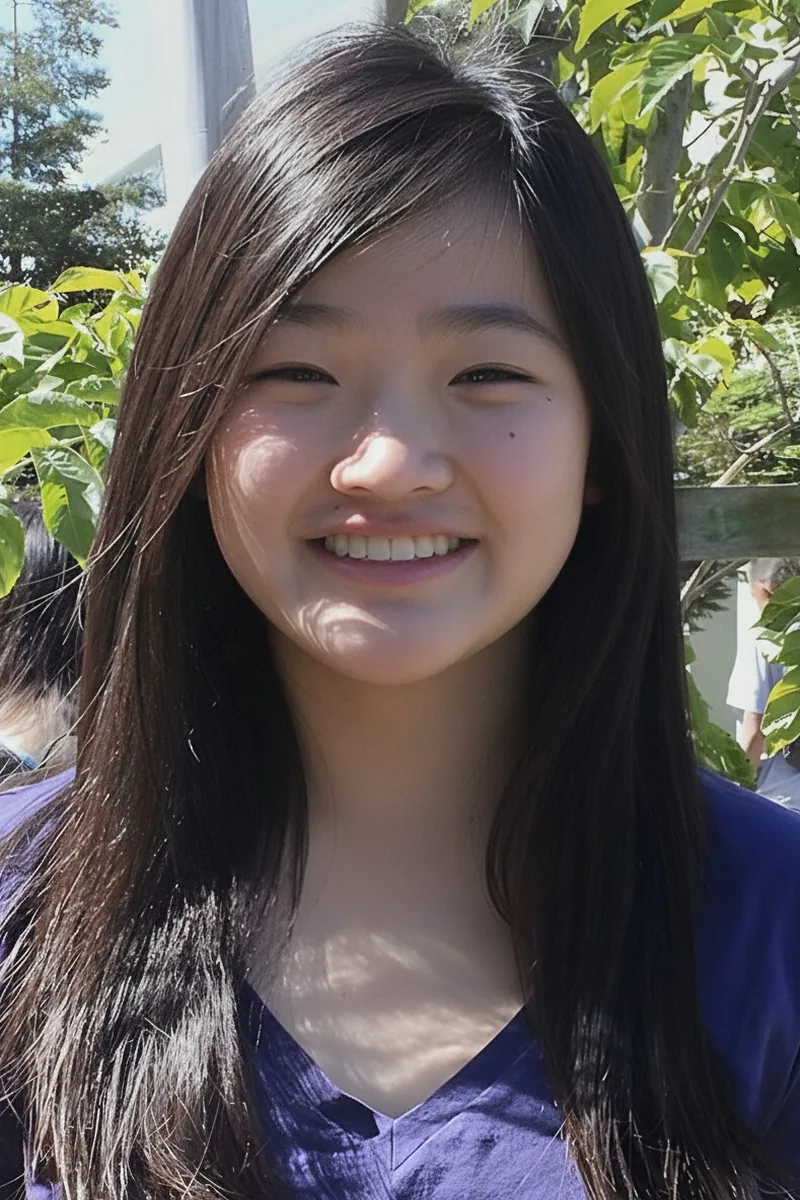
The cultural comparison essay on the AP Chinese Language and Culture exam trips up even strong speakers because it requires analytical writing, not just language proficiency. Julie's philosophy training at Princeton sharpens exactly that skill — breaking down a prompt, organizing a clear argument, and supporting it with specific cultural knowledge. She brings that structured thinking to every section of the exam.
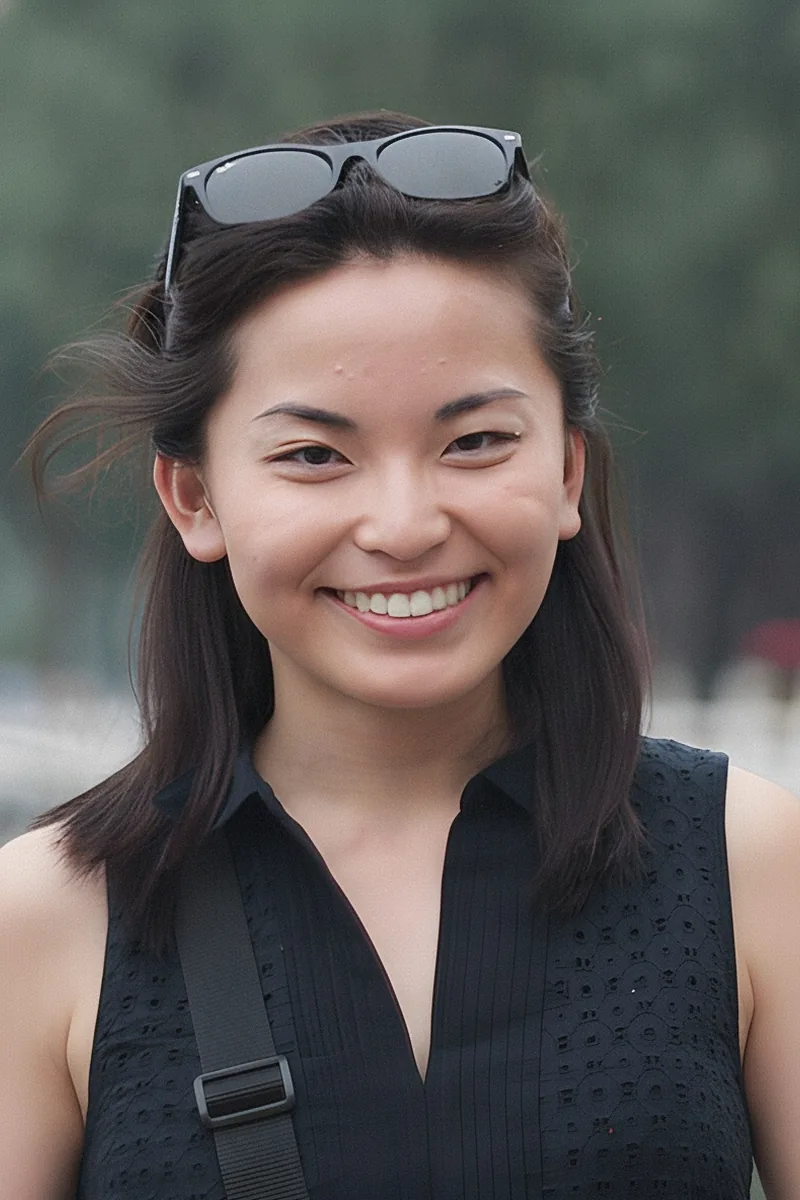
The cultural component of AP Chinese Language and Culture trips up students who only study vocabulary lists — the exam expects nuanced comparisons between Chinese and American cultural practices, from family structures to educational values. Li connects language instruction to these cultural contexts, drawing on her own bicultural academic experience across speech science and medicine.
Most AP Chinese prep zeroes in on language mechanics, but the exam's interpersonal speaking prompts also reward the kind of natural conversational flow that comes from genuine cultural immersion — something Yuyi brings as a native Mandarin speaker who also studied English and psychology at the university level. That dual-language academic background makes her especially effective at coaching students through the interpretive reading section, where parsing formal written Mandarin requires more than character recognition.
The culture component of AP Chinese Language and Culture is where many students lose points — understanding idioms, social registers, and cultural practices well enough to respond authentically under timed conditions. Jiahao's graduate training in interpretation at Beijing Foreign Studies University was built around exactly this kind of cross-cultural fluency, and he brings that depth to every practice prompt and free-response drill.
Melody teaches Mandarin Chinese and is currently studying at Columbia, where her coursework in AP Chinese Language and Culture aligns closely with the exam's cultural comparison prompts — the section where students need to articulate specific, nuanced differences between Chinese and American practices rather than recite generalities. Her 4.9 rating from students speaks to her ability to break down both the interpretive listening tasks and the presentational speaking prompts, where tonal clarity and organized delivery under timed pressure make the difference.
A literature degree paired with fluency in both Mandarin and Cantonese gives Bronwen an unusual edge on the AP Chinese exam's interpretive reading section, where students encounter texts that demand literary analysis skills — not just language ability. She teaches across all four Mandarin levels and scored 1530 on the SAT, reflecting the kind of close-reading discipline she brings to coaching students through the exam's densest written passages. Rated 5.0 by students.
Fifteen years growing up in Taiwan gave James native-level Mandarin and the kind of deep cultural intuition that's hard to teach from a textbook — especially useful for the AP exam's interpersonal speaking prompts, where natural tone, register, and cultural awareness separate top scores. He also tutors across five levels of Mandarin, so he can quickly pinpoint whether a student's struggle is grammatical, vocabulary-based, or rooted in unfamiliarity with formal written Chinese. Rated 5.0 by students.
As a fluent Mandarin speaker studying at Columbia, Zhenyi knows firsthand what it takes to operate at a high level in both English and Chinese — and the AP Chinese exam tests exactly that kind of bilingual agility. She digs into the exam's interpersonal and presentational communication tasks, coaching students on formal register, cultural comparisons, and the idiomatic phrasing that separates a 4 from a 5. Her native fluency means she can catch tonal and grammatical subtleties that non-native instructors often miss.
The AP Chinese Language and Culture exam tests more than vocabulary — it demands cultural literacy, formal register switching, and the ability to compare Chinese and American perspectives in real time. Ya grew up in Taiwan and earned her master's in Foreign Language Education (Chinese) at NYU, so she teaches students to navigate the interpersonal and presentational speaking tasks with native-level cultural nuance. She also drills the specific reading and listening strategies that trip up heritage and non-heritage speakers alike.
Paul is one of those rare tutors who operates at an advanced level in both Mandarin Chinese and a second foreign language, giving him unusual insight into how tonal languages, character-based writing systems, and cultural frameworks interact on the AP exam. He zeroes in on the interpersonal and presentational communication tasks, coaching students through the real-time speaking and writing prompts that carry the most weight.
As a native Mandarin speaker who has passed China's national proficiency test and written her own leveled grammar curriculum, Tina knows exactly what AP Chinese examiners expect in listening, reading, and presentational writing. She drills the cultural comparison essay format and interpersonal speaking prompts so students walk into the exam with a rehearsed strategy, not just vocabulary lists.
The AP Chinese exam's cultural comparison essays reward students who can draw on genuine cross-cultural experience — and as a Mandarin Chinese speaker studying at the University of Minnesota, Amy lives that dual perspective daily. She also teaches across multiple Mandarin levels, so she can identify gaps in a student's formal written register or listening comprehension and target those specific weaknesses before exam day.
Jason is a Mandarin speaker who understands both the linguistic and cultural dimensions the AP Chinese exam tests — from formal vs. informal register in presentational writing to the cultural comparisons required in the free-response section. He walks students through listening comprehension strategies and character recognition alongside the cultural knowledge that earns top scores.
Ten years teaching Mandarin in public schools — from absolute beginners through AP — means Paulkey has watched hundreds of students hit the same walls on the AP Chinese exam, especially the interpersonal response tasks where students freeze up trying to produce spontaneous, culturally appropriate Mandarin in real time. He pairs that classroom experience with a computer science background that makes his prep unusually structured: timed drills, systematic vocabulary review, and targeted practice on the listening comprehension passages that reward quick processing over perfect translation.
Having scored on the SAT Subject Test in Chinese with Listening, Florence brings firsthand experience with the kind of language proficiency AP Chinese demands — from interpreting spoken passages to crafting written responses using appropriate registers. She knows which cultural comparison prompts tend to trip students up and how to structure presentational writing that earns top marks.
A molecular biology degree from UC Berkeley might seem unrelated to AP Chinese, but Caroline's background teaching Mandarin across four levels — plus her fluency in the language — means she knows how to bridge the gap between conversational Mandarin and the formal, academic register the exam's interpretive reading and listening sections demand. She's particularly effective at coaching students through the exam's interpersonal tasks, where her experience mentoring K-12 students in Oakland translates into patient, structured practice that builds confidence under timed conditions. Rated 5.0 by students.
With an economics degree and fluency across four levels of Mandarin Chinese, Alexander brings a practical, content-rich angle to AP Chinese prep — particularly the interpretive listening passages, where students need to process real-world topics like trade, policy, and social trends discussed in rapid, formal Mandarin. He also tackles the exam's cultural comparison essays by drawing on his cross-cultural academic background to teach students how to move beyond surface-level observations and anchor their responses in specific, substantive examples.
Jess studies public policy and peace, war, and defense at UNC Chapel Hill — a program steeped in the kind of geopolitical and diplomatic context that gives AP Chinese cultural comparison essays real substance instead of generic observations. She speaks Mandarin conversationally and teaches it across multiple levels, so she can coach students on bridging the gap between everyday spoken Chinese and the formal presentational writing register the exam actually scores.
Studying economics at Penn while teaching Mandarin Chinese across multiple levels, Mandy brings a practical, structured approach to AP Chinese prep — especially the cultural comparison essays, where her firsthand experience navigating both Chinese and American academic environments gives students concrete material to draw from. She's rated 5.0 by students and zeroes in on the interpretive reading and listening sections, training students to decode formal written Mandarin that goes well beyond conversational fluency.
The AP Chinese exam tests far more than vocabulary recall — it demands cultural knowledge, formal register in writing, and the ability to compare Chinese and American perspectives in presentational speaking. Daniel, who has studied Mandarin through advanced levels, breaks down each exam section so students know exactly what the graders are looking for in their responses.
Testimonials
Because the right AP Chinese Language and Culture tutor makes all the difference.
Average Session Rating – Based on 3.4M Learner Ratings
Nearby AP Chinese Language and Culture Tutors
Other Yonkers Tutors
Related Languages Tutors in Yonkers
Frequently Asked Questions
Varsity Tutors matches Yonkers students with expert AP Chinese Language and Culture tutors for 1-on-1 instruction. We pair each student with a tutor based on their specific needs, learning style, and goals.
Whether you need homework help, exam prep, or want to get ahead, our AP Chinese Language and Culture tutors are ready to help.
Common challenges include gaps from earlier material, difficulty with specific concepts, and trouble applying learning to new problems. These issues can snowball quickly in AP Chinese Language and Culture.
A tutor identifies where you're stuck, fills in gaps, and provides targeted practice. The 1-on-1 format means you get help exactly where you need it.
Tutors work with your student's actual coursework—homework assignments, class notes, and upcoming tests. This keeps tutoring directly relevant to what's happening in the classroom.
When you share information about your student's school and curriculum, we can match you with a tutor who has relevant experience.
All tutors complete background checks, credential verification, and teaching evaluation. Many of our AP Chinese Language and Culture tutors hold advanced degrees or have years of teaching experience.
You can review tutor profiles to find someone with the right background for your student's level and needs.
Many students see improved grades within a few weeks, along with better understanding of AP Chinese Language and Culture concepts and more confidence tackling challenging material.
Tutors track progress and adjust their approach to ensure continued improvement.
Most students benefit from 1-2 sessions per week. More frequent sessions help if your student is significantly behind or has an important exam coming up.
Your tutor can recommend a schedule based on your student's specific situation and goals.
Tutoring is purchased in packages of hours, with rates varying by tutor experience. Varsity Tutors offers several options to fit different budgets and needs.
You can discuss pricing during your consultation to find what works best.
Your tutor will assess where your student is, discuss goals, and start working on priority areas. Most students bring current homework or upcoming test material to focus on.
By the end, you'll have a clear sense of how the tutor can help and a plan for moving forward.
Let’s find your perfect tutor
Answer a few quick questions. We’ll recommend the right plan and match you with a top 5% tutor.