Award-Winning AP Spanish Language & Culture Tutors
serving Minneapolis, MN
AP Spanish Language & Culture
Tutors in Minneapolis
Private 1-on-1 tutoring, weekly live classes for academic support, test prep & enrichment, practice tests and diagnostics, and more to elevate grades and test scores.
Based on 3.4M Learner Ratings
UniversitiesSchools & Universities
DeliveredHours Delivered
ProficiencyGrowth in Proficiency
Who needs tutoring?
No obligation. Takes ~1 minute.
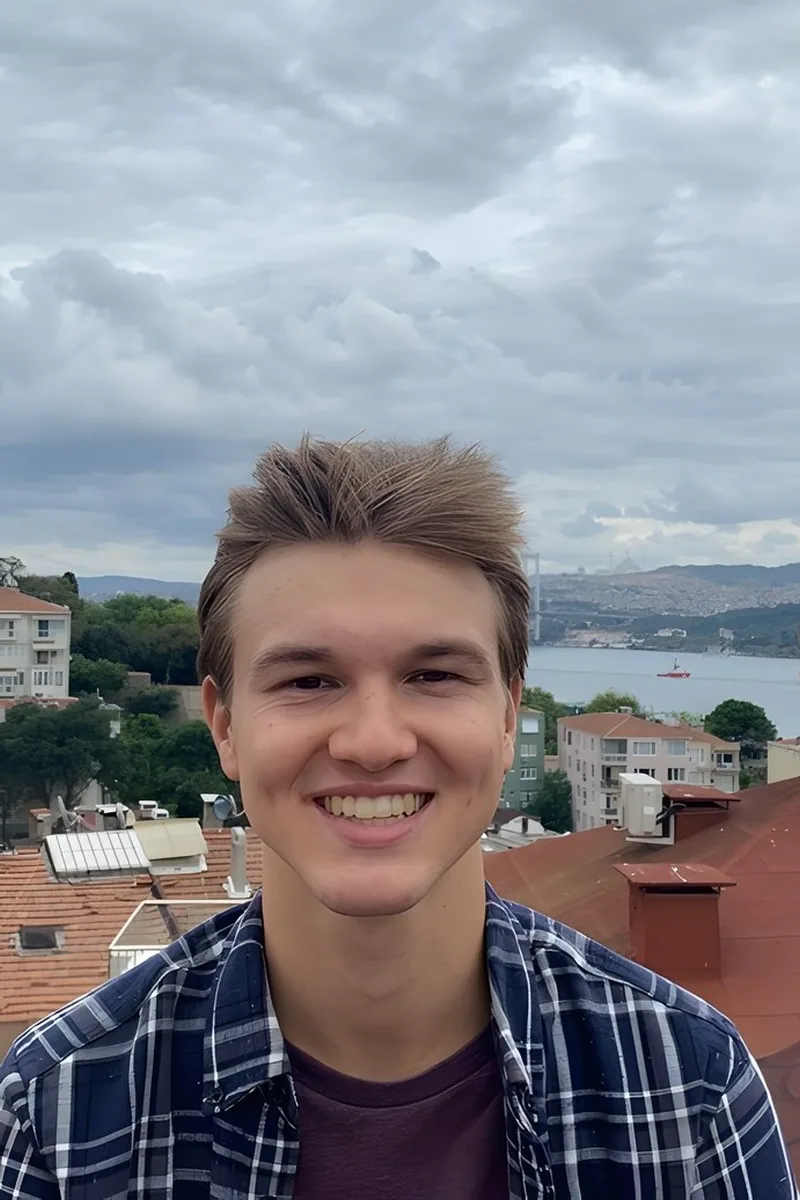
Scoring well on the AP Spanish Language & Culture exam means toggling between interpretive listening, persuasive writing, and spontaneous conversation — often within the same practice session. Mikkel's Spanish proficiency spans multiple course levels, and his experience as a writer and avid reader sharpens the presentational writing and cultural comparison skills that earn top marks on the free-response sections.
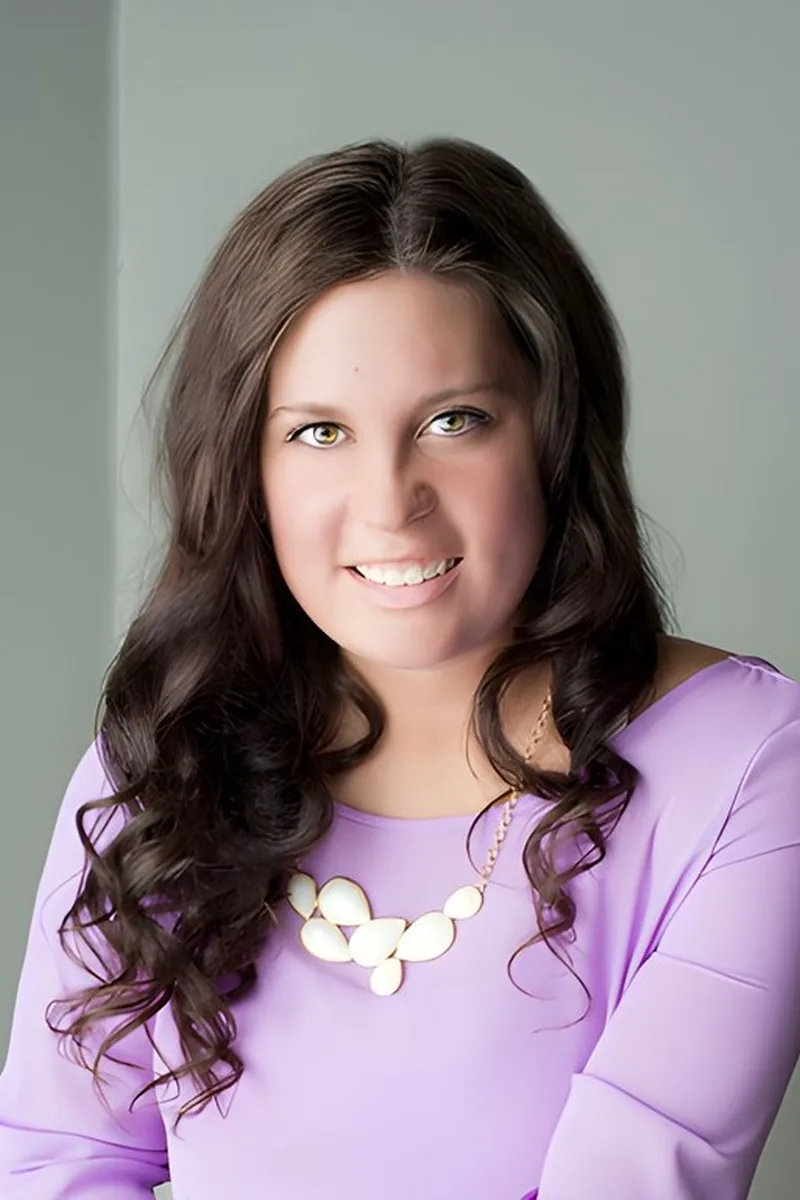
Danae is currently earning a double major in Political Science and Spanish at the University of Minnesota-Twin Cities, which means she's actively reading, writing, and debating in Spanish at the college level — the same formal register and analytical thinking the AP exam's persuasive essay and presentational speaking tasks require. Her political science coursework also sharpens the kind of argument construction and source synthesis that separates strong cultural comparison responses from generic ones.
Courtney minored in Spanish during her sociology degree, which means she's comfortable navigating both the language mechanics and the cross-cultural analysis the AP exam demands — particularly the cultural comparison task, where sociological thinking gives her a distinct edge. She also teaches CLEP Spanish and the SAT Subject Tests in Spanish, so she's used to coaching students through timed, high-stakes language assessments where formal register and quick recall matter. Rated 5.0 by students.
Eva's Comparative Literature studies at Columbia train her to analyze texts across languages and cultural contexts — a skill that translates directly to the AP exam's interpretive reading passages and source-synthesis tasks. She teaches Spanish from level 1 through 4 plus conversational, and her editorial background (running a nationally awarded newsmagazine) means she's unusually sharp at coaching the persuasive essay's structure, transitions, and formal register under timed conditions. Rated 5.0 by students.
Scoring well on the AP Spanish Language & Culture exam means doing more than conjugating verbs — it requires interpreting authentic texts, constructing persuasive arguments in Spanish, and navigating cultural comparisons with nuance. Steven studied abroad for five months in Valladolid, Spain, earning real fluency and the kind of cultural literacy that the exam's free-response and interpersonal tasks demand. His Spanish for Business degree adds formal precision to the conversational ease he picked up overseas.
Amy's PhD in Spanish Linguistics means she doesn't just know the language — she's studied how it works at the structural level, from phonological patterns to syntactic variation across dialects. That depth shows up most in the exam's interpretive listening section, where recognizing regional pronunciation shifts and parsing rapid connected speech separates students who truly comprehend from those guessing at context. She also teaches every Spanish level from 1 through AP, so she can quickly identify which grammatical gaps need closing before a student tackles timed writing in formal register.
Success on the AP Spanish Language & Culture exam depends on toggling fluently between interpretive, interpersonal, and presentational communication — often within a single task. Margaret tackles each mode separately, drilling persuasive email writing one session and audio-source synthesis the next, so students build confidence across the full exam format. Her own deep engagement with Spanish literature and conversation gives her the cultural fluency this exam specifically rewards.
While Spanish isn't Vivian's primary teaching area, her extensive experience with standardized test prep and essay writing transfers directly to the AP Spanish Language exam's presentational writing and interpersonal communication tasks. She brings a structured, strategy-first approach to tackling the exam's source-comparison essays and audio-response prompts.
Alex's tutoring background spans a wide range of academic subjects, but AP Spanish Language & Culture is not one of his primary areas of expertise. Students preparing for this exam should look for a tutor with demonstrated fluency in Spanish and specific experience with the interpersonal and presentational communication tasks the exam requires.
Gus teaches Spanish across all four levels plus conversational Spanish, and his History degree means he's already wired to think about how cultural contexts shape language — a skill that directly feeds the AP exam's cultural comparison free-response. He approaches the interpersonal speaking and listening tasks by turning grammar patterns into narrative logic, making subjunctive triggers and register shifts stick the way a good story does rather than a conjugation chart.
Living in Spain for six months gave Rebecca the kind of immersive fluency that AP Spanish Language & Culture demands — not just grammar accuracy, but the ability to navigate cultural comparisons and presentational speaking with confidence. She tackles the interpersonal and presentational writing tasks by teaching students how to integrate source material and build arguments entirely in Spanish. Her Notre Dame training in close reading also translates directly to the audio and print source analysis on the exam.
Having lived and worked in Puerto Rico, Eric brings real-world Spanish fluency to AP Spanish Language & Culture prep — not just textbook grammar but the kind of cultural context the exam's presentational and interpersonal tasks demand. He tackles the audio-source synthesis essays and spoken responses by drilling the specific transition phrases and register shifts that earn top scores.
Success on the AP Spanish Language exam comes down to thinking in Spanish — not translating from English in your head. Iris builds this fluency by connecting language practice to real cultural content: interpreting audio sources, writing persuasive emails, and constructing spoken presentations on topics like science, community, and global challenges. Her background in anthropology also gives her a genuine comfort with the cultural comparison tasks the exam emphasizes.
Corey trained as a total immersion instructor through the Ann Arbor Language Partnership and taught communicative Spanish in public schools for two years before moving to Nicaragua, where he used Spanish daily in professional and community settings. That real-world fluency shows up in how he prepares students for AP Spanish Language — tackling interpersonal speaking prompts, persuasive essays, and audio-source synthesis with the kind of cultural nuance the exam rewards. His background in cognitive science also informs how he teaches listening comprehension strategies that actually stick.
Scoring well on AP Spanish Language & Culture means toggling fluently between interpersonal conversation, presentational writing, and audio-source synthesis — three very different skill sets tested in one exam. Reta has taken the exam, completed years of university-level Spanish, and spent time living abroad in Spanish-speaking countries, so her command of register, idiomatic expression, and cultural context is practical, not just academic. She drills the comparison essay and simulated conversation formats until students feel genuinely comfortable producing Spanish under pressure.
Ryan's American Studies background means he already thinks in terms of cross-cultural comparison — a skill that maps directly onto the AP Spanish exam's cultural comparison task, where students need to connect practices across communities with nuance and specificity. He teaches Spanish from level 2 through AP and conversational Spanish, so he bridges the gap between structured grammar work and the kind of spontaneous communication the interpersonal speaking section rewards.
Scoring well on AP Spanish Language & Culture means toggling between interpersonal conversation, presentational writing, and rapid-fire audio sources — often in the same exam session. Meagan majored in Spanish at the undergraduate level and has taught ESL, so she understands language acquisition from both directions and can pinpoint where a student's comprehension or production breaks down.
Testimonials
Because the right AP Spanish Language & Culture tutor makes all the difference.
Average Session Rating – Based on 3.4M Learner Ratings
Nearby AP Spanish Language & Culture Tutors
Other Minneapolis Tutors
Related Languages Tutors in Minneapolis
Frequently Asked Questions
The AP Spanish Language & Culture exam tests your ability to communicate in Spanish across three modes: interpersonal (conversations), interpretive (reading/listening comprehension), and presentational (speaking/writing). The exam includes multiple-choice sections on reading and listening, plus free-response sections where you'll write emails, essays, and record spoken responses. Success requires both strong language skills and cultural understanding of Spanish-speaking communities.
Score improvement depends on your starting level and how consistently you practice. Students who work with a tutor typically see gains of 1-2 points on the 5-point AP scale, though some improve more significantly with focused preparation on weak areas. The key is identifying which sections challenge you most—whether that's reading comprehension, listening, or spoken production—and building targeted practice around those skills over several months.
Many students struggle with the listening section's natural pace and accents, the reading comprehension's dense cultural passages, and the timed free-response speaking task. Additionally, students often underestimate the cultural knowledge required—the exam tests not just language but understanding of Hispanic cultures, history, and current events. Time management during the exam is another common issue, especially when balancing multiple sections with different formats.
Varsity Tutors connects you with expert Spanish tutors who assess your current level and identify your specific weak areas through practice tests and conversation. Your tutor will then create a personalized study plan that might include timed practice sections, recorded speaking responses for feedback, cultural reading materials, and conversation practice to build confidence. Sessions typically focus on the areas where you need the most help, whether that's listening comprehension, essay writing, or spontaneous speaking.
The exam allocates roughly 95 minutes for multiple-choice (reading and listening) and 80 minutes for free-response sections. A strong strategy is to spend about 40 minutes on the reading section, 55 minutes on listening, and then tackle free-response with a clear plan: outline your essay before writing, allocate 2-3 minutes to record your spoken response, and leave buffer time for review. Your tutor can help you practice with timed sections to build speed without sacrificing accuracy.
Cultural understanding is essential—roughly 25-30% of the exam's content directly involves Hispanic cultures, current events, and historical contexts. Reading passages often feature cultural topics, and the free-response writing and speaking tasks frequently ask you to discuss cultural perspectives. Working with a tutor helps you build familiarity with key cultural themes, current events in Spanish-speaking countries, and how to discuss cultural differences thoughtfully and accurately.
Most students benefit from taking 3-5 full-length practice tests over their preparation period, spaced out so you have time to review and improve between attempts. The first practice test helps identify your baseline and weaknesses; subsequent tests track your progress and build test-day confidence. Between full tests, focus on section-specific practice—timed reading passages, listening clips, and recorded speaking responses—to target improvement areas.
Varsity Tutors connects Minneapolis students with expert Spanish tutors who specialize in AP exam preparation. You can get matched with a tutor based on your schedule, learning style, and specific needs—whether you need help with listening comprehension, essay writing, or building confidence for the speaking section. The process is straightforward: tell us your goals and availability, and we'll connect you with a qualified tutor ready to personalize your prep.
Let’s find your perfect tutor
Answer a few quick questions. We’ll recommend the right plan and match you with a top 5% tutor.