Award-Winning Elementary School Reading Tutors
serving Chicago, IL
Elementary School Reading
Tutors in Chicago
Private 1-on-1 tutoring, weekly live classes for academic support, test prep & enrichment, practice tests and diagnostics, and more to elevate grades and test scores.
Based on 3.4M Learner Ratings
UniversitiesSchools & Universities
DeliveredHours Delivered
ProficiencyGrowth in Proficiency
Who needs tutoring?
No obligation. Takes ~1 minute.
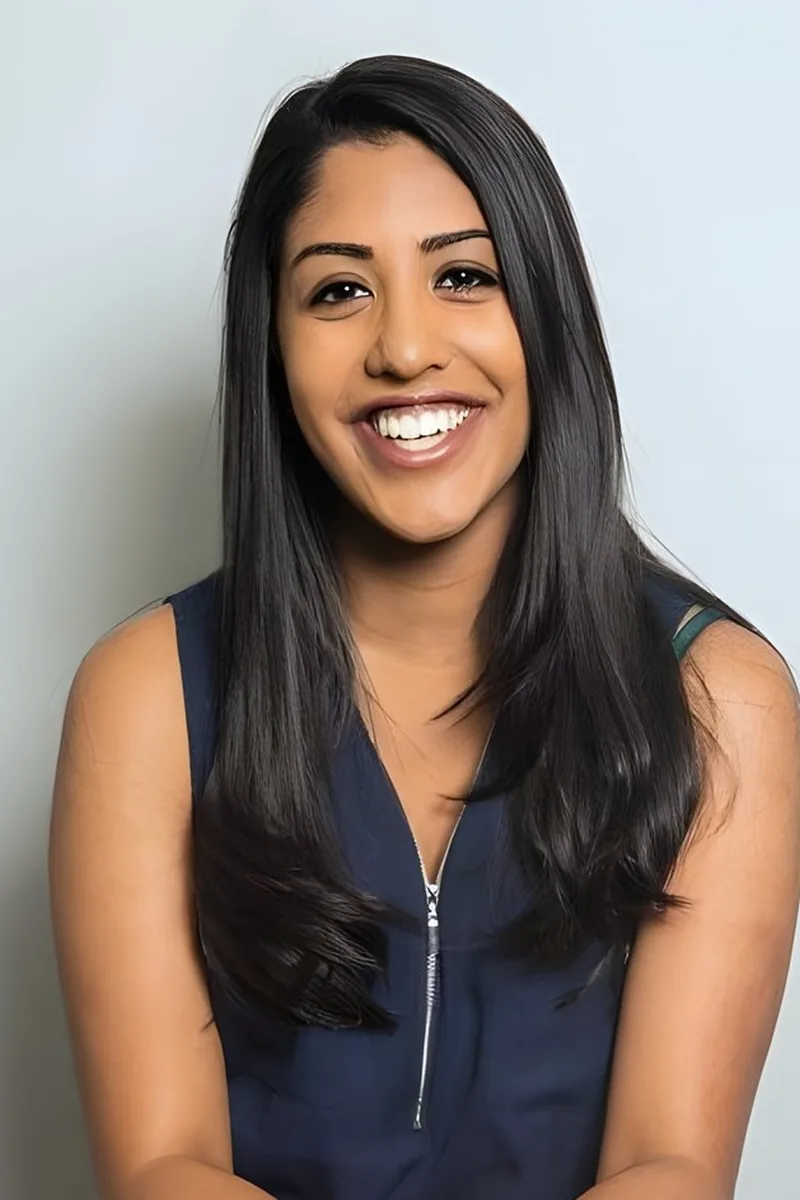
Learning to read confidently — decoding new words, making predictions, and retelling a story in sequence — takes patience and the right kind of encouragement. Anna breaks reading into manageable steps, connecting phonics patterns to real stories so young readers build momentum instead of frustration. Rated 5.0 by students and families.
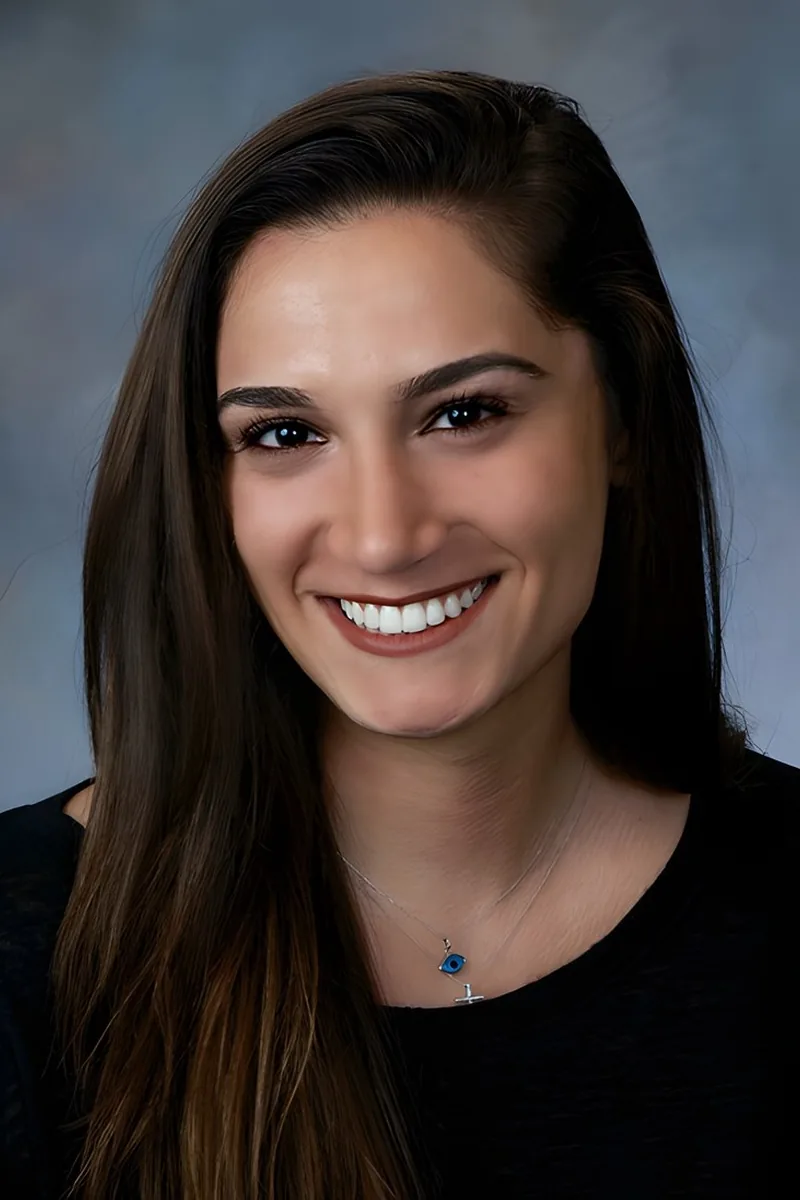
Early reading clicks when a child learns to connect sounds, letters, and meaning — not just decode words on a page. Pinelopi uses her psychology background from Duke to tailor phonics, vocabulary, and comprehension strategies to how each young reader actually processes information. Rated 5.0 by students and families.
Reading intervention has been a core part of Molly's classroom work across 2nd, 3rd, and 4th grade, so she's fluent in phonics-based decoding, sight word fluency, and comprehension strategies like predicting and retelling. She pulls from multiple curricula to match the approach that clicks for each reader rather than defaulting to one program.
Early reading is about more than sounding out words — it's learning to visualize a story, predict what comes next, and connect what's on the page to what a child already knows. Mahalia's background in social work and youth programming gives her a sharp sense of how to build the kind of trust that makes a reluctant reader willing to try. She tailors her approach to each student's reading level, whether they're working on fluency or tackling their first chapter books.
Reading at the elementary level is about more than decoding words — it's building the comprehension strategies that let a child follow a story, make predictions, and connect what they read to their own experience. Amber's background working with younger students, combined with her own love of writing and literature, means she knows how to make read-alouds, sight words, and early fluency exercises feel like genuine discovery rather than drills.
Early reading skills like phonics, sight words, and basic comprehension questions set the trajectory for everything that comes later in school. Hanlu brings a calm, encouraging presence that keeps young readers engaged even when a passage feels hard. She adapts her approach to each child's level, whether they're sounding out words or starting to answer "why" questions about a story.
Early reading clicks when a child connects decoding skills to actual meaning — sounding out words matters, but so does asking "what just happened?" after every page. Allison pairs phonics and vocabulary practice with comprehension questions that teach young readers to visualize scenes, predict outcomes, and identify a story's main idea. Her experience mentoring younger students gives her a natural ease with the patience and repetition this age group needs.
Early reading clicks when a child connects decoding skills to actual meaning — sounding out words matters, but so does understanding what a sentence is trying to say. Evan builds both sides together, using phonics drills alongside comprehension questions that teach young readers to visualize, predict, and retell stories in their own words.
Phonics rules, sight words, and reading fluency all click faster when a tutor knows how to make stories feel exciting rather than like homework. Kheya spent time reading with third graders and understands how to match a child's reading level with material that actually holds their attention. She breaks down decoding strategies and comprehension questions in a way that builds genuine confidence with each book.
Before a child can love reading, they need to feel confident doing it — sounding out unfamiliar words, tracking a character's feelings across chapters, and retelling what happened in their own words. Michael brings hands-on teaching experience from Baltimore City public schools to phonics, fluency, and comprehension skills, keeping sessions active and encouraging so young readers build momentum.
Early reading clicks when a student starts connecting sounds to words and words to meaning on their own. Alissa zeroes in on phonics, sight words, and reading fluency, adjusting her approach based on each child's comfort level so that a struggling reader and an advanced one both move forward.
Early readers need someone who makes decoding feel like a game, not a chore — Aaron breaks down phonics patterns, sight words, and context clues in ways that build genuine confidence on the page. His 5.0 rating from students speaks to the kind of patience and encouragement that keeps young learners excited about picking up the next book.
Building reading confidence early matters more than most people realize. Anna has tutored elementary-age students since she was in high school and knows how to make phonics, sight words, and early comprehension feel like a game rather than a chore. Her clinical training at Lurie Children's Hospital also gives her a strong understanding of how different kids process language.
Araxie's time with 826CHI's After School Tutoring program gave her direct experience teaching young readers to decode unfamiliar words, build vocabulary in context, and retell stories in their own words. She knows that at the elementary level, reading confidence grows fastest when a student feels safe making mistakes and trying again. Her linguistics training also gives her a sharp ear for the specific phonics or comprehension patterns a child is struggling with.
Reading at the elementary level is all about building the habits that make a kid want to pick up a book — decoding new words, making predictions, and connecting stories to their own lives. Pal breaks down passages into manageable pieces and asks the kinds of questions that get young readers thinking about what they're reading, not just sounding out words.
Early reading skills like phonics, sight words, and fluency are the building blocks for everything a student will do in school from this point forward. Masooma uses repetition and context clues together so young readers don't just sound out words but actually understand what they're reading. She's especially attentive to the moment a child starts reading for meaning rather than just decoding — and knows how to push past that threshold.
Before law school, Caroline was a K-3 reading and math intervention teacher — the person called in when a child's decoding or fluency wasn't where it needed to be. That experience means she knows how to pinpoint whether a young reader is struggling with phonemic awareness, sight-word recognition, or comprehension, and she tailors her approach accordingly. Rated 5.0 by families she's worked with.
A storyteller by training, Harrison knows how to make reading click for younger students — whether that means sounding out tricky vowel combinations through phonics work or talking through what a character's actions reveal about their feelings. His BFA in Creative Writing from NYU gives him a deep understanding of how stories are built, which he uses to make comprehension feel like detective work rather than a chore.
A double major in Anthropology and Philosophy at the University of Chicago means Jacob has spent years reading closely and critically across very different kinds of texts. He brings that same careful attention to elementary reading, breaking down phonics patterns, building sight-word fluency, and asking the kinds of questions that get kids thinking about what a story really means. Rated 5.0 by students.
At the elementary level, reading clicks when a child can connect what's on the page to something they already know. Meagan uses picture walks, prediction questions, and simple retelling exercises to strengthen both decoding and comprehension, making sure kids aren't just sounding out words but actually following the story.
Early reading clicks when a child feels genuinely excited about a story, not just drilled on phonics worksheets. Cole — a Princeton creative writing student and lifelong reader — picks texts that match each young learner's interests and uses them to teach decoding strategies, vocabulary in context, and basic comprehension skills like sequencing and identifying main ideas.
Teaching 7th grade ELA in Chicago, Adrianna knows exactly which foundational reading skills — phonics patterns, main idea identification, making inferences from context clues — need to be solid before students hit middle school. She builds those skills through engaging, age-appropriate texts that keep young readers curious rather than frustrated.
Teaching elementary reading every day in the classroom, Marvin sees firsthand where kids get stuck — whether it's decoding multisyllabic words, making inferences, or losing track of a story's main idea. He uses targeted questioning during read-alouds and guided reading to build comprehension skills that transfer across subjects.
Early reading clicks when a child can connect sounds to letters and letters to meaning without feeling rushed. Valerie's background in mass communications gives her a sharp sense of how language works at every level, and she applies that to phonics practice, sight word recognition, and building the reading stamina young learners need to tackle longer passages on their own.
Before becoming a speech-language pathologist, Kelly was a clinician at Lindamood-Bell Learning Processes, where she led young readers through structured, research-based programs targeting phonemic awareness, decoding, and reading comprehension. That clinical experience means she can identify the specific breakdown point — whether a child struggles with blending sounds, recognizing sight words, or understanding what a sentence actually says. Her approach turns reading from a frustrating task into something that clicks.
Building reading fluency at the elementary level is about more than sounding out words — it's connecting sounds to meaning and meaning to enjoyment. Youngbin uses a mix of phonics reinforcement, vocabulary-in-context exercises, and guided read-alouds to make sure young readers aren't just decoding but actually understanding what's on the page.
Early reading skills like phonics, sight words, and basic comprehension questions set the trajectory for everything that comes after. Marijke uses storytelling and context clues to make vocabulary stick, and she builds fluency by choosing texts that match a child's interest level — not just their grade level. Her 5.0 rating speaks to how well she connects with younger learners.
Before a child can love reading, they need to feel successful at it. Diane's elementary teaching background means she knows how to match books to a child's reading level and interests, then use guided reading techniques — predicting, retelling, questioning — to build comprehension skills naturally. She keeps sessions engaging enough that practice doesn't feel like a chore.
I am a rising junior attending Cornell University. I am a psychology major on the pre medical track. Over the summers, I tutor students between the ages of kindergarten through 5th grade and created engaging games to help them actively learn. At Cornell, I serve as Math TA for Algebra.
Early reading confidence makes everything else in school easier, and Ryan understands the building blocks that get kids there — sight word recognition, context clues, and fluency practice with age-appropriate texts. He keeps sessions interactive, mixing read-alouds with comprehension check-ins so young readers stay focused. His neuroscience studies give him a practical understanding of how children develop literacy skills at different stages.
I'm Caleb. Recent graduate from DePaul University's College of Education, and a specialist in English, Language Arts, and Creative and Analytical Writing.
Early readers need someone who can make decoding feel like a game rather than a chore — sounding out blends, recognizing sight words, building the confidence to tackle a full page. Griffin's creative writing background and training in secondary education give him a sharp sense of how stories hook young minds and keep them turning pages.
Early reading success depends on more than phonics — it's about building the habit of asking questions while reading, predicting what comes next, and connecting stories to a child's own experience. Rachel tackles fluency, sight words, and comprehension together so that reading feels like discovery rather than a chore. Her upcoming Master's in Social Work with a children-and-families focus deepens her understanding of how young learners develop.
Getting a reluctant reader to engage often comes down to finding the right angle in — Caleb learned this teaching 6th graders in Austin's Breakthrough Central Texas program, where he spent a full summer on reading comprehension strategies. He breaks down skills like identifying main ideas, making inferences, and connecting texts to real-world experiences so that reading feels less like a chore and more like discovery.
Early reading is all about cracking the code — phonics patterns, sight words, and the moment a sentence suddenly makes sense out loud. Julia's experience working with young children means she knows how to keep lessons playful and encouraging even when a passage feels hard. She connects reading practice to topics kids actually care about, which builds stamina alongside skill.
Teaching a child to read means juggling phonemic awareness, sight word recognition, fluency, and comprehension all at once — and knowing which one to prioritize for each individual reader. Blakeley's phonics instruction background and her experience as a special education teacher give her sharp diagnostic instincts for identifying where a young reader is breaking down. She builds targeted practice around specific decoding gaps, whether a student is struggling with vowel teams or losing meaning in longer passages.
Early reading skills like phonics, sight-word recognition, and basic comprehension questions set the trajectory for everything that comes later in school. Eric's patient, step-by-step teaching style is especially well-suited to young readers who need encouragement alongside structured practice with decoding and fluency.
Phonics, sight words, fluency, comprehension — early reading has a lot of moving parts, and knowing which one a child is stuck on makes all the difference. Jonathan is completing his MAT in Elementary Education, where he's studying the specific literacy frameworks that build confident readers. His own background in Communication Arts and Global Studies means he brings a genuine love of reading to every session.
Phonics, sight words, and reading fluency all click faster when a young reader feels confident enough to take risks on the page. Katie developed her approach to early literacy while tutoring at a bilingual elementary school in Detroit, where she learned to match books to each student's interest level and build comprehension through prediction, retelling, and vocabulary in context.
Testimonials
Because the right Elementary School Reading tutor makes all the difference.
Average Session Rating – Based on 3.4M Learner Ratings
Nearby Elementary School Reading Tutors
Other Chicago Tutors
Related English Tutors in Chicago
Frequently Asked Questions
Elementary readers often struggle with phonics foundations, fluency, and comprehension—especially as texts become more complex in upper grades. Many students find it difficult to decode unfamiliar words, read at an appropriate pace, or understand what they've read. Personalized 1-on-1 instruction helps identify whether a student needs support with foundational skills, vocabulary building, or deeper comprehension strategies tailored to their specific needs.
Expert tutors typically use a combination of methods: observing oral reading fluency, asking comprehension questions about texts, assessing phonics knowledge, and evaluating vocabulary. This personalized assessment helps tutors understand where your child excels and where they need support, whether that's with decoding, fluency, or understanding more complex stories and ideas. The goal is to create a customized learning plan that meets your child exactly where they are.
Effective strategies include previewing texts before reading, asking questions while reading, making predictions, visualizing scenes, and summarizing key ideas afterward. Tutors also teach students to identify main ideas versus details, understand character motivations, and connect stories to their own experiences. With consistent practice and personalized feedback, students develop stronger comprehension skills and gain confidence tackling more challenging texts.
Phonics teaches students how to decode words by understanding letter-sound relationships, while fluency is the ability to read words accurately and smoothly at an appropriate pace. Both are essential: strong phonics skills help students sound out unfamiliar words, and fluency allows them to read with expression and focus on comprehension rather than struggling with each word. Tutors address both areas to help students become confident, capable readers.
Tutors introduce new words in context through reading, teach word families and roots, and use strategies like repeated exposure and interactive practice to help words stick. Rather than memorizing lists, students learn how words relate to each other and how to use them in their own reading and writing. A stronger vocabulary directly supports reading comprehension and helps students understand more complex texts as they progress through elementary school.
The first session focuses on getting to know your child and understanding their reading strengths and challenges. A tutor will likely have your child read aloud, ask comprehension questions, and discuss what they enjoy reading. This helps the tutor create a personalized plan tailored to your child's level, interests, and goals—whether that's building foundational skills, improving fluency, or developing deeper comprehension abilities.
Many students show noticeable progress in fluency and confidence within 4-6 weeks of consistent tutoring, though the timeline varies based on starting point and frequency of sessions. Foundational skills like phonics may take longer to solidify, while comprehension strategies can improve more quickly. Regular tutoring combined with reading practice at home accelerates progress—the key is consistency and choosing materials at the right level for your child.
Yes, expert tutors working with students in Chicago are familiar with Illinois learning standards and the reading approaches used across the city's 12 school districts. Whether your child's school emphasizes balanced literacy, guided reading, or other methods, tutors can support what's being taught in the classroom while also providing personalized strategies tailored to your child's individual needs and learning style.
Let’s find your perfect tutor
Answer a few quick questions. We’ll recommend the right plan and match you with a top 5% tutor.