Award-Winning Organic Chemistry Tutors
serving New Haven, CT
Organic Chemistry
Tutors in New Haven
Private 1-on-1 tutoring, weekly live classes for academic support, test prep & enrichment, practice tests and diagnostics, and more to elevate grades and test scores.
Based on 3.4M Learner Ratings
UniversitiesSchools & Universities
DeliveredHours Delivered
ProficiencyGrowth in Proficiency
Who needs tutoring?
No obligation. Takes ~1 minute.
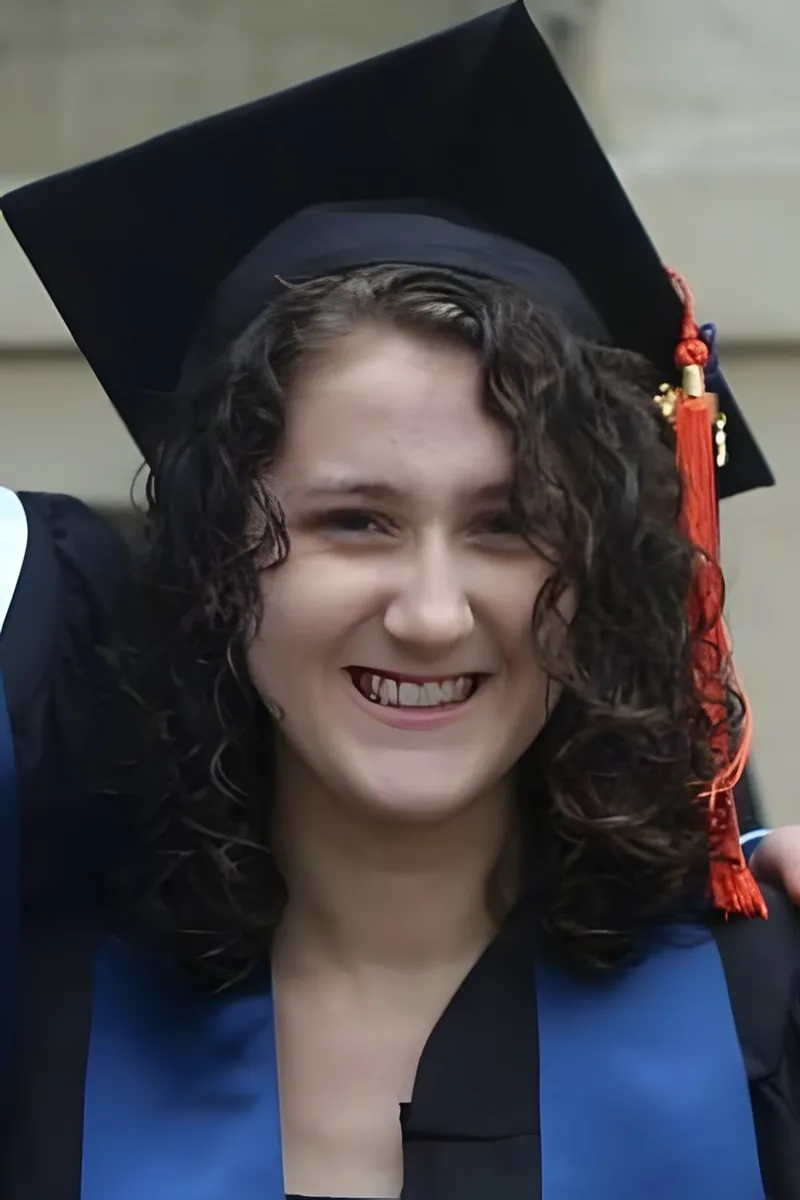
I am a PhD student in Inorganic Chemistry at Yale University. I've been spreading my love of chemistry for the past several years as a TA for general chemistry, and I'm excited to share my passion with you! Prior to Yale, I got my B.S. in chemistry from Caltech, where I also served as a TA for both general chemistry lab and advanced inorganic chemistry. Outside of teaching and research, I enjoy fencing, reading, and playing piano.
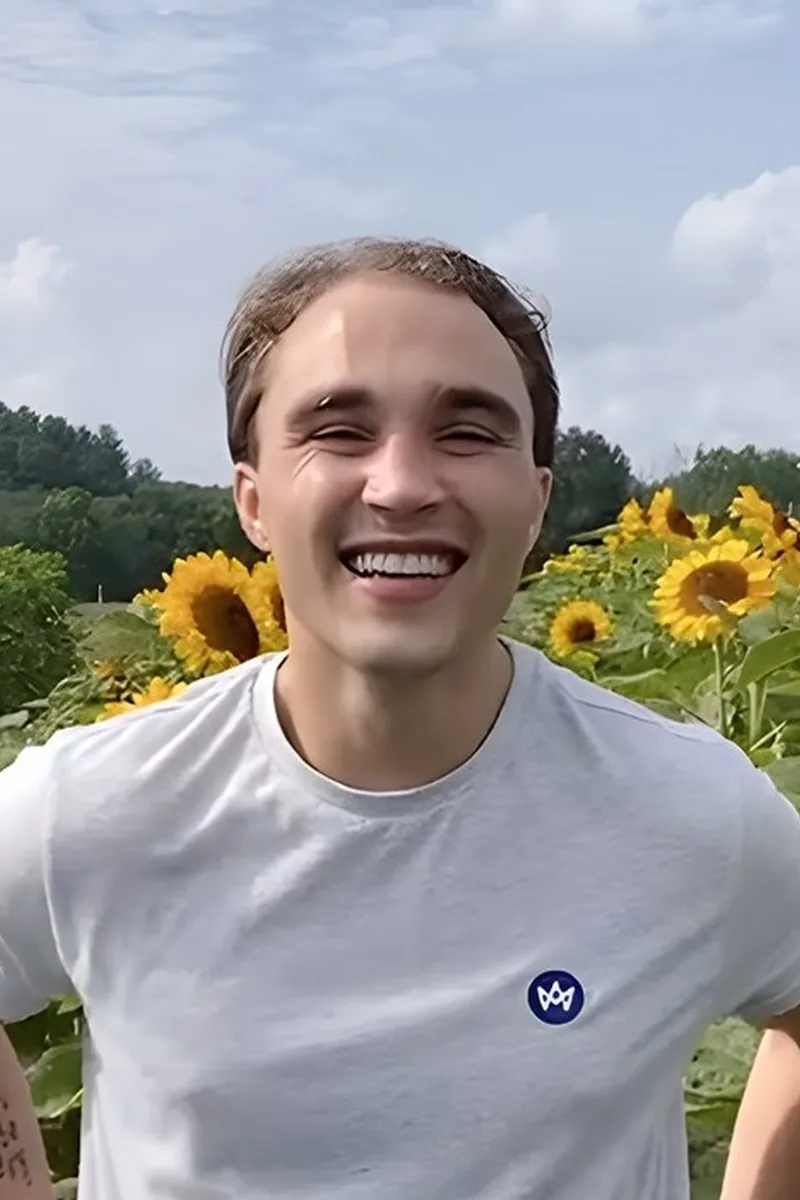
Two years as a TA in organic chemistry at UConn — where Noah is pursuing a PhD in medicinal chemistry with research rooted in organic synthesis — means he's seen exactly where students lose the thread on arrow-pushing, stereochemistry, and multi-step reaction sequences. He teaches from the bench as much as the blackboard, connecting textbook mechanisms to the real synthetic challenges he tackles in his own research. Rated 5.0 by students.
Most students dread organic chemistry, but Lily genuinely loves it — and that enthusiasm comes through when she's walking someone through a tricky elimination mechanism or explaining why a carbonyl is so electrophilic. Her neuroscience degree meant she encountered these reactions both in the classroom and in the lab, where seeing functional group transformations play out in real experiments made the arrow-pushing logic click in a way pure lecture never could. Rated 4.9 by students.
Reaction mechanisms are the language of organic chemistry — if you can't follow electron movement through a nucleophilic substitution or an elimination, every new reaction feels like something to memorize from scratch. Cassandra teaches students to recognize the patterns that repeat across seemingly different reactions: leaving group quality, steric effects, acid-base behavior. That pattern-recognition approach, sharpened by her biology and biochemistry background, turns a notoriously overwhelming course into something students can actually reason through.
Studying physics with a concentration in chemical principles at Penn means Max encounters organic chemistry from the physical side first — thermodynamics of reaction pathways, orbital interactions driving nucleophilic attacks, and the energy landscapes that determine whether a substitution or elimination wins out. That perspective lets him teach mechanisms by grounding arrow-pushing in the physics of why electrons move, not just where they go.
Siddharth's biology degree means he first encountered organic chemistry through the lens of biomolecules — amino acid reactivity, lipid structures, and the functional group behavior that drives metabolic pathways. That biological framing gives him a practical way to teach arrow-pushing and reaction classifications, connecting each mechanism to molecules students can visualize rather than treating them as abstract exercises.
Most organic chemistry frustration comes from trying to memorize hundreds of reactions instead of recognizing the handful of electronic patterns — nucleophilic attack, leaving group ability, steric effects — that drive all of them. Garrett teaches students to read arrow-pushing mechanisms as stories about electron movement, which makes predicting products and regiochemistry intuitive. His approach turns reaction maps from overwhelming charts into logical flowcharts.
Jeff's molecular biology degree meant spending serious time with organic chemistry — not just passing it, but applying it to understand enzyme active sites, metabolic intermediates, and drug interactions at the molecular level. That applied perspective makes him especially effective at teaching synthesis strategy and functional group transformations, because he can ground abstract mechanisms in real biochemical context. Rated 5.0 by students.
Reaction mechanisms are the language of organic chemistry, and Casey reads them fluently after years of bioengineering coursework that demanded constant fluency in electron-pushing, stereochemistry, and functional group transformations. She teaches students to recognize patterns across reaction types — why nucleophilic additions behave the way they do, how leaving groups dictate substitution vs. elimination — so each new chapter feels like a variation on something familiar rather than a fresh nightmare.
Preparing for medical school means Benjamin ground through organic chemistry with the kind of intensity that only MCAT stakes demand — reaction mechanisms, carbonyl chemistry, and spectroscopy all studied until the logic behind each transformation became second nature. His evolutionary anthropology background at Duke also gives him a knack for seeing patterns across complex systems, which is exactly the skill that separates students who struggle with synthesis problems from those who can map a retrosynthetic pathway confidently. Rated 5.0 by students.
Having earned a chemistry degree from Yale, Zosia spent years immersed in the subject well past the introductory orgo sequence — which means she can contextualize tricky topics like electrophilic aromatic substitution and acyl chemistry within the broader landscape of how molecules actually behave. She walks students through spectral analysis and multi-step synthesis by building from first principles of electronegativity and sterics, so each new reaction type feels like an extension of what they already know rather than a fresh page to memorize. Rated 4.9 by students.
Reaction mechanisms are the language of organic chemistry, and learning to read them — arrow pushing, stereochemistry, regiochemistry — requires a different kind of thinking than most science courses demand. Kevin studied organic chemistry as part of his biomedical engineering curriculum, where understanding molecular behavior was essential rather than optional. He walks students through each mechanism type until the logic behind substitution, elimination, and addition reactions becomes second nature.
As an MD/PhD student at Northwestern doing doctoral research in organic synthesis, Austin lives in the world of reaction design — figuring out which bonds to form, which protecting groups to use, and why one retrosynthetic route beats another. That daily immersion means he teaches mechanisms and stereochemistry with the fluency of someone who actually builds molecules, not just someone who once passed the course.
I'm a current medical student at VCU School of Medicine, and a graduate of Johns Hopkins University. I received my Bachelor of Science in Molecular and Cellular Biology. I've had the pleasure of tutoring a diverse range of students for 5 years; while I tutor a broad set of subjects, I'm most passionate about biology, psychology, and chemistry. I'm a big proponent of ensuring understanding over memorization and teaching concepts that last for years to come (particularly for other students interested in medicine!) In my free time, I love to write poetry, edit essays, and gush about game writing with friends.
Teaching two Chemistry 101 lab sections gave Davis hands-on experience explaining reaction mechanisms, functional group behavior, and electron-pushing arrows to students encountering them for the first time. He approaches organic chemistry as a language of patterns — once students learn to read electron density and leaving-group tendencies, synthesis problems become far more manageable.
Testimonials
Because the right Organic Chemistry tutor makes all the difference.
Average Session Rating – Based on 3.4M Learner Ratings
Practice Organic Chemistry
Free practice tests, flashcards, and AI tutoring for Organic Chemistry
Nearby Organic Chemistry Tutors
Other New Haven Tutors
Related Science Tutors in New Haven
Frequently Asked Questions
Organic chemistry requires you to visualize molecular structures and reaction mechanisms in 3D—something that's genuinely difficult without practice and guidance. Many students try to memorize reactions instead of understanding the underlying principles, which backfires quickly when problems get more complex. A tutor helps you build conceptual understanding from the ground up, so you can tackle unfamiliar reactions with confidence rather than relying on memory alone.
Your tutor will assess your current understanding—whether you're solid on foundational concepts like bonding and hybridization, or if you need to shore those up first. They'll identify which specific topics are causing you the most trouble (reaction mechanisms, stereochemistry, synthesis problems, etc.) and create a personalized plan that targets your gaps. By the end of the first session, you'll have a clear roadmap for what to focus on and how tutoring will help you succeed.
Expert tutors break down mechanisms step-by-step, showing you how electron movement drives each transformation and why certain bonds break or form. Instead of flashcards, you'll learn to predict how a molecule will react based on its structure and functional groups—a skill that transfers to completely new reactions you've never seen. This deeper understanding is what separates a passing grade from mastery, and it's essential for exams and upper-level chemistry courses.
Tutors use molecular models, drawings, and interactive visualization techniques to help you see what's actually happening in a reaction. They'll teach you how to draw and interpret wedge-dash notation, Newman projections, and chair conformations—the visual tools you need to understand stereochemistry and predict reaction outcomes. Many students find that once they can truly visualize the 3D structure, the chemistry suddenly makes sense.
Yes—tutors can help you understand the theory behind lab procedures, prepare you to predict outcomes, and explain what you're observing during experiments. They can also help you write clear lab reports and connect your experimental results back to the underlying chemistry concepts. This support strengthens both your lab skills and your conceptual understanding of the material.
Most students notice better understanding and improved problem-solving within 3-4 weeks of consistent tutoring, especially if they're working on foundational concepts. For more complex topics like synthesis or advanced mechanisms, you might need 6-8 weeks to build real confidence. The timeline depends on where you're starting and how frequently you meet with your tutor, but consistent practice between sessions is key to progress.
Varsity Tutors matches you with tutors who have strong expertise in organic chemistry and understand the specific curriculum and challenges you're facing. You can share your goals, schedule, and learning style, and we'll connect you with someone who's a great fit for your needs. The process is straightforward—just reach out and let us know what you're working on.
Absolutely—tutors can help you master the content, practice problem-solving under timed conditions, and develop test-taking strategies specific to how organic chemistry is assessed. Whether you're preparing for a midterm, final, or standardized exam like the MCAT, a tutor will focus on the concepts and question types most likely to appear. They'll also help you identify your weak spots early so you have time to strengthen them before test day.
Let’s find your perfect tutor
Answer a few quick questions. We’ll recommend the right plan and match you with a top 5% tutor.