Award-Winning AP Biology Tutors
serving New Haven, CT
AP Biology
Tutors in New Haven
Private 1-on-1 tutoring, weekly live classes for academic support, test prep & enrichment, practice tests and diagnostics, and more to elevate grades and test scores.
Based on 3.4M Learner Ratings
UniversitiesSchools & Universities
DeliveredHours Delivered
ProficiencyGrowth in Proficiency
Who needs tutoring?
No obligation. Takes ~1 minute.
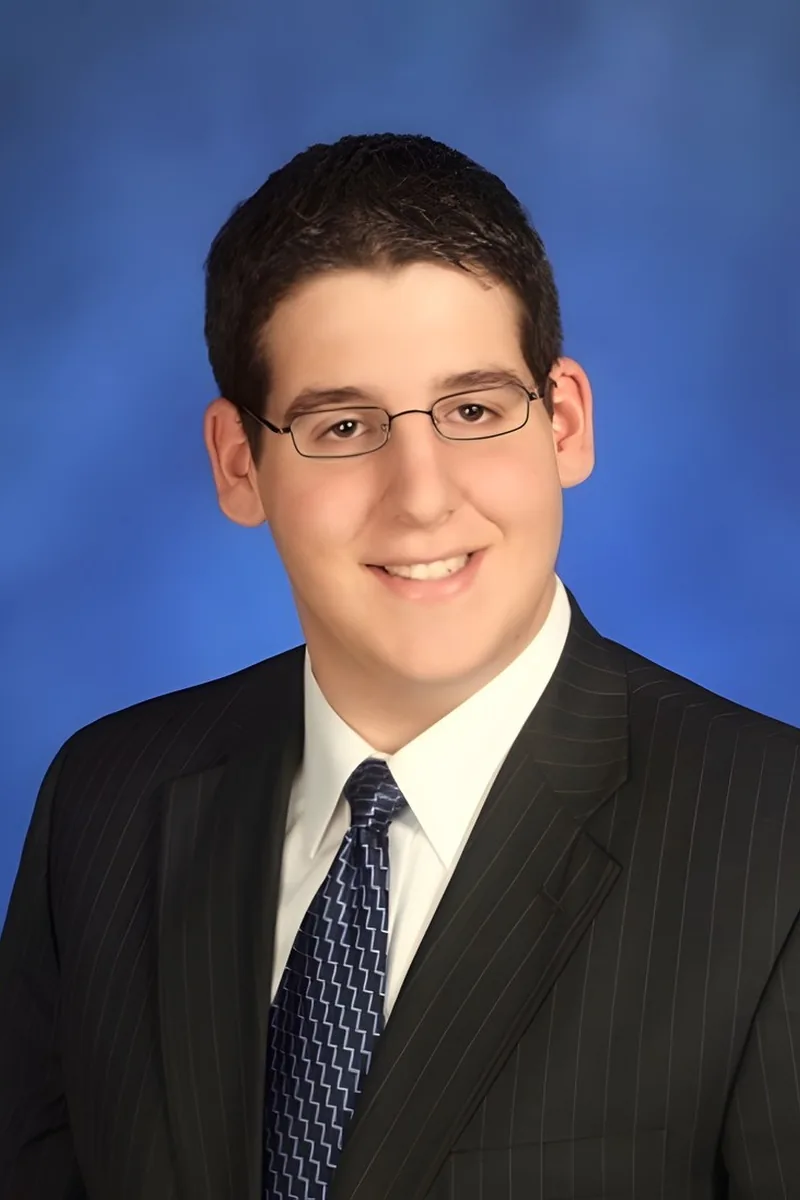
Environmental science coursework gave Ethan an ecology-first perspective on biology — population dynamics, energy flow through ecosystems, and the interplay between organisms and their environments — which lines up directly with AP Bio's ecology and evolution units that many science-focused tutors breeze past. He also teaches AP Statistics, so he's unusually comfortable with the data interpretation and experimental design questions that trip students up on the exam. Rated 5.0 by students.
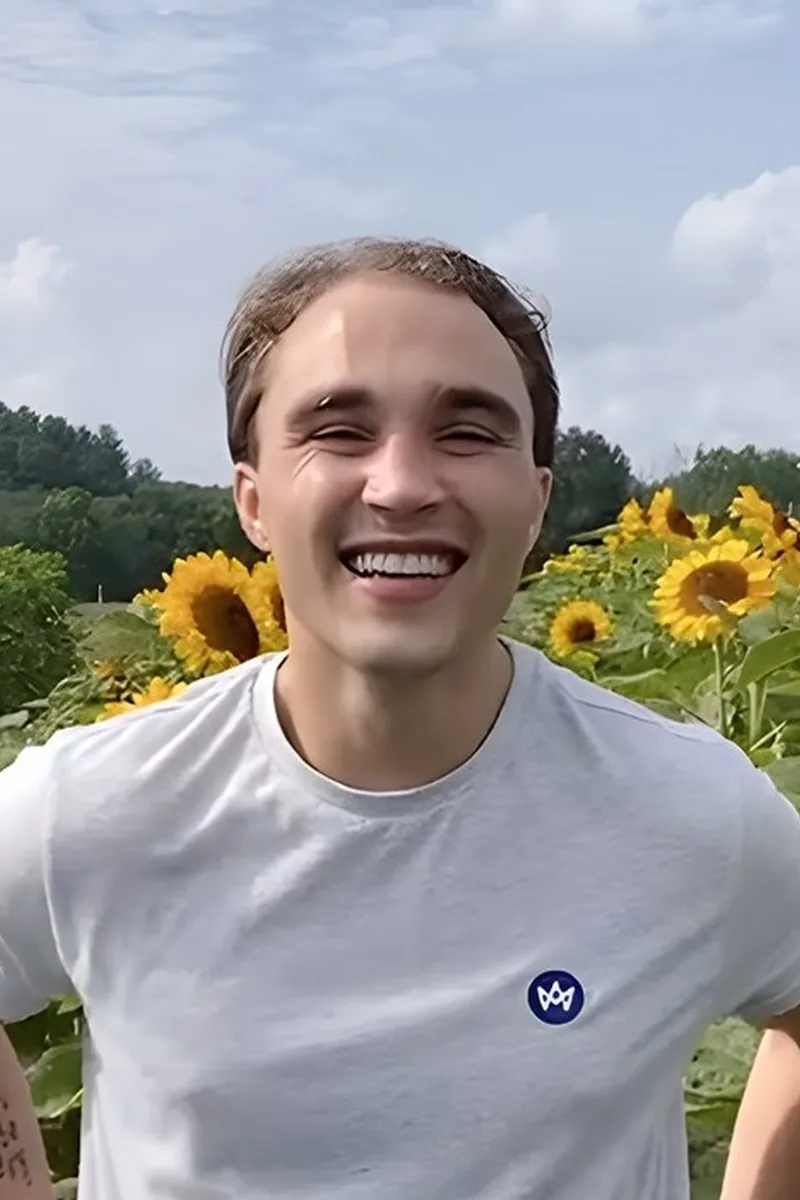
Biochemistry training gives Noah a molecular-level fluency that's especially useful for AP Bio's units on cellular energetics and enzyme regulation — he can explain why ATP synthase works the way it does, not just that it does. Two years as an organic chemistry TA at UConn sharpened his ability to break down multi-step biological processes into digestible pieces, which is exactly what the exam's free-response questions demand. Rated 5.0 by students.
The sheer volume of AP Bio content — from cellular respiration pathways to Hardy-Weinberg equilibrium — overwhelms most students who try to memorize it all linearly. Isaac, who teaches college biology as a course assistant and conducts his own research in microbial ecology, unpacks each unit by showing how the underlying principles repeat across systems. That pattern-based approach turns a massive curriculum into something manageable.
Fourth-year med student at Albert Einstein College of Medicine, Michael has spent years applying the biology he first studied as a summa cum laude graduate in Biology from Yeshiva College — so AP Bio's units on genetics, cellular processes, and physiology aren't abstract for him, they're the foundation of his daily clinical work. His experience teaching MCAT prep for Kaplan means he's already coached students through the same high-stakes biological reasoning that AP Bio's free-response questions demand, especially the kind where you need to connect a molecular mechanism to an organism-level outcome.
Christina's computer science background gives her an unusual edge for AP Bio's data analysis and experimental design questions — she's comfortable with statistical reasoning, interpreting graphs, and the kind of algorithmic thinking that makes tracing metabolic pathways or gene expression cascades more systematic. Her ACT score of 34 also signals strong science reading skills, which matters for an exam where decoding dense passages and pulling evidence from figures is half the battle.
The trickiest part of AP Bio for most students isn't memorizing content — it's learning to think across units, like connecting how a mutation in a gene regulation sequence cascades through protein expression and ultimately shifts a population's allele frequencies. Kendall's broad science background, including coursework in both AP Chemistry and AP Biology, lets her teach students to build those multi-concept chains rather than treating each unit as isolated material. Rated 4.9 by students.
AP Biology's free-response questions demand more than memorized facts — they want students to design experiments, interpret data, and argue from evidence about topics like gene regulation or ecosystem dynamics. Andrew's ongoing work in biochemical laboratories means he teaches these skills from firsthand experience, walking students through cellular respiration or signal transduction the way a researcher actually thinks about them.
Studying biology and chemistry on the pre-med track at Northwestern means Kade is immersed daily in the exact material the AP Bio exam tests — from cellular respiration and signal transduction to gene regulation and evolutionary mechanisms. He also runs study groups at his university, so he's practiced at explaining dense concepts like feedback inhibition or Hardy-Weinberg equilibrium in ways that actually stick. That combination of current coursework and teaching experience makes a real difference on exam day.
Between his neuroscience research at the Jungers Center and molecular biology work at the Oregon Stem Cell Center, Daniel has lived the content that shows up on the AP Biology exam — from cellular signaling pathways to gene expression and evolution. He teaches the free-response section by connecting big biological ideas to the experimental design skills the College Board actually tests for.
As a neuroscience major on the pre-med track at Vanderbilt, Eileen lives inside the material AP Biology tests: cell signaling, gene expression, metabolic pathways, and evolutionary mechanisms. She unpacks dense topics like the lac operon or oxidative phosphorylation by sketching out each step visually, turning overwhelming detail into a logical sequence students can actually reconstruct on exam day.
Ethan's economics and public policy studies at the University of Chicago aren't a typical path into AP Bio, but they've made him sharp at interpreting data sets, constructing evidence-based arguments, and reasoning through cause-and-effect chains — all skills the exam's free-response questions heavily reward. He's especially useful for students who struggle with the experimental design and data analysis portions of the test, where reading graphs and evaluating hypotheses matters more than memorizing vocabulary.
Working in a Yale research lab that uses CRISPR-Cas9 gives Matthew a perspective on AP Biology that most tutors can't offer — he connects textbook topics like gene regulation, signal transduction, and evolution to experiments happening right now. He's especially sharp on the free-response questions, where students need to design experiments and interpret data rather than just recall facts.
Stephanie is a molecular biology major at Princeton who tutors biology and general chemistry at the university's peer tutoring center — meaning she's actively teaching concepts like gene regulation, enzyme kinetics, and cellular signaling to college students, then turning around and making that same material accessible for AP Bio. Her 5.0 rating speaks to how well she translates that Princeton-level depth into the kind of precise, mechanism-driven explanations the exam's free-response questions demand.
AP Bio covers an enormous range — from cellular respiration and gene expression to ecology and evolution — and the exam rewards students who can apply concepts to unfamiliar experimental scenarios. Lauren's dual background in neuroscience and chemistry at Duke means she connects molecular-level detail to big-picture biological systems, which is exactly the kind of thinking the free-response questions demand.
Srini is studying molecular biophysics at Brown, which means AP Bio topics like cell signaling cascades, gene expression, and membrane transport aren't just exam material — they're his daily coursework. He unpacks the why behind each biological process, connecting molecular details to the big-picture themes the AP exam rewards. Rated 4.8 by students.
Testimonials
Because the right AP Biology tutor makes all the difference.
Average Session Rating – Based on 3.4M Learner Ratings
Practice AP Biology
Free practice tests, flashcards, and AI tutoring for AP Biology
Nearby AP Biology Tutors
Other New Haven Tutors
Related Science Tutors in New Haven
Frequently Asked Questions
AP Biology covers eight major units: chemistry of life, cell structure and function, cellular transport, cell communication and division, heredity, gene expression and regulation, natural selection, and ecology. The exam tests your understanding of these concepts through multiple-choice questions, free-response questions, and lab-based scenarios. A strong foundation in each unit is essential for performing well on test day.
Score improvement depends on your starting point and how consistently you engage with material. Students who work with tutors typically see gains of 1-2 score points, with some seeing more significant jumps if they address foundational gaps early. The key is identifying weak areas—whether that's photosynthesis, evolution, or data interpretation—and targeting those systematically through practice and feedback.
Students in New Haven often struggle with cellular respiration and photosynthesis (the energy pathways are complex and interconnected), genetics and heredity (Punnett squares and probability concepts trip up many), and ecology (interpreting population graphs and predicting ecosystem changes). Additionally, the free-response section requires you to explain concepts clearly and support claims with evidence—a skill that takes practice to master.
Start by reading free-response questions before diving into the multiple-choice section so your brain can process them while you work. On multiple-choice, eliminate obviously wrong answers first, then reason through the remaining options—don't rush. For free-response, budget your time (roughly 10 minutes per question) and write clearly, using scientific vocabulary. Practice tests under timed conditions are crucial for building confidence and pacing awareness.
Most students benefit from starting serious AP Biology prep 3-4 months before the exam in May. If you're struggling with foundational concepts, starting earlier (even in the fall) gives you time to build a solid base before intensive review. Consistent weekly study—mixing concept review, practice problems, and full-length practice tests—works better than cramming, especially for a cumulative exam like AP Biology.
The AP Biology exam includes questions about the required labs and lab techniques, so understanding the purpose, procedure, and data interpretation from each lab is important. You don't need to memorize every detail, but you should be able to explain why a lab is designed a certain way, what variables are being tested, and how to interpret results. Tutors can help you connect lab concepts to the broader course material.
Varsity Tutors connects you with expert tutors for students in New Haven who specialize in AP Biology and understand the exam's demands. You can work with a tutor who matches your learning style and schedule, whether you need help with specific topics, full-course review, or test-taking strategy. The first session is a great opportunity to discuss your goals and see if the tutor is a good fit.
Taking 4-6 full-length practice tests spread across your prep timeline helps you get comfortable with the exam format, build stamina, and identify patterns in your mistakes. The first practice test gives you a baseline; subsequent tests show your progress and highlight areas that still need work. Review every practice test thoroughly—understanding why you missed questions matters more than the number of tests you take.
Let’s find your perfect tutor
Answer a few quick questions. We’ll recommend the right plan and match you with a top 5% tutor.