Award-Winning Microbiology Tutors
serving Bridgeport, CT
Microbiology
Tutors in Bridgeport
Private 1-on-1 tutoring, weekly live classes for academic support, test prep & enrichment, practice tests and diagnostics, and more to elevate grades and test scores.
Based on 3.4M Learner Ratings
UniversitiesSchools & Universities
DeliveredHours Delivered
ProficiencyGrowth in Proficiency
Who needs tutoring?
No obligation. Takes ~1 minute.
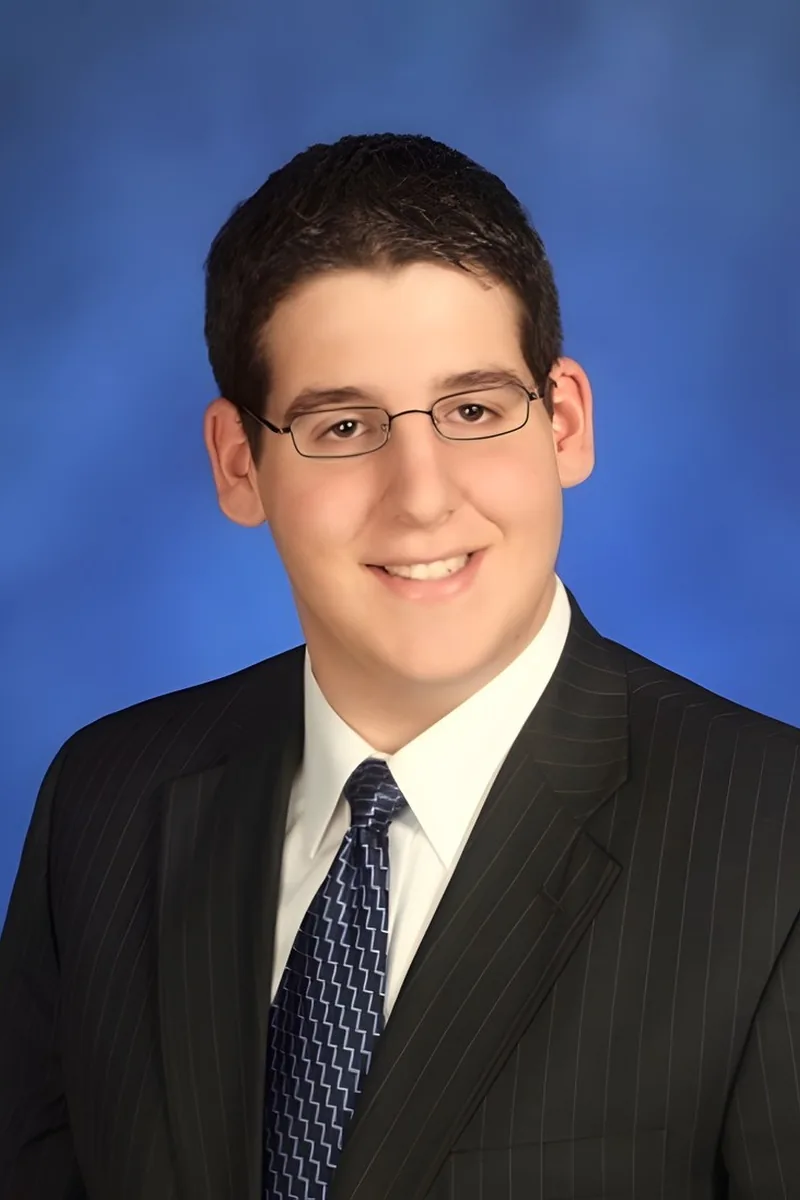
Environmental science and public policy might seem distant from microbiology, but Ethan's coursework in biology, chemistry, and ecology covered the microbial ecology and nutrient cycling that underpin environmental systems — how soil bacteria drive nitrogen fixation, how waterborne pathogens behave in different conditions, and why microbial communities matter for public health policy. That environmental angle gives him a unique way of explaining concepts like bacterial metabolism and population dynamics, grounding abstract processes in real-world ecological contexts. Holds a 5.0 rating.
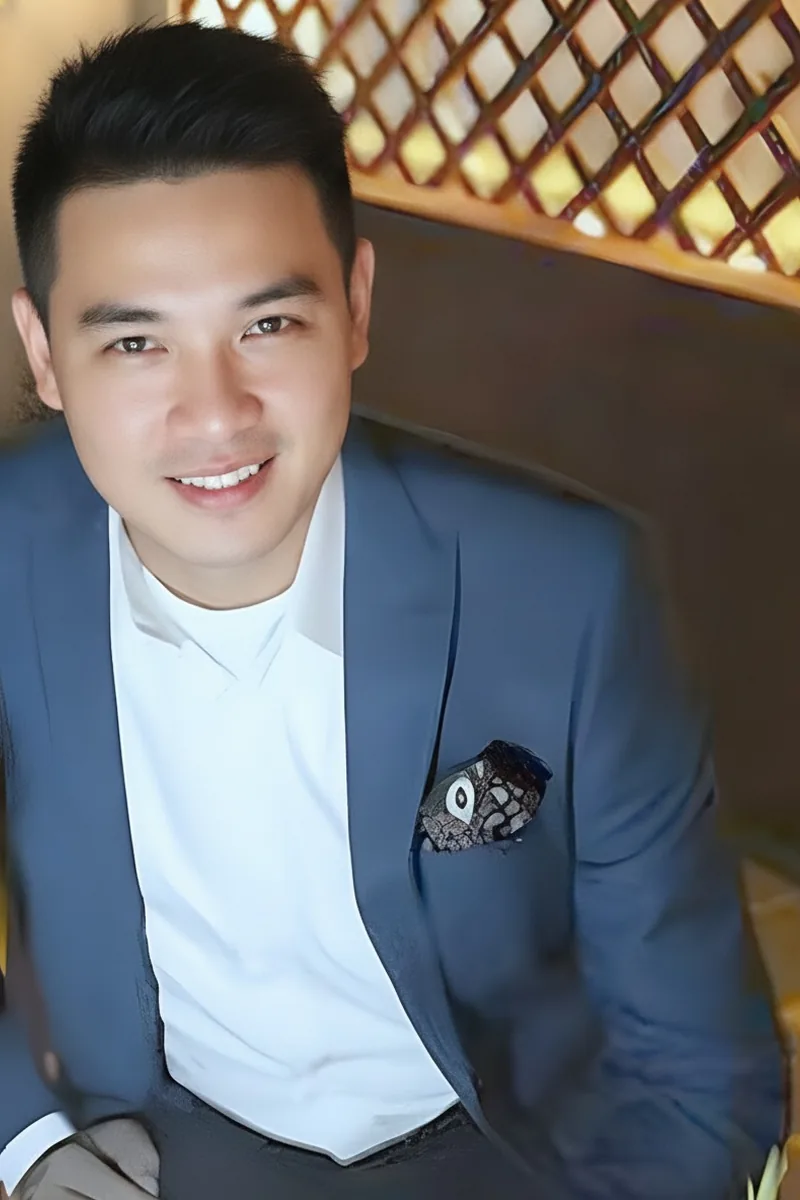
Infection, immunity, and antimicrobial resistance aren't abstract concepts for someone trained in medicine — Muhammad learned microbiology by applying it to real patient scenarios. He digs into bacterial classification, virulence factors, and lab techniques like Gram staining with the kind of clinical detail that makes organisms memorable instead of just another list to memorize.
Rachel's Master's in Food Technology and Processing involved extensive work with microbial growth, contamination pathways, and fermentation — the applied side of microbiology that textbooks often gloss over. She unpacks topics like bacterial cell structure, metabolic diversity, and pathogen identification by tying them to real laboratory and food safety contexts.
Sam's Yale degree in Molecular Biophysics and Biochemistry gave him deep exposure to the cellular and molecular mechanisms that microbiology courses demand — membrane transport, metabolic pathways, bacterial genetics, and immune response. He connects these topics to their biochemical underpinnings, which makes processes like quorum sensing or antibiotic resistance easier to understand at a mechanistic level rather than through rote memorization.
A Stanford Human Biology degree with a concentration in bioinformatics gave Matthew a computational angle on microbiology — he thinks about microbial populations in terms of gene expression data, genomic analysis, and the quantitative patterns underlying concepts like antibiotic resistance and pathogen evolution. That top-down, systems-level perspective is especially useful for students who struggle to see how individual topics like bacterial metabolism or viral replication fit into the bigger biological picture. Rated 4.9 by students.
An environmental biology degree means Andrew spent real time studying how microbial communities shape ecosystems — from soil bacteria driving decomposition to waterborne microorganisms cycling nutrients through aquatic systems. That ecological grounding lets him teach concepts like microbial metabolism and population dynamics by connecting them to the environmental processes students can actually visualize, rather than treating them as isolated textbook definitions.
Between her biology degree and her public health graduate work at UT, Anna has spent years immersed in the microbial world — from bacterial cell structure and Gram staining to viral replication cycles and host-pathogen interactions. She unpacks dense microbiology material by tying pathogens and immune responses to real epidemiological case studies.
Philosophy, Politics and Economics isn't the typical path into microbiology, but Noah's biology coursework gave him enough grounding in cellular processes to break down topics like prokaryotic structure and microbial growth curves for students encountering them for the first time. He takes a methodical, logic-driven approach — the kind his PPE training sharpened — to help untangle classification systems and keep bacterial phyla from blurring together.
As a biology major at Boston College, Andrew's coursework in cell biology and lab science gave him hands-on experience with the microbial world — bacterial structure, growth dynamics, and the metabolic differences that determine how organisms thrive in different environments. His parallel study of chemistry strengthens how he explains topics like cell membrane function and nutrient uptake at the molecular level, turning dense material into something students can actually reason through. Rated 5.0 by students.
Understanding microbiology means keeping dozens of organisms, metabolic pathways, and virulence mechanisms straight — and knowing when the differences actually matter. Jonathan's human biology training and pre-med preparation at Cornell gave him a clinical lens for bacterial genetics, host-pathogen interactions, and antimicrobial resistance that makes the material more intuitive than rote flashcard review.
A Stanford-trained biologist, Abhinav digs into microbiology topics like bacterial cell structure, metabolic pathways, and host-pathogen interactions with the detail they demand. He connects concepts across scales — linking molecular mechanisms like quorum sensing to broader outcomes like biofilm formation — so students see microbiology as a story rather than a catalog of organisms.
Josef's life sciences research at Cornell gave him hands-on familiarity with microbial systems, from bacterial cell structure and gram staining to pathogenic mechanisms and antibiotic resistance. He teaches microbiology by linking each organism's biology to its clinical or ecological significance, which makes classification and virulence factors far easier to retain.
As a second-year medical student with an undergraduate degree in Molecular, Cell, & Developmental Biology from UCLA, Vinay brings clinical context to microbiology topics like bacterial pathogenesis, viral replication cycles, and antimicrobial resistance mechanisms. He connects each organism's structure to its behavior — explaining *why* gram-negative bacteria respond differently to antibiotics, not just *that* they do. His pharmacology knowledge adds an extra layer for students studying micro in a pre-health context.
Studying chemistry at Vanderbilt gave Elsa a strong molecular-level lens for understanding microbial processes — from bacterial cell structure and metabolic pathways to mechanisms of antibiotic resistance. She approaches microbiology by connecting cellular machinery to the chemical reactions driving it, which makes topics like gram staining or viral replication cycles easier to retain.
This is Brian's home turf. As a PhD microbiologist and associate professor of the subject at Collin County Community College, he unpacks everything from bacterial gene expression and metabolic pathways to virology and immunological responses with the specificity that upper-level coursework demands. Students get someone who reads the primary literature daily and can translate it into clear, testable understanding.
Testimonials
Because the right Microbiology tutor makes all the difference.
Average Session Rating – Based on 3.4M Learner Ratings
Nearby Microbiology Tutors
Other Bridgeport Tutors
Related Science Tutors in Bridgeport
Frequently Asked Questions
Your first session is all about understanding your current level and goals. A tutor will assess which microbiology topics challenge you most—whether that's bacterial identification, metabolic pathways, or lab technique interpretation—and learn about your course requirements. This helps create a personalized plan focused on the areas where you need the most support, so you're not wasting time on concepts you've already mastered.
Absolutely. Tutors can help you understand experimental design, proper lab techniques, how to interpret results, and the reasoning behind each step in a procedure. Whether you're struggling with staining techniques, culture preparation, or analyzing microscopy observations, personalized instruction helps you develop both technical skills and the scientific thinking needed to troubleshoot problems in the lab.
Not at all—memorization is only a small part. Real microbiology mastery means understanding how microorganisms function, how they interact with their environment, and why certain conditions favor growth or inhibit it. Tutors help you connect concepts like metabolic pathways, antibiotic resistance, and immune responses to the bigger picture, so information sticks because you understand it, not just because you memorized it.
Microbiology deals with things too small to see with the naked eye, which makes it abstract and challenging. Tutors use diagrams, models, animations, and real-world examples to help you visualize bacterial cell walls, flagella movement, viral replication, and other microscopic processes. Breaking down these invisible structures into understandable pieces makes concepts like osmosis, diffusion, and pathogenesis much clearer.
Yes. Bridgeport has six school districts with varying microbiology curricula, and tutors are experienced working with different textbooks, pacing guides, and teaching approaches. Whether your school emphasizes clinical microbiology, environmental microbiology, or general microbiology principles, a tutor can adapt their instruction to match your specific course and help you excel on your particular exams or assignments.
Students often struggle with understanding microbial growth curves, interpreting microscopy images, grasping metabolic diversity, and applying concepts like antibiotic resistance to real-world scenarios. Many also find it hard to balance memorizing organism characteristics with understanding the 'why' behind microbial behavior. Personalized tutoring addresses these gaps by focusing on your specific weak points rather than generic review.
Beyond content knowledge, tutors help you develop scientific reasoning skills—how to design experiments, form hypotheses, interpret data, and troubleshoot unexpected results. These skills are essential for lab practicals, research projects, and advanced coursework. You'll learn to think like a microbiologist, not just memorize facts, which translates to better performance on conceptual questions and practical applications.
Pricing varies based on the tutor's expertise, your specific needs, and how frequently you meet. Whether you need intensive help before an exam or ongoing support throughout the semester, Varsity Tutors connects you with tutors whose rates fit your budget. Many students find that even a few sessions focused on their toughest topics makes a significant difference in their understanding and grades.
Let’s find your perfect tutor
Answer a few quick questions. We’ll recommend the right plan and match you with a top 5% tutor.