Award-Winning Biochemistry Tutors
serving Bridgeport, CT
Biochemistry
Tutors in Bridgeport
Private 1-on-1 tutoring, weekly live classes for academic support, test prep & enrichment, practice tests and diagnostics, and more to elevate grades and test scores.
Based on 3.4M Learner Ratings
UniversitiesSchools & Universities
DeliveredHours Delivered
ProficiencyGrowth in Proficiency
Who needs tutoring?
No obligation. Takes ~1 minute.
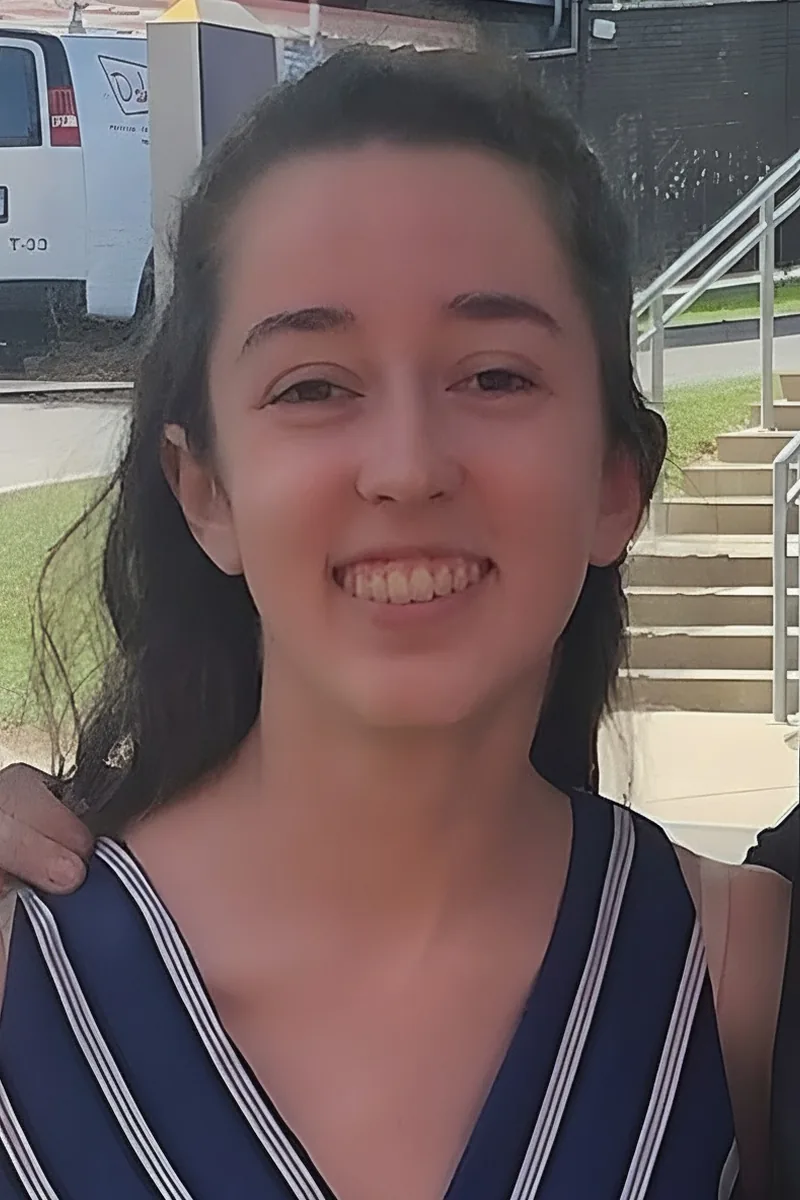
I am a senior at the University of New Haven working on a B.S. in Forensic Science-Biology with a Pre-Medical designation who hopes to go to medical school in the future. I am most passionate about biology and chemistry but have a strong personal interest in history, especially topics overlooked in the past study of history. To me, learning is a life long process and leads to the development of a well-rounded individual. Seeing understanding of a difficult topic and creating enthusiasm for learning is what draws me to tutoring.
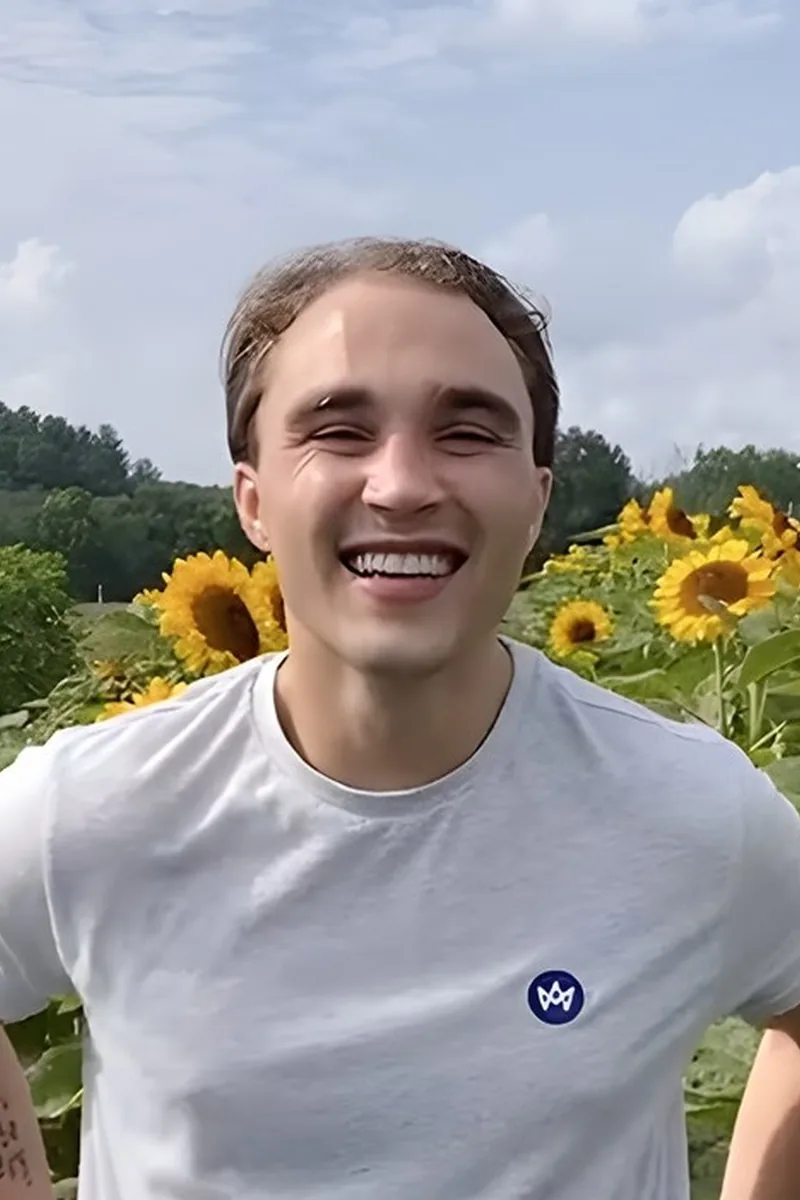
Noah's entire academic career orbits biochemistry. He earned a B.S.Chm in Biochemistry from Creighton and now conducts organic synthesis research in a medicinal chemistry PhD program at UConn, which means enzyme mechanisms, metabolic pathways, and protein structure aren't abstract diagrams — they're tools he uses in the lab every week. He unpacks topics like Michaelis-Menten kinetics and amino acid chemistry with the fluency of someone who thinks in those terms daily.
Rohan's economics training might seem distant from biochemistry, but econometrics and metabolic pathway analysis share a core skill — tracing how one variable's change cascades through an interconnected system. He applies that quantitative reasoning to topics like enzyme kinetics and metabolic regulation, breaking down rate equations and feedback loops with the same rigor he brings to economic models. Rated 4.9 by students.
Enzyme kinetics, metabolic pathways, amino acid chemistry — biochemistry sits right at the intersection of Umar's biology degree and his medical school coursework. He unpacks dense topics like the citric acid cycle or protein folding by tying each reaction to a physiological consequence, which makes the logic of the pathway easier to internalize than rote memorization ever could.
Enzyme kinetics, metabolic pathways, protein structure — biochemistry demands that students hold chemistry and biology in their heads simultaneously, which is exactly what medical school trains you to do daily. Jamie is currently at Sidney Kimmel Medical College and brings firsthand fluency with topics like Michaelis-Menten kinetics, amino acid chemistry, and the regulation of glycolysis and the citric acid cycle. He breaks down dense pathway diagrams into step-by-step logic that actually makes sense.
Few tutors can teach biochemistry from the perspective of someone who lived it at the graduate level. Dennis holds a Masters in Chemical and Physical Biology from Vanderbilt and an undergraduate degree in Biochemistry, so topics like enzyme kinetics, metabolic regulation, and protein structure are second nature. He walks through reaction mechanisms and pathway logic in a way that builds real understanding rather than rote memorization.
A chemistry degree from Rhodes College plus hands-on clinical internships — including work at Methodist Transplant Institute — means Eric has encountered biochemistry from both the bench and the bedside. He tackles topics like amino acid structure and metabolic regulation by walking through the underlying organic chemistry step by step, so reaction pathways read as logical progressions rather than disconnected diagrams.
Enzyme kinetics, metabolic pathways, protein structure–function relationships — Biochemistry sits at the intersection of biology and chemistry, and it demands comfort in both. Hunter earned his undergraduate degree in Biochemistry at Boston College and is continuing into a PhD at Duke, so he teaches topics like Michaelis-Menten kinetics and amino acid chemistry from years of hands-on experience rather than surface-level familiarity.
Zachary earned both his BS in Biology and a master's in Molecular Biology, which means he's traced biochemical pathways from two different altitudes — the broad cellular view and the granular molecular detail. That dual training comes through when he unpacks topics like lipid metabolism or allosteric enzyme regulation, building each concept from its chemical logic so the bigger metabolic map starts to make sense on its own.
Mitchell's neuroscience degree means he learned biochemistry through the brain's lens — tracing how neurotransmitter precursors feed into synthesis pathways, how ATP production keeps neurons firing, and how lipid biochemistry shapes every membrane in the nervous system. That background lets him teach topics like oxidative phosphorylation and amino acid metabolism by connecting each reaction to the cellular machinery that depends on it.
Studying biochemistry at Penn as part of a pre-health track, Shayan lives in the world of enzyme kinetics, metabolic pathways, and protein structure daily. He breaks down dense topics like the citric acid cycle or amino acid chemistry using visual analogies and step-by-step logic that make the connections between reactions stick long after the session ends.
Enzyme kinetics, metabolic pathways, protein structure — biochemistry demands that students think simultaneously about chemistry and biology, which is exactly how Nathaniel trained. His degree in biochemistry and his MCAT preparation mean he can walk through everything from Michaelis-Menten plots to amino acid properties with the depth a college-level course requires.
Teaching organic chemistry recitation at the University of Kentucky while simultaneously navigating medical school gives Jason an unusually current grasp of biochemistry — he's actively working through the same metabolic regulation, amino acid structures, and enzyme mechanisms his students encounter. His biology degree and MCAT preparation anchor the molecular details, while his med school training shows him how those details play out in living systems. Rated 5.0 by students.
Claire's chemistry degree and incoming medical school training at the University of Illinois College of Medicine mean she's worked through biochemistry from both the bench and the clinical side — enzyme mechanisms, metabolic regulation, and the molecular logic connecting organic chemistry to living systems. She breaks down dense pathways like the citric acid cycle or amino acid catabolism by mapping each step back to the underlying reaction chemistry, so students can reconstruct a pathway from principles instead of flashcards. Rated 5.0 by students.
Testimonials
Because the right Biochemistry tutor makes all the difference.
Average Session Rating – Based on 3.4M Learner Ratings
Practice Biochemistry
Free practice tests, flashcards, and AI tutoring for Biochemistry
Nearby Biochemistry Tutors
Other Bridgeport Tutors
Related Science Tutors in Bridgeport
Frequently Asked Questions
Biochemistry combines chemistry and biology in ways that require understanding both molecular structures and biological systems—a challenge many students struggle with. Common pain points include balancing complex chemical equations, visualizing how molecules interact at the cellular level, and connecting abstract concepts like enzyme kinetics to real-world metabolic processes. Personalized 1-on-1 instruction helps break down these interconnected topics so concepts click rather than feel like isolated facts to memorize.
Beyond classroom lectures, Biochemistry labs require you to apply scientific reasoning, troubleshoot experimental procedures, and interpret data—skills that benefit greatly from personalized guidance. Tutors can help you understand the 'why' behind lab protocols, predict outcomes based on biochemical principles, and develop stronger scientific thinking skills that translate directly to better lab performance. This approach builds confidence both in the lab and on exams.
Understanding biochemical concepts is far more valuable than memorization alone—it's the foundation for solving novel problems and retaining knowledge long-term. While Biochemistry does involve learning metabolic pathways and molecular structures, the goal is to grasp how and why these systems work, not just recall them. Personalized tutoring emphasizes conceptual understanding through real-world applications, helping you build a mental framework that makes the subject feel coherent rather than overwhelming.
Your first session focuses on understanding your current level, learning goals, and specific challenges—whether that's enzyme mechanisms, protein folding, or connecting biochemical pathways to cellular function. The tutor will assess what concepts are solid and where gaps exist, then create a personalized plan tailored to your needs and timeline. This foundation ensures every session afterward builds on what works best for your learning style.
Biochemistry relies heavily on visualizing molecules, reaction mechanisms, and cellular processes that exist at scales impossible to see directly. Expert tutors use diagrams, molecular models, animations, and step-by-step walkthroughs to make abstract concepts tangible and easier to grasp. This visual and spatial approach helps you build mental models of how biochemical systems work, making complex topics like protein synthesis or electron transport chains feel much more intuitive.
With an average student-teacher ratio of 13.6:1 across Bridgeport's schools, classroom instruction often can't address individual learning gaps in a subject as complex as Biochemistry. Personalized 1-on-1 instruction allows you to move at your own pace, dive deeper into challenging topics, and ask questions without time pressure. Varsity Tutors connects you with expert tutors who can adapt their teaching to your specific needs, helping you build mastery rather than just keeping up.
Biochemistry exams test both conceptual understanding and problem-solving skills—balancing equations, predicting reaction outcomes, and explaining biochemical processes. Tutors help you practice with exam-style questions, identify weak areas before test day, and develop strategies for tackling complex multi-step problems. This targeted preparation builds confidence and helps you apply what you've learned rather than just relying on last-minute cramming.
Look for tutors with strong backgrounds in both chemistry and biology, ideally with experience teaching or tutoring Biochemistry specifically. They should be able to explain concepts clearly, connect theory to real-world applications, and adapt their approach based on how you learn best. Varsity Tutors connects you with expert tutors who have proven expertise in Biochemistry and a track record of helping students master challenging material.
Let’s find your perfect tutor
Answer a few quick questions. We’ll recommend the right plan and match you with a top 5% tutor.