Award-Winning Biochemistry Tutors
serving New Haven, CT
Biochemistry
Tutors in New Haven
Private 1-on-1 tutoring, weekly live classes for academic support, test prep & enrichment, practice tests and diagnostics, and more to elevate grades and test scores.
Based on 3.4M Learner Ratings
UniversitiesSchools & Universities
DeliveredHours Delivered
ProficiencyGrowth in Proficiency
Who needs tutoring?
No obligation. Takes ~1 minute.
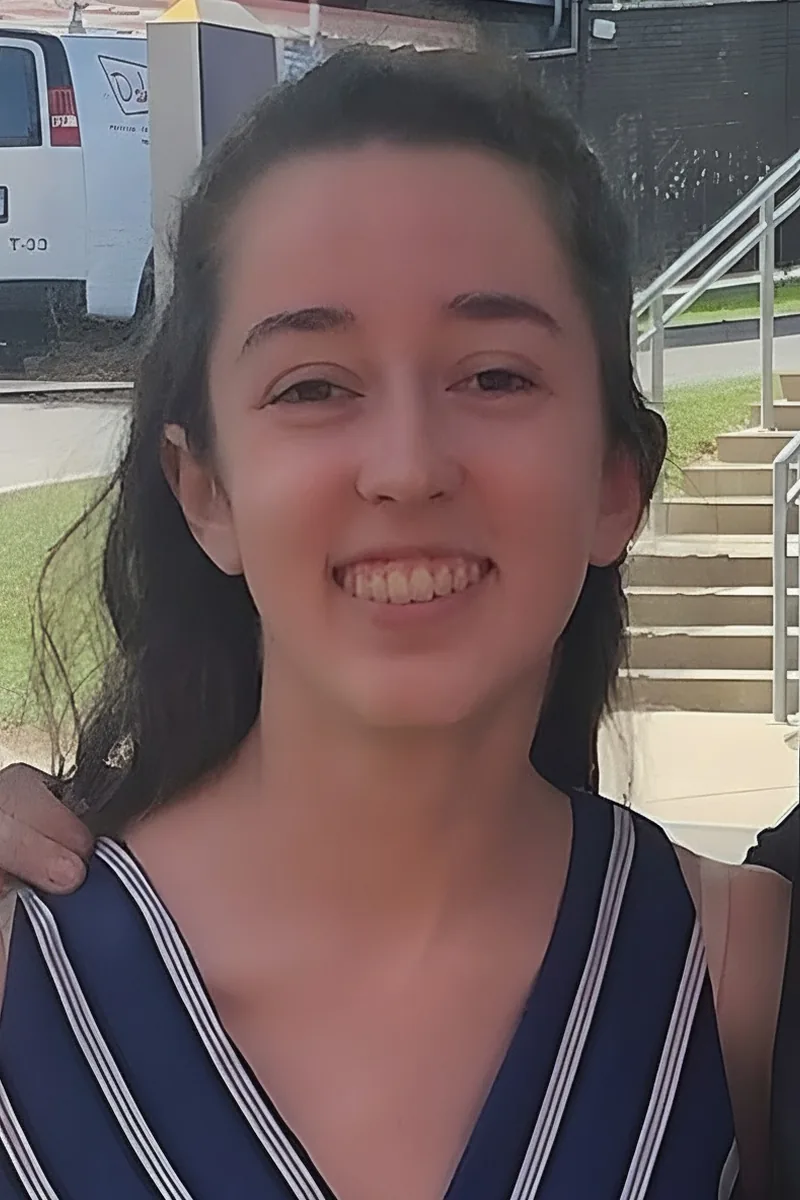
I am a senior at the University of New Haven working on a B.S. in Forensic Science-Biology with a Pre-Medical designation who hopes to go to medical school in the future. I am most passionate about biology and chemistry but have a strong personal interest in history, especially topics overlooked in the past study of history. To me, learning is a life long process and leads to the development of a well-rounded individual. Seeing understanding of a difficult topic and creating enthusiasm for learning is what draws me to tutoring.
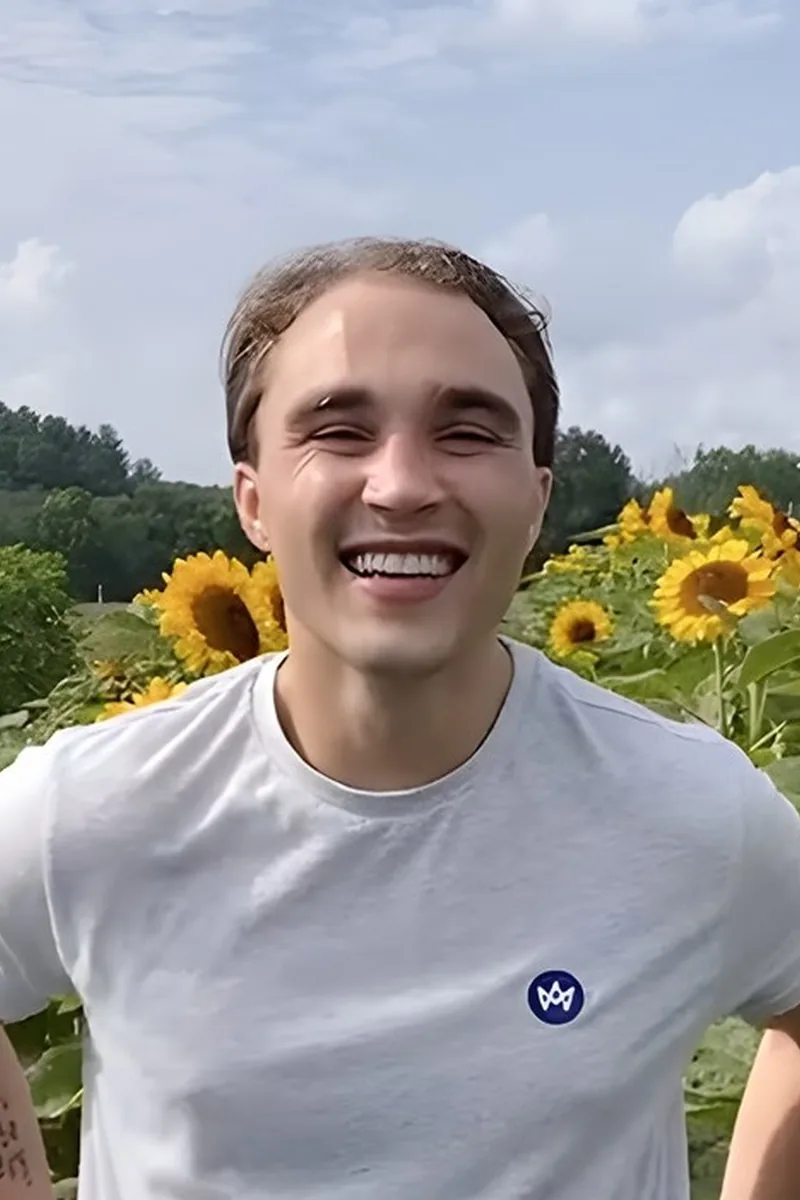
Noah's entire academic career orbits biochemistry. He earned a B.S.Chm in Biochemistry from Creighton and now conducts organic synthesis research in a medicinal chemistry PhD program at UConn, which means enzyme mechanisms, metabolic pathways, and protein structure aren't abstract diagrams — they're tools he uses in the lab every week. He unpacks topics like Michaelis-Menten kinetics and amino acid chemistry with the fluency of someone who thinks in those terms daily.
Enzyme kinetics, metabolic pathways, protein structure, nucleic acid chemistry — biochemistry demands that students hold molecular detail and big-picture logic in their heads simultaneously. Sugi graduated summa cum laude with a biochemistry degree from Rice and now applies that knowledge daily in medical school at Baylor. She teaches each pathway as a narrative with clear inputs, outputs, and regulatory checkpoints rather than a list to memorize.
Enzyme kinetics, metabolic pathways, and protein structure all demand a kind of thinking that sits right at the intersection of biology and chemistry — exactly where Jhonatan's neuroscience training lives. He unpacks topics like Michaelis-Menten kinetics and amino acid chemistry by connecting molecular details to the larger biological question of why a cell needs this reaction in the first place. Rated 5.0 by students.
Matt's graduate work in human nutrition required him to trace every major metabolic pathway from the molecular level up — how macronutrients get broken down, shuttled through the citric acid cycle, and ultimately converted to usable energy. That nutritional biochemistry lens means he teaches topics like lipid metabolism and amino acid catabolism with a constant eye on physiological context, making reaction sequences feel purposeful rather than arbitrary. Holds a 5.0 rating.
Enzyme kinetics, metabolic pathways, protein structure — biochemistry asks students to think in three dimensions and across multiple reaction steps simultaneously. Kimanthi's biomedical engineering degree and graduate work in biomedical sciences gave her daily exposure to these concepts in both classroom and lab settings. She breaks down mechanisms like glycolysis and oxidative phosphorylation into logical sequences rather than memorization marathons.
Enzyme kinetics, metabolic pathways, protein folding — biochemistry sits at the intersection of biology and chemistry, and Zachary holds a degree in exactly that. He digs into the molecular logic behind processes like glycolysis and the citric acid cycle, connecting reaction mechanisms to the bigger physiological picture so the details actually stick.
As a genetics major on the pre-med track, Jaya lives in the world of biochemistry — amino acid structures, enzyme kinetics, metabolic pathways, and the molecular logic connecting DNA to protein function. She's currently preparing for the MCAT's biological and chemical foundations sections, which means this material is fresh and actively in her working memory. She unpacks complex pathways like glycolysis and the citric acid cycle by emphasizing the *why* behind each step rather than demanding rote memorization.
Enzyme kinetics, metabolic pathways, protein structure — biochemistry sits at the intersection of biology and chemistry, and it punishes students who try to memorize without understanding the underlying logic. Oliver earned his B.A. in Biochemistry at CU Boulder with a chemistry minor, giving him the dual lens needed to explain why Michaelis-Menten curves behave the way they do or how amino acid properties dictate protein folding.
Enzyme kinetics, metabolic pathways, amino acid chemistry — biochemistry asks students to think like both a biologist and a chemist simultaneously. Ivan's background spanning cognitive science and the biological sciences, plus his MCAT teaching experience, means he can unpack reaction mechanisms and protein structure in ways that connect molecular detail to bigger physiological stories.
Medical school with a focus on infectious diseases means Grant thinks about biochemistry in terms of host-pathogen interactions — how bacteria hijack metabolic machinery, why certain enzyme targets make effective drug sites, and what happens to energy metabolism during sepsis. His biochemistry degree and MD training let him teach topics like amino acid pathways and enzyme inhibition by connecting each mechanism to the microbiology that brings it to life.
Neuroscience majors don't just memorize biochemistry — they depend on it, and Janki's coursework at Kentucky meant tracing every concept from neurotransmitter metabolism to oxidative phosphorylation back to the underlying chemical logic. She teaches topics like enzyme regulation and pathway energetics by building each mechanism piece by piece, so students can predict what happens next in a pathway instead of relying on rote recall. Rated 4.8 by students.
This is Gabriel's home turf. His Bachelor of Science in Biochemistry from Texas A&M means he spent years immersed in enzyme kinetics, metabolic pathways, protein structure, and molecular interactions — and he can explain the difference between competitive and noncompetitive inhibition as clearly as he can walk through the citric acid cycle. Students get someone who genuinely enjoys the subject and knows where the exam traps hide.
Four years of medical school gave Amanda a particular edge with the biochemistry that underpins clinical reasoning — she's internalized how disruptions in lipid metabolism or glycogen storage pathways manifest as actual disease states. Her biology degree and public health training add breadth, letting her teach topics like nucleotide biosynthesis or enzyme regulation by zooming out to the physiological stakes behind each reaction. Rated 4.7 by students.
Testimonials
Because the right Biochemistry tutor makes all the difference.
Average Session Rating – Based on 3.4M Learner Ratings
Practice Biochemistry
Free practice tests, flashcards, and AI tutoring for Biochemistry
Nearby Biochemistry Tutors
Other New Haven Tutors
Related Science Tutors in New Haven
Frequently Asked Questions
Biochemistry tutoring covers the structure and function of biological molecules (proteins, carbohydrates, lipids, nucleic acids), enzyme kinetics, metabolic pathways like glycolysis and the citric acid cycle, cellular respiration, photosynthesis, and DNA/RNA synthesis. Tutors also help students understand how these molecular processes connect to real-world applications in medicine, nutrition, and disease, moving beyond memorization to genuine comprehension of how life works at the chemical level.
Your first session is an opportunity to discuss your current challenges, whether that's understanding enzyme mechanisms, balancing complex biochemical equations, or visualizing molecular structures. The tutor will assess your background knowledge and learning style, then work with you to create a personalized plan that targets your specific needs—whether you need help preparing for exams, completing lab reports, or building deeper conceptual understanding.
Many students struggle with the mechanical process of balancing equations and tracking moles and concentrations. Tutors break this down into manageable steps, helping you understand the logic behind balancing rather than just memorizing patterns. With guided practice and feedback, you'll develop the systematic approach needed to tackle increasingly complex equations and unit conversions with confidence.
Biochemistry involves molecules and processes you can't see directly, which makes it challenging for many students. Expert tutors use multiple strategies—drawing molecular structures, using analogies to familiar systems, working with 3D models, and connecting abstract pathways to concrete examples like how your body digests food. This multi-sensory approach helps concepts stick and makes it easier to apply knowledge to new problems.
Yes. Tutors help you understand the scientific reasoning behind experiments, interpret lab results, and connect your observations back to biochemical theory. Whether you're preparing for lab practicals, analyzing data, or writing lab reports, personalized instruction ensures you're not just following procedures but truly understanding the biochemistry at work and how to think like a scientist.
No—and that's actually why many students struggle. While there are facts to know, true biochemistry mastery requires understanding mechanisms, predicting outcomes, and applying concepts to new situations. Tutors focus on building conceptual understanding first, which makes memorization easier and more meaningful. You'll learn to think through problems rather than just recall information, which is essential for exams and real-world applications.
Varsity Tutors connects you with expert tutors who have strong backgrounds in chemistry and biology and understand how to teach biochemistry effectively. When you get matched with a tutor, you'll have someone who can explain complex concepts clearly, help you work through challenging problem sets, and adapt their teaching to your learning style—all personalized to your specific goals and timeline.
Many students see meaningful progress within 3-4 weeks of consistent tutoring, especially when they move from confusion to understanding core concepts. Your timeline depends on your starting point, how frequently you meet, and how actively you engage with the material between sessions. Regular practice combined with personalized instruction helps reinforce concepts and builds the problem-solving skills you need to succeed.
Let’s find your perfect tutor
Answer a few quick questions. We’ll recommend the right plan and match you with a top 5% tutor.