Award-Winning Microbiology Tutors
serving Denver, CO
Microbiology
Tutors in Denver
Private 1-on-1 tutoring, weekly live classes for academic support, test prep & enrichment, practice tests and diagnostics, and more to elevate grades and test scores.
Based on 3.4M Learner Ratings
UniversitiesSchools & Universities
DeliveredHours Delivered
ProficiencyGrowth in Proficiency
Who needs tutoring?
No obligation. Takes ~1 minute.
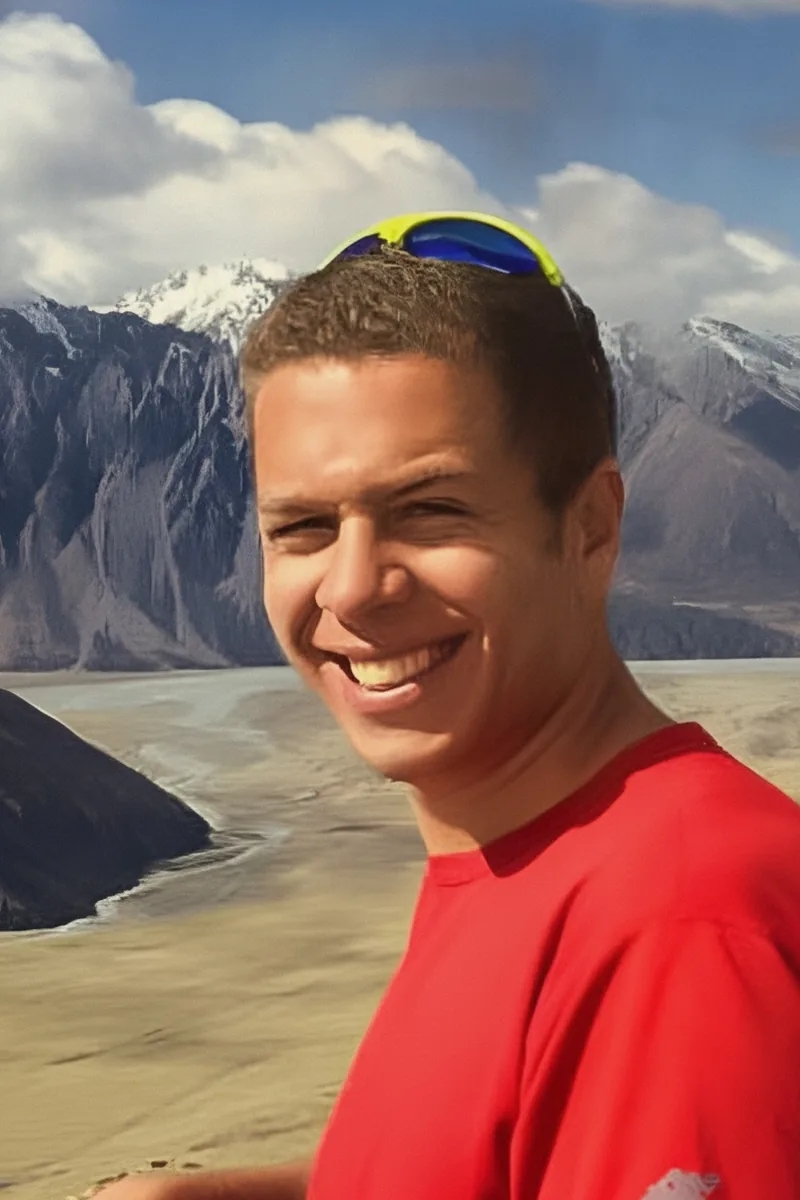
Keeping bacterial classification, viral replication cycles, and immune responses straight requires a framework, not just flashcards. Oliver's background in MCD Biology and Biochemistry at CU Boulder gives him a molecular-level understanding of how microorganisms function, which he uses to break down topics like gram staining differences, biofilm formation, and pathogenesis in ways that actually stick.
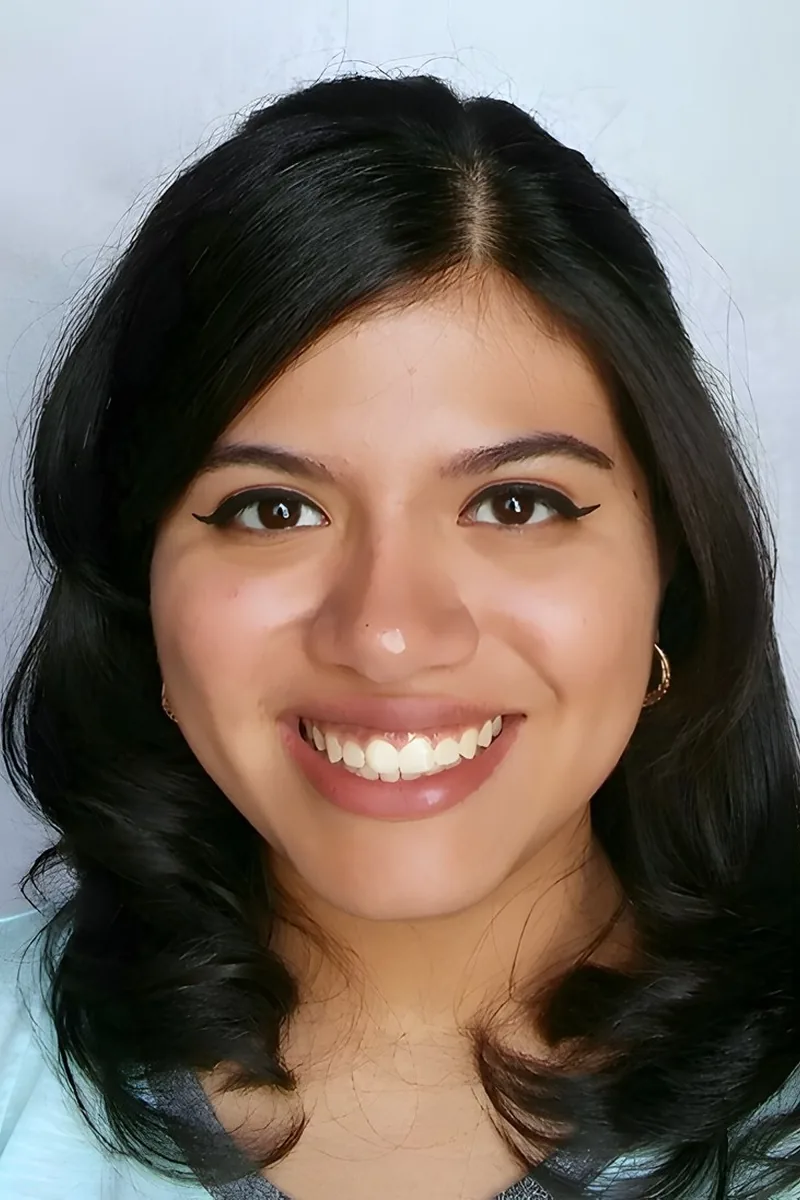
I am a undergraduate student who is willing to help other students in subjects that they may be experiencing difficulties in.
Daniel earned his bachelor's degree in microbiology before completing dental school, giving him deep familiarity with bacterial morphology, metabolic pathways, and host-pathogen interactions. He approaches topics like gram staining protocols and viral replication cycles with the kind of specificity that turns a dense subject into something students can reason through rather than just memorize.
Haley's day job in a public health laboratory gives her hands-on experience with the bacterial cultures, staining techniques, and antimicrobial susceptibility testing that microbiology courses cover in theory. She brings real bench context to topics like gram-negative vs. gram-positive classification, metabolic pathways, and pathogenesis — turning textbook organisms into something tangible. Rated 5.0 by students.
Keeping bacterial classification, virulence factors, and immune evasion strategies straight requires a system, not just flashcards. As a medical student at the Medical College of Wisconsin, Abrahim deals with microbiology in a clinical context daily — he teaches students to organize pathogens by mechanism of action and host response, which makes exam recall far more reliable.
Between his biochemistry degree from Rice and his medical school training, Sanjay has spent years immersed in the microbial world — bacterial cell structure, pathogenic mechanisms, antimicrobial resistance, and the metabolic pathways that distinguish different organisms. He connects microbiology concepts to clinical scenarios, which makes memorizing genera, gram stain results, and virulence factors far more intuitive.
Her global health minor at Cornell meant Emily spent real time studying how pathogens spread, how immune responses work, and why microbial ecology matters beyond the lab. She digs into topics like bacterial cell structure, viral replication cycles, and antimicrobial resistance with the kind of context that makes memorization-heavy material more intuitive.
Bacterial classification, viral replication cycles, and host-pathogen interactions are central to both microbiology coursework and clinical medicine. As a medical student at UMKC, Evelyn encounters these concepts in a clinical context every week, which means she can explain the difference between gram-positive and gram-negative organisms — or how antibiotic resistance develops — with real diagnostic scenarios in mind.
Understanding bacterial metabolism, viral replication cycles, and immune response pathways requires more than memorizing diagrams — it requires seeing how microorganisms interact with living systems. Li's training in both speech-and-hearing science and medicine gives her a clinical lens that makes microbiology concepts feel relevant and interconnected.
This is Brian's home turf. As a PhD microbiologist and associate professor of the subject at Collin County Community College, he unpacks everything from bacterial gene expression and metabolic pathways to virology and immunological responses with the specificity that upper-level coursework demands. Students get someone who reads the primary literature daily and can translate it into clear, testable understanding.
Bacterial morphology, Gram staining techniques, viral replication cycles — microbiology throws a lot of vocabulary at students before asking them to think critically about pathogenesis and immune response. Ade's biology degree gives him the foundation to break down these interconnected systems and show how individual microorganisms actually behave in clinical and environmental contexts.
Rashida's PhD in Cellular and Molecular Biology means she teaches microbiology from the inside out — starting at the level of gene regulation, membrane transport, and molecular signaling before zooming out to how microorganisms behave in populations. Her doctoral research and experience leading discussions in cell biology and Mendelian genetics give her a particular knack for explaining how bacteria acquire and express resistance genes, or how horizontal gene transfer reshapes microbial communities. Rated 5.0 by students.
As a fourth-year medical student at Thomas Jefferson University, Anshel has spent years immersed in bacterial pathogenesis, antimicrobial mechanisms, and the clinical consequences of infections that microbiology courses describe in the abstract. He connects concepts like gram staining, virulence factors, and antibiotic resistance to the patient scenarios that make them memorable. That clinical lens turns dense microbiology material into something students can actually reason through on exams.
Between her molecular biology degree and her current biomedical science graduate program, Sierra has spent years working with bacterial physiology, microbial genetics, and host-pathogen interactions. She explains dense topics like gram staining protocols, metabolic pathways, and antimicrobial resistance mechanisms by tying them back to real clinical and research scenarios that make the material stick.
Testimonials
Because the right Microbiology tutor makes all the difference.
Average Session Rating – Based on 3.4M Learner Ratings
Nearby Microbiology Tutors
Other Denver Tutors
Related Science Tutors in Denver
Frequently Asked Questions
Microbiology involves visualizing processes happening at scales invisible to the naked eye, which makes it challenging to grasp intuitively. Personalized tutoring helps by breaking down complex structures—like flagella, pili, and membrane proteins—into digestible components, often using visual aids, 3D models, and real-world examples. A tutor can connect abstract concepts to practical applications, such as how antibiotic resistance occurs at the molecular level, making the material more concrete and memorable.
Yes. Beyond lecture material, microbiology requires proficiency with lab techniques like culturing, staining, microscopy, and aseptic procedures. Personalized 1-on-1 instruction can help you understand the scientific reasoning behind each technique—why you use specific media, how to interpret results, and how to troubleshoot when experiments don't go as planned. This bridges the gap between knowing concepts and applying them hands-on in the lab.
Memorizing hundreds of microorganisms, diseases, and mechanisms is ineffective without understanding underlying principles. Expert tutors focus on helping you identify patterns—like how certain bacteria cause disease through specific toxins, or how immune responses work against different pathogens. By learning the "why" behind the facts, you'll retain information longer and be able to apply knowledge to new scenarios on exams and in future studies.
Students often find microbial genetics, metabolic pathways, and immunology particularly challenging because they require integrating multiple concepts simultaneously. Additionally, balancing chemical equations for microbial reactions and converting between units (CFU counts, concentrations) trip up many learners. For Denver students working with Denver Public Schools and other local districts, personalized tutoring can address your specific curriculum while building strong foundational skills in microbial physiology and molecular biology.
Tutoring goes beyond reviewing material—it focuses on developing scientific reasoning skills you'll need to answer application-based questions. Tutors help you practice analyzing unknown scenarios, interpreting experimental data, and connecting microbiology concepts to real-world problems like disease outbreaks or fermentation processes. This approach builds confidence and performance on exams that test understanding rather than pure memorization.
Varsity Tutors connects you with tutors who have expertise in microbiology and understand Denver-area curriculum standards. The matching process considers your specific needs—whether you're in AP Biology, a college microbiology course, or preparing for health professions prerequisites—and pairs you with a tutor whose teaching style fits your learning preferences. You can start with personalized 1-on-1 instruction tailored to your goals.
Personalized tutoring with Varsity Tutors is flexible and can be arranged around your schedule. Whether you need help before an exam, ongoing support throughout the semester, or intensive preparation for a specific topic, you can work with a tutor at times that work best for you. This flexibility makes it easier to balance tutoring with your classes, lab requirements, and other commitments as a student in Denver.
Let’s find your perfect tutor
Answer a few quick questions. We’ll recommend the right plan and match you with a top 5% tutor.