Award-Winning AP Chinese Language and Culture Tutors
serving Santa Clarita, CA
AP Chinese Language and Culture
Tutors in Santa Clarita
Private 1-on-1 tutoring, weekly live classes for academic support, test prep & enrichment, practice tests and diagnostics, and more to elevate grades and test scores.
Based on 3.4M Learner Ratings
UniversitiesSchools & Universities
DeliveredHours Delivered
ProficiencyGrowth in Proficiency
Who needs tutoring?
No obligation. Takes ~1 minute.
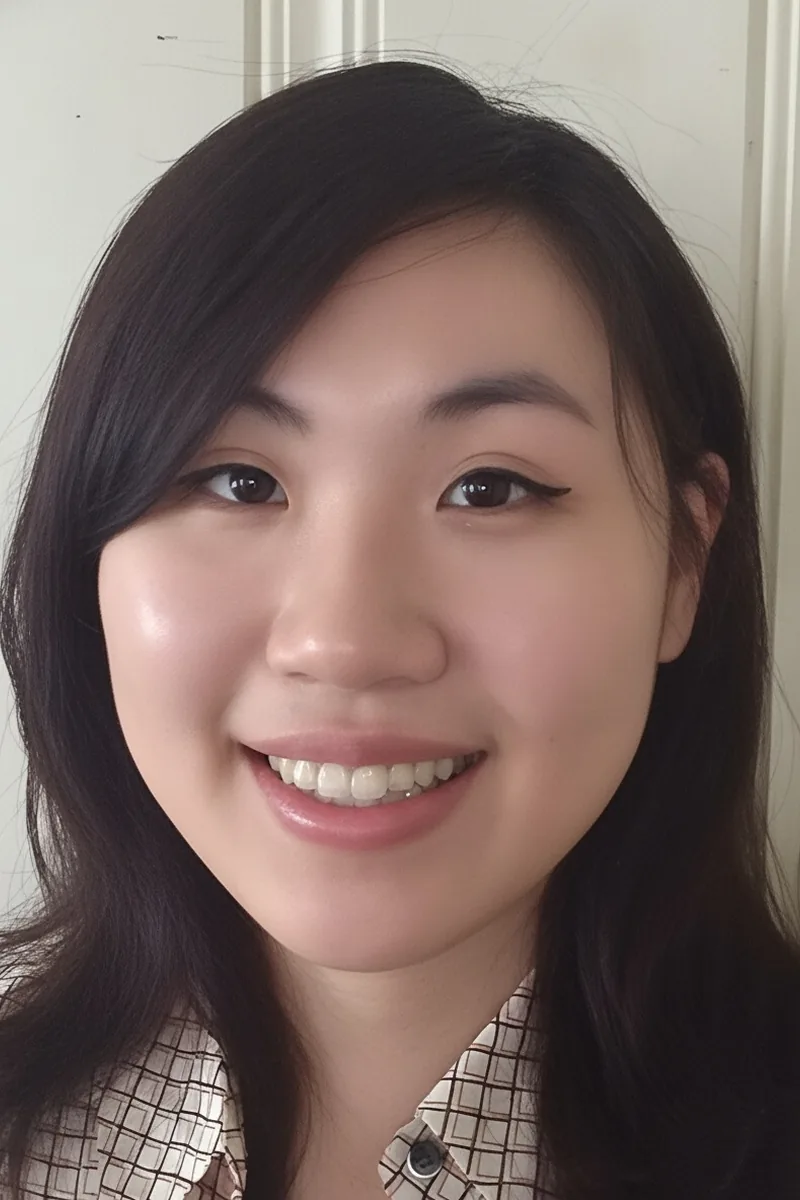
A molecular biology degree from UC Berkeley might seem unrelated to AP Chinese, but Caroline's background teaching Mandarin across four levels — plus her fluency in the language — means she knows how to bridge the gap between conversational Mandarin and the formal, academic register the exam's interpretive reading and listening sections demand. She's particularly effective at coaching students through the exam's interpersonal tasks, where her experience mentoring K-12 students in Oakland translates into patient, structured practice that builds confidence under timed conditions. Rated 5.0 by students.
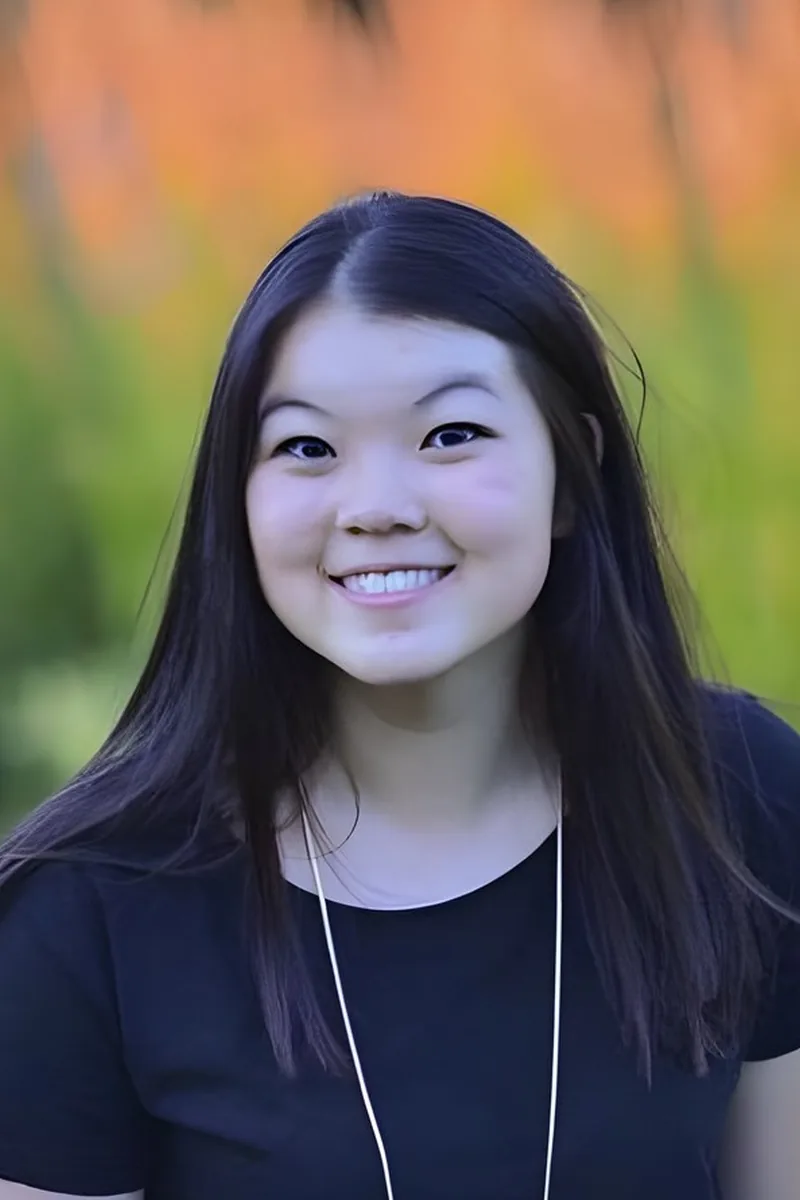
The AP Chinese exam's cultural comparison essays reward students who can draw on genuine cross-cultural experience — and as a Mandarin Chinese speaker studying at the University of Minnesota, Amy lives that dual perspective daily. She also teaches across multiple Mandarin levels, so she can identify gaps in a student's formal written register or listening comprehension and target those specific weaknesses before exam day.
Eric teaches across three levels of Mandarin Chinese and coaches AP Chinese Language and Culture with a particular edge on the interpersonal speaking tasks, where his conversational fluency and 36 ACT verbal instincts help students think on their feet during timed prompts. His biomedical engineering coursework at Duke also means he can introduce technical and academic vocabulary that gives cultural comparison essays unexpected depth — discussing China's healthcare system, STEM education culture, or scientific collaboration norms rather than recycling the same festival examples every other student writes about.
The AP Chinese exam tests far more than vocabulary recall — it demands cultural knowledge, formal register in writing, and the ability to compare Chinese and American perspectives in presentational speaking. Daniel, who has studied Mandarin through advanced levels, breaks down each exam section so students know exactly what the graders are looking for in their responses.
Jess studies public policy and peace, war, and defense at UNC Chapel Hill — a program steeped in the kind of geopolitical and diplomatic context that gives AP Chinese cultural comparison essays real substance instead of generic observations. She speaks Mandarin conversationally and teaches it across multiple levels, so she can coach students on bridging the gap between everyday spoken Chinese and the formal presentational writing register the exam actually scores.
Jing teaches across all four levels of Mandarin Chinese and brings a computer engineering student's systematic mindset to AP Chinese prep — building targeted drills for the listening comprehension passages where students need to process rapid, formal Mandarin in real time. Her 5.0 rating and perfect GPA at Rutgers suggest the same discipline she applies to coaching the exam's presentational speaking prompts, where clear tonal control and organized delivery under time pressure make the difference between a 4 and a 5.
After a decade teaching middle schoolers in a Chinese immersion school in California, Ruth knows exactly where students' spoken Mandarin starts to buckle under the pressure of timed AP tasks — especially the presentational speaking prompts that demand formal structure and clear tonal precision on the fly. She also taught History and Theater entirely in Chinese, which means her students get exposure to the kind of cross-disciplinary cultural vocabulary that the exam's reading and listening passages actually test. Rated 5.0 by students.
The AP Chinese Language and Culture exam uniquely blends language proficiency with cultural comparison, asking students to present on practices and perspectives across Chinese-speaking communities. Christina's Mandarin instruction spans beginner through advanced levels, giving her a clear sense of where students' gaps tend to hide — whether it's measure words, aspect markers, or the formal tone the exam's interpersonal writing section expects. She builds targeted practice around the exam's six themes so students aren't just fluent but exam-ready.
Growing up as a native Mandarin speaker and now studying computer science at Georgia Tech, Caleb brings an analytical mindset to the AP Chinese exam's listening comprehension section — breaking down how to process rapid formal Mandarin by isolating key structural cues rather than trying to translate every word. He's especially useful for students who speak conversational Mandarin at home but struggle with the exam's academic register and the presentational speaking prompts that demand organized, formal delivery under time pressure.
Ten years teaching Mandarin in public schools — from absolute beginners through AP — means Paulkey has watched hundreds of students hit the same walls on the AP Chinese exam, especially the interpersonal response tasks where students freeze up trying to produce spontaneous, culturally appropriate Mandarin in real time. He pairs that classroom experience with a computer science background that makes his prep unusually structured: timed drills, systematic vocabulary review, and targeted practice on the listening comprehension passages that reward quick processing over perfect translation.
Having scored on the SAT Subject Test in Chinese with Listening, Florence brings firsthand experience with the kind of language proficiency AP Chinese demands — from interpreting spoken passages to crafting written responses using appropriate registers. She knows which cultural comparison prompts tend to trip students up and how to structure presentational writing that earns top marks.
Throughout the ages, the religious and philosophical leaders of the Far East considered teaching the noblest occupation-- one of true wisdom and selflessness. Having had the great fortune to experience the transformative power of wonderful teachers, I've come to agree with this viewpointI've found my calling in education. I haven't always known that teaching was the vocation for me. Even though I've always taught, on some level, as a T.A., a private tutor, a classroom teacher, or a friend, I tried different jobs in the private sector for several years. However, upon much introspectionmy own enlightenmentI realized that teaching is my true calling. I have a passion for teaching, which is unmatched by any other field. Why do I teach? I teach because I know that I will learn something new from each teaching experience, with every student, with every day, without exception, and because this path is one that I know is beneficial to others and to society as a whole. I teach, because I believe I can do it well. I approach the job with a balance of both diligence and patience, and confidence and humility, with extreme focus and an open mind. I am very patient, which is incredibly important, because learning takes time and involves challenges. When I teach I project a sense of confidence, because as a lifelong perfectionist, I really do my homework! Before each lesson, I make sure I am thoroughly prepared so that I can teach lucidly and coherently and know how to anticipate questions and readily answer them. My confidence helps establish my authority in the classroom. I also strive to make what I teach relevant to my students' lives by drawing on my experiences as a student and teacher. I strive to be an educator like my own favorite teachersa teacher who is passionate about and has profound knowledge of his specialty, who believes in the unparalleled importance of education, and who inspires his students with his devotion.
The cultural presentation component of AP Chinese Language and Culture catches many students off guard because it requires genuine knowledge of Chinese traditions, geography, and social customs — not just language proficiency. Christine grew up in Shanghai and brings firsthand cultural context to topics like festival traditions, family structures, and regional differences that students need for both the exam and the interpersonal tasks. Her native fluency means she can coach pronunciation and tonal accuracy in real time.
Testimonials
Because the right AP Chinese Language and Culture tutor makes all the difference.
Average Session Rating – Based on 3.4M Learner Ratings
Nearby AP Chinese Language and Culture Tutors
Other Santa Clarita Tutors
Related Languages Tutors in Santa Clarita
Frequently Asked Questions
Varsity Tutors matches Santa Clarita students with expert AP Chinese Language and Culture tutors for 1-on-1 instruction. We pair each student with a tutor based on their specific needs, learning style, and goals.
Whether you need homework help, exam prep, or want to get ahead, our AP Chinese Language and Culture tutors are ready to help.
Common challenges include gaps from earlier material, difficulty with specific concepts, and trouble applying learning to new problems. These issues can snowball quickly in AP Chinese Language and Culture.
A tutor identifies where you're stuck, fills in gaps, and provides targeted practice. The 1-on-1 format means you get help exactly where you need it.
Tutors work with your student's actual coursework—homework assignments, class notes, and upcoming tests. This keeps tutoring directly relevant to what's happening in the classroom.
When you share information about your student's school and curriculum, we can match you with a tutor who has relevant experience.
All tutors complete background checks, credential verification, and teaching evaluation. Many of our AP Chinese Language and Culture tutors hold advanced degrees or have years of teaching experience.
You can review tutor profiles to find someone with the right background for your student's level and needs.
Many students see improved grades within a few weeks, along with better understanding of AP Chinese Language and Culture concepts and more confidence tackling challenging material.
Tutors track progress and adjust their approach to ensure continued improvement.
Most students benefit from 1-2 sessions per week. More frequent sessions help if your student is significantly behind or has an important exam coming up.
Your tutor can recommend a schedule based on your student's specific situation and goals.
Tutoring is purchased in packages of hours, with rates varying by tutor experience. Varsity Tutors offers several options to fit different budgets and needs.
You can discuss pricing during your consultation to find what works best.
Your tutor will assess where your student is, discuss goals, and start working on priority areas. Most students bring current homework or upcoming test material to focus on.
By the end, you'll have a clear sense of how the tutor can help and a plan for moving forward.
Let’s find your perfect tutor
Answer a few quick questions. We’ll recommend the right plan and match you with a top 5% tutor.