Award-Winning Statistics Tutors
serving Santa Barbara, CA
Statistics
Tutors in Santa Barbara
Private 1-on-1 tutoring, weekly live classes for academic support, test prep & enrichment, practice tests and diagnostics, and more to elevate grades and test scores.
Based on 3.4M Learner Ratings
UniversitiesSchools & Universities
DeliveredHours Delivered
ProficiencyGrowth in Proficiency
Who needs tutoring?
No obligation. Takes ~1 minute.
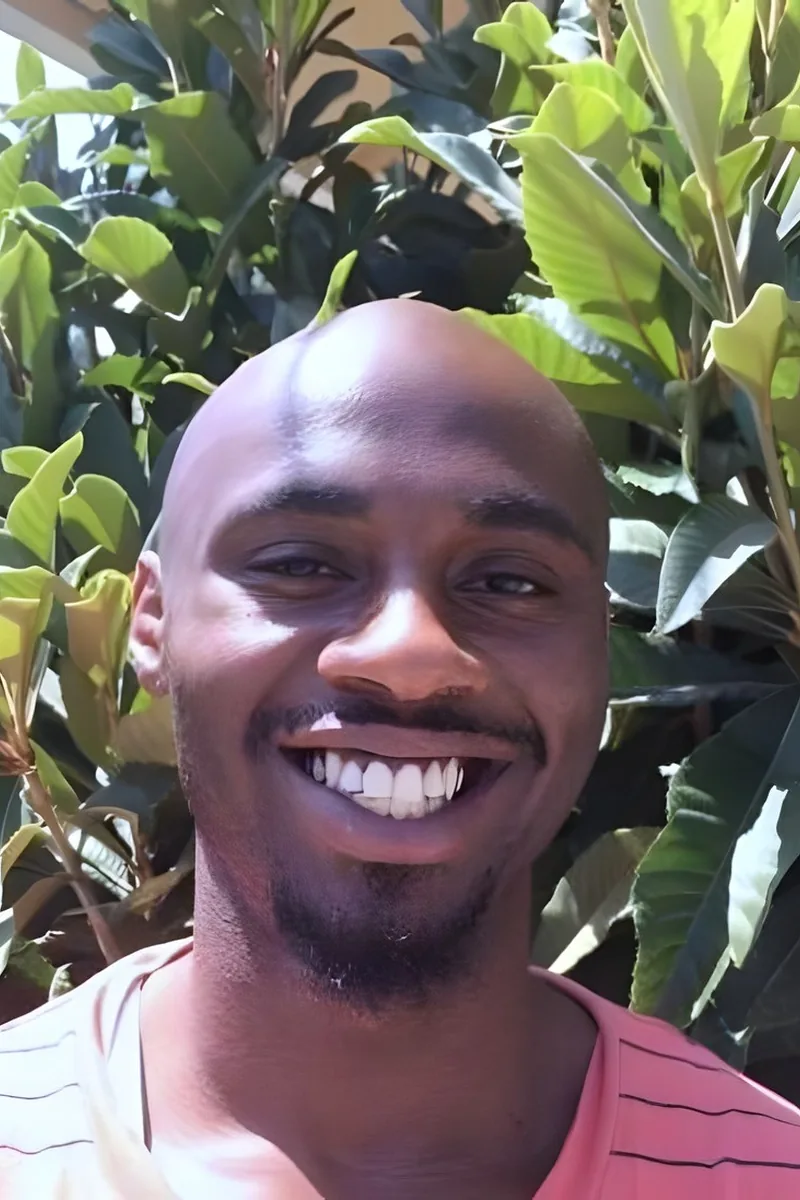
Understanding when to use a t-test versus a z-test, or why a sampling distribution behaves the way it does, requires more than formula sheets — it takes genuine statistical intuition. Brian built that intuition through his economics coursework at Caltech, where statistical analysis was a daily tool, and he walks students through each concept with concrete data examples.

Probability distributions, hypothesis testing, and confidence intervals all require a different kind of mathematical thinking — less computation, more interpretation. Mitch approaches statistics by teaching students to read what the numbers actually claim, drawing on the data analysis skills he built during his engineering degree.
Probability distributions and hypothesis testing require a different kind of mathematical thinking than most students are used to — less computation, more interpretation. Gerardo approaches statistics by anchoring every concept in a concrete scenario, whether that's reading a p-value in context or deciding which test applies to a given dataset. His teaching certification and physics training give him a structured, evidence-driven style that clicks for students who struggle with the "why" behind statistical reasoning.
Probability distributions, hypothesis testing, and confidence intervals each demand a different kind of reasoning than the algebra most students are used to. Joanne approaches statistics by grounding every formula in what it actually measures, making it easier to choose the right test and interpret results correctly.
Reading a statistics problem correctly matters as much as running the calculation, which is why Lizzy spends time on interpreting what a question actually asks before touching any formulas. She walks through probability distributions, hypothesis testing, and confidence intervals with an emphasis on understanding what the numbers mean in context.
Planning to pursue graduate work in mathematical game theory, Alain brings a probabilistic mindset to statistics that most business-econ majors don't — his math minor at UCLA meant he studied the theoretical machinery behind expected value, distributions, and hypothesis testing rather than just applying them in a spreadsheet. He teaches students to trace each statistical concept back to the underlying math so they can adapt when problems don't look like textbook examples.
The jump from calculating a mean to interpreting a confidence interval trips up students who never built intuition for what variability actually means. Mariapaz unpacks concepts like standard deviation, probability distributions, and hypothesis testing by grounding them in real data scenarios before introducing formulas. Her background teaching math across middle and high school levels means she can identify exactly where a student's conceptual understanding breaks down.
Probability distributions, hypothesis testing, and confidence intervals all hinge on understanding what the numbers actually represent — not just which formula to grab. Sarah's mathematics background at Clark University gave her the rigor to unpack statistical reasoning clearly, and her physics training means she's comfortable with real-world data that doesn't behave perfectly.
Studying economics at Brown meant Carter lived inside datasets — running regressions, testing hypotheses, and interpreting distributions long before he started tutoring. That firsthand experience makes him especially effective at teaching concepts like standard deviation, normal models, and conditional probability in ways that feel grounded rather than abstract. He's rated 5.0 by students.
Probability distributions, hypothesis testing, and regression analysis click faster when a tutor can show where these tools get deployed in practice. Firas uses statistics daily in his machine learning research at Princeton, which means he can walk through concepts like Bayesian inference or p-values with real datasets and concrete examples instead of abstract formulas.
Probability distributions, hypothesis testing, and regression analysis all clicked for Crony during his neuroscience research at Brown, where he used statistics daily to interpret experimental data. He brings that applied perspective to tutoring sessions, showing students how each concept works in practice — not just on a problem set.
Designing and optimizing light filters for optical multiplexers at Norfolk State required Dennis to apply statistical methods to real engineering data — fitting distributions, quantifying uncertainty, and interpreting experimental results. He teaches statistics with that practitioner's perspective, making topics like standard deviation, probability, and regression feel like problem-solving tools rather than abstract formulas.
Probability distributions, hypothesis testing, and confidence intervals require a different kind of mathematical thinking than most students are used to. Nicholas pairs his applied mathematics background at Johns Hopkins with real problem-solving instincts, teaching students to interpret what a p-value actually means and when to apply which test. He's especially effective at connecting statistical reasoning to the kind of data analysis students encounter in science and engineering contexts.
Most students memorize the formulas for z-scores or standard deviation without ever seeing where they come from — Kathleen's math degree from Washington University means she can derive them from scratch and explain each piece along the way. She treats every statistics concept as an extension of the algebra and calculus her students already know, which makes new material feel like a logical next step rather than a disconnected set of rules.
Studying cognitive science at Rice required Adam to run experiments, interpret data sets, and draw conclusions from statistical tests — so he teaches statistics as a practical reasoning tool, not just a math course. Whether it's regression analysis, p-values, or probability distributions, he connects each topic to real research questions that make the material intuitive.
An economics degree means Maggie didn't just study statistics in a textbook — she applied distributions, hypothesis testing, and regression analysis to real datasets. She teaches students to interpret what a p-value actually tells them and how to choose the right test for a given scenario, building the kind of statistical intuition that carries through exams and research projects alike.
A biology degree from UIUC means Todd spent years designing experiments, interpreting data sets, and running statistical tests — skills he now brings directly to tutoring statistics. He unpacks concepts like probability distributions, hypothesis testing, and standard deviation by grounding them in real data scenarios rather than abstract formulas.
The hardest part of statistics for most students isn't the math — it's interpreting what a p-value or confidence interval actually means in context. Vy's training in cognitive studies at Vanderbilt, which is heavily research-methods driven, means she's spent real time designing studies and running analyses. She unpacks concepts like distributions, hypothesis testing, and regression by tying them to concrete research questions.
A neurobiology degree from Harvard meant designing experiments, interpreting data sets, and living inside statistical analysis for four years. Katherine teaches statistics with that research lens — connecting probability distributions, hypothesis testing, and confidence intervals to how they're actually used in published studies. Rated 5.0 by students.
Emily's computational biology concentration at Cornell is essentially applied statistics — she uses probability distributions, confidence intervals, and regression analysis to interpret biological data every week. That hands-on context lets her explain statistical reasoning through concrete examples rather than abstract formulas.
Testimonials
Because the right Statistics tutor makes all the difference.
Average Session Rating – Based on 3.4M Learner Ratings
Practice Statistics
Free practice tests, flashcards, and AI tutoring for Statistics
Nearby Statistics Tutors
Other Santa Barbara Tutors
Related Math Tutors in Santa Barbara
Frequently Asked Questions
Varsity Tutors matches Santa Barbara students with expert Statistics tutors for 1-on-1 instruction. We pair each student with a tutor based on their specific needs, learning style, and goals.
Whether you need homework help, exam prep, or want to get ahead, our Statistics tutors are ready to help.
Common challenges include gaps from earlier material, difficulty with specific concepts, and trouble applying learning to new problems. These issues can snowball quickly in Statistics.
A tutor identifies where you're stuck, fills in gaps, and provides targeted practice. The 1-on-1 format means you get help exactly where you need it.
Tutors work with your student's actual coursework—homework assignments, class notes, and upcoming tests. This keeps tutoring directly relevant to what's happening in the classroom.
When you share information about your student's school and curriculum, we can match you with a tutor who has relevant experience.
All tutors complete background checks, credential verification, and teaching evaluation. Many of our Statistics tutors hold advanced degrees or have years of teaching experience.
You can review tutor profiles to find someone with the right background for your student's level and needs.
Many students see improved grades within a few weeks, along with better understanding of Statistics concepts and more confidence tackling challenging material.
Tutors track progress and adjust their approach to ensure continued improvement.
Most students benefit from 1-2 sessions per week. More frequent sessions help if your student is significantly behind or has an important exam coming up.
Your tutor can recommend a schedule based on your student's specific situation and goals.
Tutoring is purchased in packages of hours, with rates varying by tutor experience. Varsity Tutors offers several options to fit different budgets and needs.
You can discuss pricing during your consultation to find what works best.
Your tutor will assess where your student is, discuss goals, and start working on priority areas. Most students bring current homework or upcoming test material to focus on.
By the end, you'll have a clear sense of how the tutor can help and a plan for moving forward.
Let’s find your perfect tutor
Answer a few quick questions. We’ll recommend the right plan and match you with a top 5% tutor.