Award-Winning AP Spanish Language & Culture Tutors
serving Sacramento, CA
AP Spanish Language & Culture
Tutors in Sacramento
Private 1-on-1 tutoring, weekly live classes for academic support, test prep & enrichment, practice tests and diagnostics, and more to elevate grades and test scores.
Based on 3.4M Learner Ratings
UniversitiesSchools & Universities
DeliveredHours Delivered
ProficiencyGrowth in Proficiency
Who needs tutoring?
No obligation. Takes ~1 minute.

Between teaching Spanish 1 through 4, conversational Spanish, and both SAT Spanish Subject Tests, Linda has logged serious hours across every level of the language — which means she can quickly spot whether an AP student's weak point is a shaky subjunctive foundation or an inability to shift into formal written register under timed conditions. Her graduate work in education at USC's Rossier School sharpens how she structures exam prep, particularly for the persuasive essay task where students need to synthesize Spanish-language sources into a cohesive argument fast.
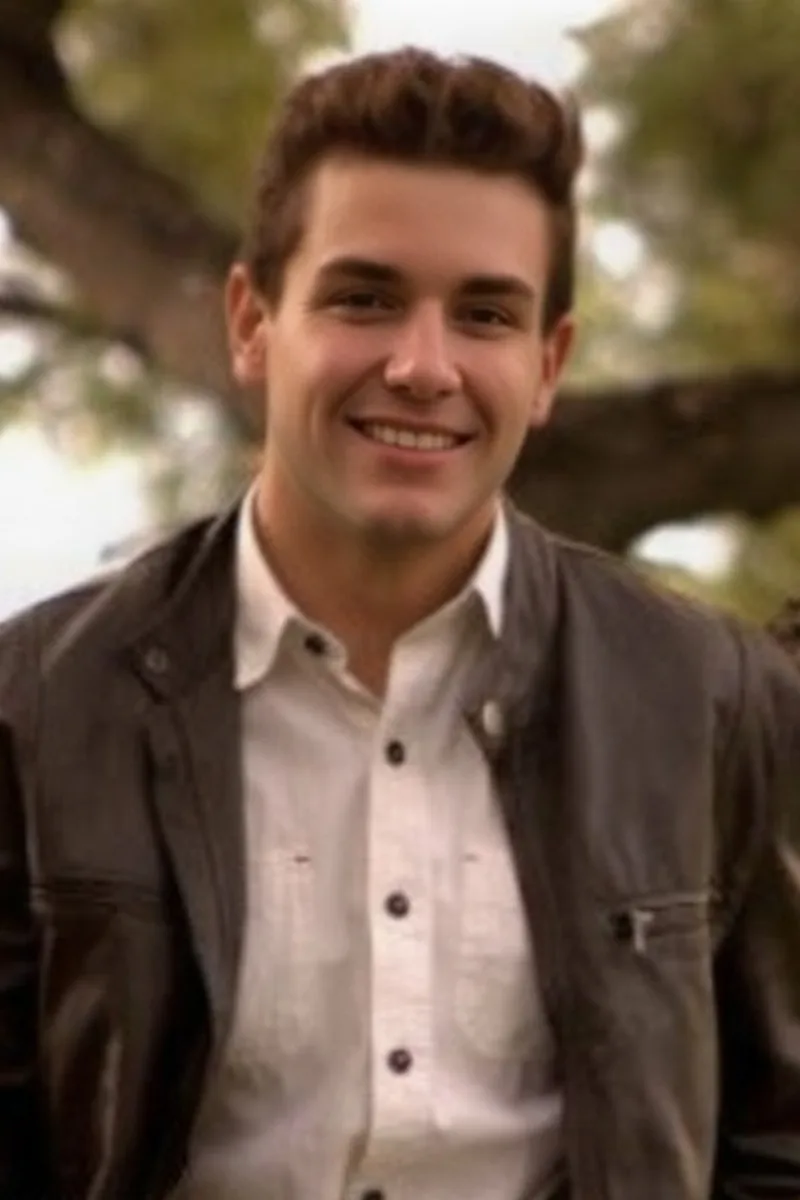
Milan's double major in Computer Science and English might seem unrelated to Spanish, but teaching across six Spanish levels — from Spanish 1 through AP — means he knows exactly which grammar gaps trip students up on timed free-response tasks. His English background sharpens how he coaches the persuasive essay's argument structure, while his conversational Spanish teaching keeps the interpersonal speaking prep grounded in real communication rather than rehearsed scripts.
Having earned a BA in Spanish and studied the language at an advanced academic level, Steven knows exactly where the AP Spanish Language & Culture exam tries to trip students up — from interpreting audio sources in the interpersonal speaking task to weaving cultural comparisons into the presentational essay. He teaches students to think in Spanish rather than mentally translating from English, which is the single biggest factor in scoring well on timed prompts.
Native fluency changes everything in AP Spanish Language & Culture. Alex grew up speaking, reading, and writing Spanish at home, and his bilingual background means he can explain grammar from the inside — why the subjunctive feels natural in certain contexts, how register shifts between formal and informal speech, and what authentic source material actually sounds like. His English degree also sharpens the presentational writing and speaking skills the exam demands.
I'm a native Spanish and English speaker. I graduated with Honors in Art History and Philosophy from the University of Chicago. As a trilingual, I easily understand the difficulties and processes involved in learning a new language! I have been teaching Spanish and English to students worldwide for years. I am passionate about teaching languages as I have been blessed by life-changing opportunities by speaking fluidly with people from other cultures.
Earning a doctorate in Spanish & Portuguese required Casey to operate at full academic fluency — presenting research, debating theory, and writing at the highest register. She channels that depth into AP Language prep, drilling students on the interpersonal speaking prompts, persuasive essay structures, and audio-source synthesis that make up the exam's trickiest sections.
Rebekah's Geology-Biology degree from Brown isn't an obvious path to AP Spanish — but she teaches Spanish across all four levels plus conversational and both SAT Spanish Subject Tests, which signals genuine command of the language well beyond casual fluency. She tackles the exam's interpersonal speaking and interpretive listening sections by training students to process Spanish at natural speed, building the kind of real-time comprehension that no amount of grammar drilling alone can produce. Rated 5.0 by students.
Planning to minor in Spanish and study abroad in Madrid, Ryan brings real investment in the language to AP Spanish prep. He zeroes in on the presentational and interpersonal speaking tasks that tend to cost students the most points, drilling strategies for organizing spontaneous responses and weaving in cultural comparisons on the fly.
Scoring well on AP Spanish Language & Culture means toggling between interpersonal conversation, presentational writing, and rapid-fire audio sources — often in the same exam session. Meagan majored in Spanish at the undergraduate level and has taught ESL, so she understands language acquisition from both directions and can pinpoint where a student's comprehension or production breaks down.
Rebecca's anthropology degree trained her to analyze cultural practices across communities — the exact skill the AP Spanish exam's cultural comparison free-response prompt tests. She teaches Spanish at every level from 1 through 4 plus conversational, so she can diagnose whether a student's weak spot is grammar mechanics like subjunctive triggers or the higher-order task of building a nuanced argument in formal register. Her 1550 SAT score reflects the kind of disciplined, timed-test thinking she brings to AP prep.
Fluent in Spanish since childhood, Adriana treats AP Spanish Language & Culture as more than vocabulary drills — she digs into the interpretive and presentational communication tasks that drive the exam, from synthesizing audio sources to crafting persuasive essays in Spanish. Her Rice University background in both sciences and humanities means she can coach students through the cultural comparison and argumentative writing sections with real analytical depth. Rated 5.0 by students.
While Spanish isn't Vivian's primary teaching area, her extensive experience with standardized test prep and essay writing transfers directly to the AP Spanish Language exam's presentational writing and interpersonal communication tasks. She brings a structured, strategy-first approach to tackling the exam's source-comparison essays and audio-response prompts.
Growing up as a native Spanish speaker and then formally studying the language through a Hispanic Studies degree gives Mercedes something the AP exam's interpersonal speaking tasks reward — an instinct for when to shift between informal conversational register and the polished, formal tone the persuasive essay demands. She's a certified high school teacher who also holds a master's in literature, so she approaches the exam's source-synthesis writing tasks the way she'd teach a close reading: pulling evidence, structuring an argument, and controlling tone under timed pressure.
Speaking five languages — Gujarati, Hindi, Spanish, Arabic, and French — gives Sahar an intuitive grasp of how Spanish grammar and idiomatic expression actually work in conversation, not just on paper. She digs into the interpersonal and presentational communication modes the AP exam tests, from crafting persuasive essays with proper subjunctive usage to navigating audio sources on cultural topics. Rated 5.0 by students.
Gus teaches Spanish across all four levels plus conversational Spanish, and his History degree means he's already wired to think about how cultural contexts shape language — a skill that directly feeds the AP exam's cultural comparison free-response. He approaches the interpersonal speaking and listening tasks by turning grammar patterns into narrative logic, making subjunctive triggers and register shifts stick the way a good story does rather than a conjugation chart.
Testimonials
Because the right AP Spanish Language & Culture tutor makes all the difference.
Average Session Rating – Based on 3.4M Learner Ratings
Nearby AP Spanish Language & Culture Tutors
Other Sacramento Tutors
Related Languages Tutors in Sacramento
Frequently Asked Questions
The AP Spanish Language & Culture exam tests your ability to understand and communicate in Spanish across three modes: interpersonal (conversations), interpretive (reading and listening comprehension), and presentational (writing and speaking). The exam includes multiple-choice sections on reading and listening, plus free-response sections where you'll write emails, essays, and record spoken responses. Success requires strong vocabulary, grammar accuracy, and cultural knowledge about Spanish-speaking regions.
Personalized 1-on-1 instruction allows tutors to focus on your specific weaknesses—whether that's subjunctive mood, listening comprehension, or cultural essay writing. Rather than moving at a class pace, you work at your own speed with targeted practice on the sections where you need the most improvement. Tutors can also provide authentic conversation practice and real-time feedback on pronunciation and grammar, which are critical for the speaking portions of the exam.
During your initial session, a tutor will assess your current Spanish proficiency level, identify your strengths and gaps, and discuss your AP exam timeline and goals. You might take a brief diagnostic to understand your listening and reading comprehension level, or have a conversation to gauge your speaking ability. From there, the tutor will create a personalized study plan that targets the areas where you'll gain the most points before test day.
Score improvement depends on your starting level and how consistently you practice. Students who work with tutors typically see gains in 1-2 score ranges (e.g., from a 3 to a 4 or 5) within 2-4 months of regular sessions, especially when they combine tutoring with independent practice. The most significant improvements come from targeted work on your weakest section—if listening comprehension is holding you back, focused practice there can yield quick gains.
Many students struggle with the subjunctive mood, which appears frequently across reading, writing, and speaking sections. Others find the listening comprehension section challenging because of varied accents and fast-paced speech. The free-response writing section trips up students who know vocabulary but can't organize complex ideas quickly, and the cultural component requires knowledge beyond just grammar and vocabulary. A tutor can break down each of these challenges into manageable practice.
Take full-length practice tests under timed conditions to build stamina and get comfortable with the exam format, but don't just take them passively. After each test, review every question you missed—especially listening and reading sections—to identify patterns in what trips you up. A tutor can help you analyze your practice test results to pinpoint whether you're losing points due to vocabulary gaps, grammar misunderstandings, or simply rushing through sections. Spacing out practice tests every 2-3 weeks gives you time to target weak areas between attempts.
The AP Spanish speaking sections require you to record responses in real-time—there's no time to write and edit. Regular conversation practice with a tutor builds the fluency and confidence you need to think and respond in Spanish without long pauses. Tutors can simulate the actual exam format (interpersonal conversations, cultural presentations, and formal responses) and provide immediate feedback on pronunciation, grammar, and how well you're addressing the prompt. This kind of authentic practice is hard to replicate on your own.
Varsity Tutors connects you with expert tutors who have strong Spanish proficiency and experience preparing students for the AP exam. When you get matched, you can discuss your timeline, specific weak areas, and preferred learning style. Most tutors in the Sacramento area are flexible with scheduling and can work around your school commitments. It's worth having a conversation with your matched tutor before committing to make sure their teaching approach fits how you learn best.
Let’s find your perfect tutor
Answer a few quick questions. We’ll recommend the right plan and match you with a top 5% tutor.