Award-Winning AP Studio Art: Drawing
Tutors
AP Studio Art: Drawing
Tutors
Private 1-on-1 tutoring, weekly live classes for academic support, test prep & enrichment, practice tests and diagnostics, and more to elevate grades and test scores.
Based on 3.4M Learner Ratings
UniversitiesSchools & Universities
DeliveredHours Delivered
ProficiencyGrowth in Proficiency
Who needs tutoring?
No obligation. Takes ~1 minute.
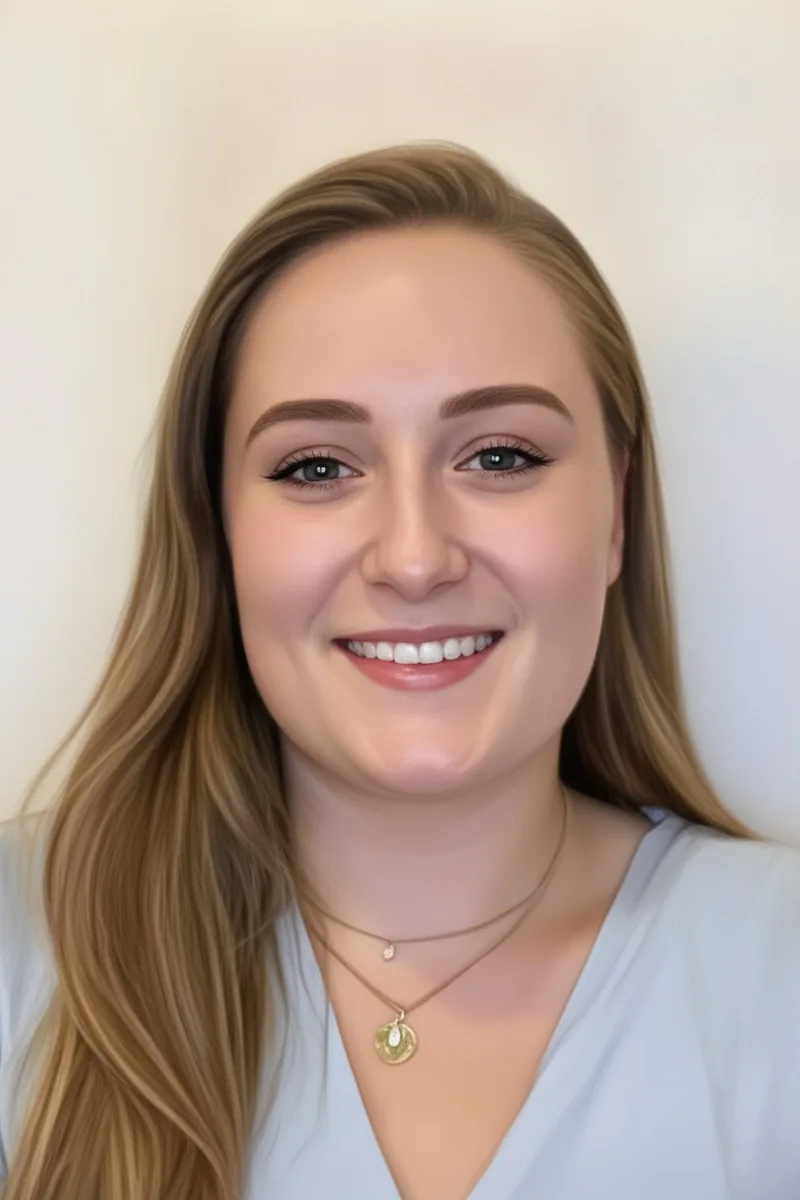
Object-based learning — Mimi's specialty from her museum education background — is essentially what the AP Drawing portfolio's sustained investigation asks students to do: interrogate a subject visually from multiple angles and articulate what they discover. Her Ed.M. from Harvard and B.A. in Art History from Dartmouth ground her in both the critical vocabulary and the inquiry-driven process that turn a collection of drawings into a scored portfolio with conceptual depth. She's particularly sharp on helping students connect their visual choices to written commentary that reads as deliberate rather than decorative.
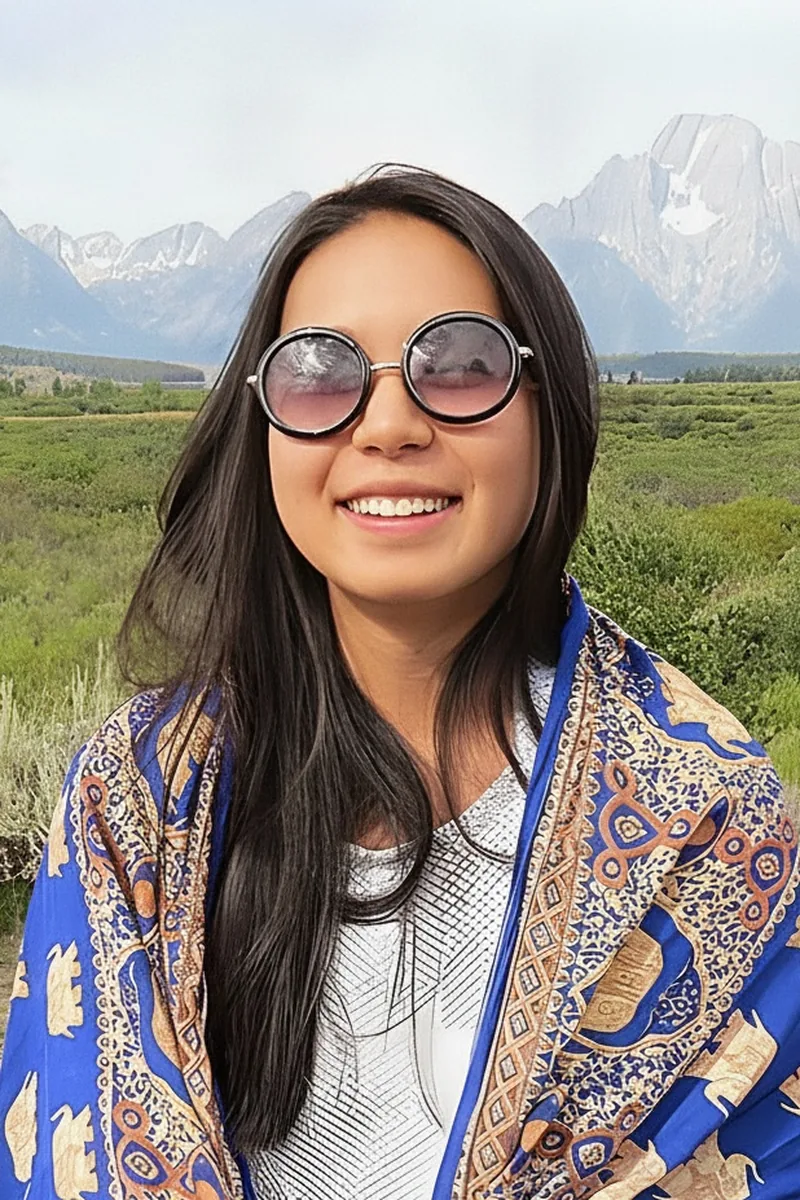
Few AP Studio Art tutors bring both a practicing artist's eye and formal academic training — Kathy holds a Bachelor's in Art from Duke and is completing a Master's in Modern and Contemporary Asian Art at Sotheby's Institute. She digs into portfolio development with students, from refining compositional choices and mark-making techniques to articulating the sustained investigation narrative that earns top scores on the breadth and concentration sections.
Rachel's background is in history and writing, not visual art — but the AP Drawing portfolio's scoring leans heavily on the written sustained investigation narrative, where students must articulate their conceptual intent and connect artistic choices across a body of work. Her experience teaching essay structure, argumentative clarity, and college-level writing transfers directly to crafting the kind of deliberate, well-framed commentary that separates a 5 from a 3.
Li's training in anatomy and speech-hearing sciences built the kind of precise observational habits that translate directly to figure drawing and rendering organic forms — understanding underlying structures changes how you see and sketch a subject. For the AP Studio Art: Drawing portfolio, she applies that analytical approach to help students plan their sustained investigation with the same rigor she'd bring to a lab notebook, connecting each piece back to a central visual question.
As a Visual Art concentrator at Brown, Nova understands the AP Studio Art: Drawing portfolio from both the artist's and the evaluator's perspective — sustaining an investigation across pieces, demonstrating technical range, and writing artist statements that articulate intent. She tackles the breadth section and concentration planning together so students build a cohesive body of work rather than a disconnected sketchbook.
Lena holds an MFA in Creative Writing and a bachelor's in History of Art from Cornell — a combination that covers both sides of the AP Drawing portfolio, where visual sophistication and written articulation carry equal weight. She tackles the sustained investigation narrative with a writer's precision, helping students frame their conceptual choices in language that reads as intentional, while her art history training sharpens critique of compositional decisions across the portfolio's body of work.
The AP Studio Art: Drawing portfolio demands a sustained investigation that shows both technical skill and conceptual depth — not just pretty sketches. Danielle's own art practice and her years as a museum educator give her a sharp eye for composition, mark-making, and how to develop a cohesive body of work. She walks students through building a portfolio narrative that AP readers actually want to see.
Elise earned her Bachelor of Fine Arts in Studio Arts, which means she's been through the exact portfolio-building process AP Drawing students face — selecting a sustained investigation topic, refining a cohesive body of work, and writing artist statements that articulate intent. She teaches students to push past safe mark-making into deliberate compositional choices around value, gesture, and negative space. Rated 5.0 by students.
Iris's anthropology and history of science training at the University of Chicago centered on interpreting visual culture — reading artifacts, analyzing material objects, and building arguments about what images communicate across contexts. That skill set maps directly onto the AP Drawing portfolio's sustained investigation, where students need to articulate a conceptual throughline in writing and demonstrate that each piece interrogates a central idea rather than simply showcasing technique. She's especially useful for the written commentary component, where her copyediting background and 4.6 rating speak to her ability to tighten language around artistic intent.
Years of architectural drawing — from quick gestural sketches to precise renderings — give Allison a sharp eye for composition, line quality, and value structure. She tackles the AP Drawing portfolio by coaching students on how to develop a sustained investigation that shows genuine artistic inquiry, not just technical skill. Her Columbia architecture training means she can push students on concept and craft simultaneously.
Hali's Visual and Performing Arts degree means she's been through the portfolio grind herself — building a sustained investigation, iterating on a central concept across pieces, and defending artistic choices in critique. She brings that firsthand experience to the drawing portfolio's trickiest demand: connecting technical skill to a clear conceptual throughline that AP readers actually reward. Rated 5.0 by students.
Golddy earned her Visual Arts degree alongside her Neuroscience B.S. at Johns Hopkins, so she understands both the creative and the strategic sides of building an AP Studio Art portfolio. She breaks down the Sustained Investigation component — how to develop a coherent visual inquiry, document artistic decisions in writing, and demonstrate technical growth across a body of work.
Building an AP Drawing portfolio means sustaining a visual investigation across multiple pieces, not just producing individual strong drawings. Vianna, who lists illustration among her core passions, teaches students to develop a cohesive sustained investigation while sharpening foundational skills like value control, mark-making, and compositional depth. She carries a 5.0 client rating.
Having earned an MFA in Photography from the Savannah College of Art and Design, Emily understands the portfolio-driven structure of AP Studio Art: Drawing inside and out. She walks students through developing a sustained investigation — from refining a cohesive theme to articulating artistic intent in the written statement that accompanies the portfolio. Rated 5.0 by students.
Few AP Studio Art: Drawing tutors hold a university degree in studio art alongside hard-science training — Lee does, with degrees in physics, astronomy, and studio art from the University of Maryland. That combination means he can coach students on compositional strategies, mark-making techniques, and the sustained investigation narrative while bringing a disciplined, analytical eye to portfolio development.
I am qualified to tutor many subjects, my favorite subject by far is math, specifically calculus. Math is a subject almost universally hated, and I believe that is mainly due to the narrow way in which it is taught. I have ADHD, and I often don't understand things the first time they are explained to me, meaning over the years I have had to figure out different ways of looking at information. Oftentimes, all a student needs is for something to be explained in a different way, and I love watching people finally understand a concept. Everyone learns differently, but everyone can learn.
Aiden's concentration in 3D art at Reed College — a school built around independent thesis projects and seminar-style critiques — gave him direct experience developing and defending a sustained body of creative work. That process maps closely onto the AP Drawing portfolio, where he applies it to sharpening students' conceptual throughlines and coaching the written artist statement that ties visual choices together. His political science background also strengthens the argumentative structure of portfolio commentary.
Emily earned both a BFA and MFA in Painting, teaches art at the college level, and spent a year on a Fulbright Fellowship painting in Germany — so she knows exactly what AP portfolio reviewers are looking for in terms of sustained investigation and technical range. She walks students through building a cohesive body of drawings that demonstrates mastery of mark-making, composition, and conceptual depth across the breadth and concentration sections.
A Visual Art minor at UCSD gave Linda hands-on experience with portfolio development, compositional studies, and the kind of sustained investigation that AP Studio Art: Drawing demands. She walks students through building a cohesive concentration — selecting a theme, iterating on it across pieces, and writing the artist statement that ties it all together.
I am a sophomore college student at Texas A&M! I have always had a passion for knowledge, and I'm super excited to ignite that passion in my students! Learning study skills and habits that will set students up for success is my main goal.
Biology might seem unrelated to drawing, but Laura's scientific training sharpens the observational skills that matter in AP Studio Art — noticing how light falls on organic forms, how structures repeat at different scales, and how to translate close observation into compelling visual work. She brings that analytical eye to portfolio planning, particularly when students need to push beyond surface-level rendering and develop the kind of investigative depth the scoring rubric rewards.
Nathania's psychology background gives her an unusual angle on the AP Drawing portfolio — she can push students to dig into the conceptual and emotional layers of their sustained investigation, not just the technical execution. Her writing skills also come into play when it's time to draft the artist statement, where translating visual choices into clear, reflective language is what separates strong portfolios from forgettable ones.
Game and Interactive Media Design at UCF trains students in iterative visual development — sketching concepts, refining compositions, and building a cohesive body of work around a central idea — which mirrors the AP Drawing sustained investigation process almost exactly. Ema pairs that design training with a Creative Writing minor, so she tackles both the visual portfolio and the written artist statement with equal fluency. Rated 5.0 by students.
I am a graduate of the University of Texas at Austin, where I majored in Anthropology with a focus on Archaeology as my field of choice. I have always had a great love for history and am currently trying to turn that passion into a career. While studying at UT Austin, I had the opportunity to tutor and work with children as part of a summer program at the University of Texas of the Permian Basin. Recently, I have been working for Berkeley2 Academy as a tutor and preparatory class instructor for subjects ranging from SAT and ACT Verbal skills to US AP History.
The AP Studio Art: Drawing portfolio lives or dies on a student's ability to demonstrate a sustained investigation with a clear artistic voice. Darby tackles the portfolio-building process itself — helping students select a cohesive theme, document their creative decisions in written commentary, and refine pieces through deliberate revision rather than starting over from scratch.
A Biology and Art double major, Hannah knows what it's like to toggle between scientific observation and creative practice — and for the AP Drawing sustained investigation, that combination sharpens how students develop visual concepts rooted in close, analytical looking. She's particularly useful when students need to move from strong individual drawings into a portfolio that reads as one cohesive argument, and her grad work in teaching means she builds structured project timelines that keep the sustained investigation on track. Rated 5.0 by students.
Economics and philosophy might not scream 'drawing portfolio,' but Emma's philosophy training at UVA — building sustained arguments, defending a thesis, connecting evidence to a central claim — maps surprisingly well onto the AP Drawing sustained investigation, where students need to articulate why their pieces cohere rather than just making things that look good. She's strongest on the written side: crafting the artist statement and investigation narrative with the kind of conceptual precision that turns visual work into a persuasive argument for AP readers.
Nina's drawing practice spans both traditional and digital media, and she understands what AP readers look for when evaluating a sustained investigation portfolio. She walks students through developing a cohesive body of work — from refining an inquiry question to documenting artistic decisions in the written evidence — so that each piece builds on the last rather than standing alone.
The AP Studio Art: Drawing portfolio lives or dies on sustained investigation and breadth of technique, not just raw talent. Angie is studying Studio Art at ASU's Barrett Honors College and knows how to develop a cohesive portfolio narrative — from selecting a compelling inquiry question to demonstrating growth through varied media like charcoal, ink, and digital drawing.
Andrea's double major in English Literature and Arabic won't teach anyone how to shade a still life — but the AP Drawing portfolio's written components are where her background pays off. The sustained investigation narrative and artist statement require students to articulate conceptual intent with precision, and her experience teaching essay structure and language mechanics (plus ESL/TESOL certification) means she can sharpen that written framing, especially for students whose first language isn't English.
Building a strong AP Studio Art: Drawing portfolio means showing sustained investigation — not just technical skill, but a visible thread of inquiry across pieces. Juan, a practicing painter and drawer himself, walks students through how to develop that conceptual throughline while sharpening observational techniques like contour, gesture, and value studies. He also tackles the written components so the artist's statement actually matches the work.
Economics might seem far from a drawing portfolio, but the AP Studio Art sustained investigation is fundamentally about building and defending an argument — a skill Caitlin's economics training and essay-writing expertise sharpen every day. She's especially strong on the written components: crafting the artist statement, articulating conceptual choices, and making sure the narrative thread across portfolio pieces reads as clearly as a well-structured thesis. Rated 5.0 by students.
Currently, I am a Research Technician at New Mexico State University in Las Cruces, NM. I have tutored as an undergraduate student, and I have been the lead TA for General Chemistry courses at UC Berkeley. Chemistry is one of my passions, and I would love to share my experience!
Testimonials
Because the right AP Studio Art: Drawing tutor makes all the difference.
Average Session Rating – Based on 3.4M Learner Ratings



Top 20 Subjects
Frequently Asked Questions
The Breadth section requires 12 works demonstrating diverse approaches, materials, and processes across drawing, while Depth focuses on 5 refined works exploring a single inquiry question in depth. Tutors help students develop a cohesive visual investigation for Depth—guiding them to refine their artistic voice and demonstrate sophisticated problem-solving—while ensuring Breadth works showcase technical range and conceptual variety. This balance is critical: Breadth proves versatility, but Depth reveals mastery and intentional artistic thinking.
Many students struggle with translating what they see onto paper accurately, especially when working from observation. Tutors focus on teaching systematic approaches like proportion measurement, value relationships, and spatial reasoning—breaking down complex subjects into manageable components. Regular practice with guided feedback helps students develop the hand-eye coordination and analytical skills needed to render form convincingly, which strengthens both Breadth and Depth portfolios.
The inquiry question is the conceptual backbone of your Depth section—it should be specific enough to guide your artistic investigation but open enough to explore through multiple works. Tutors help students identify genuine artistic interests (perspective, identity, texture, emotion, etc.) and frame them as meaningful questions that drive their work forward. A strong inquiry question transforms your portfolio from a collection of drawings into a coherent artistic narrative that demonstrates critical thinking and intentionality.
Media exploration is essential for Breadth—the AP readers expect to see evidence of technical versatility across graphite, charcoal, ink, colored pencil, digital, and mixed media approaches. Tutors help students experiment strategically with different materials, teaching techniques specific to each medium and helping them understand how material choices communicate meaning. Rather than random experimentation, tutors guide students to select media intentionally based on their subject matter and artistic goals, deepening both technical skill and conceptual sophistication.
Students often struggle with creating dynamic compositions—centering subjects passively, neglecting negative space, or failing to guide the viewer's eye through the work. Tutors teach principles like the rule of thirds, leading lines, contrast, and spatial depth to help students organize visual information more effectively. They also help students understand how composition choices reinforce their artistic intent, transforming static drawings into compelling visual experiences that engage AP readers.
The AP readers evaluate not just the artworks but also how students present them—clear photography, consistent sizing, thoughtful arrangement, and written reflection all matter. Tutors guide students in photographing work professionally (proper lighting, minimal glare, accurate color), organizing pieces to show progression and conceptual connections, and writing artist statements that articulate their process and intent. Strong presentation ensures your technical skills and ideas come across clearly to readers reviewing your digital portfolio.
Creating 15 polished drawings (12 Breadth + 3 Depth refinements) across an academic year requires strategic planning. Tutors help students establish realistic production schedules, prioritize which pieces to invest time in, and identify when to move forward versus when to refine. They also teach students to work on multiple pieces simultaneously—letting some dry while sketching others—and to build in revision time. This structured approach prevents last-minute rushing while allowing adequate time for the iterative refinement that characterizes strong Depth work.
Revision is central to AP Studio Art: Drawing success—tutors help students develop a critical eye for evaluating their own work and responding constructively to feedback. Rather than starting over, strong revision involves refining values, adjusting composition, deepening spatial relationships, or exploring media more fully. Tutors teach students to document their revision process, which demonstrates growth and intentional problem-solving to AP readers. Regular critique sessions with a tutor create accountability and ensure each piece moves toward greater sophistication before submission.
Let’s find your perfect tutor
Answer a few quick questions. We’ll recommend the right plan and match you with a top 5% tutor.