Award-Winning AP English Literature and Composition Tutors
serving Memphis, TN
AP English Literature and Composition
Tutors in Memphis
Private 1-on-1 tutoring, weekly live classes for academic support, test prep & enrichment, practice tests and diagnostics, and more to elevate grades and test scores.
Based on 3.4M Learner Ratings
UniversitiesSchools & Universities
DeliveredHours Delivered
ProficiencyGrowth in Proficiency
Who needs tutoring?
No obligation. Takes ~1 minute.
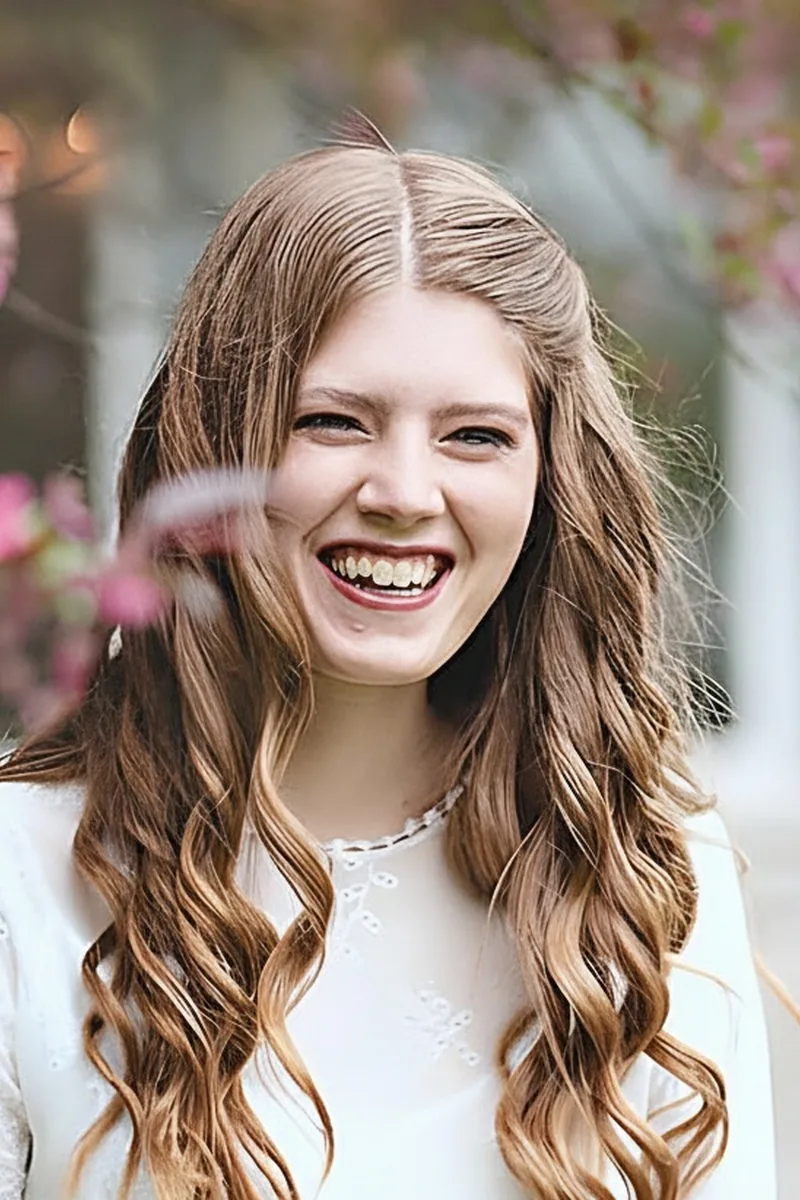
Having earned dual degrees in English and Spanish — with an MA in Creative Writing from the University of Birmingham — Darby reads literature the way the AP exam demands: with an eye for how authors use structure, diction, and figurative language to build meaning. She teaches students to write timed literary analysis essays that move beyond plot summary into genuine argument. Rated 5.0 by students.
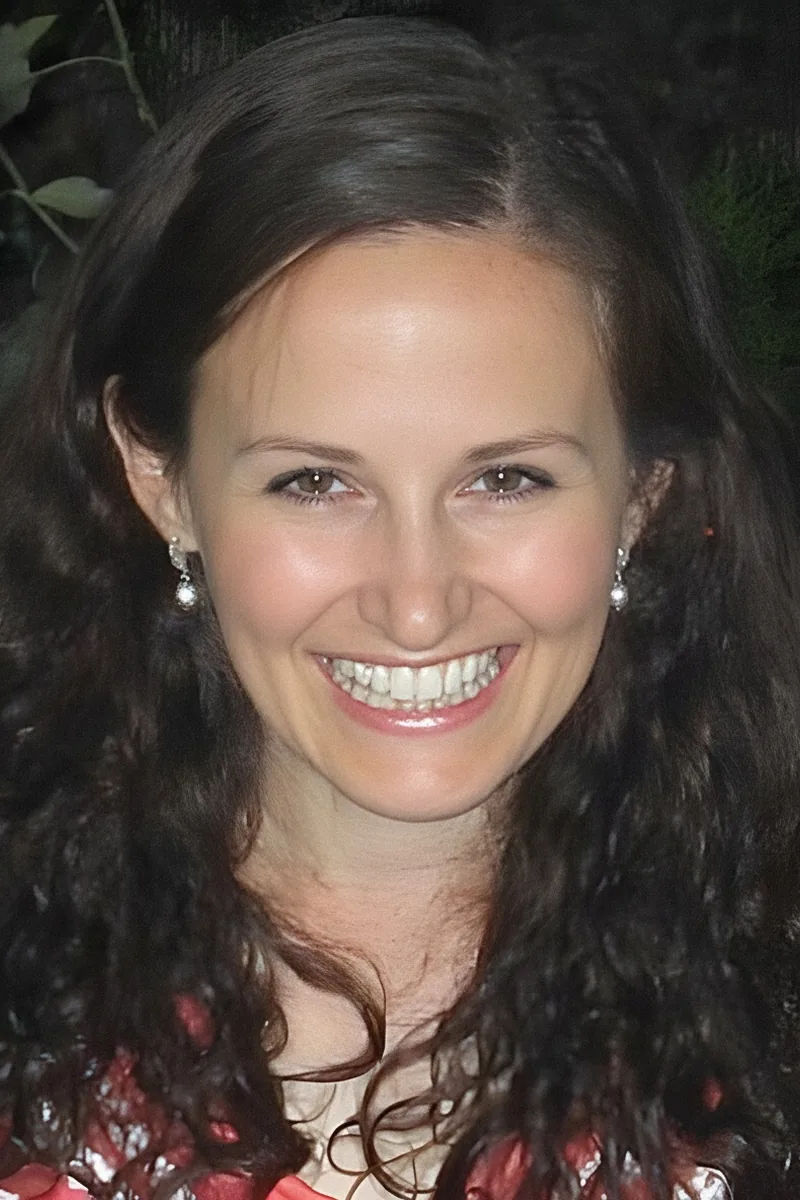
AP English Literature asks students to do exactly what Winnie was trained for: read a poem or prose passage cold and produce a sharp, thesis-driven essay under time constraints. Her comparative literature background means she can teach students to analyze imagery, narrative voice, and structural choices across traditions — from Victorian novels to postcolonial fiction — with the specificity the exam demands.
AP English Literature asks students to do something most haven't been trained for: write a polished literary argument under time pressure about a poem or passage they've never seen. Maddy wrote an honors thesis on art criticism at Harvard and spent years analyzing fiction, poetry, and Shakespeare — she teaches the close-reading instincts and essay structures that earn high scores on the free-response section.
AP Lit asks students to do something most of their English classes haven't prepared them for: build an original interpretive argument about a poem or passage they've never seen before, in 40 minutes. Amanda's dual background in psychology and literary study gives her a distinctive angle on close reading — she teaches students to track how a character's interiority or a narrator's tone functions as evidence for a thesis. That analytical precision is what earns 7s, 8s, and 9s on the free-response questions.
AP Lit essays live or die on how well a student can connect a specific literary device to a work's larger meaning — not just identify a metaphor, but explain what it's doing. Sophia, an award-winning creative writer with a Vanderbilt humanities background, teaches students to build that kind of argument under timed conditions, whether they're tackling a poetry analysis or an open-ended prompt. Her own writing practice gives her a sharp eye for the difference between summary and genuine literary analysis.
AP Lit asks students to do something genuinely difficult: read a poem or prose passage cold and produce a polished literary argument in forty minutes. Jean's dual background in history and law sharpened her ability to construct tight, evidence-driven arguments under pressure — exactly the skill this exam rewards. She teaches students to move past plot summary and dig into how literary devices like imagery, tone shifts, and narrative structure create meaning.
AP English Literature asks students to do something genuinely difficult: read a poem or prose passage they've never seen and write a polished analytical essay in forty minutes. Amy digs into the specific skills that earn high scores — identifying literary devices like free indirect discourse or shifts in tone, then weaving those observations into a thesis-driven argument. As a college English major and lifelong reader, she knows this territory intimately.
AP Lit asks students to do something genuinely difficult: read a poem or prose passage cold and produce a polished analytical essay in forty minutes. Hasan studied Literary Arts at Brown, where his coursework ranged from contemporary American fiction to ancient Indian classics, giving him the interpretive toolkit to teach students how to unpack imagery, structure, and narrative voice under exam conditions.
AP English Literature asks students to do something genuinely difficult: read a poem or prose passage they've never seen and produce a polished analytical essay under time pressure. Muriel's degree in Spanish and Italian literature means she's spent years doing exactly this kind of close reading across multiple literary traditions, spotting how imagery, tone, and structure carry meaning. She teaches students to build arguments around textual evidence rather than plot summary — the skill that separates 3s from 5s.
AP Lit asks students to do something genuinely difficult: read a poem or passage they've never seen before and build an analytical argument about it under time pressure. Sydny approaches each essay prompt by teaching students to identify literary devices — imagery, tone shifts, narrative structure — and convert those observations into a thesis that actually says something specific.
AP Lit is Meagen's sweet spot. As an English major at Carleton College who genuinely lights up over close reading, she digs into how literary devices function within a text — not just identifying a metaphor but explaining what it accomplishes in the passage's argument or characterization. Her sessions on the free-response essays zero in on crafting a defensible thesis and weaving textual evidence into every body paragraph.
AP Lit essays live or die on how well a student can connect a specific literary device to the text's larger meaning — not just spotting the metaphor, but explaining what it *does*. Kenan's background across literature and analytical writing means he can coach both the close-reading instinct and the timed-essay structure the exam demands, from poetry analysis to the open-ended prompt.
AP English Literature asks students to do something genuinely hard: read a poem or passage cold and produce a coherent analytical essay under time pressure. Kahini earned her English degree at Brown, where close reading of literary form — meter, narrative structure, figurative language — was the daily expectation. She teaches students to build an argument from a single textual detail outward rather than summarizing plot.
Testimonials
Because the right AP English Literature and Composition tutor makes all the difference.
Average Session Rating – Based on 3.4M Learner Ratings
Practice AP English Literature and Composition
Free practice tests, flashcards, and AI tutoring for AP English Literature and Composition
Nearby AP English Literature and Composition Tutors
Other Memphis Tutors
Related English Tutors in Memphis
Frequently Asked Questions
AP English Literature and Composition focuses on close reading and literary analysis across multiple genres—poetry, prose, drama, and essays. Students learn to identify literary devices, analyze characterization and themes, and construct well-supported arguments about texts. The course emphasizes developing a sophisticated vocabulary for discussing literature and practicing timed essay writing, which makes up a significant portion of the exam.
The exam consists of two sections: a 1-hour multiple-choice section with 55 questions covering reading comprehension and literary analysis, and a 2-hour free-response section with three essay prompts (poetry analysis, prose analysis, and open-ended argument). Time management is critical—students need to pace themselves carefully through the reading passages and allocate sufficient time for thoughtful essay writing.
Many students struggle with close reading under time pressure, particularly identifying subtle literary devices and understanding how they contribute to meaning. Others find it challenging to move beyond surface-level observations and develop nuanced arguments supported by textual evidence. The timed essay section is especially difficult for students who need more time to organize their thoughts or who feel anxious about writing in real-time.
Score improvement depends on your starting point and how consistently you engage with tutoring. Students who work with tutors typically see gains by refining their analytical skills, learning to identify question patterns, and practicing timed essays with targeted feedback. Most students benefit from 4-8 weeks of regular sessions before the exam, though earlier preparation allows for more comprehensive skill-building and practice test cycles.
Strong AP essays require a clear thesis, specific textual evidence, and sophisticated analysis that explains how literary devices support your argument. Tutors can help you develop a reliable essay structure, practice writing under timed conditions, and learn to avoid common pitfalls like plot summary instead of analysis. Regular practice with feedback on multiple essays helps you internalize the approach and build confidence before test day.
Effective multiple-choice strategy involves reading the passage carefully first, then tackling questions with attention to what the question is actually asking—many wrong answers are plausible but miss the point. Learning to eliminate obviously wrong answers, identify the author's tone and purpose, and recognize how literary devices function in context all improve accuracy. Practice tests help you identify your specific weak areas and refine your approach to different question types.
Look for tutors with strong knowledge of the AP curriculum, experience helping students prepare for the exam, and the ability to teach both literary analysis skills and test-taking strategies. They should be comfortable providing detailed feedback on practice essays and helping you understand not just what the right answer is, but why it's correct. For students in Memphis, connecting with a tutor who understands your learning style and can adapt their teaching approach makes a real difference.
Ideally, students benefit from starting tutoring 2-3 months before the exam to build foundational skills and complete multiple practice tests. However, even 4-6 weeks of focused preparation can help if you're already familiar with the course material. Starting earlier allows time for deeper skill development, more practice essays with feedback, and reduced test anxiety—giving you the chance to move from understanding concepts to applying them confidently under pressure.
Let’s find your perfect tutor
Answer a few quick questions. We’ll recommend the right plan and match you with a top 5% tutor.